Cardiovascular and Interventional Radiological Society of Europe
CIRSE insider - NEW - animated
PublicationsCIRSE InsiderThe five most popular FIRST@CIRSE 2026 data presentations

The five most popular FIRST@CIRSE 2026 data presentations

September 18, 2026

FIRST@CIRSE brought some of the congress’s most anticipated new research to Copenhagen, giving attendees a first look at data from trials and studies across IR. These five presentations were some of the most popular FIRST@CIRSE first data releases at CIRSE 2026.


CIRSE 2026 offered first data presentations in interventional oncology, embolization, arterial, and venous topics.

GRAVITY: genicular artery embolization versus observation for symptomatic knee osteoarthritis

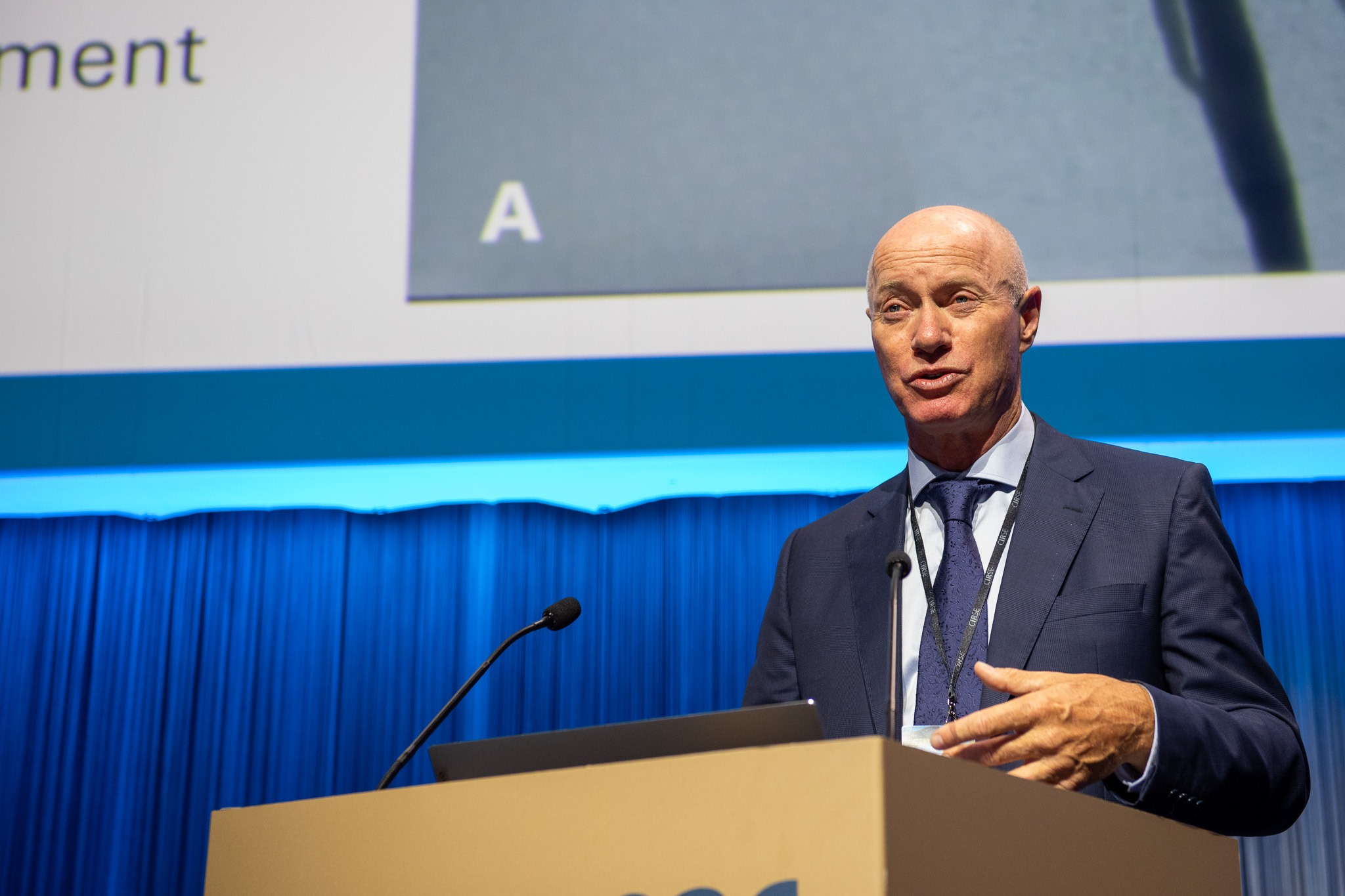
Dr. Siddharth Padia (Santa Monica/US) presented first results from GRAVITY, a prospective, single-centre, randomized superiority trial evaluating genicular artery embolization (GAE) versus observation in patients with symptomatic knee osteoarthritis. A total of 119 patients were randomized and followed for up to 24 months, with the primary endpoint assessing the proportion achieving more than a 50% reduction in their Western Ontario and McMaster Universities Osteoarthritis Index (WOMAC) score. The trial met its primary endpoint, with highly significant results at six months (p<0.001), while further analysis will assess outcomes at 12 and 24 months. Session moderator Prof. Ziv Haskal commented, “Pretty groundbreaking stuff. Bravo from us all.”

Watch the lecture here

RECANA study: initial 20-patient results

The RECANA study provided a first look at the use of the Recana Thrombectomy Catheter System for treating symptomatic post-thrombotic venous inflow and outflow obstruction. This prospective, non-randomized study is evaluating the device’s safety and performance, with its primary efficacy endpoint measuring lumen gain by intravascular ultrasound (IVUS) during the index procedure. Initial results from the first 20 patients enrolled across two sites showed promising early performance.

Discussing the need for dedicated tools in this setting, presenter Prof. Gerry O’Sullivan (Galway/IE) said, “Crossing a venous stent that’s occluded is a completely different animal to crossing an arterial stent that’s occluded. The material is much more resistant.” He added, “I think we need better tools to get across and to deal with the material that’s in there. This device deals with the material that’s in there.”

Watch the lecture here

Supera stent superiority trial

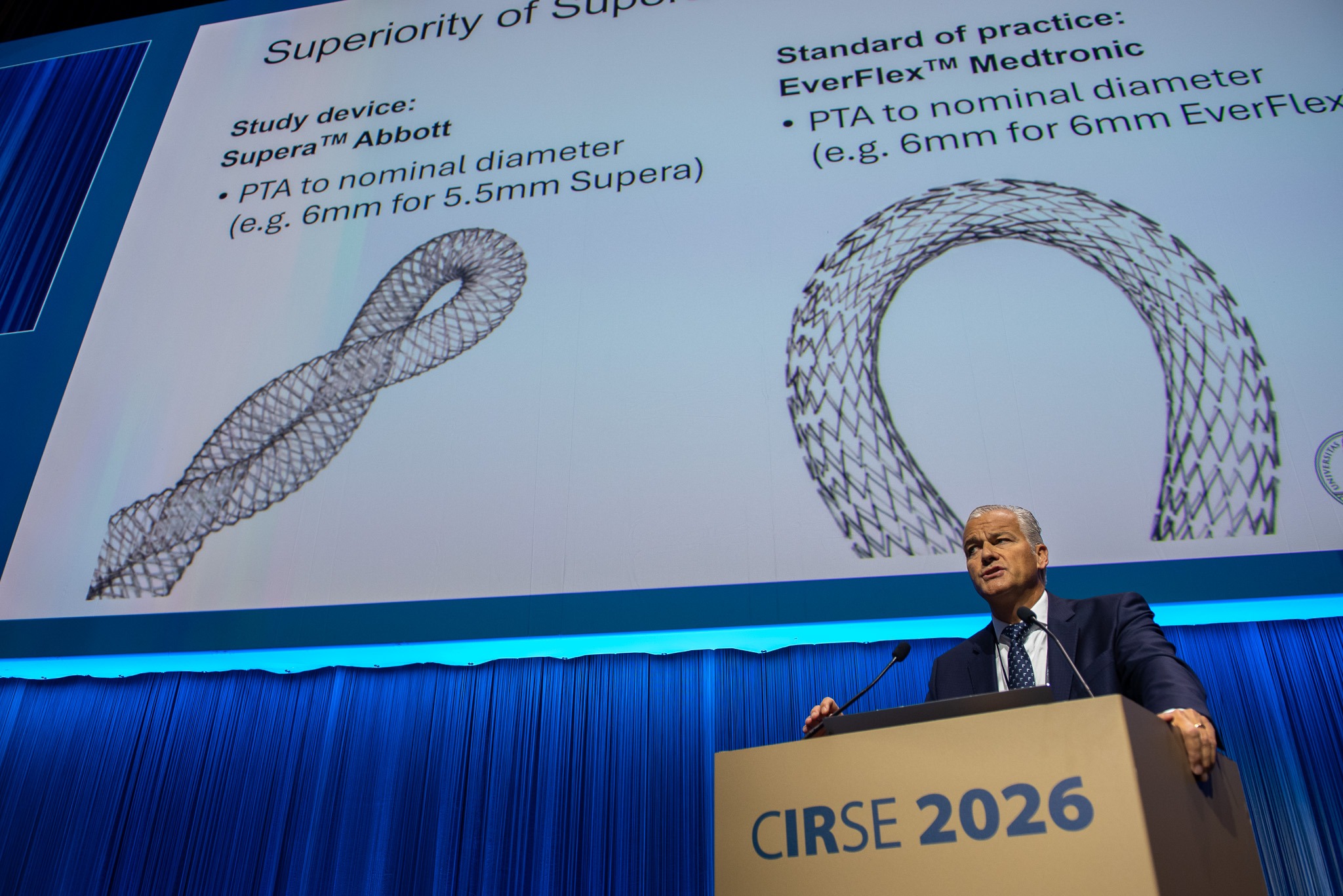
Prof. Christoph Binkert (Zürich/CH) presented first findings from a prospective, randomized, multicentre superiority trial comparing the SUPERA peripheral stent system in patients with femoropopliteal artery disease. The study’s primary endpoint is the difference in primary patency between the treatment groups at 24 months, assessed by duplex ultrasound and freedom from clinically driven reintervention. With the latest dataset having become available only a week before CIRSE 2026, the presentation offered an early look at the 12- and 24-month findings from a randomized SUPERA study that, as session moderator Prof. Konstantinos Katsanos remarked, “has been long awaited”.

Watch the lecture here

ULTRA-LOW study: minimizing contrast use in CLTI patients with renal impairment

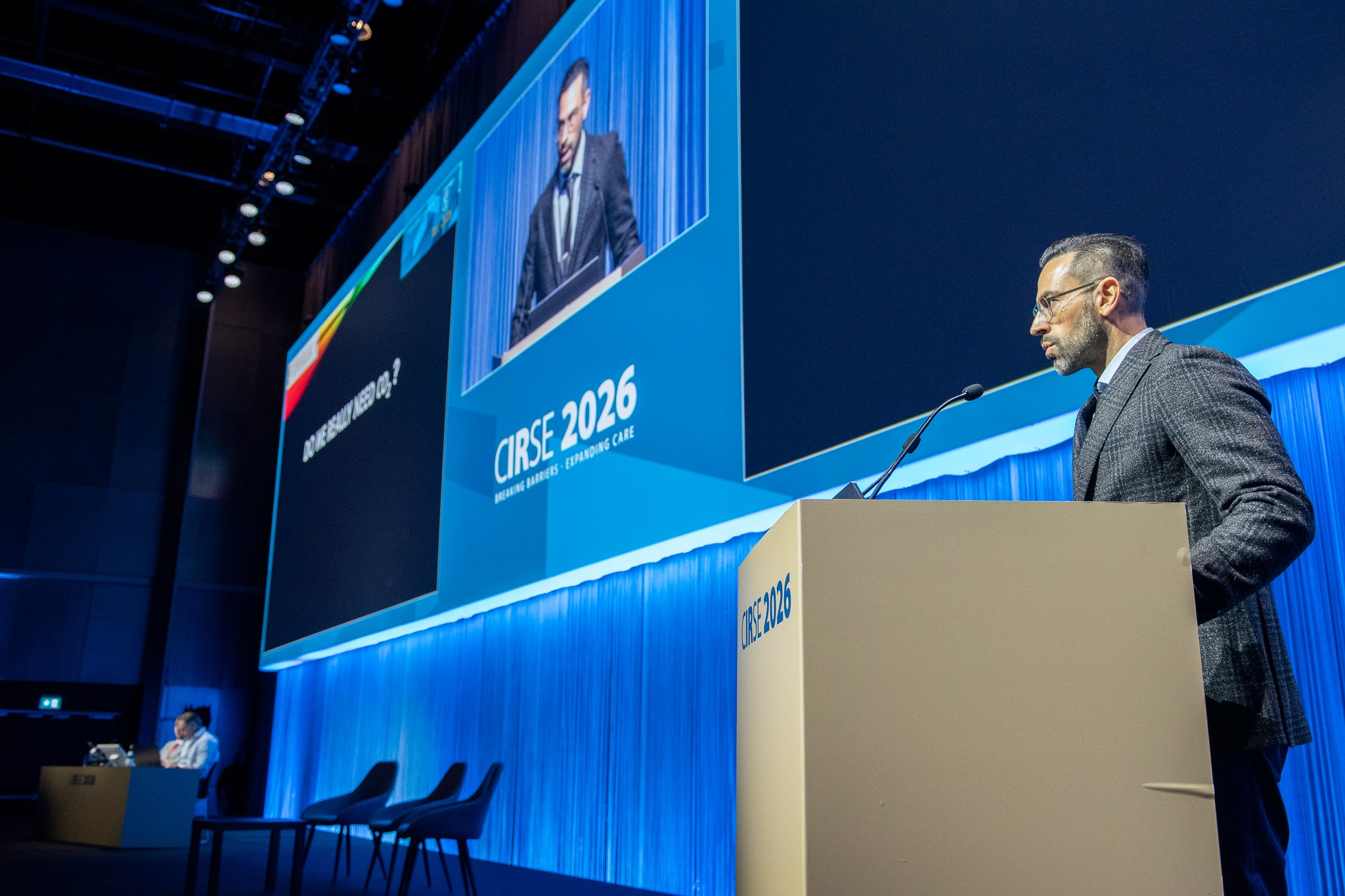
Dr. Stavros Grigoriadis (Chaidari/GR) presented the ULTRA-LOW study, a prospective, two-centre observational study investigating whether peripheral endovascular procedures can be performed safely using very small amounts of iodinated contrast in patients with chronic limb-threatening ischaemia (CLTI) and renal impairment. Eighteen patients undergoing infrainguinal revascularization were included, with the study achieving 100% procedural success while substantially limiting contrast exposure. The findings suggest that an ultra-low-dose contrast protocol could offer a valuable option for this particularly vulnerable patient group. The full study has also been published open access in CVIR Endovascular.

Watch the lecture here

INJECTABL-II: combining tumour ablation with a novel immunoadjuvant

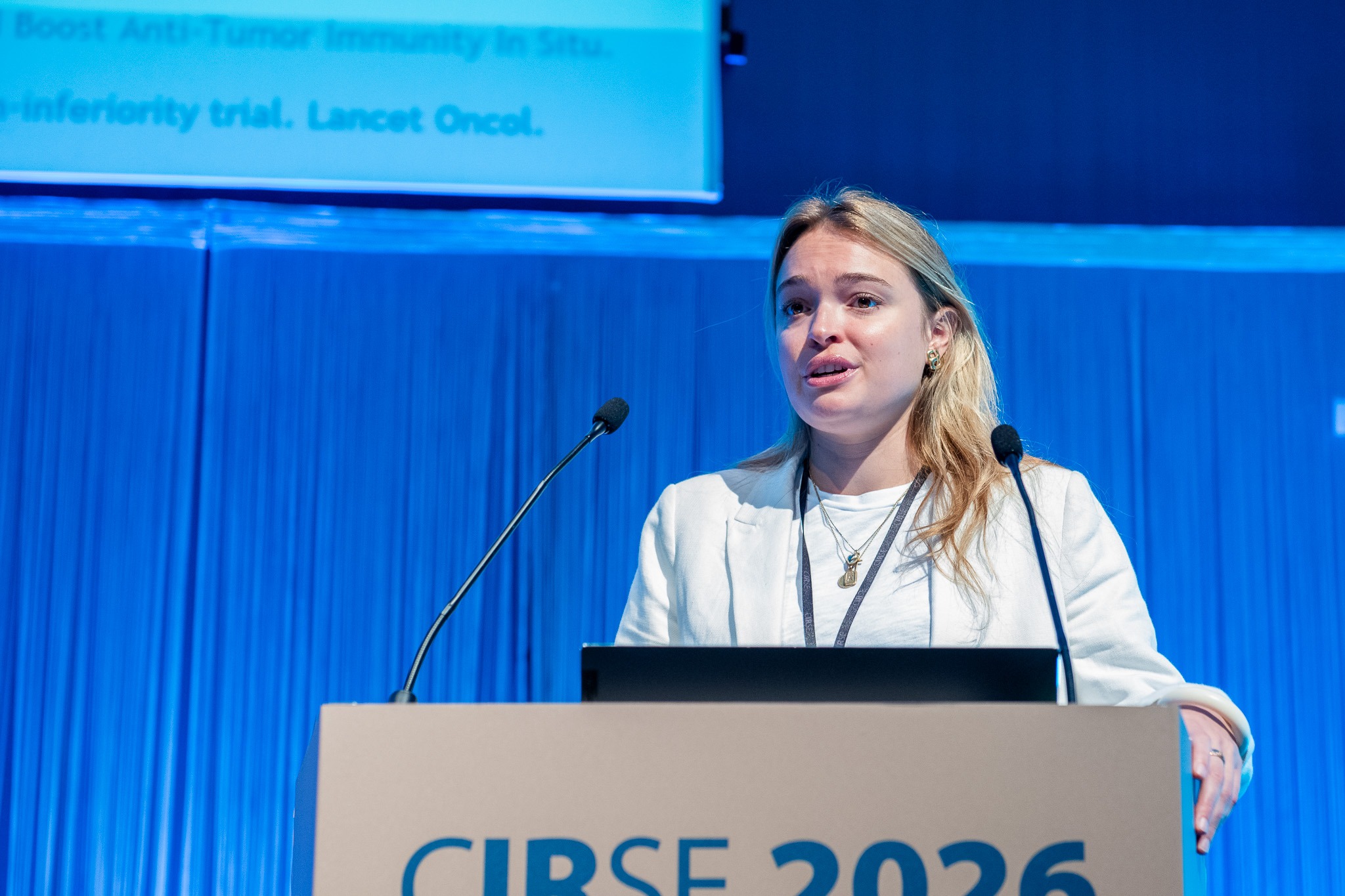
Dr. Alice van den Broek (Amsterdam/NL) presented phase 1 findings from INJECTABL-II, an open-label, multicentre phase I/II trial investigating the addition of the novel immunoadjuvant IP-001 following microwave ablation or irreversible electroporation of colorectal liver metastases. The dose-escalation phase focused on identifying the maximum tolerated dose based on dose-limiting toxicities, while also exploring efficacy and the immunological response generated by the treatment. With phase one completed and phase two underway, the trial is exploring whether combining local tumour ablation with immune stimulation could further enhance the effects of interventional oncology treatment.

Watch the lecture here