
Programme | Chairperson | Faculty | Venue | Registration | Accommodation

October 23-24 | Cairo, EG
October 23-24 | Cairo, EG
October 23-24 | Cairo, EG
October 23-24 | Cairo, EG
October 23-24 | Cairo, EG
Prostatic artery embolization, Cairo/EG, October 23-24, 2027
Since the introduction of prostatic artery embolization (PAE), many observational studies and randomized controlled trials have demonstrated the safety and efficacy of PAE in treating lower urinary tract symptoms (LUTS), with outcomes similar to surgery. Although functional measures such as flow rate and reduction of prostate volume may be superior with surgery in comparison with PAE, clinical improvement is similar between the two techniques. Furthermore, the higher safety profile and shorter recovery favour PAE over surgery. All these factors make PAE an appealing treatment option for patients who are unable to tolerate or are refractory to medical therapy for bothersome LUTS and patients who want to preserve sexual function.
Attendees taking part in this ESIR course on PAE, organized by Dr. Karim Abd El Tawab and held in Cairo, Egypt, will learn about the fundamentals and techniques of prostatic artery embolization. This will be followed by an overview of the current status of PAE treatment, including patient selection, pre-procedural care and planning, equipment selection, types of embolic agents used, and post-procedure care. The theoretical part of the course will be complemented by interactive video cases moderated by expert panellists. These video cases will be used to show teaching points, including complex anatomy, embolization techniques, and how to avoid complications.
A large part of the course will be dedicated to hands-on experience with catheters, wires, and embolic agents currently available on the market. Attendees will have an excellent opportunity to practice and learn how to use glue, the new embolic agent, in PAE. These training sessions will run parallel to several sessions in the scientific programme. Ample time for questions will be given, and participants are encouraged to bring cases for discussion.
Who should attend?
This course is designed for interventional radiologists who have completed their radiology training and are interested in fine-tuning their practical skills and learning more about the current treatment options for routine as well as technically challenging cases.
To further multidisciplinary team building, a urologist may attend this course together with an interventional radiologist from the same hospital under the registration type “Team fee”.
Programme
Saturday, October 23, 2027
09:00 – 09:45 Registration
09:00 – 10:00 Opening and introductory remarks to the course
10:00 – 10:45 Introduction to BPH and LUTS
Overview on LUTS and BPH
Medical Management of LUTS/BPH
Urology Invasive options (Surgical and Minimally invasive) for BPH/LUTS treatment
10:45 – 11:15 Coffee break
11:15 – 13:00 Introduction to PAE – What you need to know before you start
Patient selection: inclusion/exclusion criteria
Prognostic factors for success
Preprocedure imaging and lab tests
Room setup and machine usage: CBCT/advanced embolization guides
Tools: base catheters, microcatheters, and microwires
Embolics: particles (preparation, how to use, evidence)
Embolics: liquids (preparation, how to use, evidence)
13:00 – 14:00 Hands-on workshop I
Anatomy of the prostatic artery in depth practical tips
14:00 – 15:30 Lunch
15:30 – 16:30 Hands-on workshop II
Tips and tricks on angiography tools
16:30 – 17:00 Q&A
Sunday, October 24, 2027
09:00 – 10:15 Technique of PAE
Femoral vs radial puncture
How to navigate prostatic arteries
PAE in special cases
Dealing with anastomosis
Embolization end points
10:15 – 10:45 Coffee break
10:45 – 12:00 Post-procedure management
Post procedure care and follow up
Complications/worst case scenarios and how to deal with them
Level of Evidence: Where do we stand in 2027
How to promote PAE (open discussion)
12:00 – 13:00 Lunch
13:00 – 14:00 Interactive video cases
14:00 – 14:30 Final discussion and quiz
Course chairperson
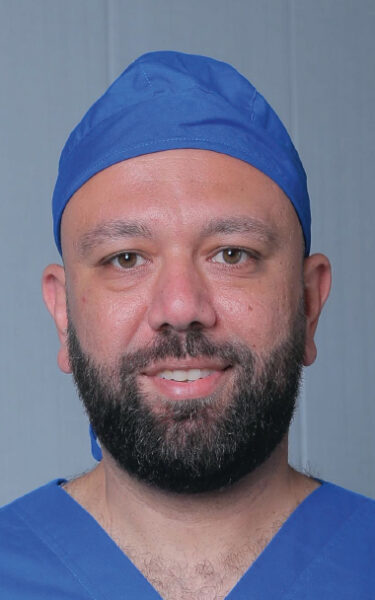
Karim Abd El Tawab
(Cairo/EG)
Faculty
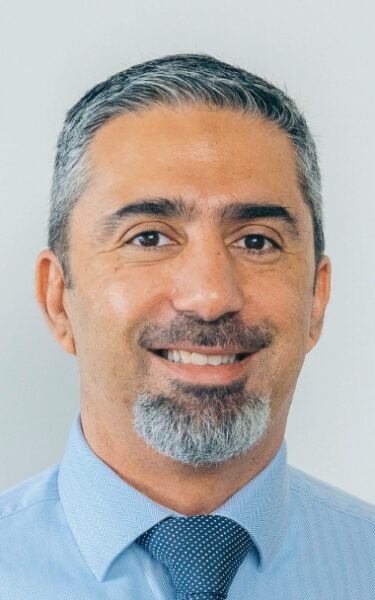
Zaid Aldin
(Harlow/GB)
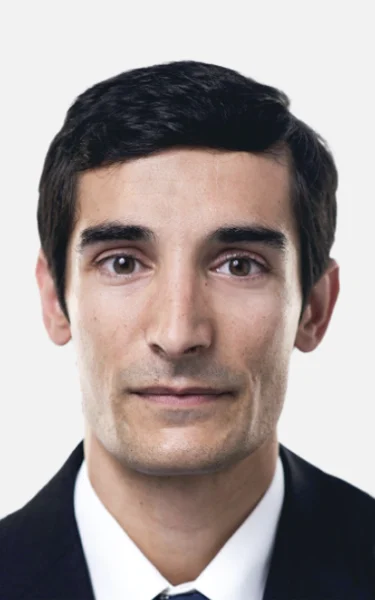
Tiago Bilhim
(Lisbon/PT)
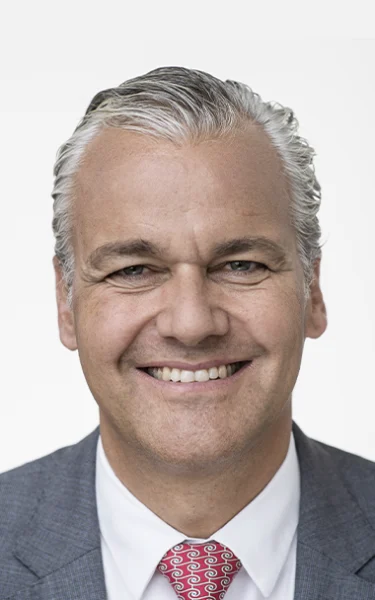
Christoph Binkert
(Zürich/CH)

Rana Khafagy
(Cairo/EG)
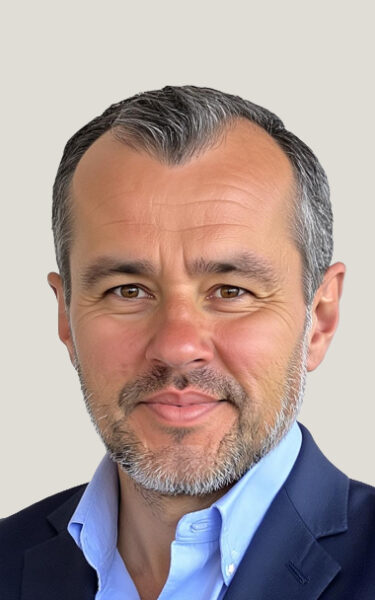
Attila Kovács
(Bonn/DE)

Romaric Loffroy
(Dijon/FR)
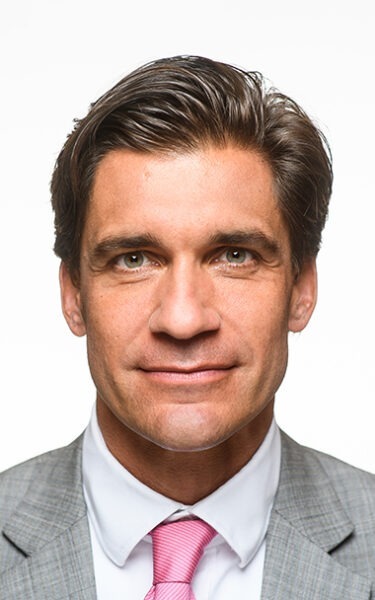
Florian Wolf
(Vienna/AT)
Venue
E.spaces Training Centers
New Cairo
Egypt
Registration
This course is designed for interventional radiologists who have completed their radiology training and are interested in fine-tuning their practical skills and learning more about the current treatment options for routine as well as technically challenging cases. To further multidisciplinary team building, a urologist may attend this course together with an interventional radiologist from the same hospital under the registration type “Team fee”.
The registration fees are as follows:
| Early fee (until August 28, 2027) | Regular fee (as of August 29, 2027) |
|||
|---|---|---|---|---|
| Course registration (CIRSE member*) | € 630 | € 760 | ||
| Course registration (CIRSE member*) - team** | € 900 | € 1100 | ||
| Course registration | € 730 | € 960 | ||
| Course registration – team** | € 1200 | € 1500 | ||
To attend the ESIR courses as a member, CIRSE membership fee for the year of the course must be settled.
Interventional radiologists attending the course may bring with them a urology colleague from the same hospital with whom they work together in a multidisciplinary team. These two physicians will then be able to attend the ESIR course under the “team fee”. A copy of a medical license/certificate listing the urology specialty of the teammate will be required and need to be uploaded. If you have any questions, please contact [email protected].
These fees include:
- Course attendance
- Teaching material for the course
- Coffee breaks and lunch on both days
General information
- Please note that this course is limited to 30 participants and registrations will be accepted on a first-come, first-served basis.
- Please note that your registration becomes valid only after receipt of payment and after confirmation by the CIRSE Central Office.
- When making your flight bookings, please make sure that you will be able to stay for the entire course.
Invoices will be issued by the CIRSE Foundation, Neutorgasse 9, 1010 Vienna, Austria.
CIRSE Foundation
Neutorgasse 9
1010 Vienna
Austria
Phone: 0043 1 904 2003
Fax: 0043 1 904 2003 30
Email: [email protected]
Cancellation of course registration
The CIRSE Foundation offers all participants the possibility of purchasing insurance with our partner “Europäische Reiseversicherung” via this link. Thus, the CIRSE Foundation itself will not refund any amount after a cancellation of registration. All requests have to be issued to the “Europäische Reiseversicherung” directly. Refunds will be given within the terms and conditions of the “Europäische Reiseversicherung”. Name changes will be handled as a cancellation and new registration. Please note that CIRSE offers just a platform to affect a policy between you and “Europäische Reiseversicherung”.
Accommodation
Suggestions for accommodation are coming soon!