Cardiovascular and Interventional Radiological Society of Europe
CIRSE insider - NEW - animated
PublicationsCIRSE InsiderRedefining landscapes, reaching new horizons: honorary lectures at CIRSE 2026

Redefining landscapes, reaching new horizons: honorary lectures at CIRSE 2026

September 24, 2026

CIRSE 2026’s honorary lectures looked beyond the traditional boundaries of IR, from building services where they do not yet exist to establishing a stronger role in pain management. Prof. Vincent Vidal, the Andreas Gruentzig Lecturer, and Prof. Dimitrios Filippiadis, the Josef Roesch Lecturer, reflected on these ideas.


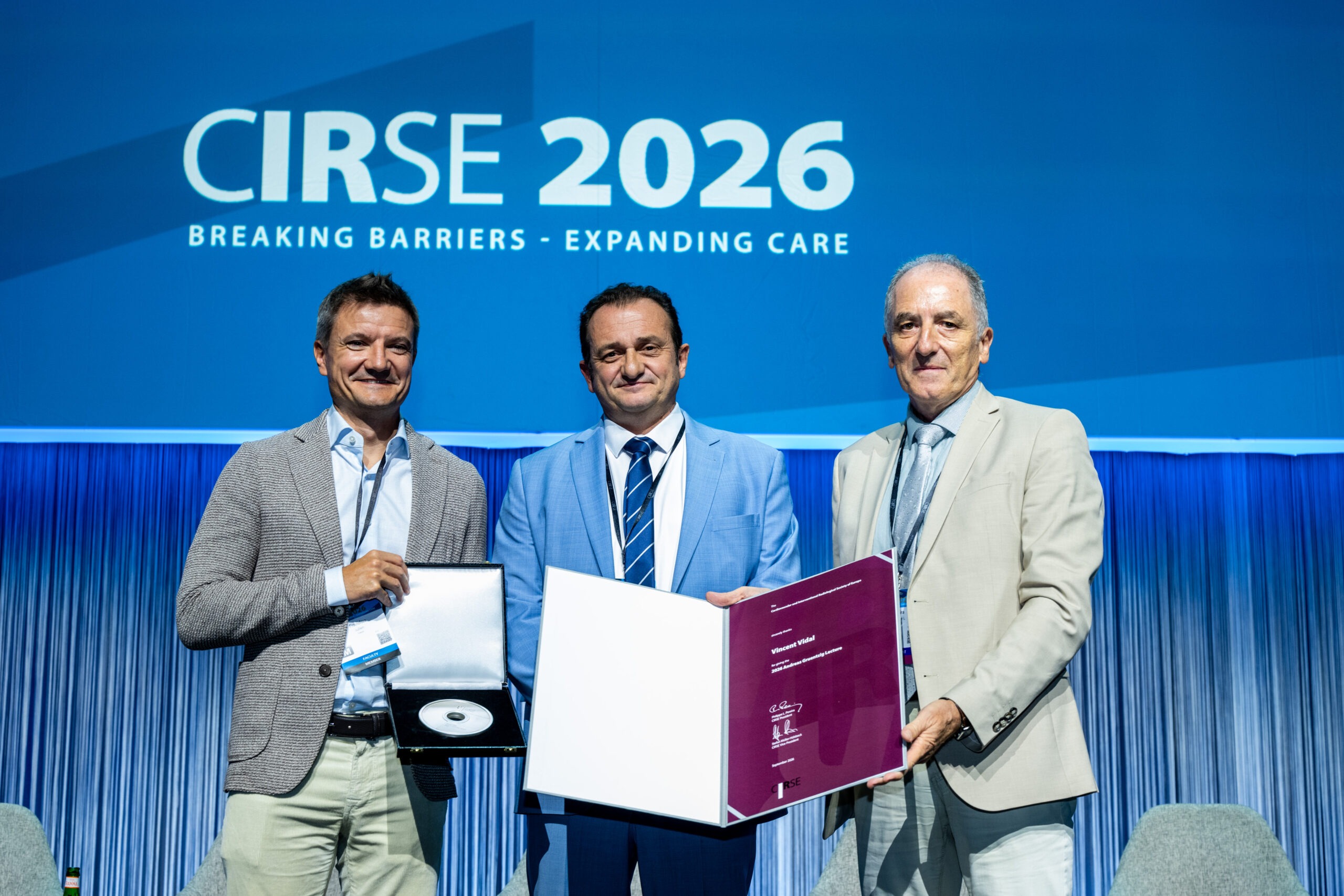
Prof. Vincent Vidal delivered the Andreas Gruentzig Lecture at CIRSE 2026
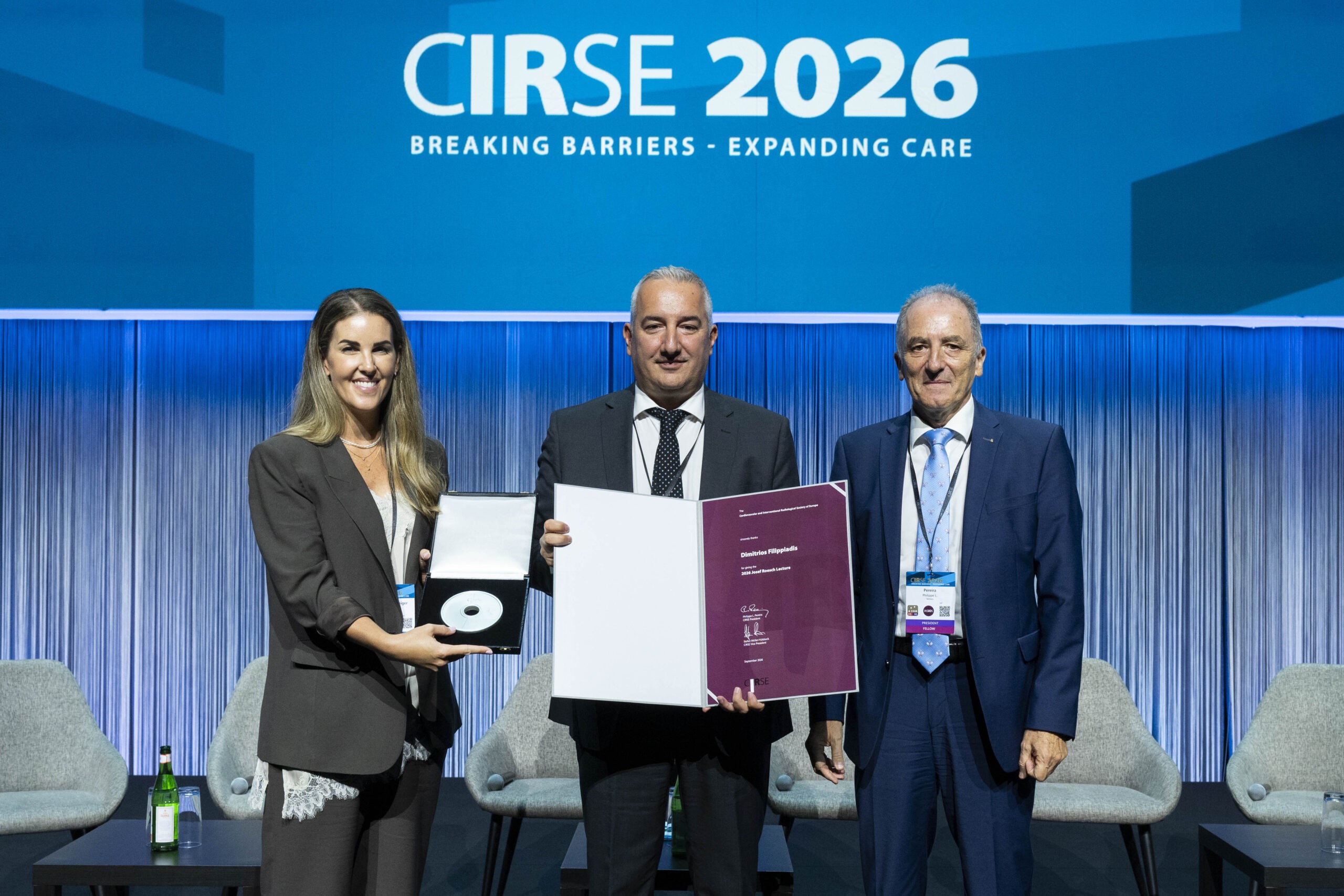
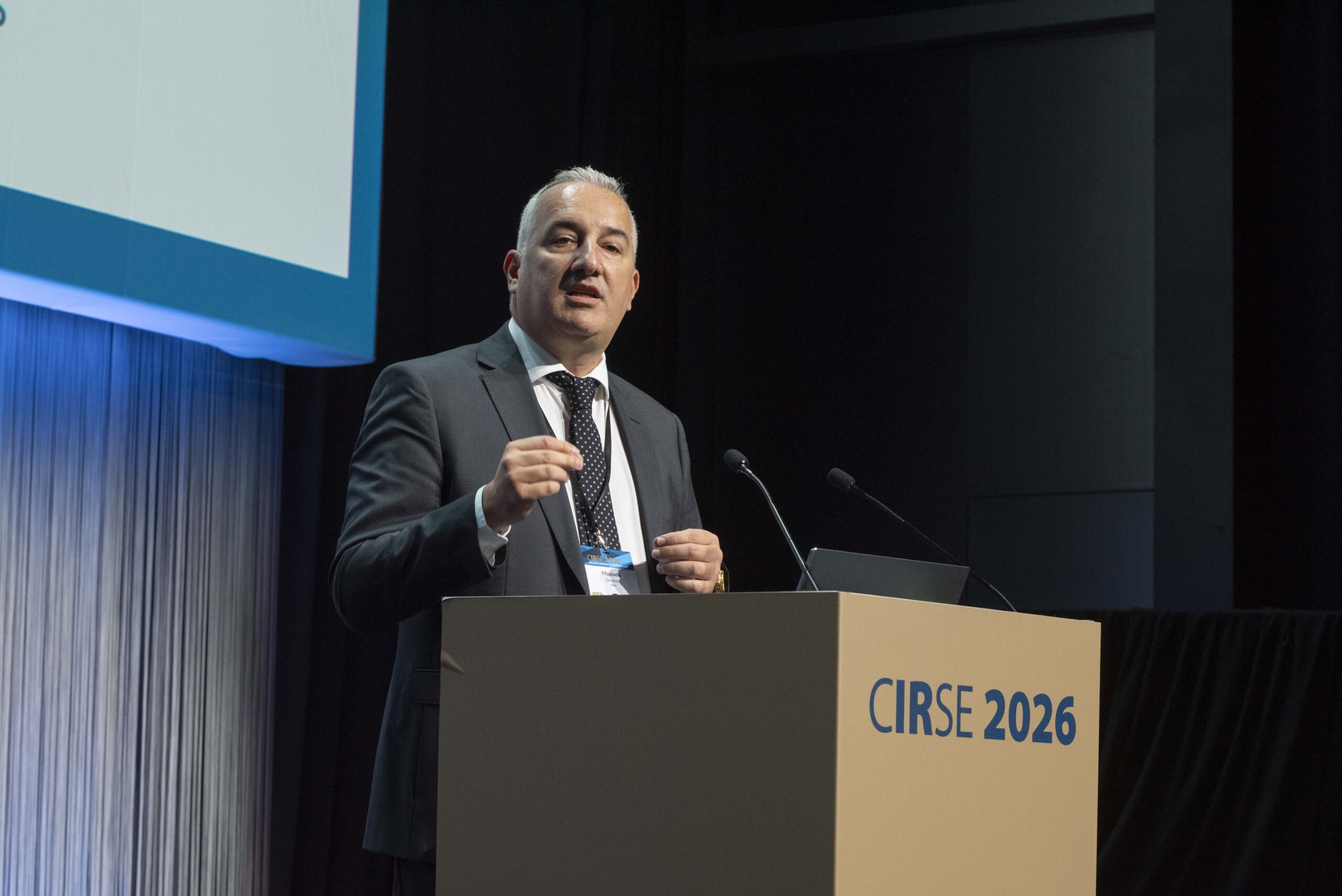
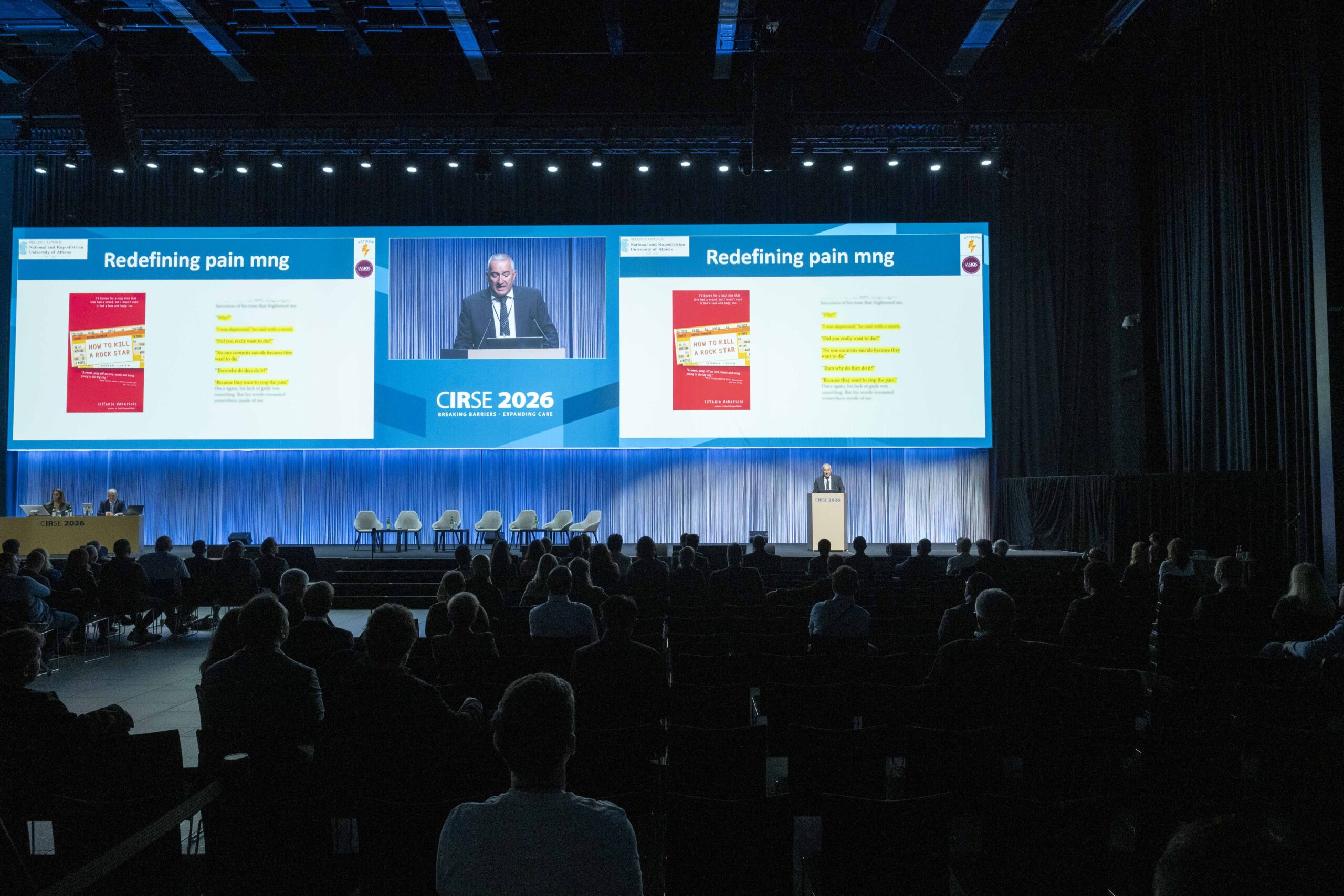
Prof. Dimitrios Filippiadis delivered the Josef Roesch Lecture at CIRSE 2026

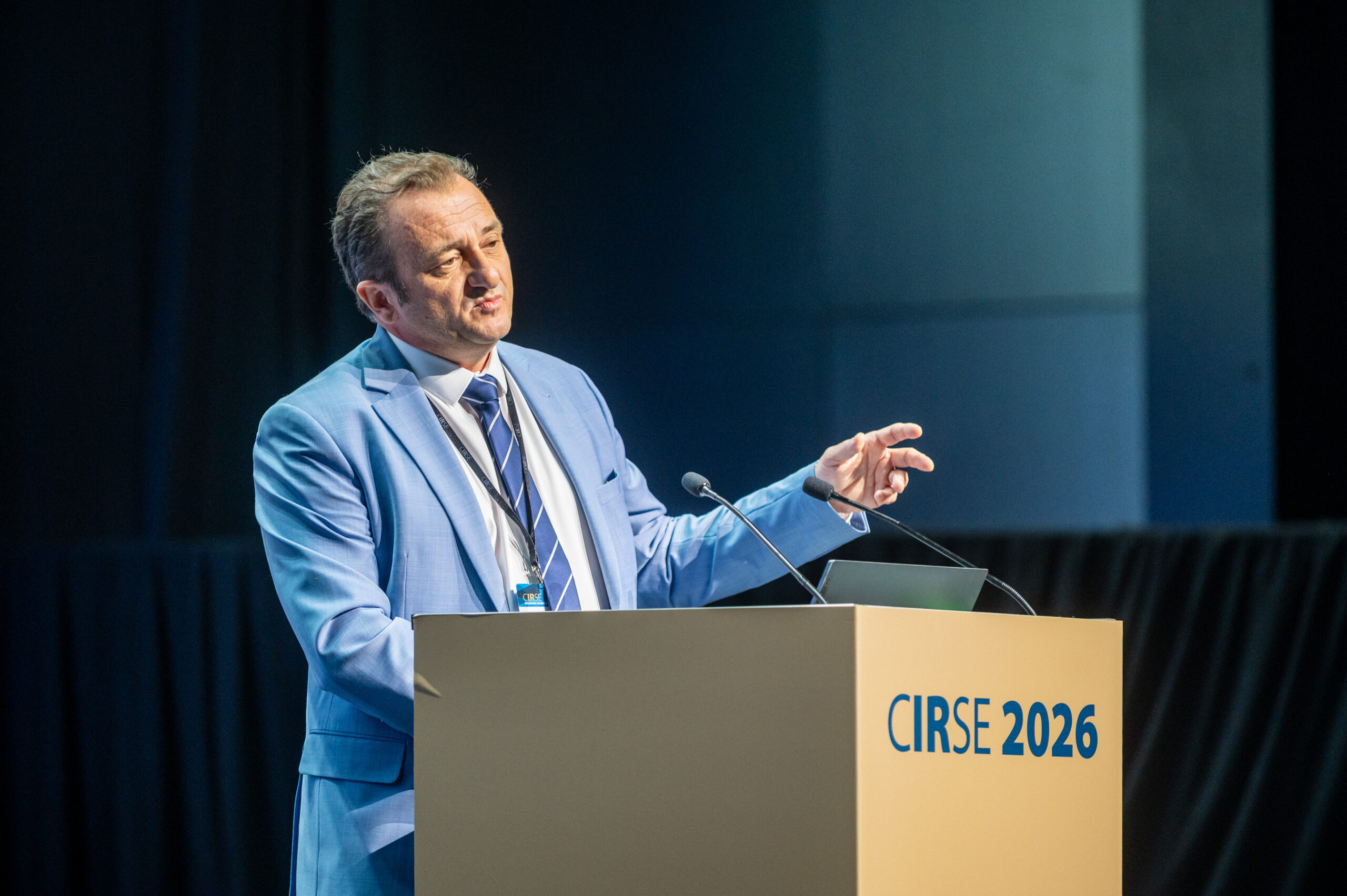
Andreas Gruentzig Lecturer 2026 | Prof. Vincent Vidal

Prof. Vidal, what inspired you to choose the topic of your Andreas Gruentzig Lecture, “From emerging countries to space missions: building interventional radiology where it does not yet exist”?

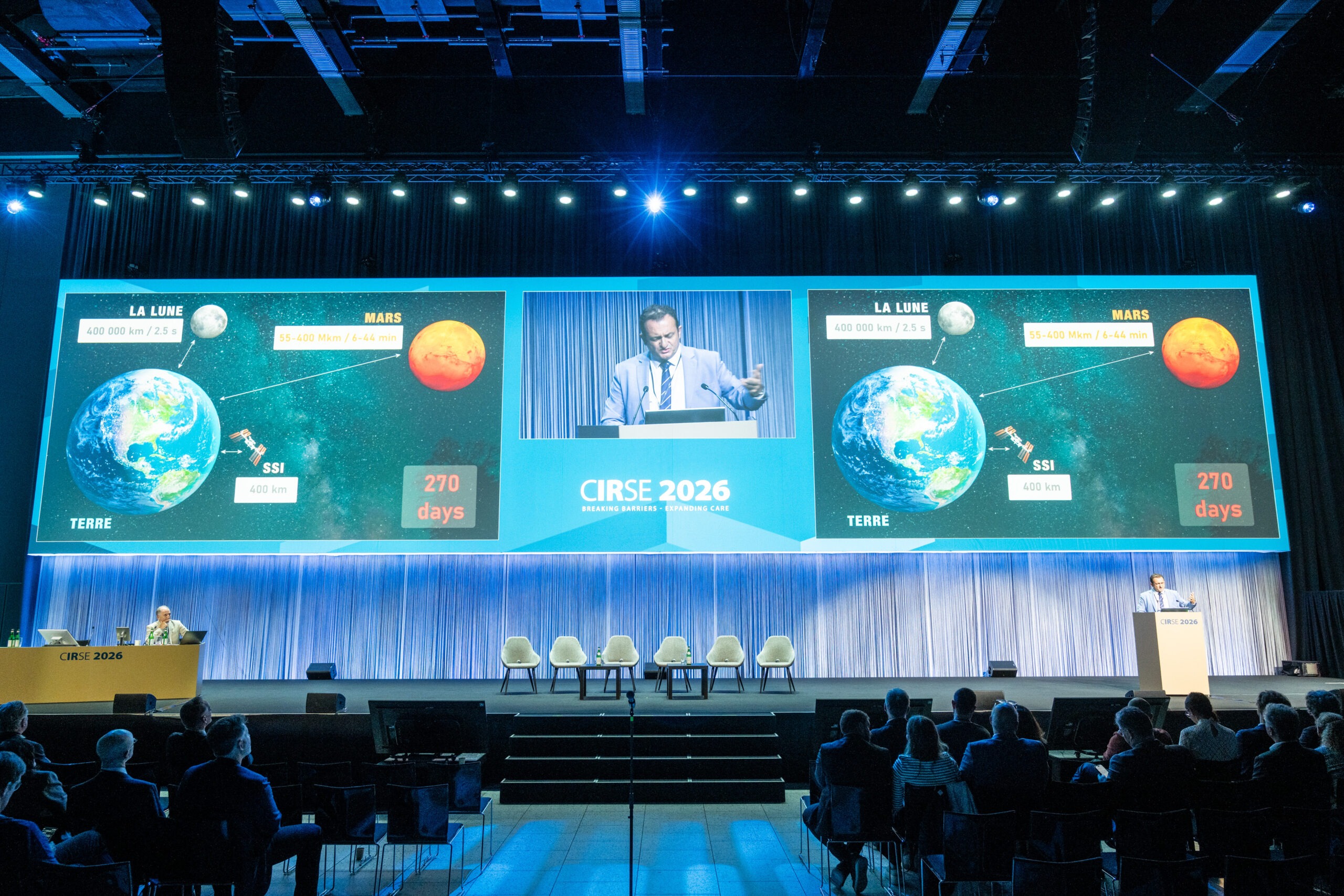
Vidal: The topic chose itself, in a sense. For several years now, I have been working on two challenges that initially seemed separate: bringing IR to places on Earth where it does not yet exist and imagining how IR could function in the extreme conditions of space. What struck me was the realization that these are not two parallel stories; they are the same question asked at different scales. How much can a procedure be stripped down, in terms of equipment, supply chain, and operator expertise, and still remain safe and effective? When I was invited to give the Gruentzig Lecture, I felt that this convergence from emerging countries to space was exactly the kind of horizon-setting reflection that an eponymous lecture calls for. Andreas Gruentzig was a pioneer who built something where nothing existed before. That spirit is precisely what we need to carry forward.

You spoke about your work training astronauts and analogue astronauts and even tested a ureteral drainage for renal colic during a microgravity flight yourself. What was that experience like? What did it teach you about adapting IR techniques for space?

Vidal: It was humbling and exhilarating in equal measure. We were aboard the Air Zero G plane, the former Airbus A310 with thirty parabolas, each giving us about thirty seconds of weightlessness to work in. The preparation sounds clinical on paper, but in reality, it is visceral: you feel the 2G during the ascent, then suddenly everything becomes weightless, and you have to work immediately and methodically within that window.

What it taught us above all was the four-hands rule: since you cannot fix your tools in place, every instrument has to be handed, held, and passed. Nothing can be set down. The other critical lesson was fluid management. In space, a single drop of urine escaping into the cabin could short-circuit electrical systems and endanger the entire mission. That forces a level of precision in every gesture. We showed that the procedure (both the Seldinger technique and direct trocar approach) is feasible in weightlessness, but it demands some rethinking of the choreography. That rethinking, I believe, will ultimately make us better operators on Earth as well.

You referenced John F. Kennedy’s famous words on space exploration. Why do you think it is important for medicine, and IR in particular, to look beyond challenges on Earth and anticipate what will be needed in space?

Vidal: Kennedy’s answer still holds: “We choose to go to the Moon to organize all our best energies and our techniques.” Space is not a distraction from earthly problems; it is a forcing function that concentrates our ingenuity. When every gram must be justified, when you cannot call an expert, when there is no resupply, you are forced to design solutions that are simple, robust, and operator independent. That discipline has always produced results that benefit life on Earth. Memory foam was designed to protect pilots under high G-forces; it is now in your mattress. CMOS sensors were miniaturized for interplanetary probes; they are now the cameras in every smartphone. Scratch-resistant lenses were developed for astronaut visors; they are now on virtually every pair of glasses. The same transfer will happen in medicine, and IR, precisely because it is minimally invasive, image-guided, and adaptable, is positioned to lead it.


A striking story in your lecture was about the creation of an agar-based simulator phantom. What role do education, training, and capacity building play in expanding access to IR? How can CIRSE and its community help foster IR in areas where it is not yet readily available?

Vidal: We demonstrated in a randomized controlled study that residents trained on an agar-agar simulator costing one or two euros achieved the same learning curve and the same self-confidence at their first real procedure as those trained on phantoms costing several thousand euros. The recipe is genuinely simple: agar-agar base, wooden pieces for the rib structures, and some patience. “Real cooking”, as I say to my residents. We have now deployed this model in Yaoundé, Cameroon, and the results are consistent.

This matters because a solution that removes the device barrier without removing the training barrier has only moved the obstacle, not eliminated it. FairEmbo, our platform using surgical suture thread as an embolic agent, works precisely because it decouples the procedure from a fragile import supply chain. But for it to work sustainably, there must be trained operators who understand the principles and can transmit them locally.

CIRSE’s launch of the Access to Care Initiative, under the impetus of Philippe Pereira, is exactly the kind of institutional commitment this effort needs. Together with Road to IR, which has already trained more than thirty physicians in East Africa, and FairEmbo’s missions across Francophone Africa, we now have a genuine ecosystem. We will meet in October in Tanzania to align these three initiatives and build on what each has learned.

Are there any exciting projects on the horizon that you’re involved in?

Vidal: On the space side, we are still in the selection process for the VAST Haven-1 mission. If selected, our drainage experiment could fly with a French astronaut. That would be a remarkable milestone. The next phase of our work with Interventional Radiology in Space (IRIS) involves digital twins and image fusion: the idea is to create pre-procedural planning tools so precise that a non-physician astronaut can navigate the gestures step by step, with the path already mapped out before the first needle is placed.

On the terrestrial side, one of our priorities is to support the Society of African Interventional Radiology (SAFIRE) in becoming a powerful and international institution. SAFIRE has enormous potential to become the backbone of IR development across the continent, including in remote and underserved territories such as Central Africa, where maternal mortality and access to emergency care remain critical challenges. Strengthening SAFIRE means not only supporting its scientific activities but also helping it build the training infrastructure, the institutional partnerships, and the political visibility it needs to drive change. Together at the October meeting in Tanzania, Road2IR, FairEmbo, and Access to Care can align their efforts and move toward a coordinated architecture for IR access across the African continent and beyond.


Josef Roesch Lecturer 2026 | Prof. Dimitrios Filippiadis

Prof. Filippiadis, what inspired you to choose the topic of your Josef Roesch Lecture, “Redefining the landscape of pain management: interventional radiology as a strategic clinical leader”?

Filippiadis: Chronic pain is a major and growing global health challenge that is often inadequately treated with systemic medications. I strongly believe that image-guided pain management is one of the most important growth areas in IR and offers an opportunity to show how these minimally invasive therapies can transform patient care. The CIRSE-established European Conference on Image-guided Pain Management (ECIP) provides a unique platform to define and advance this rapidly evolving field. I currently serve as ECIP 2027 Deputy Chairperson, with the aim of contributing to educational excellence, promoting high-quality clinical practice, and supporting the development of image-guided pain management as an integral component of modern patient-centered care. This is an area in which IR has a genuine opportunity to shape the future of pain management and make a meaningful difference to patients.

You opened your lecture with the case of a patient whose treatment allowed them to live nearly pain-free towards the end of their life. What did that case teach you about the impact IR can have on patients living with pain?

Filippiadis: Persistent pain, no matter whether it is benign or malignant in substrate, affects mobility, sleep, independence, psychological well-being, social participation, and overall quality of life. For many patients, the meaningful outcome is not simply “less pain,” but being able to walk, sleep, participate in rehabilitation, reduce reliance on medication, or return to everyday activities. Earlier identification of patients who may benefit from an image-guided intervention could potentially prevent prolonged suffering, functional deterioration, and escalating medication requirements.

The true impact of image-guided pain interventions extends beyond pain reduction: it lies in restoring function, improving quality of life, reducing treatment burden, and helping patients regain control over their daily lives. Rather than being called upon only when conventional treatments fail, IRs can contribute to multidisciplinary assessment, diagnosis, treatment selection, follow-up, and long-term patient-centered care.

You described IR as ideally suited to play a greater role in pain management. Why do you think this potential is still not fully recognized, both within IR and among colleagues in other specialties?

Filippiadis: I think the under-recognition is multifactorial. First and foremost, other disciplines cannot refer a patient for an intervention they do not know exists. Many colleagues may be familiar with IR for bleeding, obstruction, vascular disease, or cancer treatment but may not associate us with comprehensive pain management. Furthermore, some other specialties have established ownership of different aspects of pain management. IR has often entered the field through specific procedures rather than through a clearly defined clinical role. Nerve blocks and neurolysis, vertebral and bone augmentation, tumor ablation, joint interventions, among others, may appear to be unrelated techniques. Collectively, however, they represent a substantial image-guided therapeutic toolbox for pain.

Perhaps the most important issue is communication. We need to move from “this is the procedure we can perform” to “this is the patient problem we can help solve.” I would therefore frame the challenge not simply as increasing the number of pain procedures performed, but as establishing a patient-centred clinical identity for image-guided pain management. That also provides a strong rationale for ECIP 2027: creating a platform where IR can bring together technical expertise, clinical evidence, multidisciplinary collaboration, education, and—most importantly—patient-centred outcomes.

The statistics you presented on the personal and societal burden of pain were striking. How can interventional treatments be integrated more effectively into the pain management pathway, particularly when it comes to reducing reliance on opioid therapy?

Filippiadis: Image guidance gives IR a particular advantage in identifying and targeting structural or anatomical sources of pain. Patients should be considered for an intervention when there is a plausible treatable pain generator—not simply after every other treatment has failed. Some patients are referred to IR only after prolonged medication use, functional deterioration, and multiple unsuccessful treatments. Earlier multidisciplinary assessment could identify patients for whom an intervention may be appropriate before chronic opioid exposure becomes established. Interventional treatment should not be positioned as an alternative to comprehensive pain management but as one component of a structured, multidisciplinary pathway—with the potential, in appropriate patients, to reduce the need for systemic analgesics, including opioids.

What advice would you give to IRs facing miscommunication or gatekeeping when trying to establish pain management services? How can multidisciplinary cooperation help overcome these barriers?

Filippiadis: Creating joint clinics or multidisciplinary treatment boards is particularly valuable. A shared discussion allows the team to determine whether the appropriate strategy is medication, physiotherapy, radiation therapy, surgery, an IR intervention, or a combination. Ultimately, multidisciplinary collaboration can transform gatekeeping into co-management. When we encounter barriers, our response should not be to create another silo. It should be to build bridges. The future of interventional pain management is not interventional radiologists working alone; it is IR becoming an integral part of a multidisciplinary pathway in which every specialty contributes its expertise and the patient remains at the centre.