Cardiovascular and Interventional Radiological Society of Europe
CIRSE insider - NEW - animated
PublicationsCIRSE InsiderPeripheral arterial disease in focus at CIRSE 2026 with Prof. Robert Morgan

Peripheral arterial disease in focus at CIRSE 2026 with Prof. Robert Morgan

July 28, 2026

Arterial interventions are a mainstay of interventional radiology and continue to be a highlight topic at the CIRSE Annual Congress. We spoke to Prof. Robert Morgan, Chairperson of the CIRSE Endovascular Subcommittee and member of the CIRSE 2026 Scientific Programme Committee, to discuss the developments shaping peripheral arterial disease (PAD) practice and to get a preview of the newly expanded PAD programme at CIRSE 2026.


Robert Morgan

CIRSE Insider: PAD is one of the core treatment areas in interventional radiology. In your view, how has PAD treatment evolved over the past years?

Morgan: The last 20 years have seen an explosion in the number of technologies and devices available to treat PAD. New developments have included drug-eluting stents (DES), drug-coated balloons (DCB), dedicated peripheral stent grafts, bioresorbable scaffolds (BRS), intravascular lithotripsy (IVL), atherectomy, and other techniques used in vessel preparation.

We have also seen controversy in terms of paclitaxel’s safety and the ongoing research to assess the role of drug-eluting therapies for above- and below-the-knee (BTK) lesions, and in claudication vs. chronic limb-threatening ischaemia (CLTI), as well as an ongoing debate regarding the efficacy of paclitaxel vs. sirolimus.

To keep CIRSE delegates at the forefront of these advances and to provide a comprehensive discussion forum on the field’s hot topic issues, CIRSE’s arterial programme features both technical lectures as well as more interactive session types.

CIRSE Insider: How would you describe the value that IR brings to patients with PAD, particularly compared to other treatment pathways?

Morgan: IRs have an extensive range of endovascular techniques to treat the full panoply of pathologies in lower limb arterial disease. This comprehensive armamentarium allows us to tailor treatment to each patient while delivering the established benefits of minimally invasive care, including shorter hospital stays, reduced complications, and, increasingly, treatment in an outpatient setting. For many patients with PAD, IR offers an effective, more personalized alternative to open surgery.

CIRSE Insider: The recent SWEDEPAD 2 results have generated important discussion on paclitaxel-coated devices. You plan to publish an editorial on this topic in CVIR Endovascular. What are the key takeaways for IRs, and how should these findings be interpreted in daily practice?

Morgan: The authors of the SWEDEPAD 2 trial concluded that there was no clinical benefit to the use of paclitaxel-coated devices (PCDs) in patients with intermittent claudication and highlighted a significant increase in mortality after PCD at five years that reduced to neutral beyond this.

Recent researchers have commented on several flaws of this trial, including the age and length of the trial, the grouping together of PCDs as a single class, whether they were DES or DCBs, and the involvement of a single DCB in almost 50% of the patients, with little prior evidence on efficacy of this specific device in RCTs.


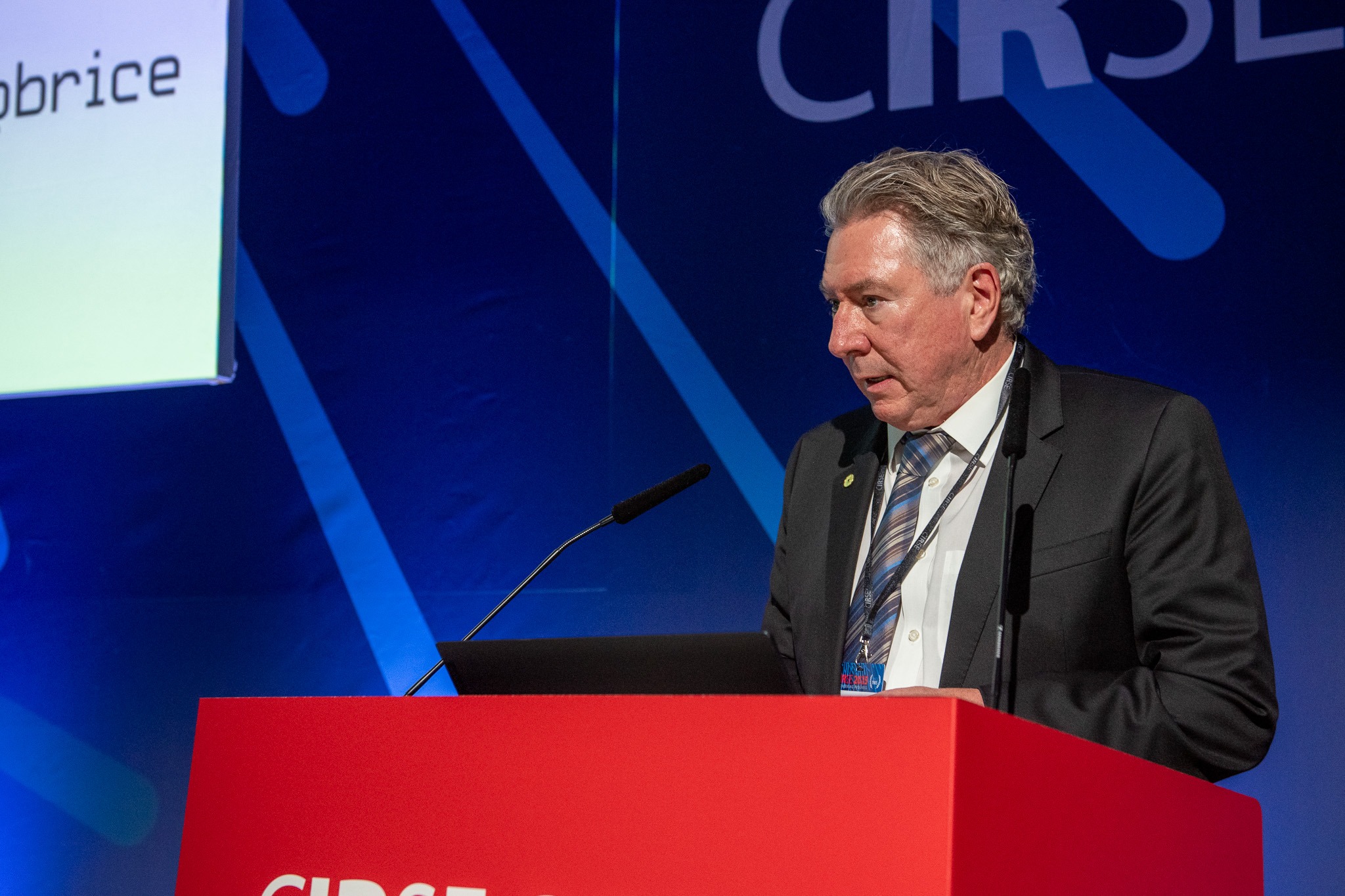
Prof. Morgan presents at CIRSE 2025
Prof. Morgan (standing, second from right) with fellow CIRSE 2026 Scientific Programme Committee members

CIRSE Insider: From your own clinical experience, what developments or challenges in PAD treatment feel most relevant in current practice? What will be the hot topics in the coming years?

Morgan: From my own clinical experience, the increased patency in the femoropopliteal segment using drug-coated devices, in combination with techniques such as IVL and atherectomy, are the major advances in PAD therapies with the most relevance to clinical practice in the last decade.

In the coming years, I would expect research in drug-coated therapies to focus less on mortality associated with one drug and more on which drug is more efficacious than another drug versus no drug use at all. I anticipate further research to define the optimal therapies for femoropopliteal vs. BTK lesions, claudication vs. CLTI, and the optimal use of vessel preparation techniques.

CIRSE Insider: The CIRSE Scientific Programme Committee this year had a particular focus on expanding the PAD programme for CIRSE 2026. What can delegates look forward to?

Morgan: We aimed to substantially further increase the attractiveness of the PAD programme for CIRSE 2026. We added a new session format to the PAD programme entitled “beyond the lecture”, during which delegates will set the learning objectives by submitting questions in advance and will shape the topics of open discussion, moderated by experts.

Controversy sessions, such as the one on bioresorbable scaffolds, involve a combination of talks and a debate, which I believe will be very interesting for attendees. The CIRSE meets ESVM will bring together experts from both societies to discuss key developments and shared priorities in the management of PAD.

I personally think that this will be the best PAD programme the CIRSE Annual Congress has had to date. I hope to see as many of you as possible in Copenhagen and joining the PAD programme!