Cardiovascular and Interventional Radiological Society of Europe
CIRSE insider - NEW - animated
PublicationsCIRSE InsiderNew CIRSE group member – the Taiwan Society of Interventional Radiology

New CIRSE group member – the Taiwan Society of Interventional Radiology

June 3, 2026

The Taiwan Society of Interventional Radiology (TSIR) and CIRSE recently signed a memorandum of understanding for TSIR’s group membership within CIRSE. We spoke with TSIR President Dr. Pi-Yi Chang about the society, IR’s status in Taiwan, and how TSIR advances IR in the region and beyond.


Dr. Pi-Yi Chang

CIRSE Insider: Can you tell us about the history of your society?

Chang: TSIR is only nine years old and is still a young organization. When TSIR was developing, interventional radiology was still less visible to the public and often underrecognized compared with other interventional specialties. However, our dedicated members built the foundation through education, multidisciplinary collaboration, and international exchange.

Now, TSIR has grown from 200 members to over 450. This growth reflects the expanding role of interventional radiology in Taiwan’s healthcare system and its growing recognition among clinicians and younger physicians.

CIRSE Insider: What does the educational path to becoming an interventional radiologist look like in Taiwan?

Chang: Taiwan is unique compared to many other countries because IR physicians do both diagnostic and intervention treatments. TSIR helps educate young physicians as they begin to enter the field of IR. In Taiwan, most interventional radiologists build a strong foundation in diagnostic imaging by first completing their radiology residency training.

After that, they receive further fellowship training in interventional radiology. This allows Taiwanese IR physicians to develop expertise in both diagnostic imaging and intervention, which is a major strength of our practice.

CIRSE Insider: How aware is the general public about interventional radiology? How does TSIR help share information about IR with patients?

Chang: In the past, the general public was not very familiar with interventional radiology. However, over the past three years, through public outreach programs, clinical physicians and the general public have gained a better understanding of IR. TSIR continues to share accurate and accessible information to help patients understand the value of what we do.

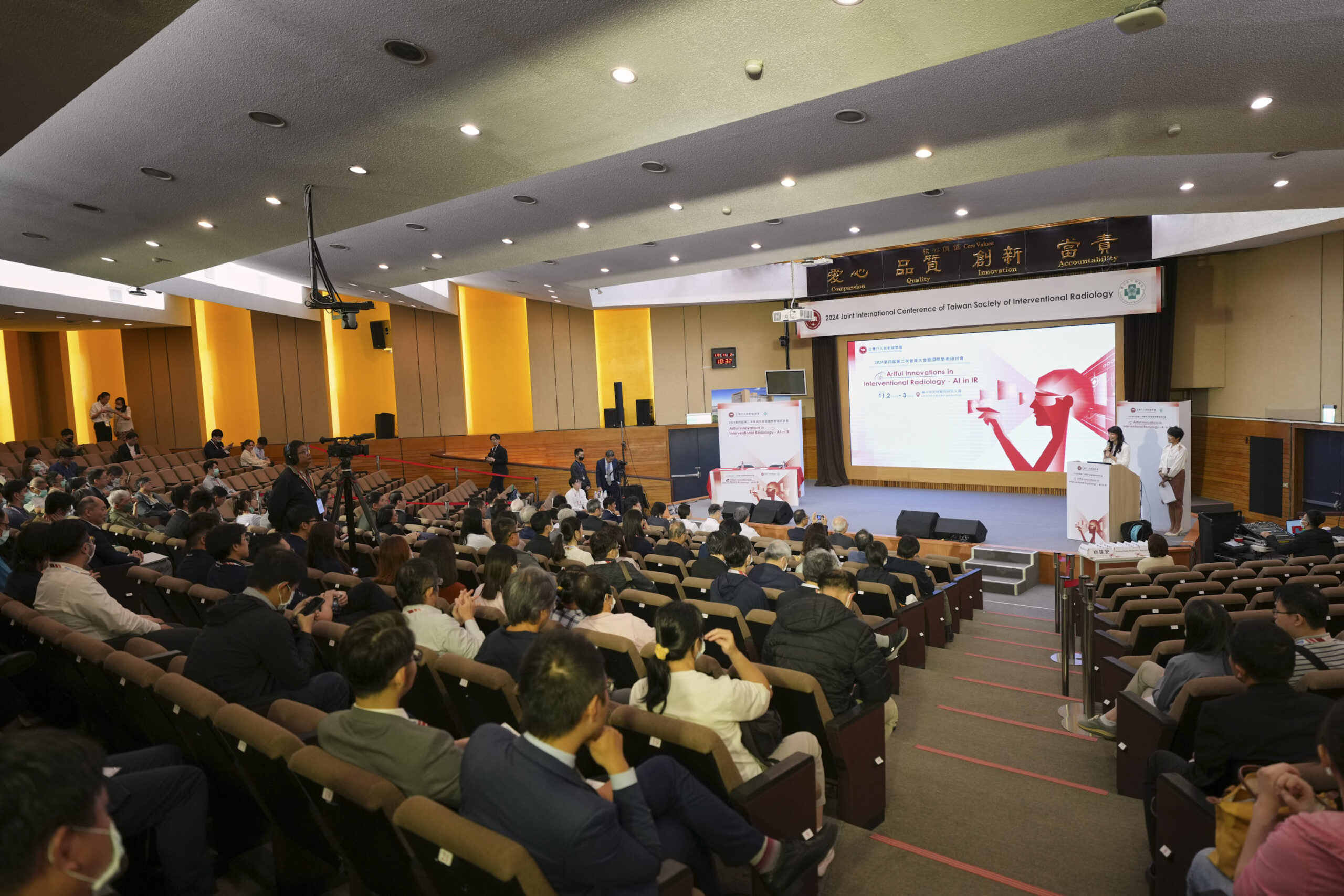
The 2024 Joint International Conference of TSIR

CIRSE Insider: What are challenges that the Taiwanese IR community faces? Conversely, what is something you feel that interventional radiologists do exceptionally well in Taiwan?

Chang: Attracting and developing the next generation is a major challenge. IR requires a unique combination of skills. The training pathway is demanding and relatively long, so encouraging more young physicians to enter the field is one of our top priorities.

There is also AI. While many people see it as a threat to their professions, in IR, it actually offers many opportunities. Also, IR involves hands-on treatment and direct patient interaction, not just interpreting images. So, we do not view it as a threat to our field, but rather as a useful tool.

In terms of what IR in Taiwan does exceptionally well, we do both diagnostics and interventions, which allows us to connect imaging findings directly with personalized treatment strategies.


CIRSE Insider: TSIR holds an annual meeting alongside the Asian Conference on Tumour Ablation. What programme topics and activities does the congress typically offer?

Chang: Last year was particularly memorable because TSIR co-organized the Asian Conference on Tumour Ablation (ACTA 2025) in Taipei, which became one of the most successful meetings in our recent history. The congress brought together experts from different countries to exchange experiences.

Our meetings place equal emphasis on science and hands-on education. We regularly include practical workshops and opportunities for young physicians to interact closely with experienced operators and to shine in their own presentations.

In 2026, we will place special focus on musculoskeletal (MSK) intervention. This is one of the fastest-growing areas in IR. We are also expanding beyond the traditional IR community and actively working with orthopaedics, rehabilitation medicine, and anaesthesiology, because MSK intervention is becoming a multidisciplinary field.

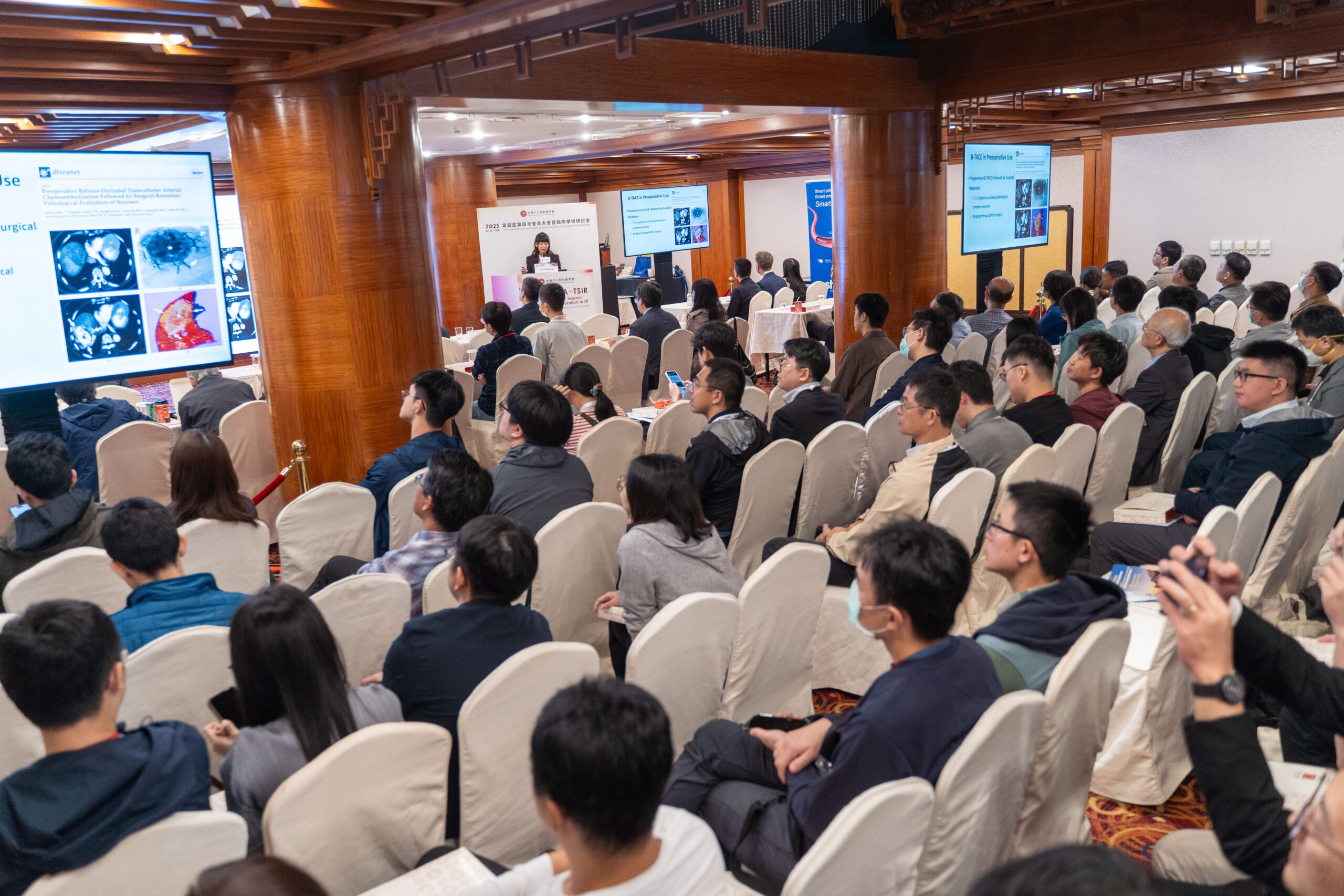
Dr. Chang speaks at ACTA 2025

CIRSE Insider: Why did you decide to become a CIRSE group member this year? What initiatives are you and your members involved in or hope to become involved in in the future?

Chang: I have always been very impressed with the educational opportunities that CIRSE offers, and I’ve encouraged all of the TSIR members to utilize CIRSE’s valuable resources.

Becoming a CIRSE group member this year was an important milestone for us and is part of our long-term commitment to international collaboration and education. We believe that advancing interventional radiology should not happen in isolation. Sharing knowledge across countries helps improve physician development and patient care.

We want greater participation from our members in CIRSE, not only as attendees but also as speakers, moderators, researchers, and future leaders.

CIRSE Insider: Over the next decade, what is TSIR’s vision for IR in Taiwan?

Chang: We want to make Taiwan the leading hub for interventional radiology in Asia. We are conveniently located just a short flight away from most Asian countries, and we have developed relationships with physicians across the region. Taiwan has a unique advantage because of our strong foundation in medical imaging and multidisciplinary clinical practice.  We are also integrating IR with these emerging technologies. Most importantly, we hope to inspire more young physicians to join IR and continue building a vibrant and internationally connected community.

Our vision is simple: from imaging to intervention, and from Taiwan to the world.