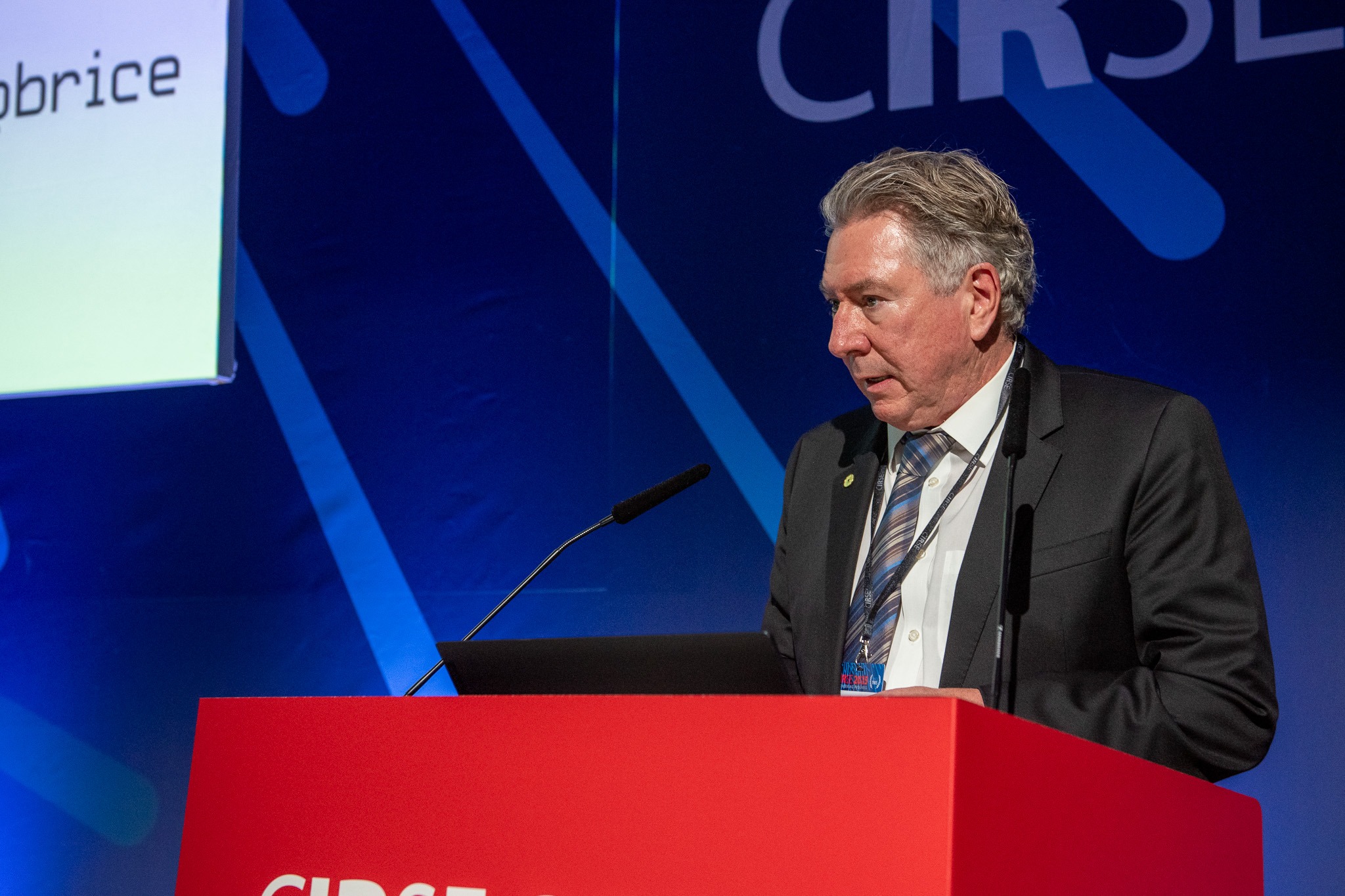
CIRSE Insider: How would you describe the value that IR brings to patients with PAD, particularly compared to other treatment pathways?
Morgan: IRs have an extensive range of endovascular techniques to treat the full panoply of pathologies in lower limb arterial disease. This comprehensive armamentarium allows us to tailor treatment to each patient while delivering the established benefits of minimally invasive care, including shorter hospital stays, reduced complications, and, increasingly, treatment in an outpatient setting. For many patients with PAD, IR offers an effective, more personalized alternative to open surgery.
CIRSE Insider: The recent SWEDEPAD 2 results have generated important discussion on paclitaxel-coated devices. You plan to publish an editorial on this topic in CVIR Endovascular. What are the key takeaways for IRs, and how should these findings be interpreted in daily practice?
Morgan: The authors of the SWEDEPAD 2 trial concluded that there was no clinical benefit to the use of paclitaxel-coated devices (PCDs) in patients with intermittent claudication and highlighted a significant increase in mortality after PCD at five years that reduced to neutral beyond this.
Recent researchers have commented on several flaws of this trial, including the age and length of the trial, the grouping together of PCDs as a single class, whether they were DES or DCBs, and the involvement of a single DCB in almost 50% of the patients, with little prior evidence on efficacy of this specific device in RCTs.