Cardiovascular and Interventional Radiological Society of Europe
CIRSE insider - NEW - animated
PublicationsCIRSE InsiderSeven things to look forward to at CIRSE 2026

Seven things to look forward to at CIRSE 2026

August 7, 2026

CIRSE 2026 will bring the global IR community together in Copenhagen from September 5-9. From interactive session formats and expanded clinical programmes to practical training, new technologies, and networking opportunities, here are seven – of many – things delegates can look forward to.


1. Engaging and interactive discussions with experts

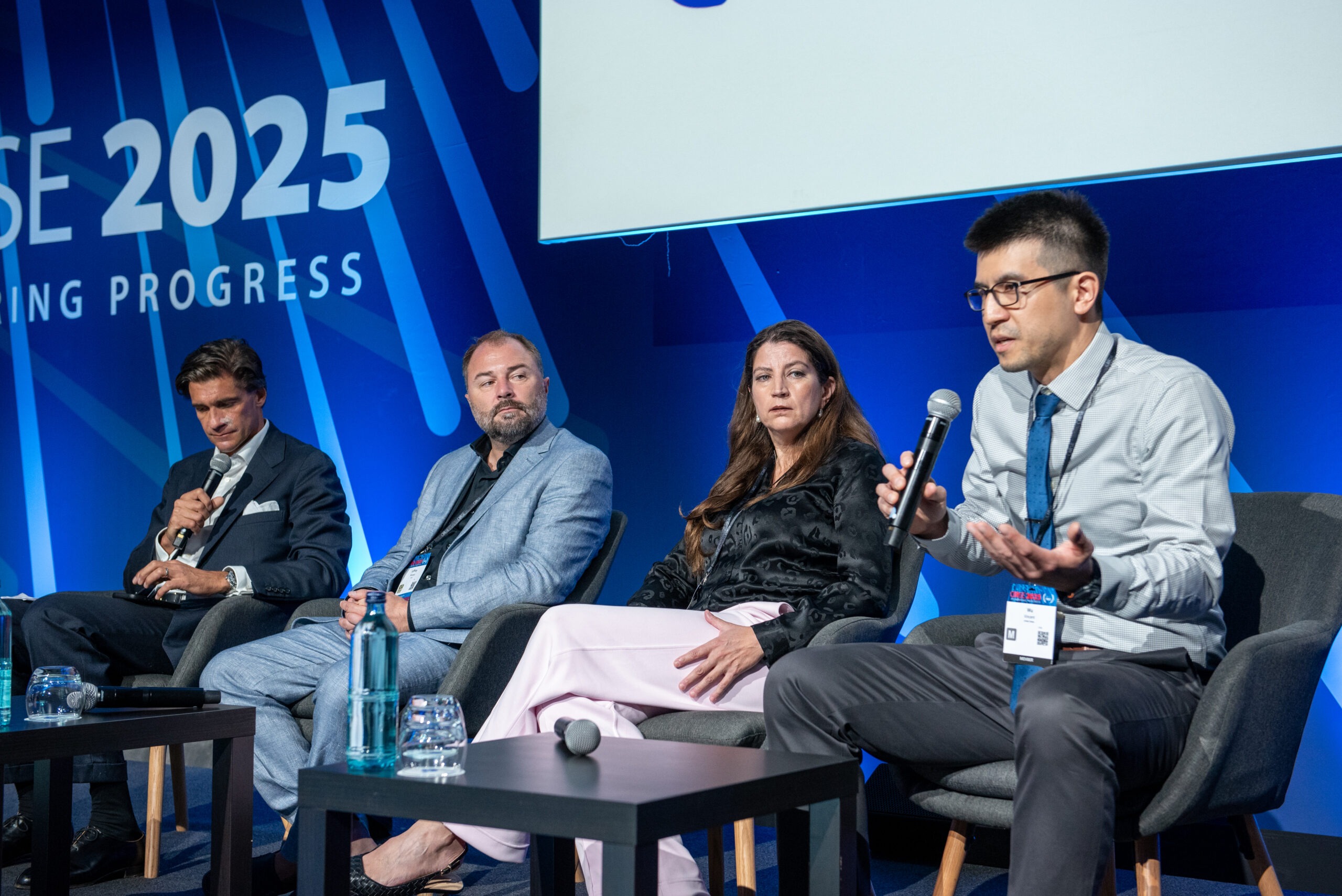
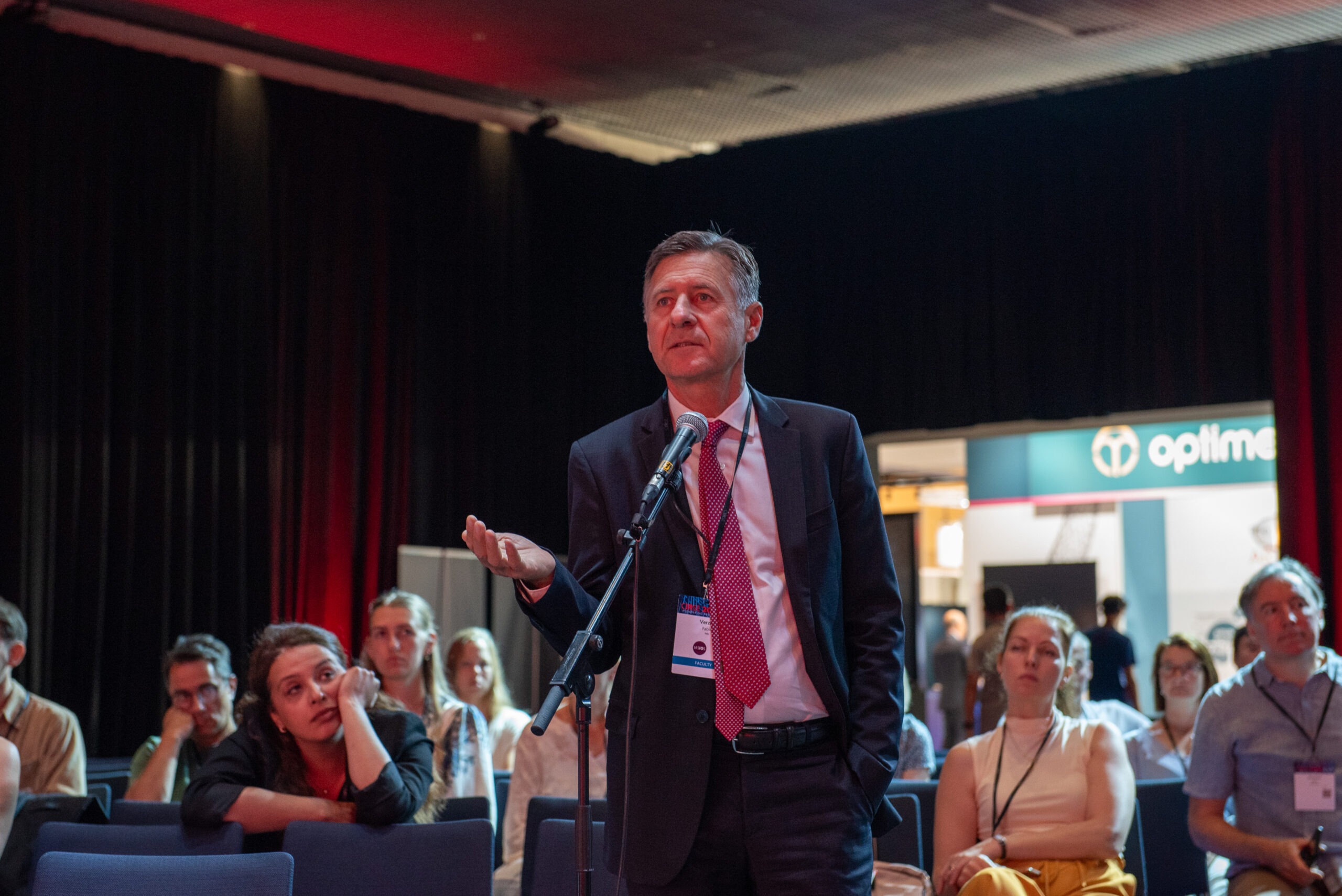
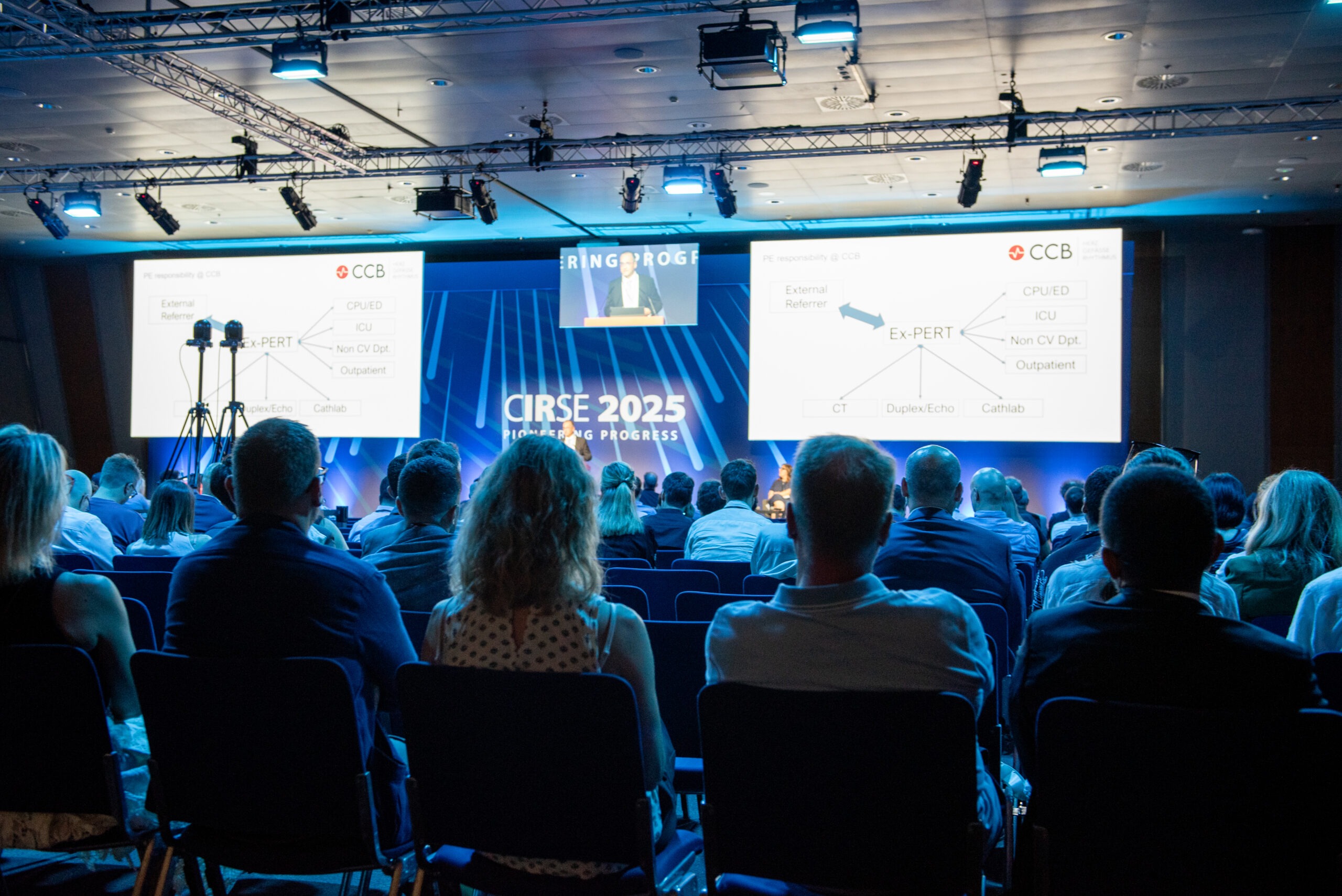
CIRSE 2026 will feature a variety of interactive formats that incorporate discussion, debate, and audience participation.

During new Beyond the lecture sessions, delegates shape the learning objectives by submitting questions in advance, allowing experts to focus on the issues that matter most to attendees. Controversy sessions, expert round tables, and case-based discussions will provide further opportunities to examine areas in which evidence and clinical practice continue to evolve.

2. An expanded PAD programme

Sessions dedicated to peripheral arterial disease (PAD) have been further expanded for CIRSE 2026.

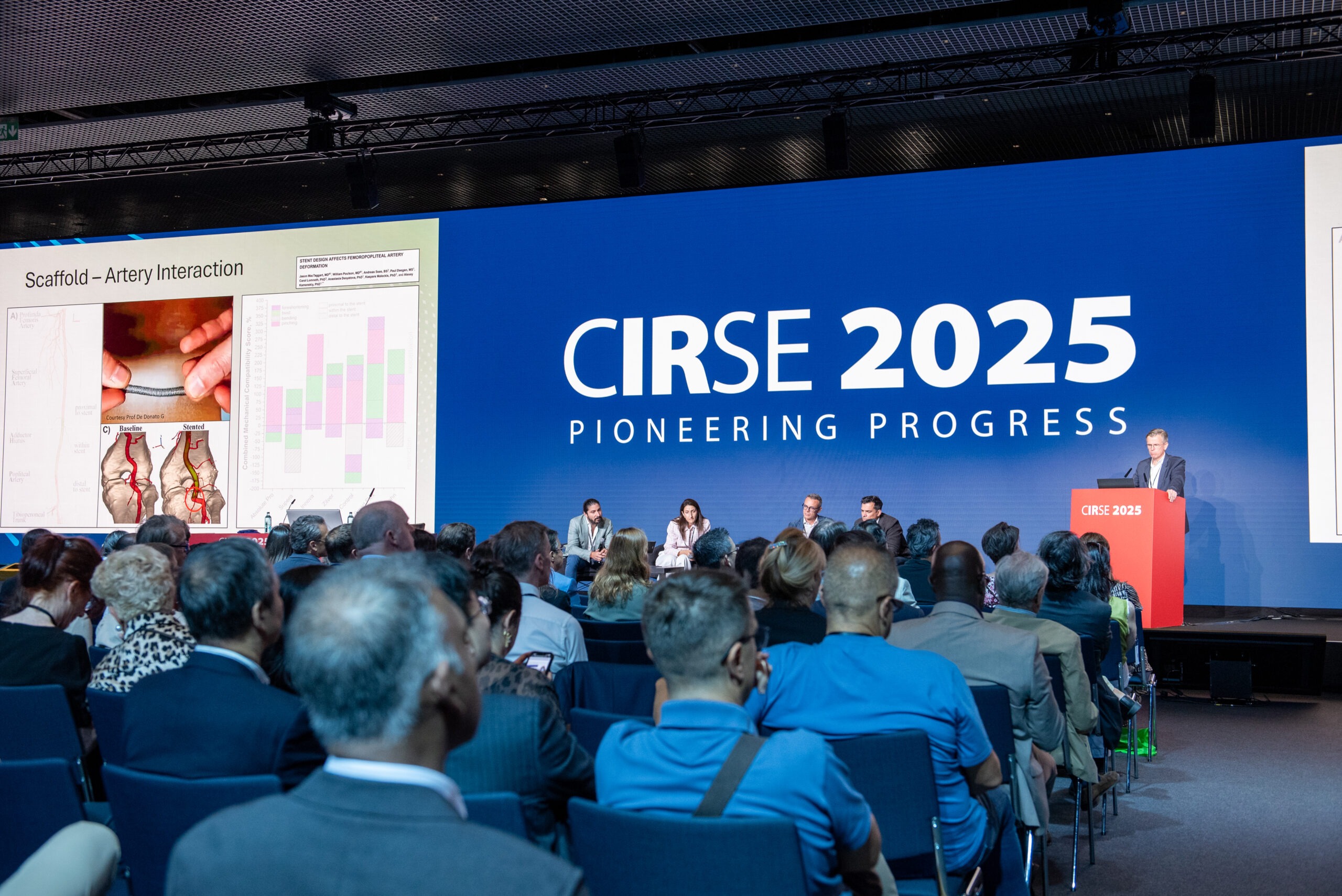
Delegates will be able to join sessions examining vessel preparation, drug-eluting therapies, bioresorbable scaffolds, intravascular lithotripsy, atherectomy, and treatment strategies for patients with claudication and chronic limb-threatening ischaemia. A dedicated CIRSE meets ESVM session will also bring perspectives from vascular medicine.

Click here to read Prof. Robert Morgan’s CIRSE Insider interview on the expanded PAD programme and the latest developments shaping PAD treatment.

3. More to discover in the venous programme

The venous programme has also been expanded for CIRSE 2026, reflecting the rapid development of this increasingly important area of IR.

The programme will address topics including pulmonary embolism, pelvic venous disease, IVC reconstruction using dedicated venous stents, venous in-stent restenosis, and venous stent maintenance. Delegates will gain insights into patient selection, intervention, follow-up, and the development of dedicated venous services.

For more details, read Prof. Gerard O’Sullivan’s interview on the venous programme and the future of venous interventions here.

4. Practical learning and hands-on training

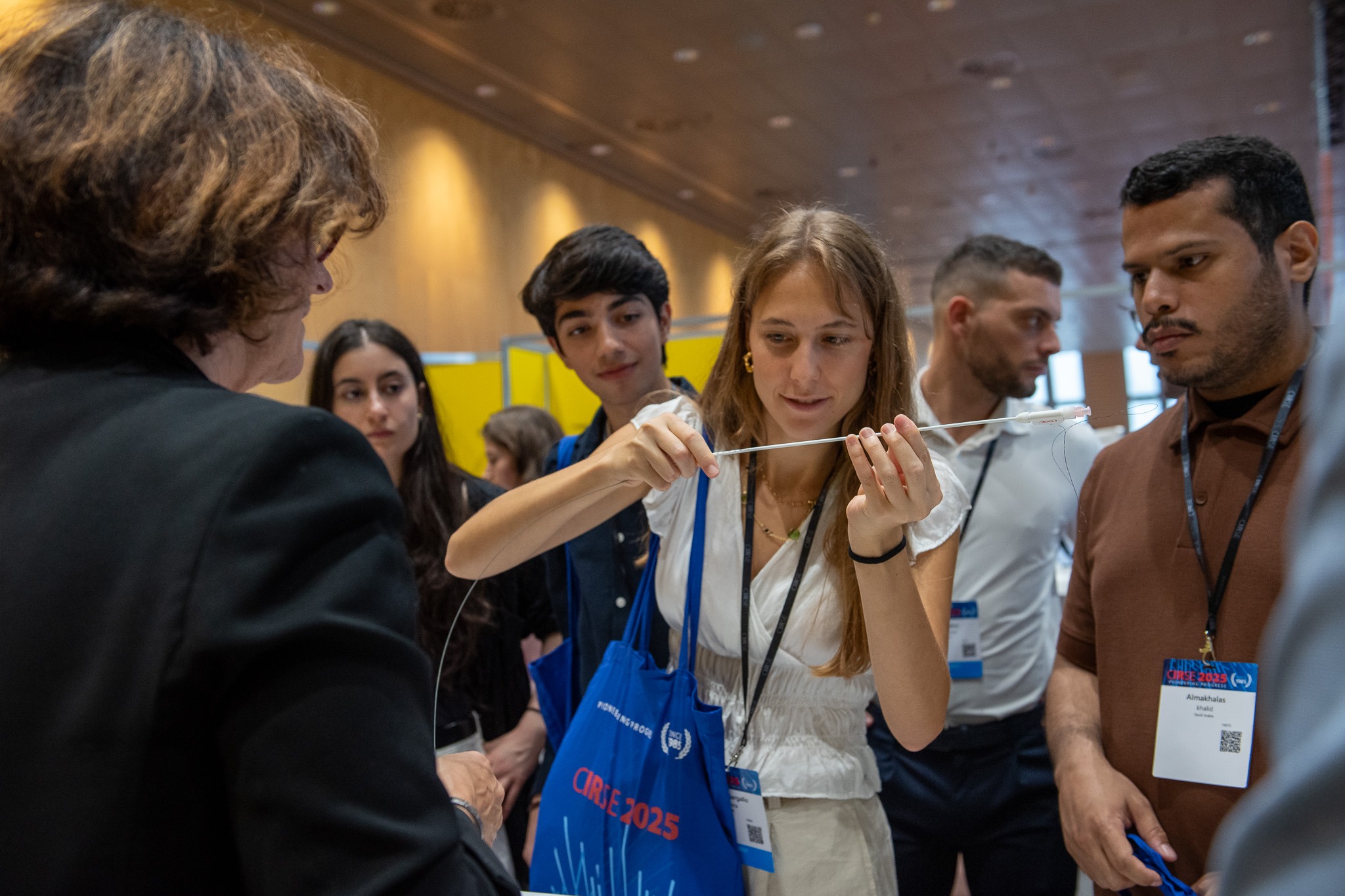
CIRSE 2026 will feature extensive hands-on training with the latest techniques, tools, and devices.

Hands-on device training sessions will introduce participants to the equipment available for specific procedures, while simulation training will allow delegates to practice interventional techniques under the guidance of expert instructors and simulator technicians.

Safe sedation workshops will provide the opportunity to perform procedural sedation in a simulated environment, and the IDEAS practical course series will offer a hands-on approach to aortic topics. Delegates will also be able to take part in GI Lab sessions to use devices for common gastrointestinal procedures.

The European School of Interventional Radiology (ESIR) will host the Paeds in Practice workshop series at the ESIR booth. Sessions will address vascular access in children as well as the anatomical, technical, and radiation-protection considerations involved in paediatric arterial interventions.

Visit the ESIR booth onsite to explore the available sessions and sign up.

5. Women in IR sessions and events

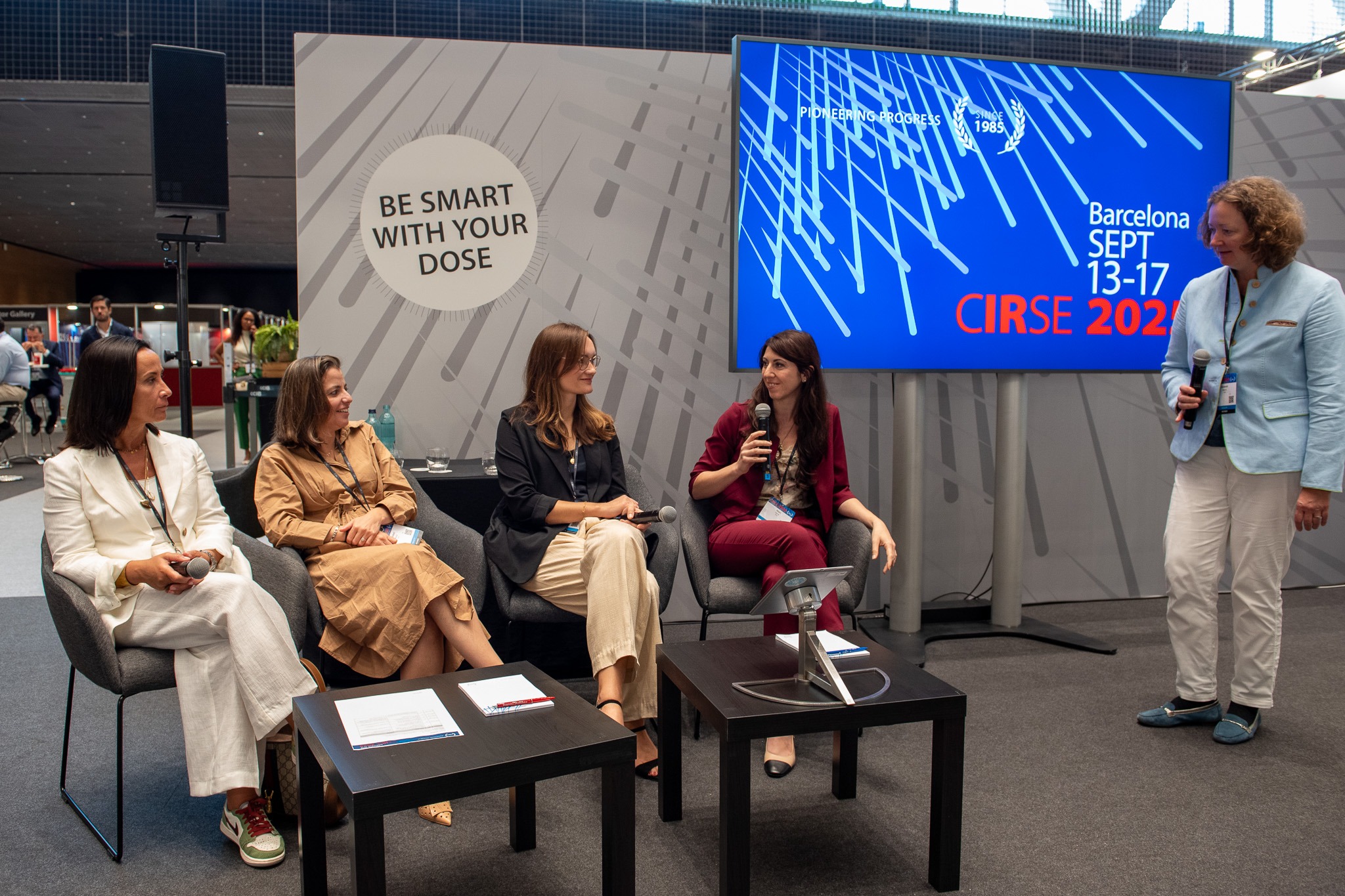
The Women in IR programme will provide a platform to discuss career development, leadership, mentorship, visibility, and representation within the specialty.

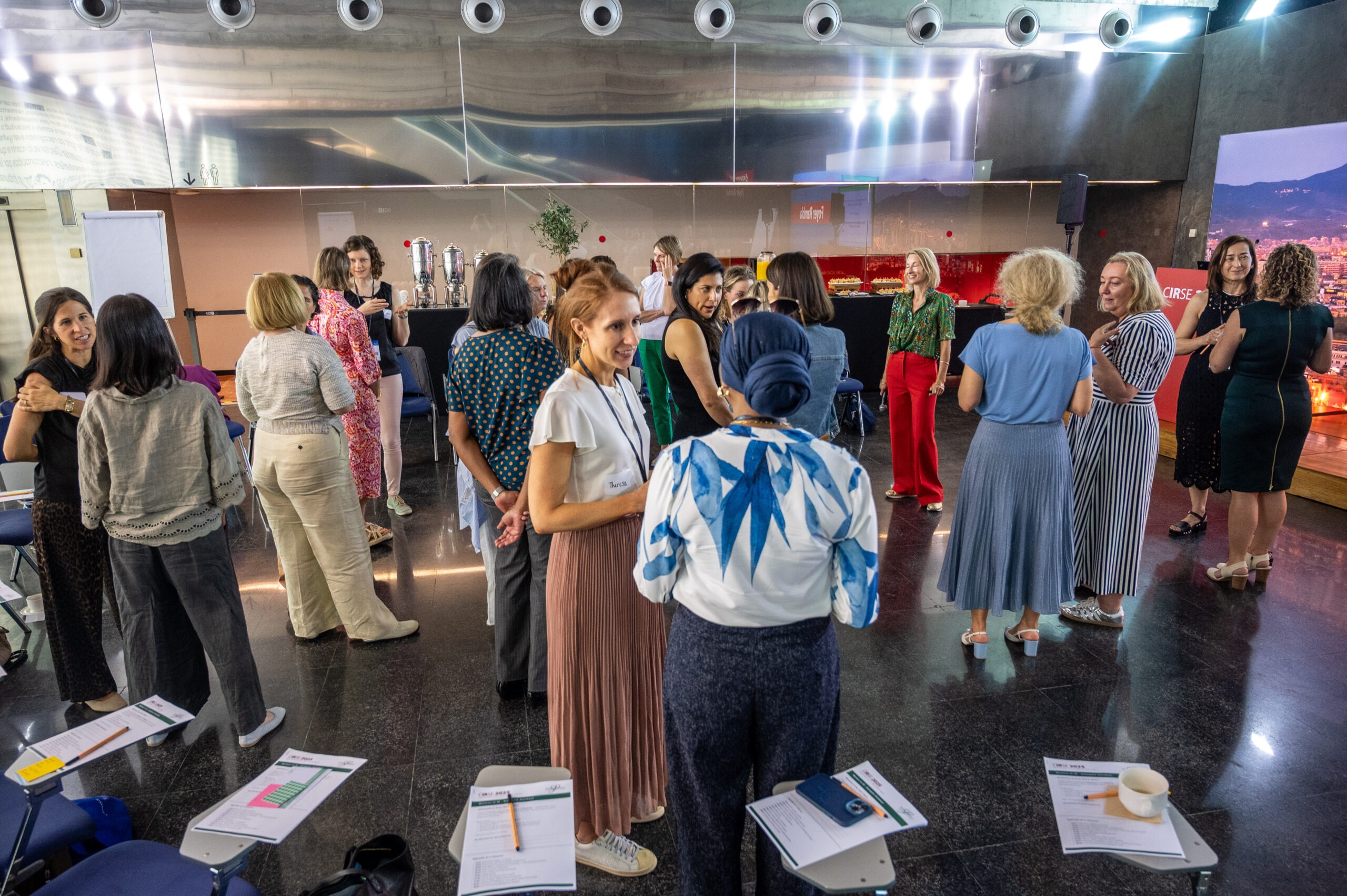
Two Women in IR workshops will be offered in a new, highly immersive format. Led by executive leadership coach Sarah Perugia, the workshops will give participants the opportunity to strengthen their communication, confidence, and leadership skills. Register for a workshop here.

Sessions will explore the changing IR workforce, early-career challenges, parenthood, and on-call work. The programme also includes a roundtable on working during pregnancy at the Radiation Protection Pavilion.

The Women in IR reception will offer a further opportunity to meet and connect with colleagues from around the world. RSVP here by August 17.

6. Emerging technologies and the latest devices

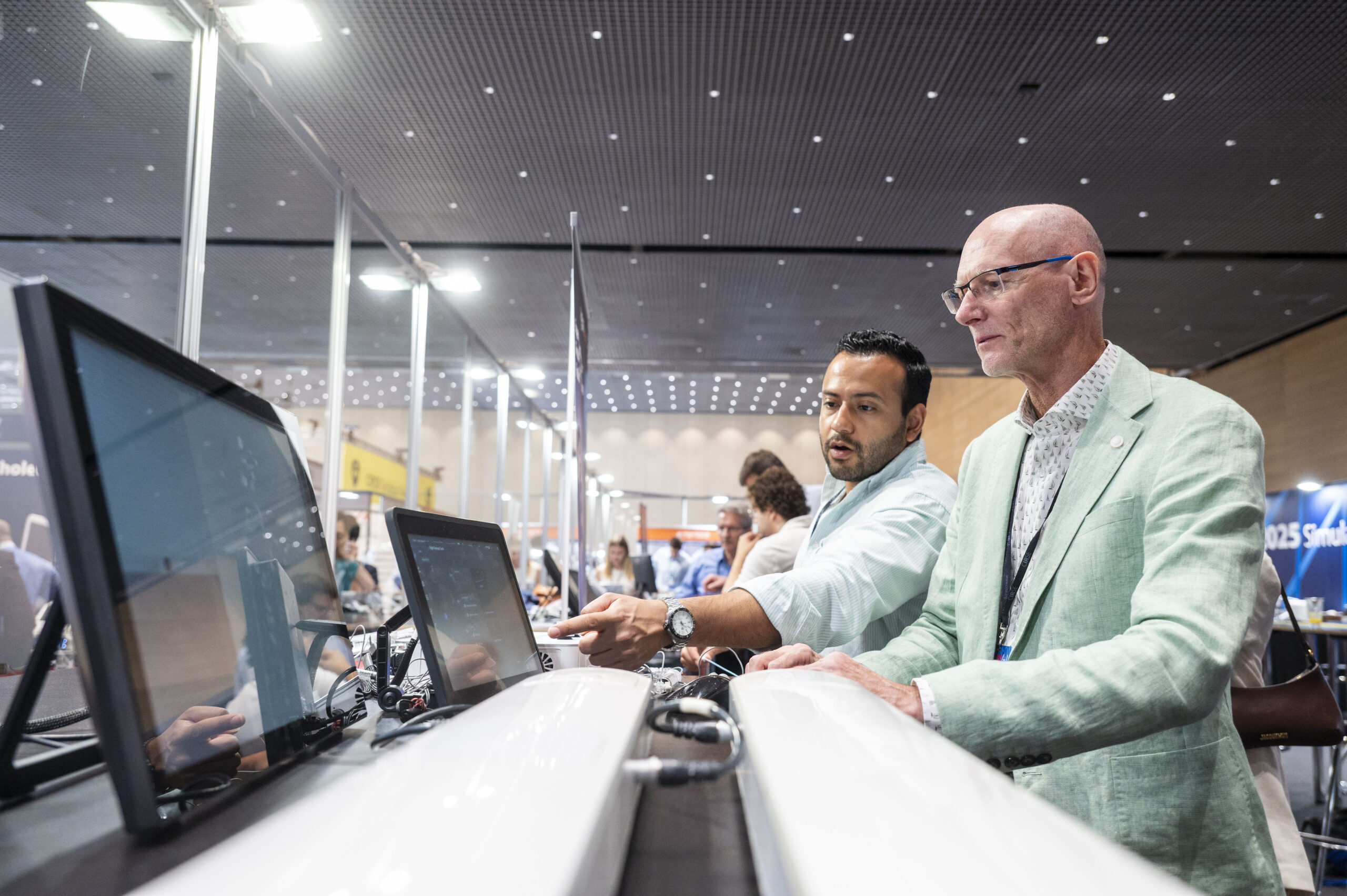
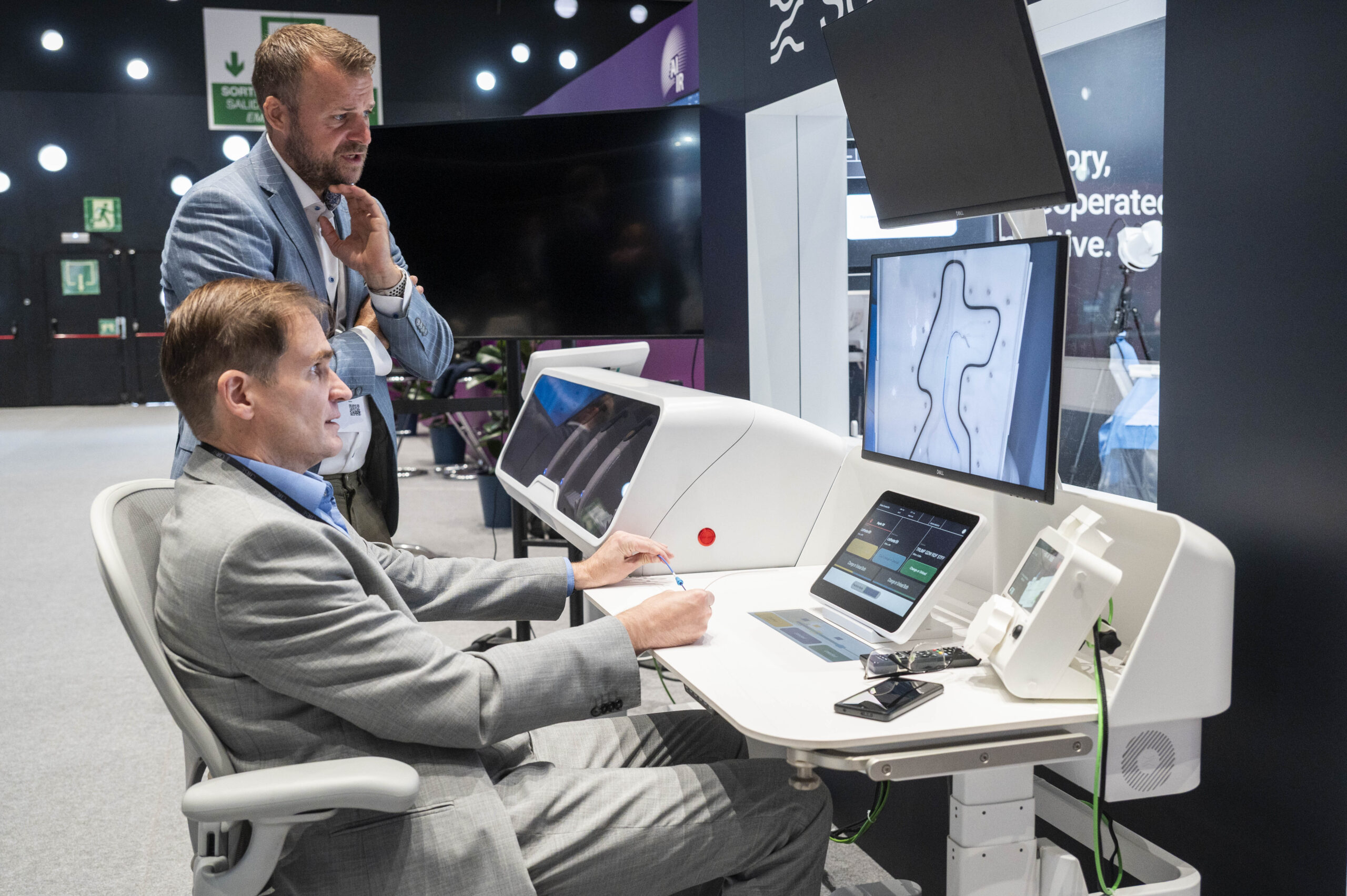
CIRSE 2026 will offer numerous opportunities to get a first-hand look at technologies shaping the future of IR.

At SPHAIRE, delegates can discover the latest developments in artificial intelligence and emerging technologies through expert lectures, abstract presentations, industry presentations, and discussions.

Click here to read Dr. Sara Lojo Lendoiro’s interview on SPHAIRE and the growing role of artificial intelligence in IR.

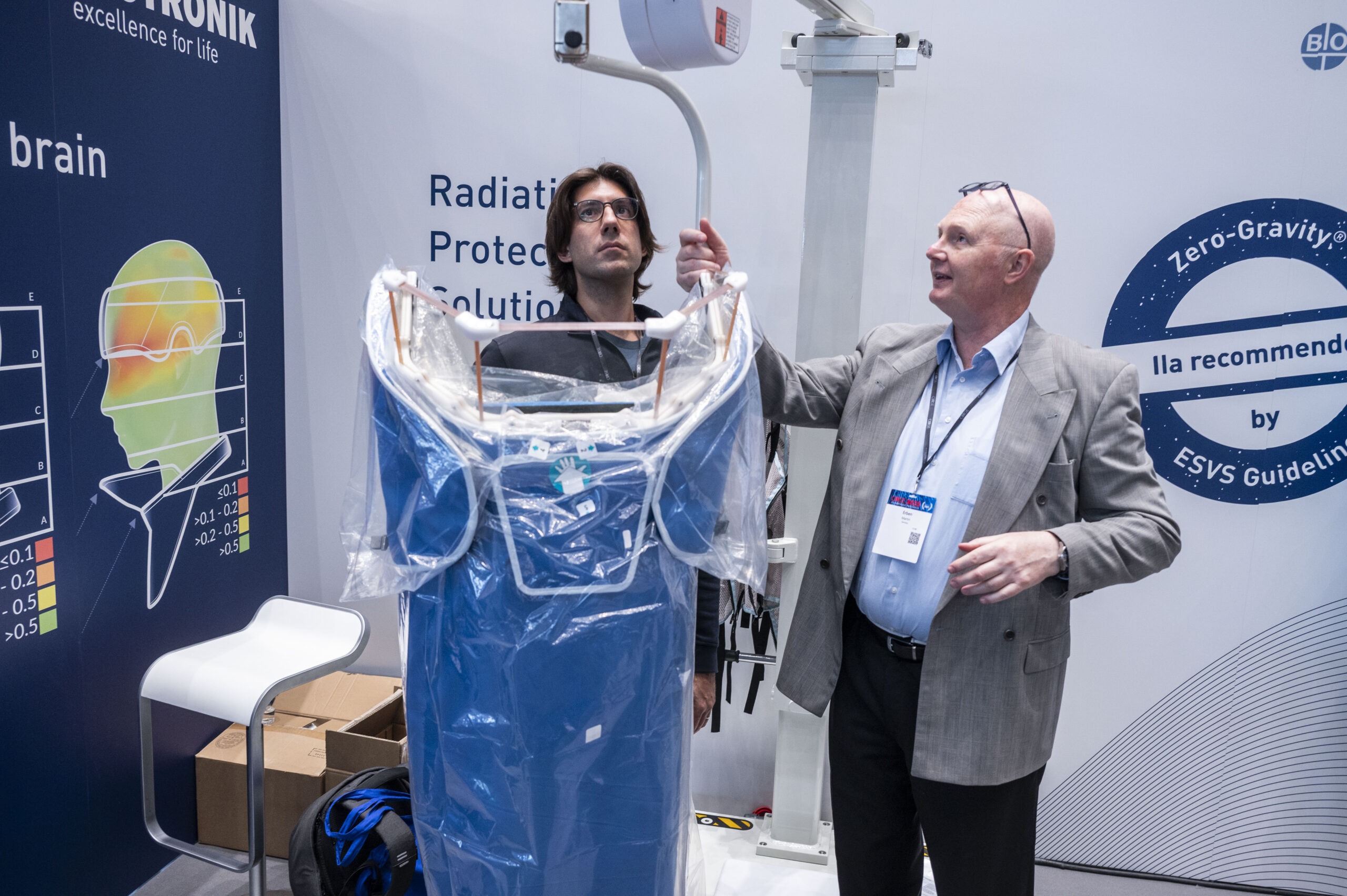
Delegates can also visit the Radiation Protection Pavilion. Held under the slogan “P2P Plan to protect”, the pavilion will feature expert-led talks, industry presentations, an interactive roundtable, a morbidity and mortality session, and a radiation safety quiz. Delegates will also be able to explore the latest radiation-protection equipment and technologies.

7. Connecting with the CIRSE community

Beyond the scientific programme, CIRSE 2026 will offer plenty of opportunities to reconnect with colleagues, establish new collaborations, and meet members of the international IR community.

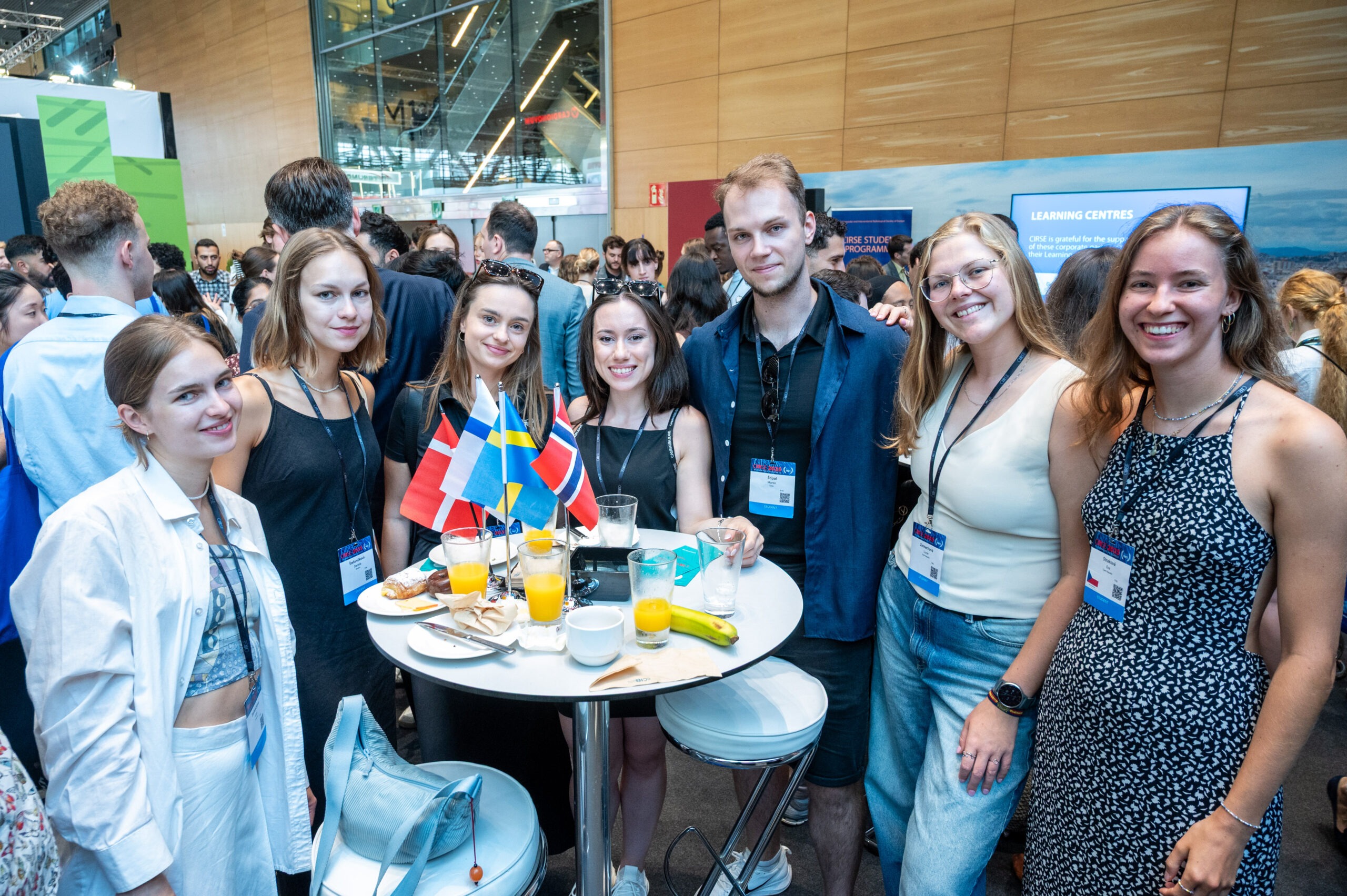
Students will be able to discover the breadth of interventional radiology through a dedicated programme that involves curated lectures, hands-on device and simulation training, as well as onsite activities like the students’ meet and greet event.

Trainees, residents, and young IRs are invited to take part in the European Trainee Forum (ETF) programme. There will be sessions tailored to IR trainees as well as ETF short talks, which will address communication in IR, new frontiers in the specialty, women in IR, and wellbeing.

A highlight of the social programme will be the get together evening at Cirkus by Wallmans on September 8, featuring a three-course dinner, live entertainment, drinks, and dancing. Tickets can be purchased here.