

CIRSE Fellowship report: Peter Matkulčík
As an interventional radiologist, I am always looking for ways to pick up new technical skills and see how other centers manage their daily workflows. I have been following the work of Prof. Christoph Binkert for a while, so when I received the CIRSE Fellowship Grant, choosing the Medizinisch Radiologisches Institut in Zurich was an easy decision.
My main goal for this month-long stay was to get some solid clinical exposure to advanced peripheral vascular, non-vascular, and musculoskeletal interventions. At the same time, I really wanted to see the inner workings of a high-volume, completely standalone outpatient IR clinic, as this model isn’t as common back home.
Main Objectives
- Observe the technical steps and decision-making in advanced procedures like MSK embolization, PAE, and peripheral arterial cases.
- Understand how a standalone outpatient IR clinic handles its daily logistics and patient flow safely.
- Learn their protocols for pre-op assessments, same-day discharge, and post-op follow-up.
- Meet international colleagues and share experiences about how we practice IR in different countries.
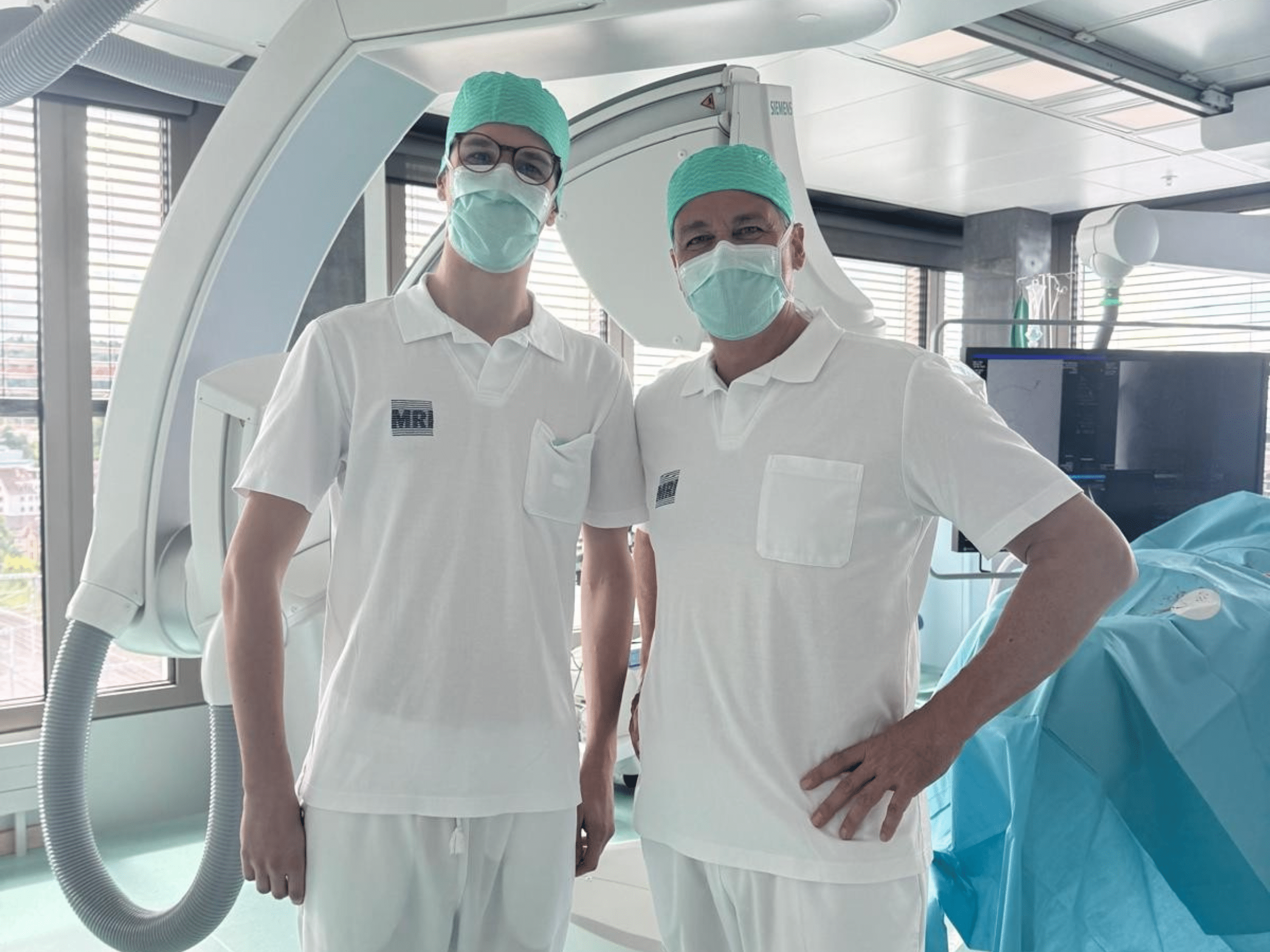
With Prof. Binkert
Clinical Experience & Procedural Insights
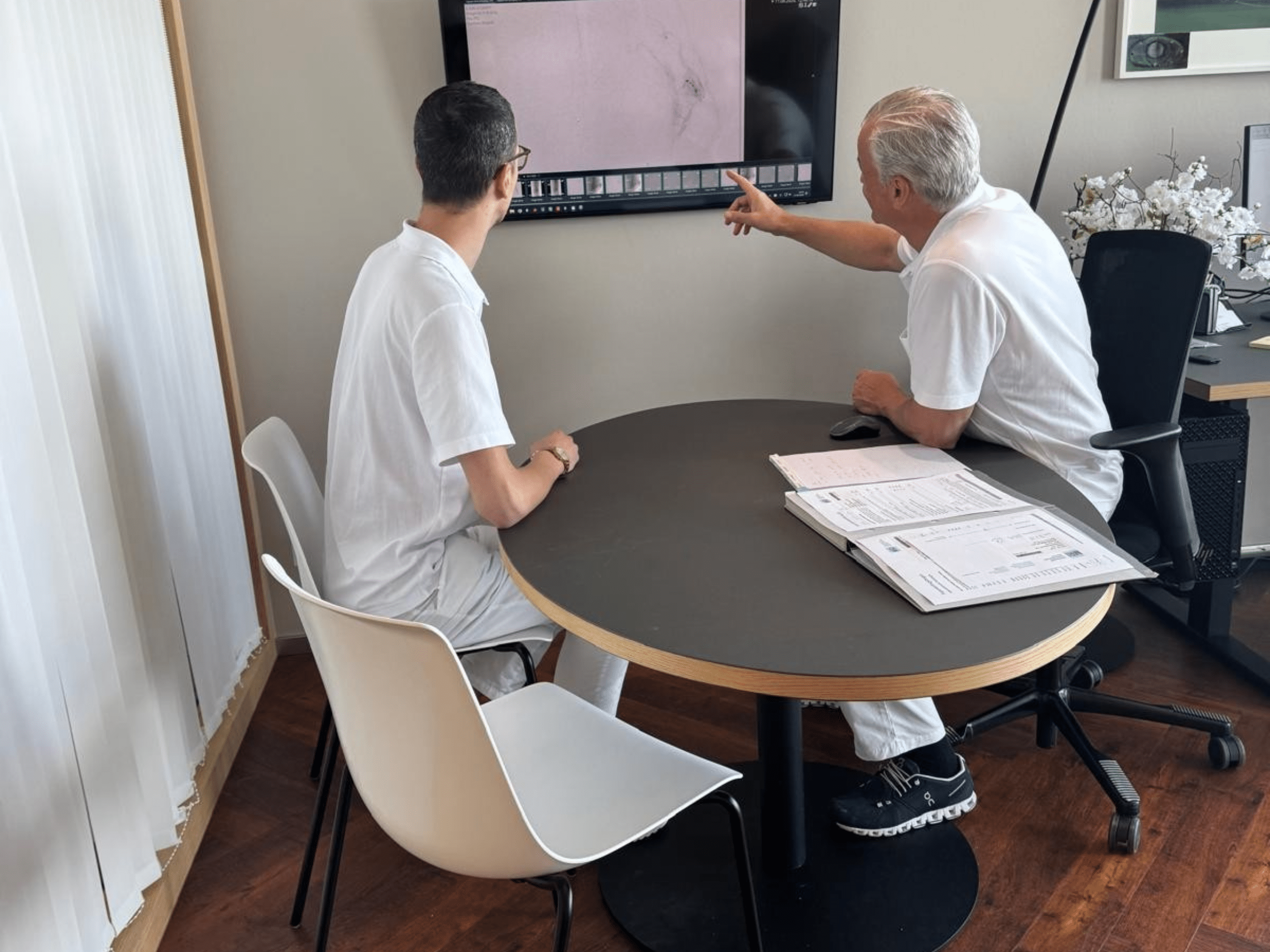
A month goes by quickly, but the team made sure my time was well-structured. Professor Binkert and his colleagues, including Dr. Martin Takes, integrated me into the daily routine right away. I spent my days between outpatient consultations and observing a great mix of interventions.
One of the most interesting parts of the fellowship was seeing their approach to musculoskeletal interventions. Watching the clinical results of transcatheter arterial embolization for joints—especially genicular artery embolization for knee osteoarthritis—
was eye-opening. I got to learn a lot about their specific choice of embolic particles, microcatheter techniques, and how they manage these patients during the procedure.
I also observed various treatments for peripheral arterial disease, including drug-coated balloons, mechanical thrombectomy, and atherectomy.
The Standalone Outpatient Model
Aside from the procedures, seeing how the MRI Zurich clinic is organized was incredibly valuable. Because the center operates purely on an outpatient basis, their workflow has to be highly efficient. Everything is streamlined to keep patients comfortable and moving through the system without ever cutting corners on safety.
I followed the entire process: from the first clinic visit and imaging review, to the procedure itself, and through to the recovery room and same-day discharge. The coordination between the radiologists, nursing staff, and radiology techs was seamless. Seeing how smoothly they manage complex cases on a same-day discharge basis gave me a lot of practical ideas that I hope to bring back to my own practice.
Personal Impressions
The technical side was great, but what made the month enjoyable was the culture at the clinic. The entire team was incredibly welcoming, down-to-earth, and always ready to pause and discuss a case or answer my questions.
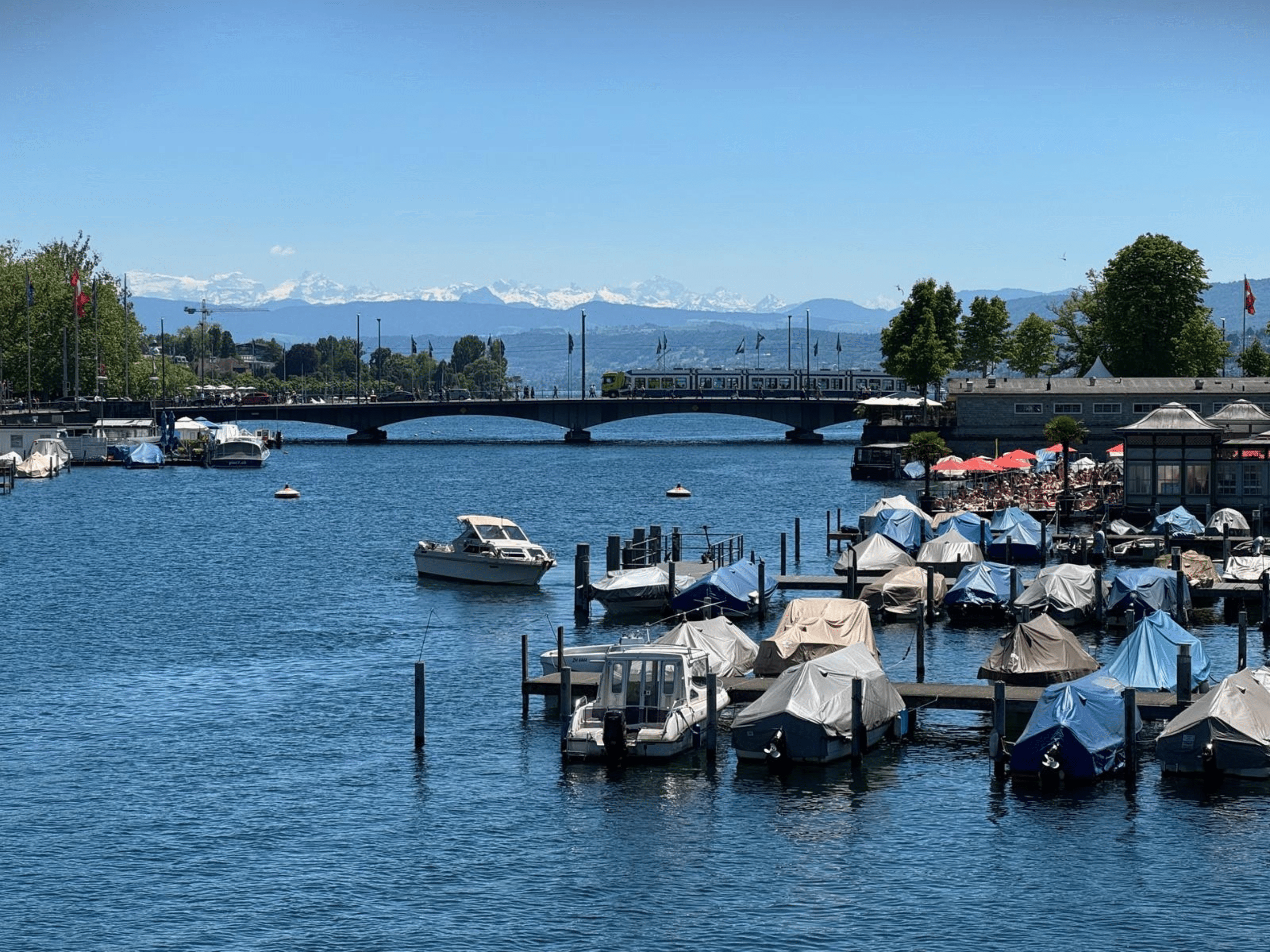
Outside the hospital, spending a month in Zurich was a great experience. It is a beautiful, highly organized city, and I really enjoyed exploring the area during my free time.
Conclusion & Acknowledgments
This fellowship turned out to be a fantastic step for my professional development. I am heading back home with a lot of practical technical tips, and a much clearer idea of how an outpatient IR setup can make treatments more accessible for patients.
I am very grateful to CIRSE for providing the fellowship grant. Big thanks also to Prof. Dr. Christoph Binkert for his mentorship and hospitality, and to the whole medical and nursing team at MRI Zurich for making it such a productive and pleasant month.