


CIRSE Fellowship report: Ibrahim Abba Tijjani
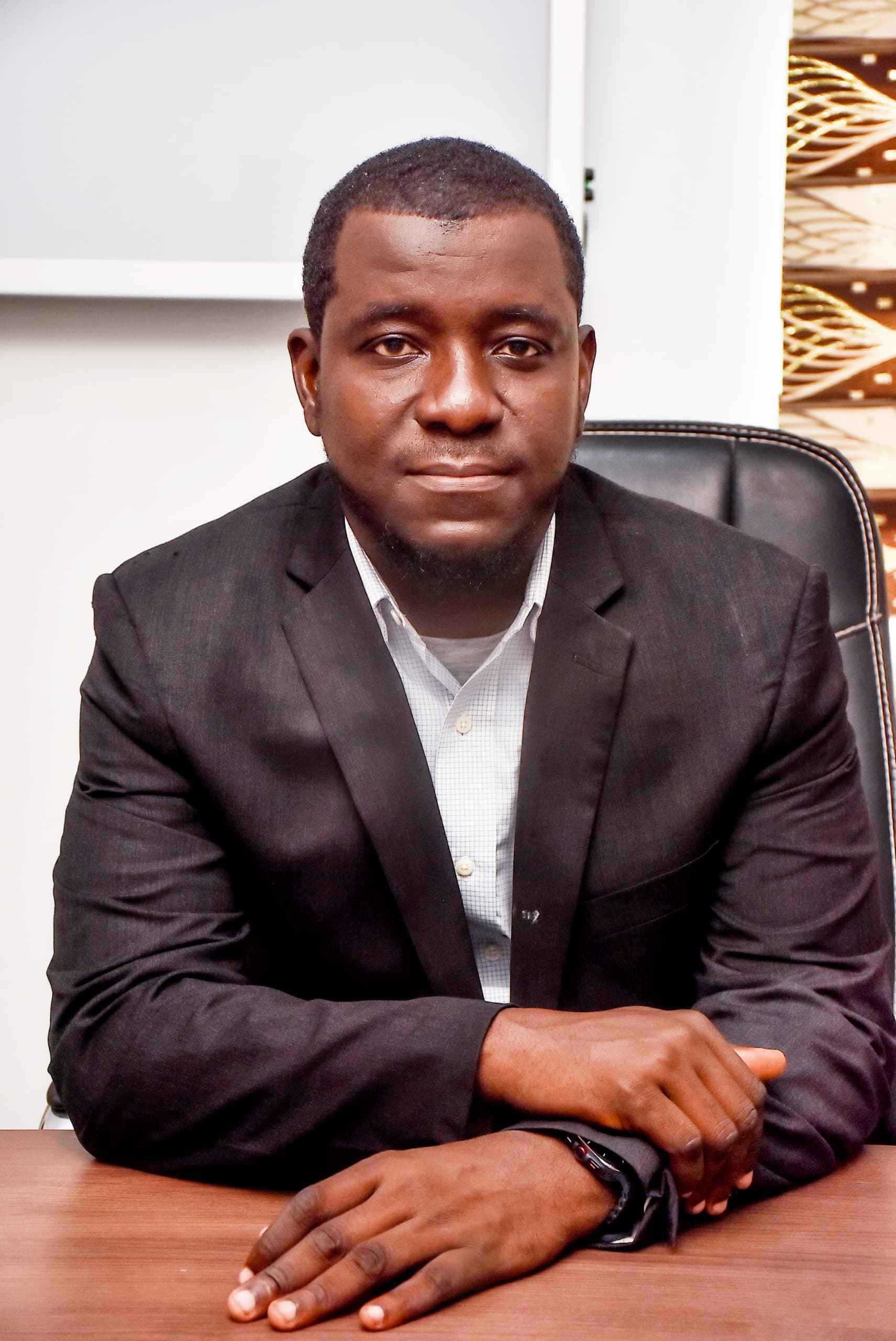
My name is Ibrahim Abba Tijjani, a Consultant Diagnostic and Interventional Radiologist and Head of the Interventional Radiology Centre at the University of Maiduguri Teaching Hospital (UMTH), Maiduguri, Nigeria. I had the privilege of receiving a CIRSE Observership Fellowship Grant, which enabled me to spend one month (May–June 2026) in the Interventional Radiology (IR) Department of St George’s University Hospitals NHS Foundation Trust, London, United Kingdom.
My aims were to observe a high‑volume, well‑organised IR service covering the full spectrum of vascular and non‑vascular procedures, to learn new techniques and approaches, and to understand how a mature IR unit is structured in terms of workflow, multidisciplinary collaboration, and clinical care. This report summarises the main highlights, skills and insights gained, and the expected impact on my practice in a resource‑limited setting in north‑eastern Nigeria.
St George’s Hospital and the IR Department
St George’s Hospital is one of the leading university teaching hospitals in the United Kingdom, with a long‑standing reputation for clinical excellence and education. The IR Department, led by Prof Robert Morgan, is an excellent example of a comprehensive modern IR service providing a wide range of vascular and non‑vascular minimally invasive, image‑guided procedures and serving as a referral centre for complex cases.
The department has two state‑of‑the‑art angiography suites, a dedicated IR day‑case and recovery unit, and immediate access to CT and ultrasound for image‑guided interventions. The team includes experienced consultants, IR fellows, radiology registrars, radiographers, anaesthetists, nurses, physician associates, and advanced practitioners, working in a highly coordinated and supportive environment.
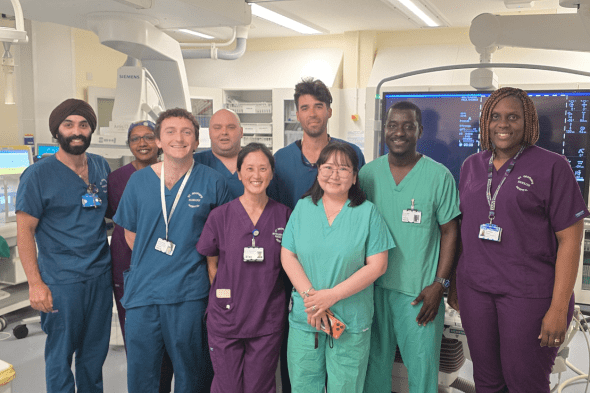
Group picture with my supervisors, consultants and residents in the cathlab
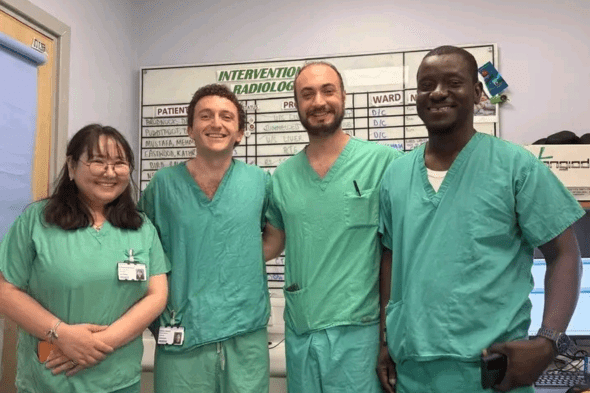
With observership fellows across the globe
Daily Organisation, Workflow and Clinical Practice
A major highlight of my observership was the quality of organisation and clinical practice:
- Morning teaching (08:00–09:00)
Each day began with a case‑based teaching session for trainees, usually consultant‑led, covering both diagnostic and interventional topics and closely aligned with current guidelines. This daily teaching culture was impressive and highly motivating. - Board round (around 08:45)
All IR staff for the day attended a multidisciplinary “board round” to review the list, discuss indications, imaging, comorbidities, and anaesthetic issues, and to identify potential challenges. This ensured a shared understanding of priorities and contributed greatly to patient safety and efficiency. - Procedural sessions
Procedures took place throughout the day in the angiography suites, CT rooms and theatres. Consultants, fellows and trainees worked together, with strong adherence to safety checklists, sterile technique, informed consent and detailed documentation. The dedicated IR day‑case and recovery unit facilitated appropriate monitoring and early discharge where possible. - Clinics and MDTs
Dedicated IR clinics, especially for oncology and complex vascular cases, allowed careful assessment, counselling and longitudinal follow‑up. Regular multidisciplinary team (MDT) meetings (vascular, aortic, oncology, paediatric, malformations, etc.) clearly demonstrated the central role of IR in modern patient pathways.
Clinically, I learned a great deal about pre‑procedure assessment, sedation and analgesia practices, complication recognition and management, and structured follow‑up.
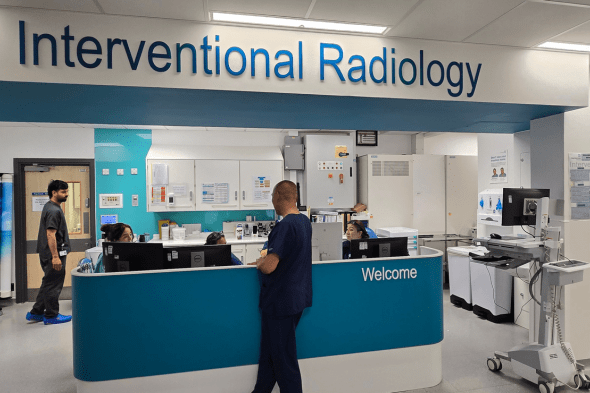
IR nurses reception
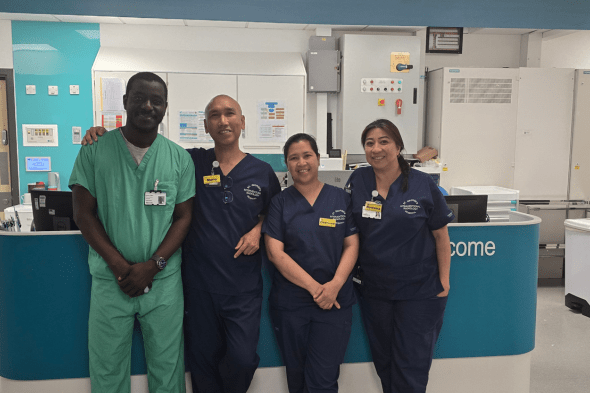
With the IR chief nurses at St. George’s hospital
Procedures Observed and Assisted
During my one‑month stay, I observed with a wide variety of procedures:
- Vascular interventions
- Peripheral arterial angioplasty and stenting
- Complex aortic and peripheral endovascular work with vascular surgery
- Deep vein interventions and complex venous recanalisation in chronic limb‑threatening ischaemia
- Interventional oncology and hepatobiliary procedures
- Liver and kidney tumour ablations (microwave and radiofrequency)
- Transarterial chemoembolisation (TACE) for hepatocellular carcinoma
- Biliary drainage and stenting
- Non‑vascular and emergency interventions
- Image‑guided biopsies and drainages
- Nephrostomies and ureteric stenting
- Trauma‑related embolisation and urgent haemorrhage control
This helped consolidate my existing experience while exposing me to refined techniques, device choices and decision‑making.
Mentors, Highlights and Learning Focus
I learned from the entire IR team. In particular:
- Prof Robert Morgan and Dr. Adelola Oseni provided overall leadership and strategic insights into building and sustaining a high‑quality IR service.
- The consultant interventional radiologists consistently combined technical excellence with clear explanation of indications, techniques, device selection and complication management.
- The fellows and registrars were very approachable, offering practical tips on protocols, devices and everyday problem‑solving.
- The nurses, radiographers and physician associates demonstrated the importance of a cohesive team, meticulous preparation and patient‑centred care.
Key highlights included seeing a fully functioning dedicated IR day‑case and recovery unit, observing complex oncologic and vascular interventions in a calm and structured environment, and experiencing how strongly IR is integrated into MDT discussions and hospital pathways. The overall culture of teaching, audit and quality improvement made a deep impression on me.
My main learning focus was not only on individual procedures, but also on how a comprehensive IR service is organised, how referrals are triaged, and how IR interfaces with other specialties and hospital systems.
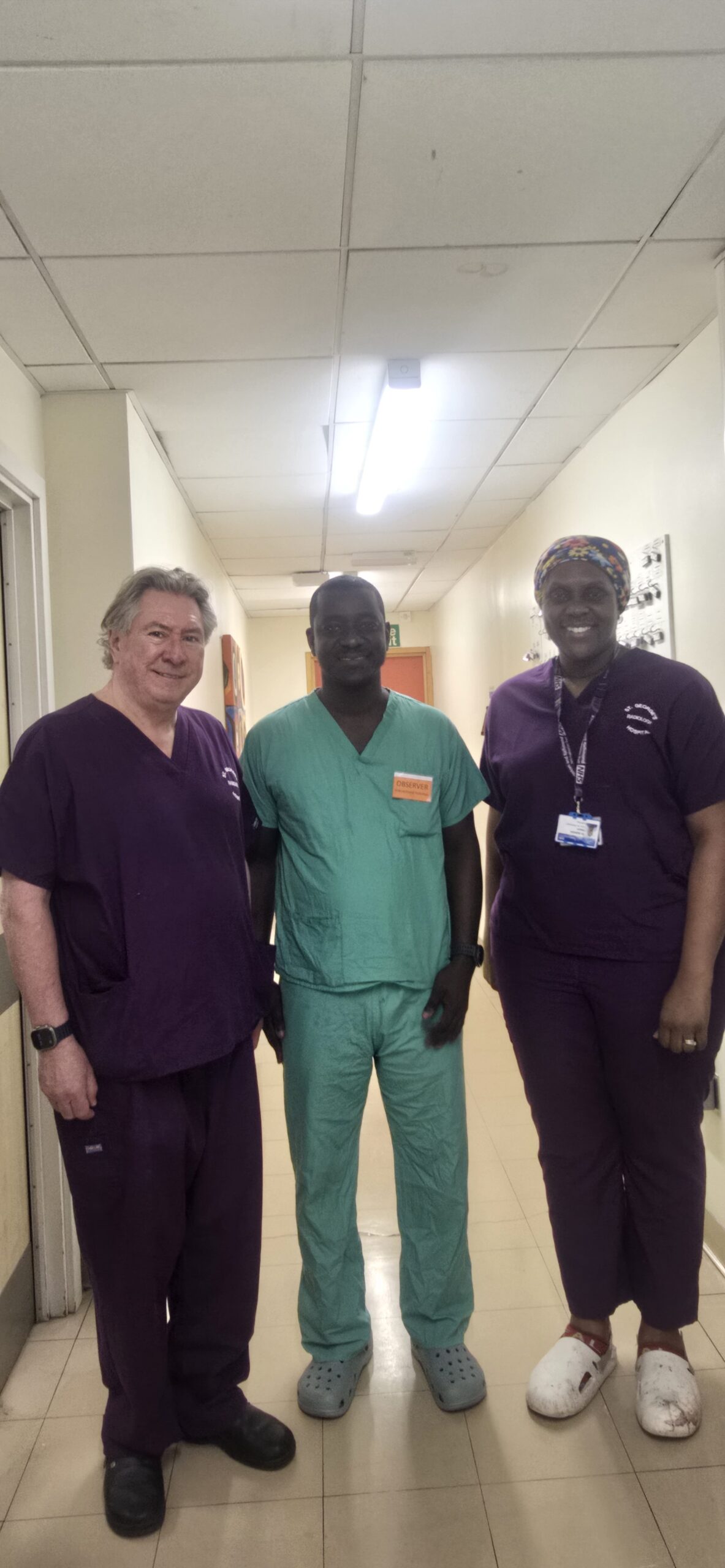
With Prof. Robert Morgan and Adelola Oseni, my supervisors
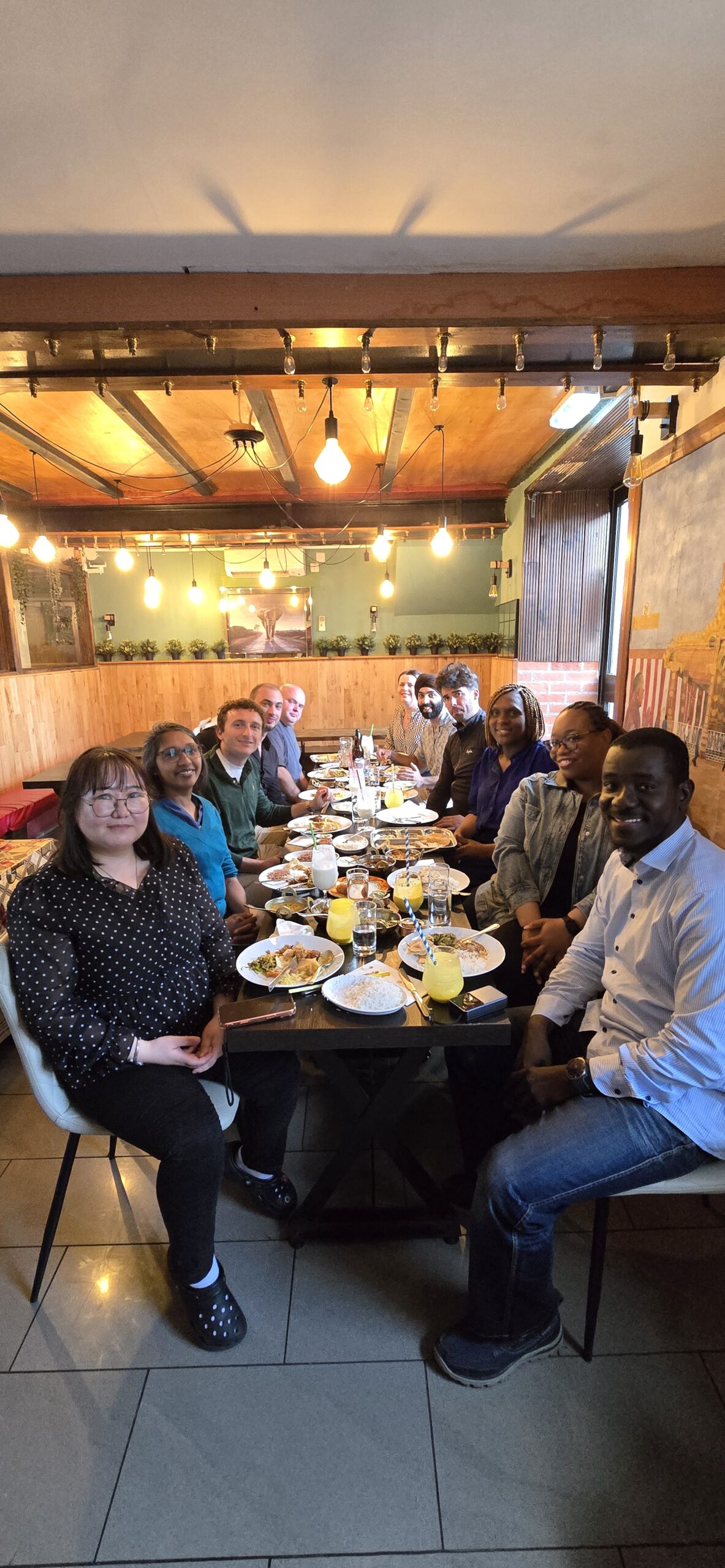
Senforth dinner with the supervisors, consultants, residents and admin staff
Differences Compared with my centre
The differences between St George’s and UMTH were significant and instructive:
- Infrastructure and resources
St George’s has multiple dedicated IR suites, a day‑case unit, and seamless access to advanced imaging and anaesthesia. At UMTH, infrastructure is more limited, and equipment downtime and logistical constraints are more frequent. - Workflow and protocols
The structured daily board round, standardised checklists and clearly defined peri‑procedural pathways at St George’s contrast with a more ad‑hoc workflow in my setting. Introducing adapted versions of these tools is a key objective on my return. - Multidisciplinary integration
At St George’s, IR is fully embedded into major MDTs and clinical guidelines. In my centre, MDT culture is still evolving and IR is not always involved early in decision‑making. The observership has strengthened my determination to promote earlier and more systematic IR involvement. - Data, audit and research
There is a strong culture of data collection, audit and research at St George’s. At UMTH, we are at an earlier stage, but I now have a clearer model for setting up simple registries and regular audits.
Impact on My Practice and Expectations
I am particularly excited to bring back:
- A more structured daily workflow, including a short morning huddle/board round to review cases and anticipate challenges.
- Clearer referral pathways and criteria for IR, especially in oncology, vascular disease and trauma.
- Adapted local protocols and checklists for consent, peri‑procedural care and follow‑up, based on what I observed.
- Strengthened training and capacity building for residents, junior consultants, nurses and radiographers through teaching sessions, case discussions and hands‑on workshops.
- Initial registries and audits to document outcomes and support quality improvement and advocacy at institutional and national level.
My expectations for the observership were high, and they were fully met. I gained exposure to a comprehensive IR service, expanded my technical and clinical knowledge, and obtained practical ideas for service development that can be realistically implemented in a resource‑limited environment.
Acknowledgements and Conclusion
I am deeply grateful to Dr. Adelola Oseni/Lakshmi Ratnam and Prof Robert Morgan for accepting me into the department and for their guidance throughout my stay. I also thank all the consultants, fellows, registrars, radiographers, nurses, anaesthetists, physician associates and support staff in the IR department at St George’s for their warm welcome, patience and willingness to teach.
I am especially thankful to the Cardiovascular and Interventional Radiological Society of Europe (CIRSE) for awarding me the Observership Fellowship Grant and making this opportunity possible. As a consultant interventional radiologist practising in a developing country, this support has been invaluable and has reinforced my belief in the importance of CIRSE membership and international collaboration.
My one‑month observership at St George’s has been an outstanding professional and personal experience. It has deepened my understanding of how a comprehensive IR service can function, broadened my procedural and clinical skills, and provided concrete ideas for service organisation, training and quality improvement. I am committed to applying these lessons to enhance interventional radiology services at UMTH and to contribute to the wider development of IR in Nigeria.
I once again thank CIRSE and the St George’s IR team for this remarkable opportunity.