

CIRSE Fellowship report: Hamza Aouididi
My name is Hamza Aouididi, I recently completed my residency training in radiology approximately four months ago. I completed my medical studies and initial radiology training in Tunisia, where I spent a significant part of my training at Charles Nicolle Hospital, the largest hospital in the country, before undertaking my final year of residency at Henri Mondor Hospital in Paris, where I focused primarily on advanced interventional radiology. This experience significantly strengthened my interest in this specialty and my intention to pursue a career dedicated to interventional radiology.
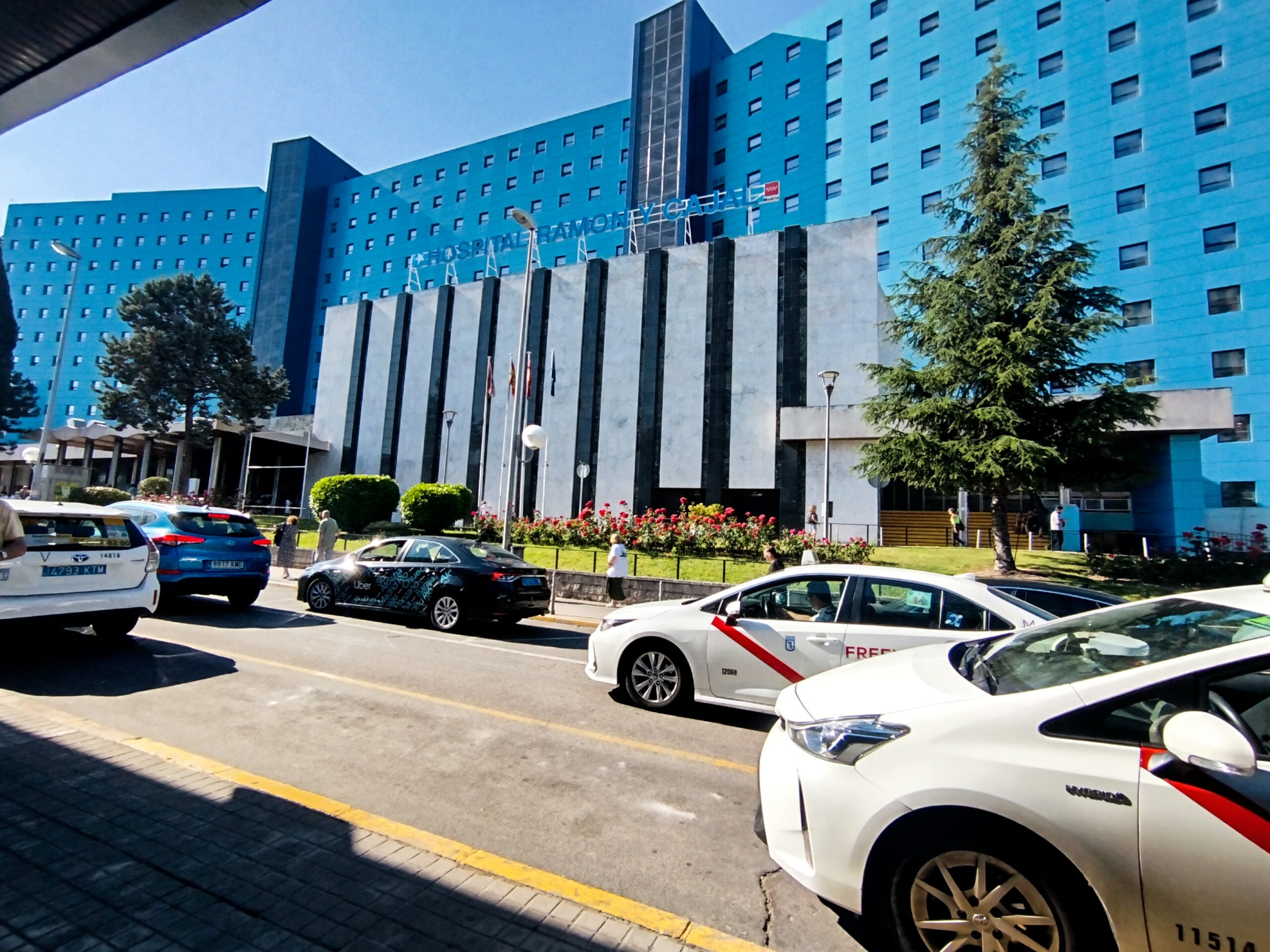
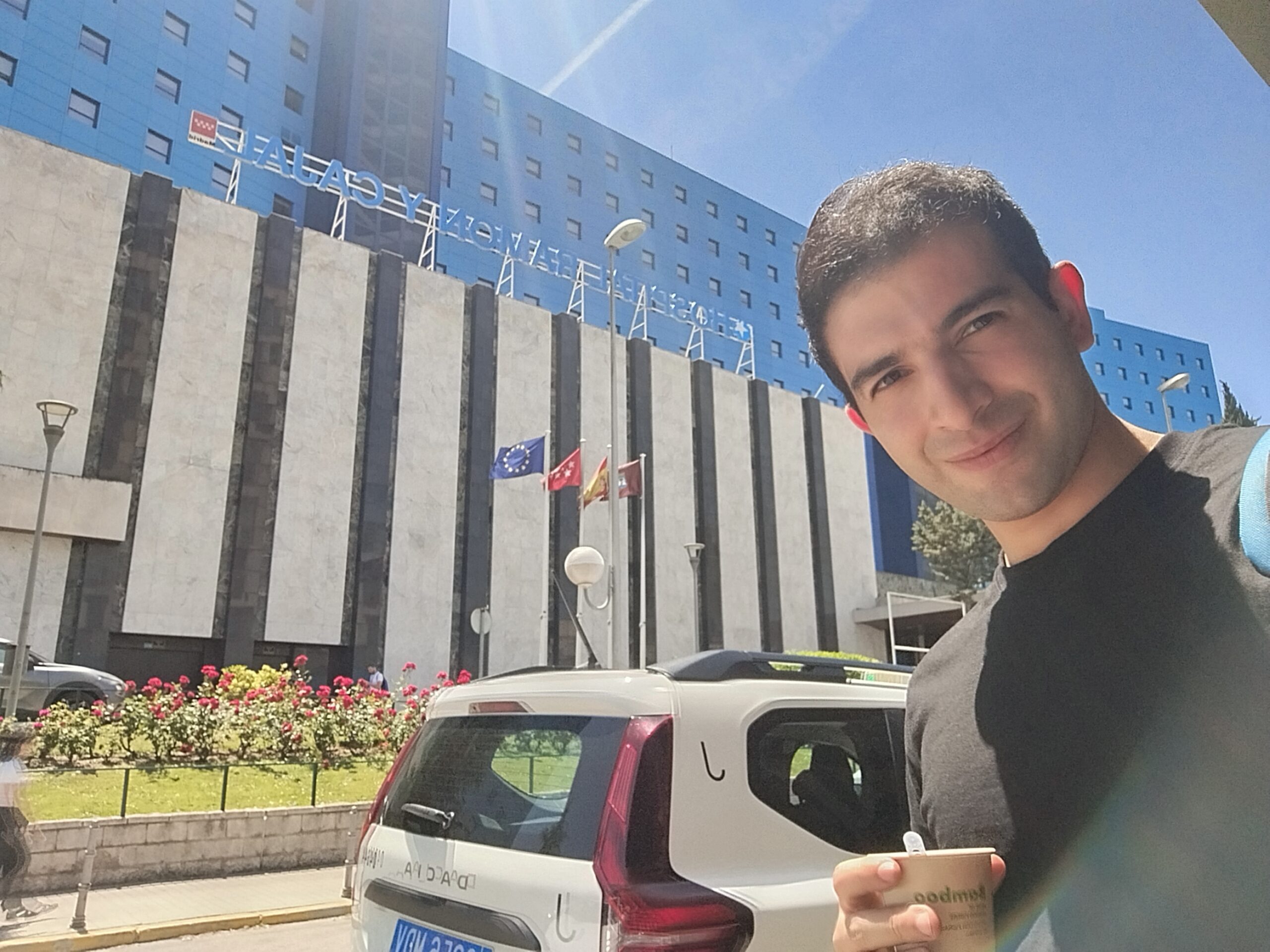
Thanks to the CIRSE Fellowship Grant, I had the opportunity to undertake a fellowship of two months in the Department of Interventional Radiology at the Hospital Universitario Ramón y Cajal in Madrid, one of the largest hospitals in the city and a recognised referral centre for interventional radiology. This fellowship was supervised by Dr José Urbano (EBIR, FCIRSE).
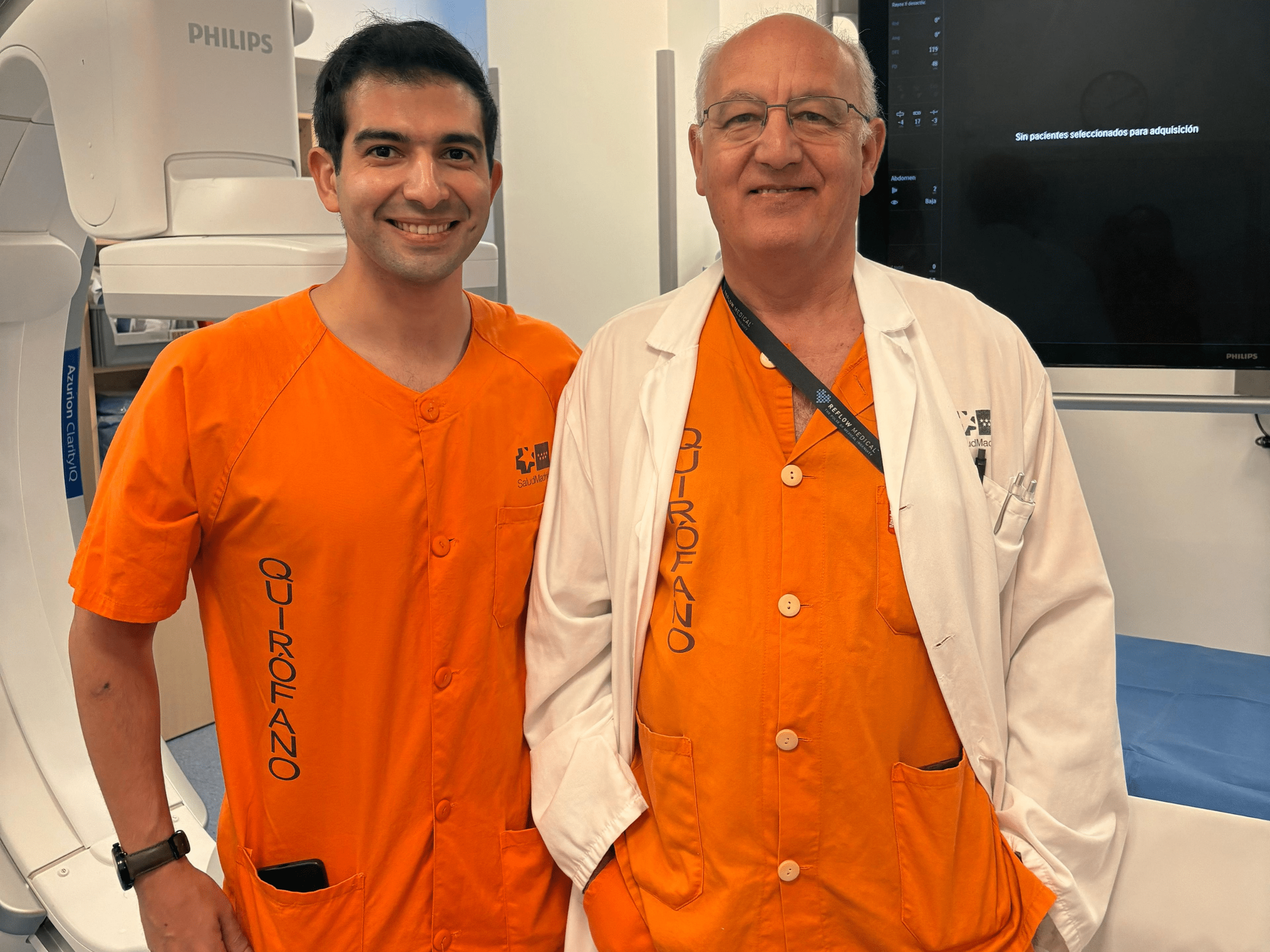
With my supervisor, Dr. Jose Urbano
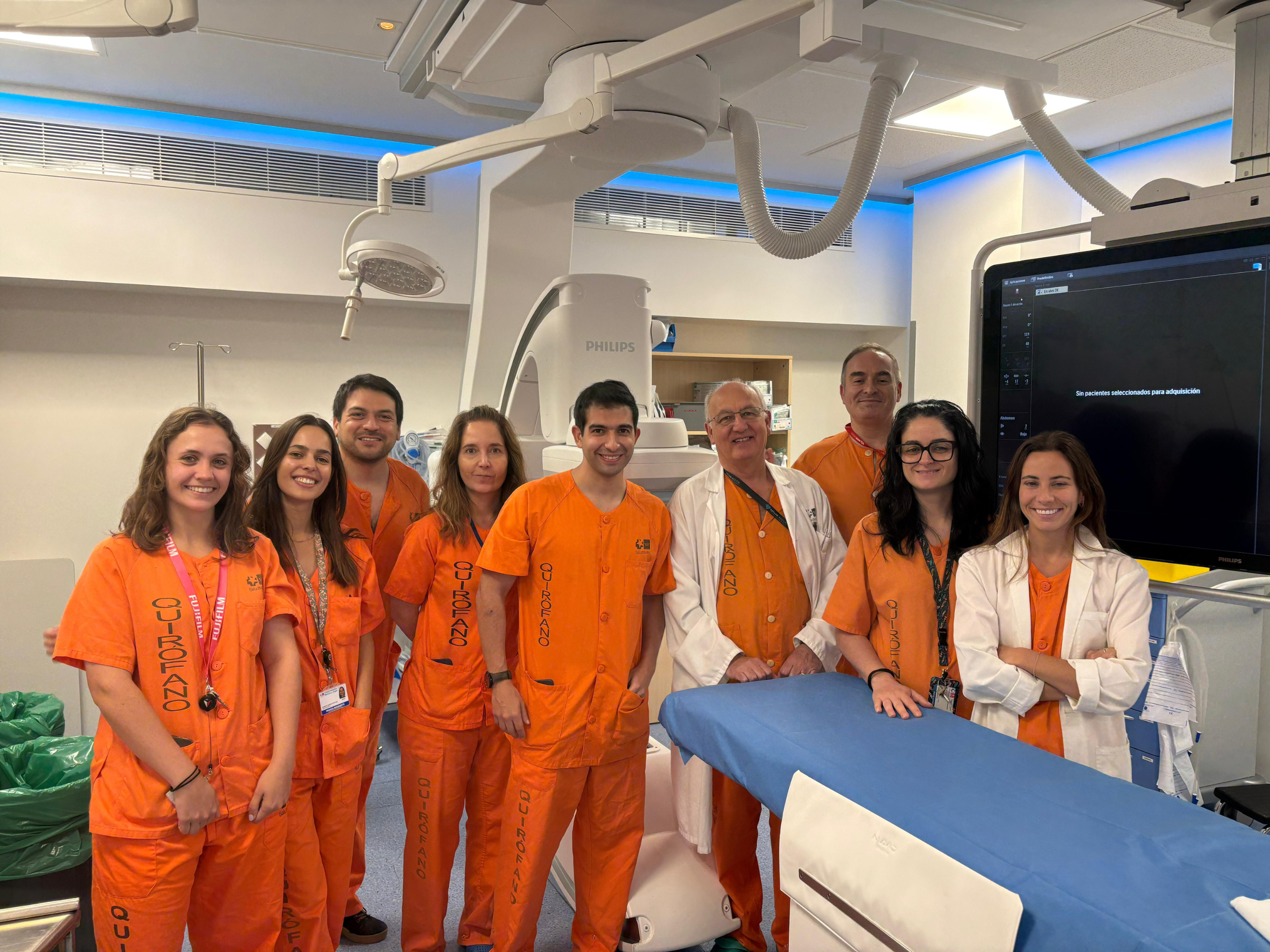
With the interventional radiology team
The main objective of this fellowship was to further expand my exposure to complex interventional radiology procedures, including venous recanalisation techniques, hepatobiliary interventions, TIPS procedures, as well as various advanced endovascular techniques performed in a high-volume referral centre. It also aimed to allow me to experience a different way of working, with alternative clinical practices and habits compared to my previous training environment.
From the very first day, I was impressed by the excellent welcome from both the medical and paramedical teams, which allowed me to integrate very quickly and work in an environment highly conducive to learning. This welcoming atmosphere and the strong cohesion of the team were key factors in the smooth progress of my fellowship.
The second major strength of this fellowship was the wide diversity of interventional activity. I was exposed to a broad range of complex procedures but the most striking aspect of this experience for me was the exposure to highly complex venous recanalisation procedures. I was able to observe renal vein recanalisation, inferior vena cava and iliac vein recanalisation procedures, particularly in the context of chronic thrombosis of vena cava or post-liver transplantation complications, with the placement of vena cava stents. TIPS procedures also represented a key part of the fellowship, offering a different technical approach from what I had previously experienced. Combined procedures involving portal/ hepatic vein recanalisation and TIPS were particularly instructive for me.
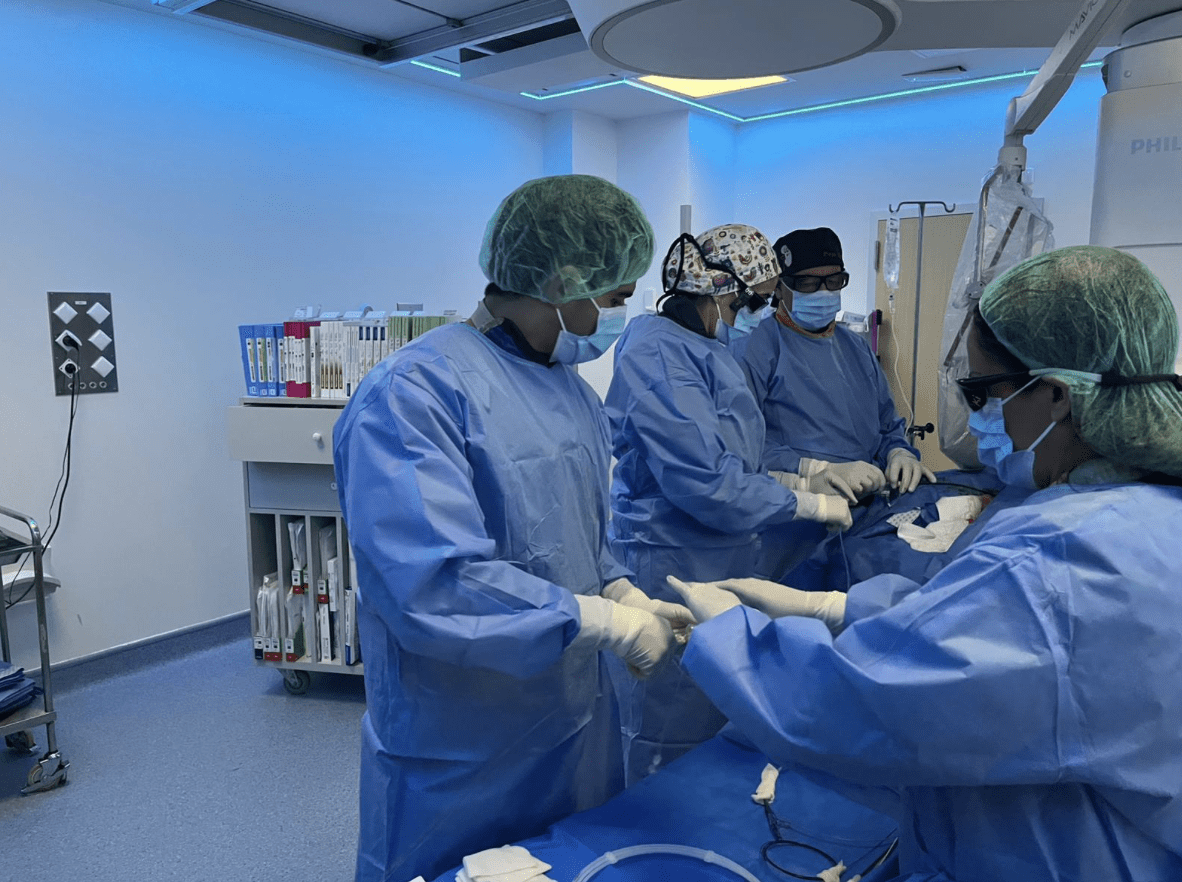
In the operating room during a TIPS procedure
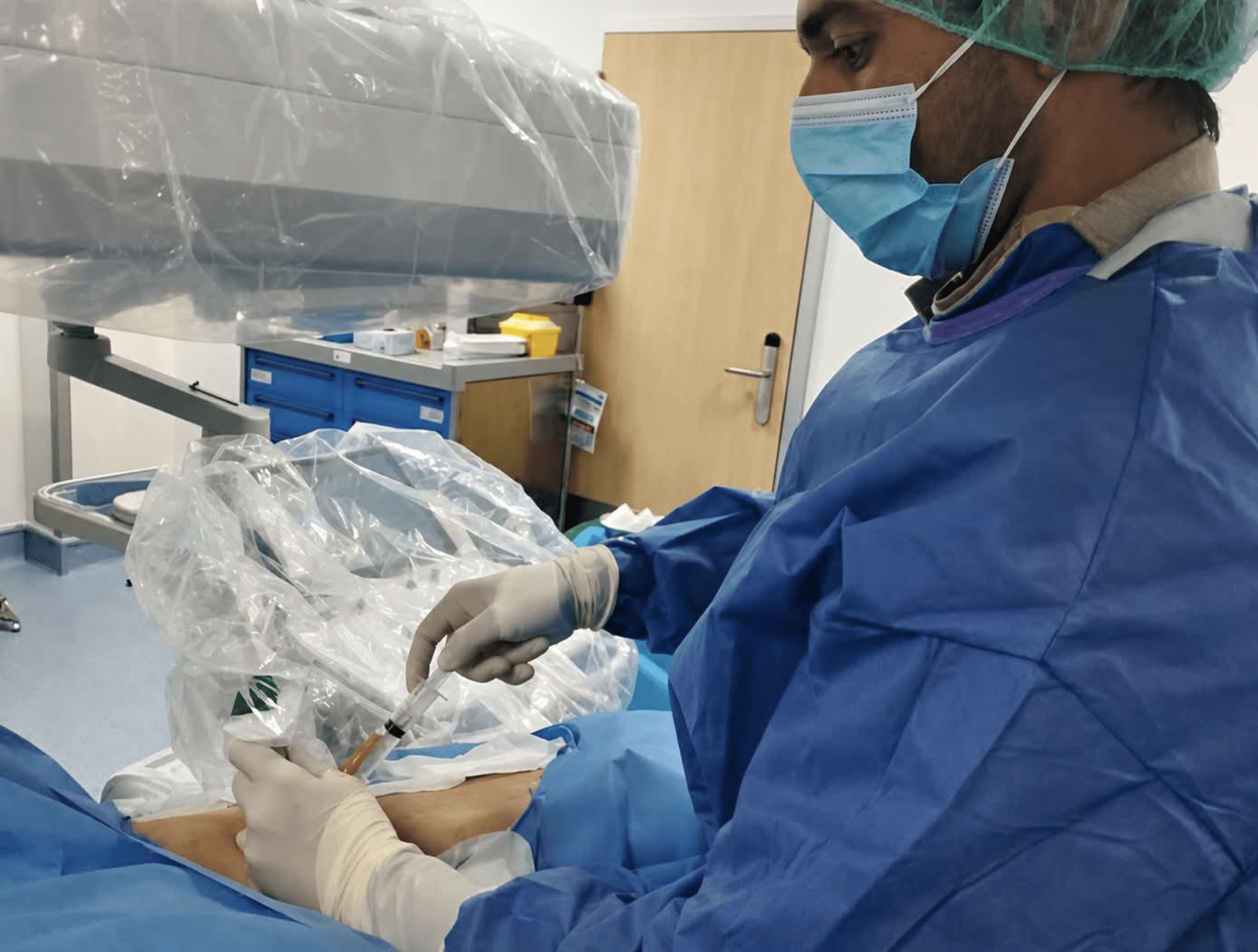
Performing jugular vein puncture
During this fellowship, I was supervised by the entire interventional radiology team, which stood out for its availability and kindness.
However, I had the privilege of learning closely from Dr José Urbano, an internationally
renowned interventional radiologist, who was my true mentor throughout this fellowship. He impressed me greatly and represents a true role model and source of inspiration for my future practice.
I spent a large part of my time with him in the angiography suite, where his supervision played a central role in my progression. His mastery of both the practical and theoretical aspects of all procedures, as well as his highly structured approach to clinical reasoning before each intervention, particularly impressed me. Before every procedure, he systematically took the time to analyse the clinical situation and validate therapeutic options
with a clear, logical and rigorous approach, including defining the procedural strategy. This way of structuring interventional reasoning was extremely valuable for my learning.
Exchanges in and outside the operating room were always highly enriching for everyone.
Under his direct supervision, I was progressively involved in several procedures, allowing me to perform certain steps as the primary operator. Although I was already autonomous in some procedures, his guidance and attention to technical details, even when they seemed minor or simple, allowed me to significantly improve my precision and rigor and to correct several technical mistakes in my interventional practice. On the technical side, I performed, under supervision, the placement of central venous catheters (implantable ports – PAC) as well as haemodialysis catheters. I also participated in arterial punctures and catheterisations under close supervision.
I would also like to sincerely thank Dr Jorge Cobos (EBIR, EDIR) for his availability and kindness. He always took the time to answer my questions, teach me, and guide me during certain procedures, which was extremely valuable for my learning experience.
I also had the opportunity to attend multidisciplinary tumour boards for hepatic tumours and metastases, discussing optimal treatment strategies on a case-by-case basis, as well as several educational sessions within the department, which were highly instructive and contributed to my theoretical development.
In addition, I cannot conclude this experience without mentioning my fellow residents Juan Carlos Lopez, Isabel Fonseca, and Bàrbara Moreno, who became much more than colleagues but true friends. Their warm welcome from the very first day and the excellent atmosphere we shared greatly facilitated my integration and comfort within the department.
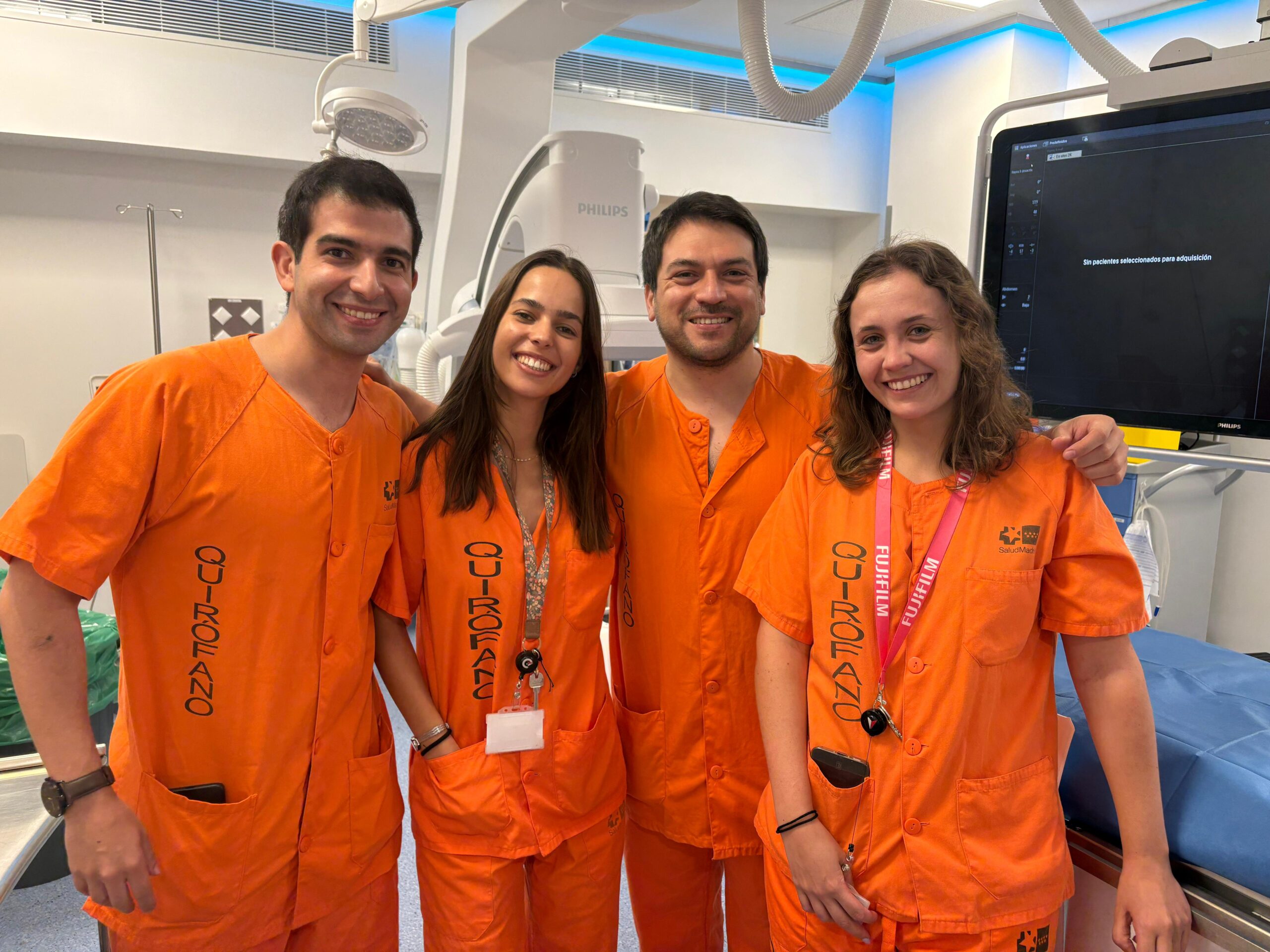
With my friends, Barbara, Juan Carlos, and Isabel (from left to right)
I would also like to acknowledge the entire team of radiographers and nurses in the interventional radiology suite, with whom I built a very good relationship, and whose daily collaboration and support greatly contributed to the smooth functioning of the unit.
Finally, Madrid was a particularly enjoyable place to live throughout this fellowship. It is a very vibrant city, with beautiful streets and landmarks, kind people, a unique atmosphere, and excellent gastronomy, all of which made this experience even more exceptional.
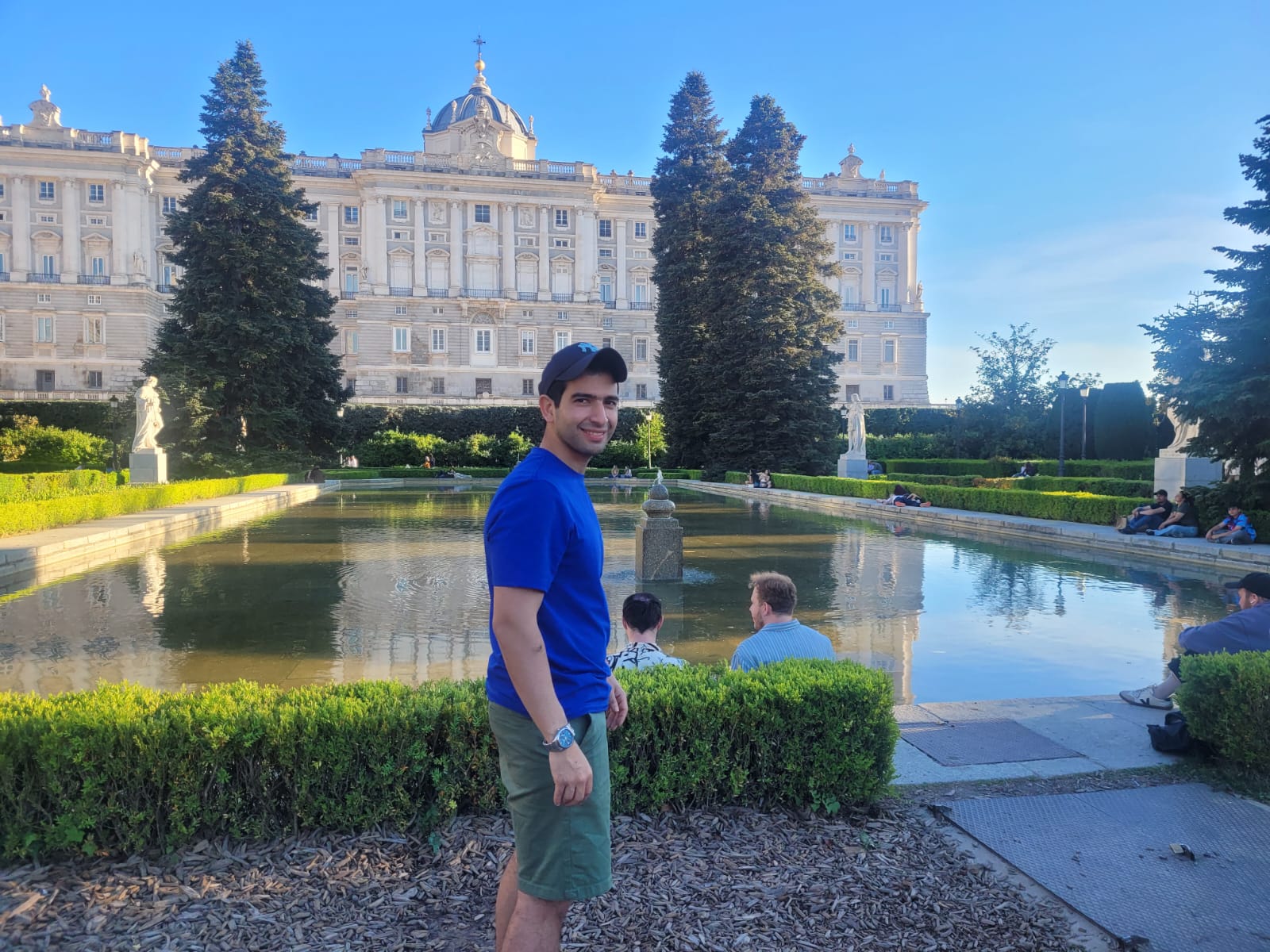
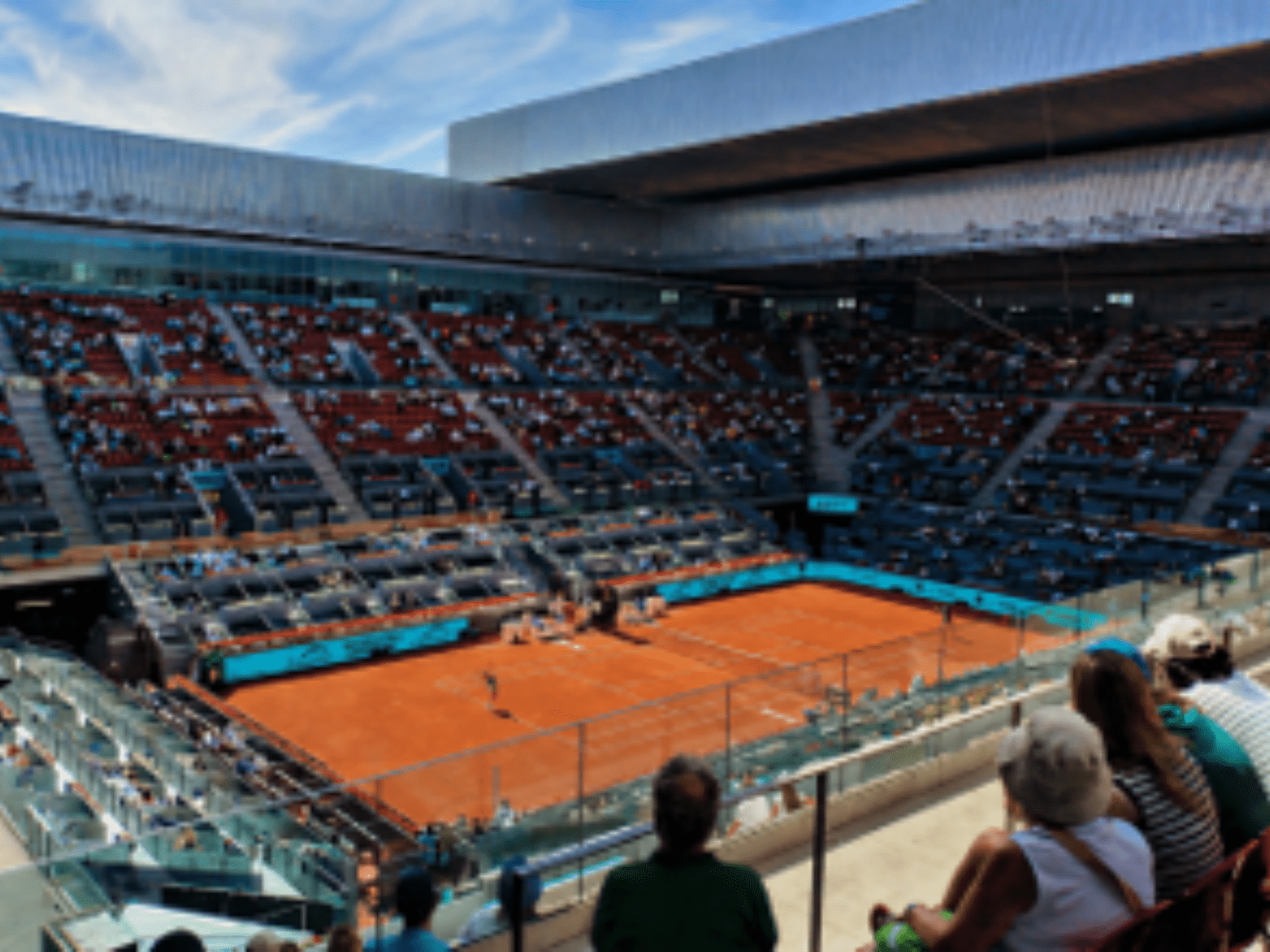
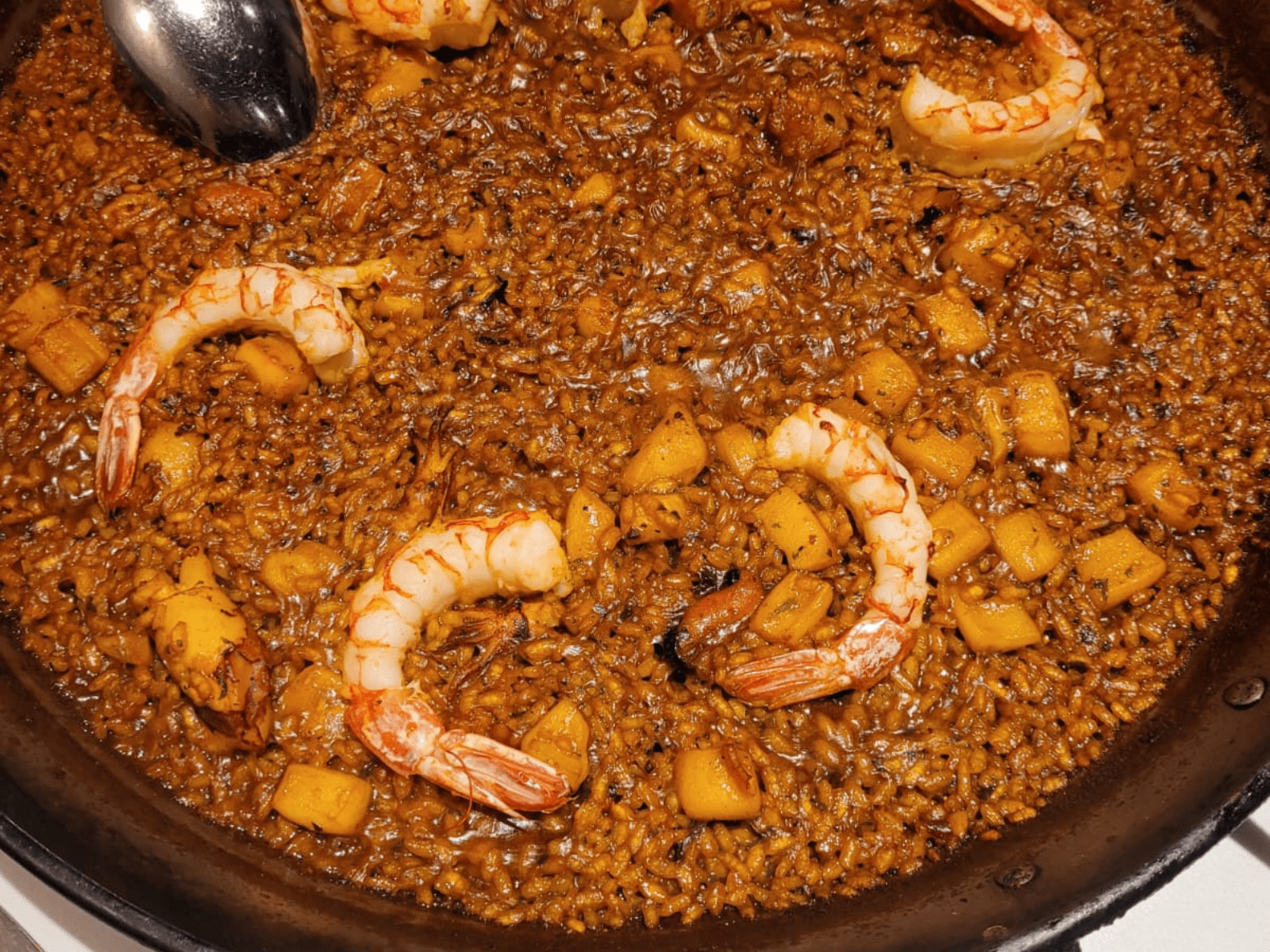
A great moment in front of the Palacio Real, and at the Madrid Masters tennis tournament, plus enjoying a good paella
This fellowship was a highly enriching experience, both professionally and personally. It allowed me to further strengthen my interest in complex interventional radiology, deepen my clinical and technical reasoning, and gain insight into the functioning of a high-volume referral centre. I also had the opportunity to extend it by one month, which allowed me to further consolidate my skills and make even greater progress.
I would like to express another time my sincere gratitude to CIRSE for awarding me this fellowship. I would also like to thank Dr José Urbano and the Head of Department, Dr Javier Blázquez, for their warm welcome, for providing me with this invaluable learning opportunity, and for giving me the opportunity to stay for an additional month.
I highly recommend the Ramón y Cajal Hospital as a hosting institution for future fellows!