

CIRSE Fellowship report: Albert Ang
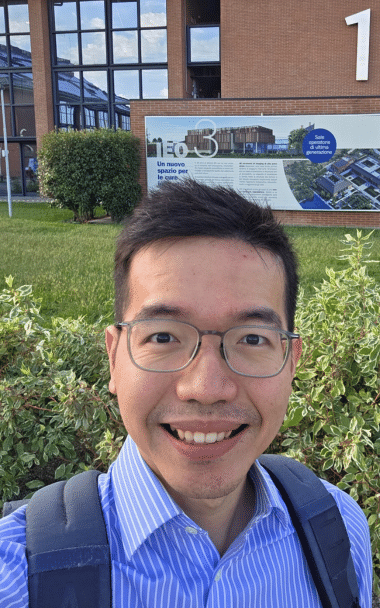
My name is Albert Ang and I am currently a consultant interventional radiologist at the Nottingham University Hospitals NHS Trust, a large tertiary trauma centre. I am originally from Malaysia but completed my diagnostic and interventional radiology training in Nottingham, UK.
When I first heard about the CIRSE fellowship grant, I was instantly intrigued by the opportunity. Interventional radiology has rapidly expanded over the past few years, continuously introducing new knowledge and advanced procedures. I recognised this as an exceptional opportunity, not only to expand my knowledge in the field, but also to gain some firsthand insight into the different healthcare systems and the setup of their respective interventional radiology departments. In particular, I was keen to deepen my knowledge in the field of interventional oncology.
The European Institute of Oncology (IEO) is a renowned centre and deemed one of the best specialised cancer treatment hospitals in the world. IEO is based in Milan, in the north of Italy, and at the moment, the IEO team comprises 8 interventional radiologists, led by Dr. Franco Orsi.
Dr. Franco Orsi, my mentor for the fellowship, was extremely warm and helpful, even at the very early stage of my arrangement for this fellowship. On site, the extended team were fantastic and inclusive, sharing their day to day practice with me. They made sure we were well looked after at all times, even translating for me often so that I could get the full depth of learning. We regularly have coffee and meals together, and I even had the opportunity to join one of their organised training courses, a Breast Ablation Masterclass. Another perk is the brilliant cafeteria which is honestly one of the best hospital cafeterias I’ve experienced.
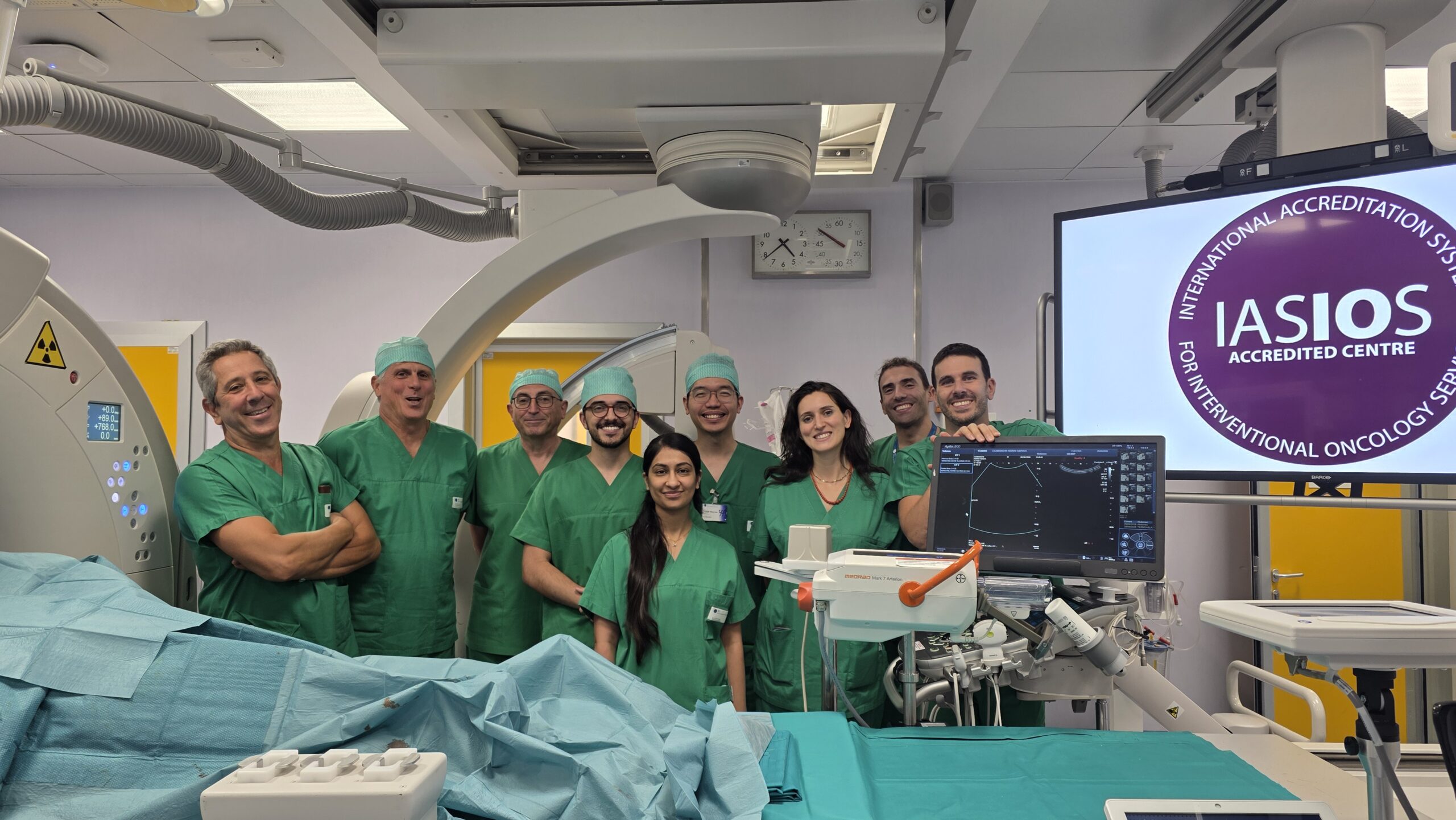
Myself, the interventional radiology team at the European Institute of Oncology, and the other CIRSE fellows.
There was a huge range of procedures to watch and learn. It was so educational to experience the meticulous planning put into each case to ensure excellent results. There were also plenty of opportunities to discuss each case regarding patient selection, tips and tricks to ensure a successful procedure or managing complications and also follow up plans for individual patients.
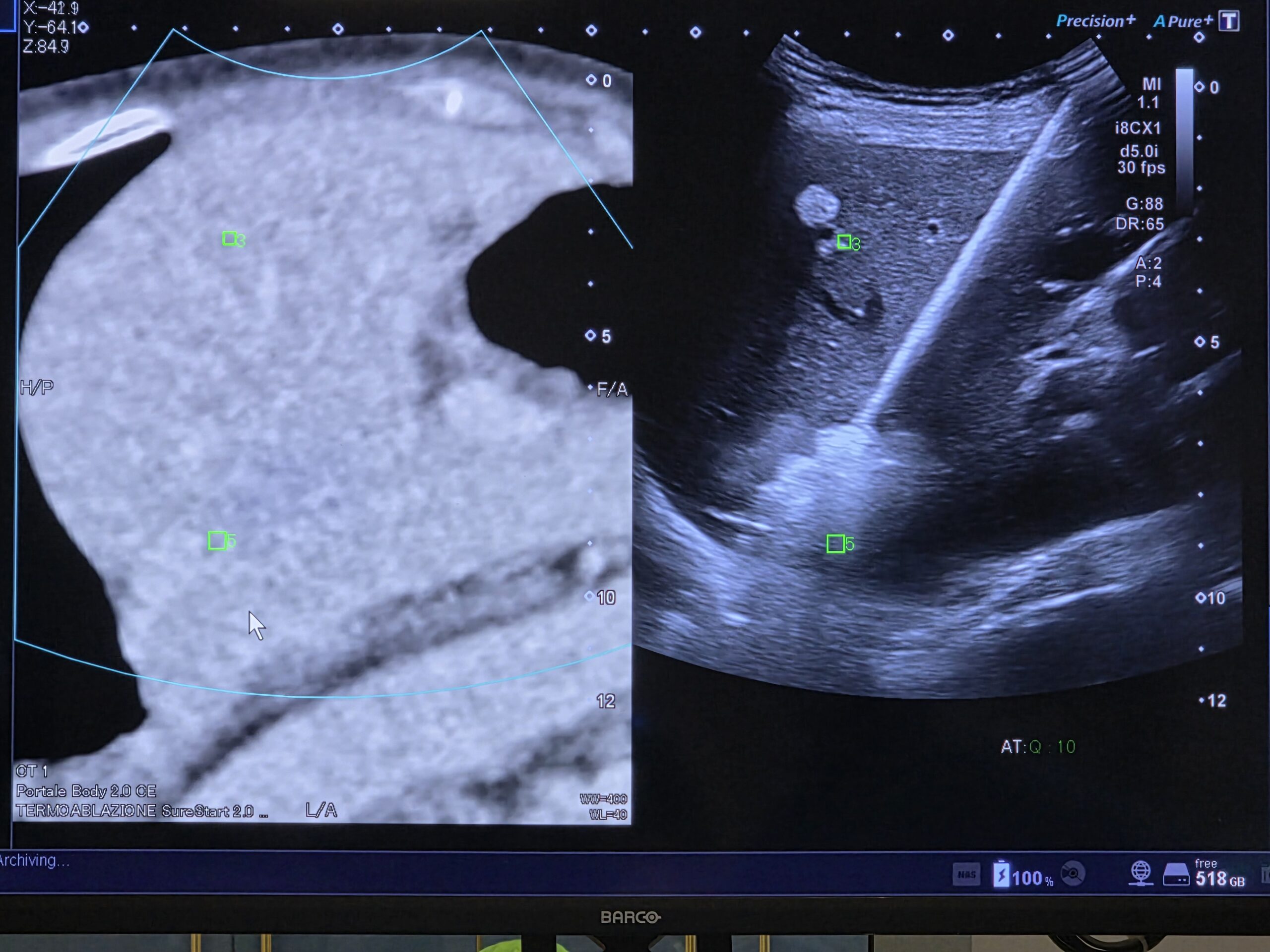
One of the highlights was witnessing the usage of double lumen endotracheal tubes as a means to improve their outcomes in liver ablation. By using single lung ventilation, this facilitates “freezing” of the liver position resulting in reliable use of the fusion imaging technology between CT and ultrasound. This allows considerably more precise positioning of the needle probe in the liver lesion under ultrasound.
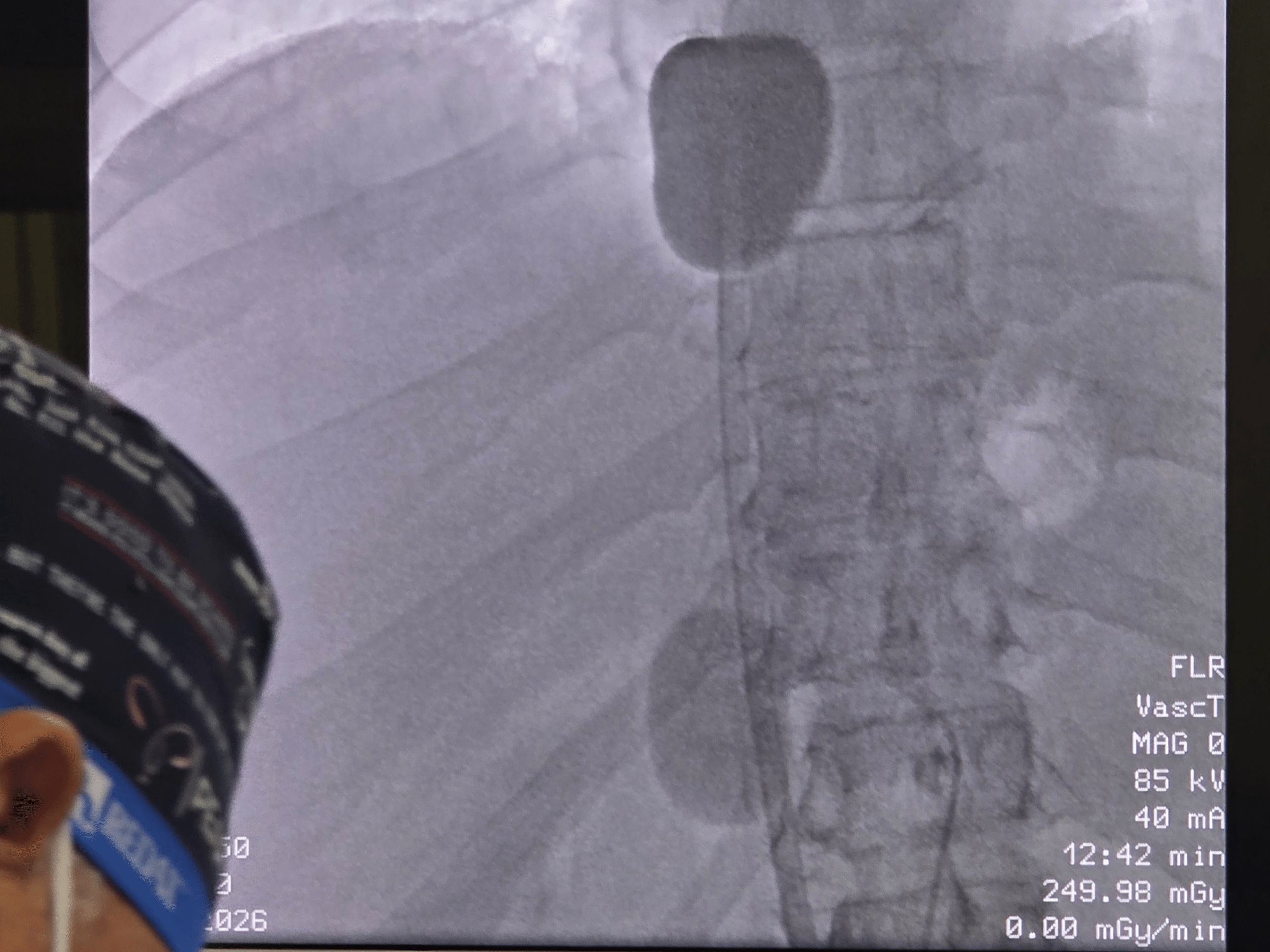
The other highlight was the opportunity to witness the chemoperfusion procedure. IEO is one of the few centres in Europe which offers this procedure. I was amazed by the number of multi-disciplinary teams involved in the procedure and how much logistical planning was invested in it to ensure the success and safety of the procedure. I was also impressed by the research that the team is currently involved in to explore the wider use of chemoperfusion in other oncology diseases.
During the fellowship, I was also pleasantly surprised to meet two other CIRSE grant fellows at the IEO whose attachment periods overlapped with mine. This was certainly also one of the highlights of my fellowship. We were able to learn a great deal from each other how healthcare systems vary internationally, from individual local practices to differences in departmental setup. We also had the opportunity to socialise over meals. These interactions were a clear reminder that there is always more to learn from peers around the world.
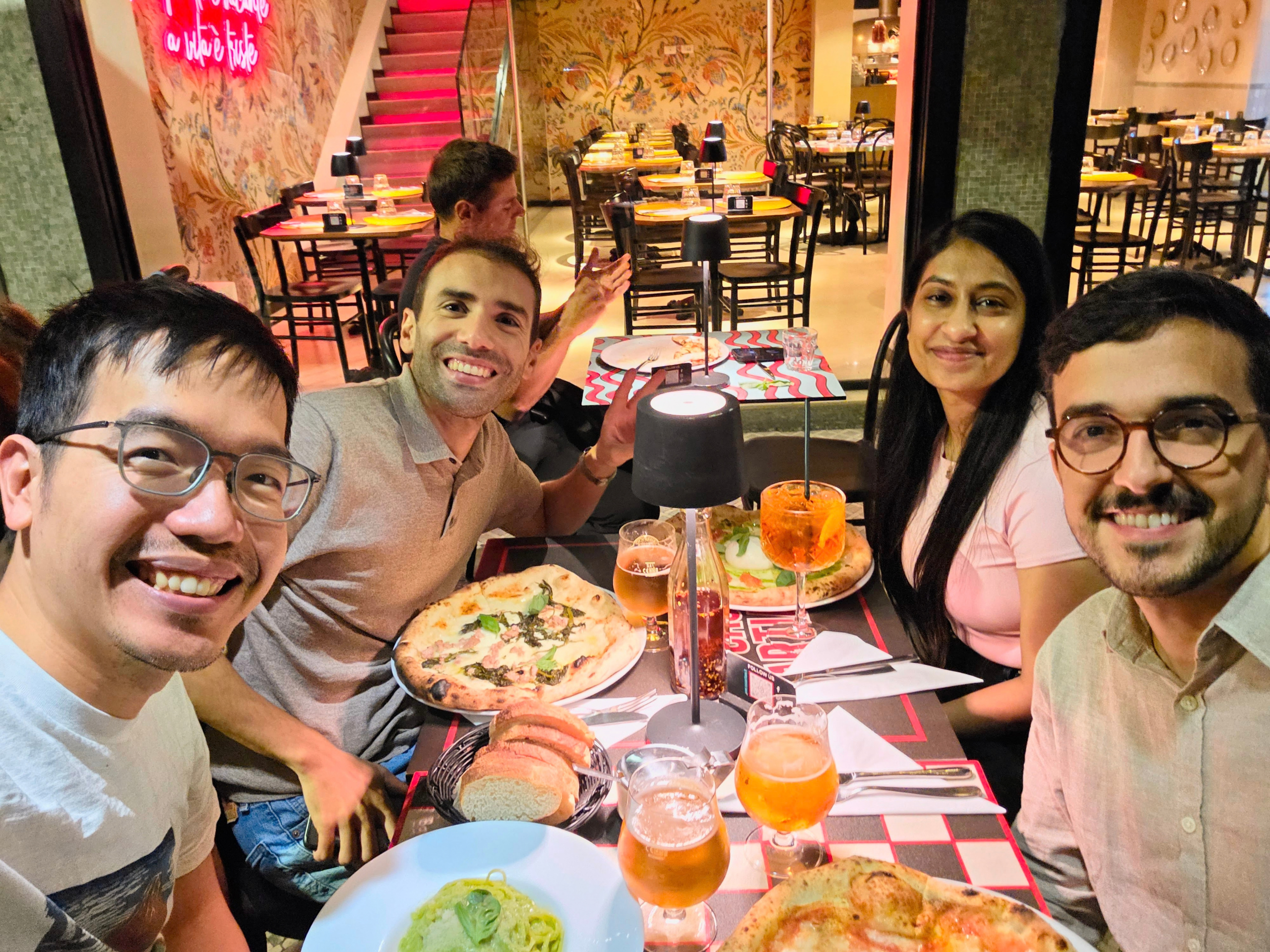
A meal with the other CIRSE fellows Dr Luis Felipe Andrade, Dr Shreya Garg, and IEO IR resident Dr Giuseppe Caggiari.
Dr. Orsi is a great mentor with extensive valuable knowledge and also a huge inspiration especially in the dedication he puts into building up the IR service that IEO currently has. His vision and aspiration for the field of interventional radiology was deeply inspiring. It was amazing to see how far this set-up has helped in the progression of their department and service. I learnt how to appreciate the depth and importance in providing quality services with excellent results and longitudinal care.
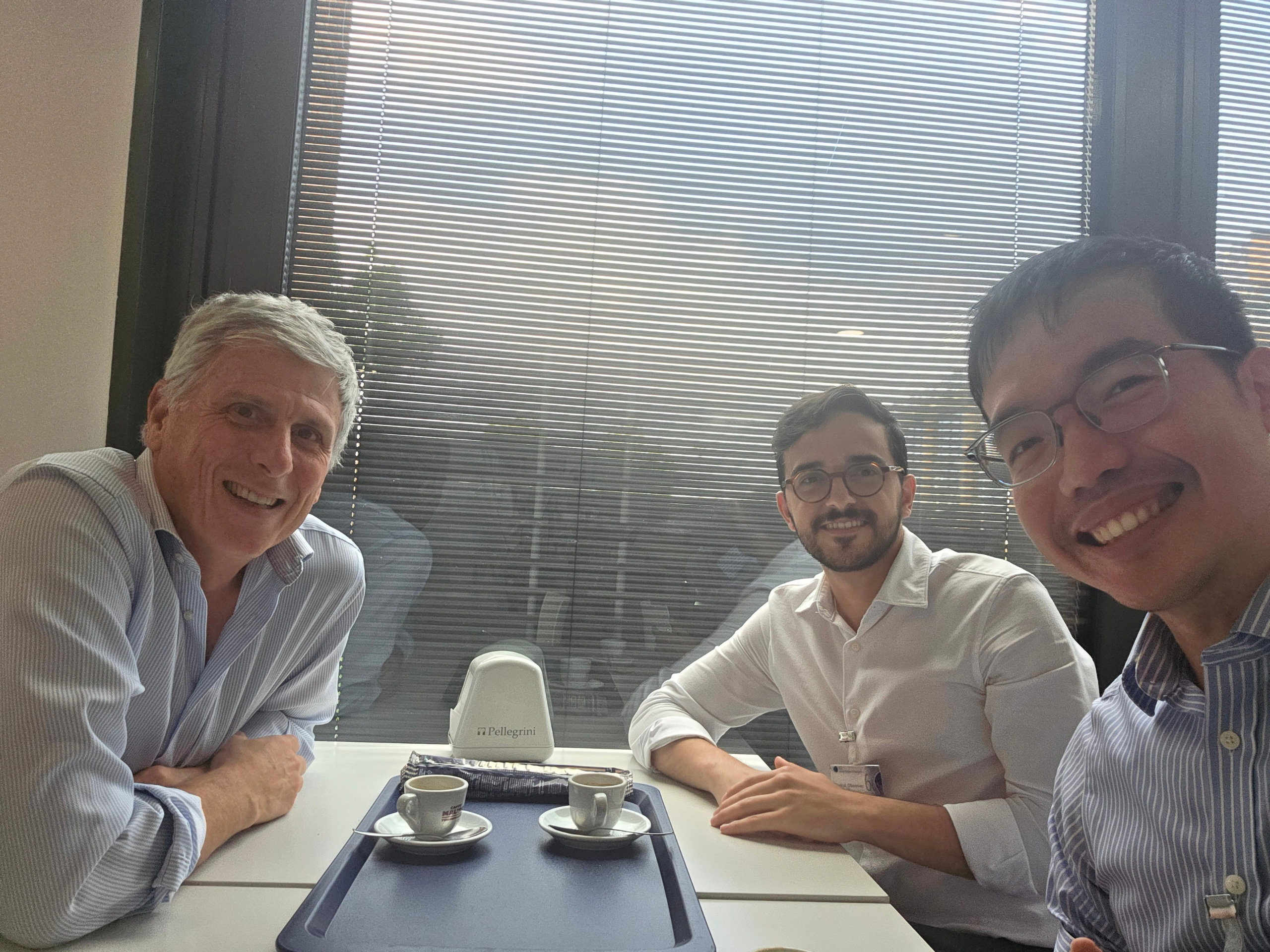
Afternoon coffee with Dr. Franco Orsi and CIRSE fellow Dr Luis Felipe Andrade.
Milan is a beautiful place with a deeply rich historical past and this is reflected in the delightful city with all the magnificent buildings. Within Milan itself, I visited some historical buildings like the Duomo di Milano, Galleria Vittorio Emanuele II and also Castello Sforzesco. I also extended my sightseeing to the north of Milan, about an hour away, where I had the opportunity to visit the famous Lake Como and Bellagio.
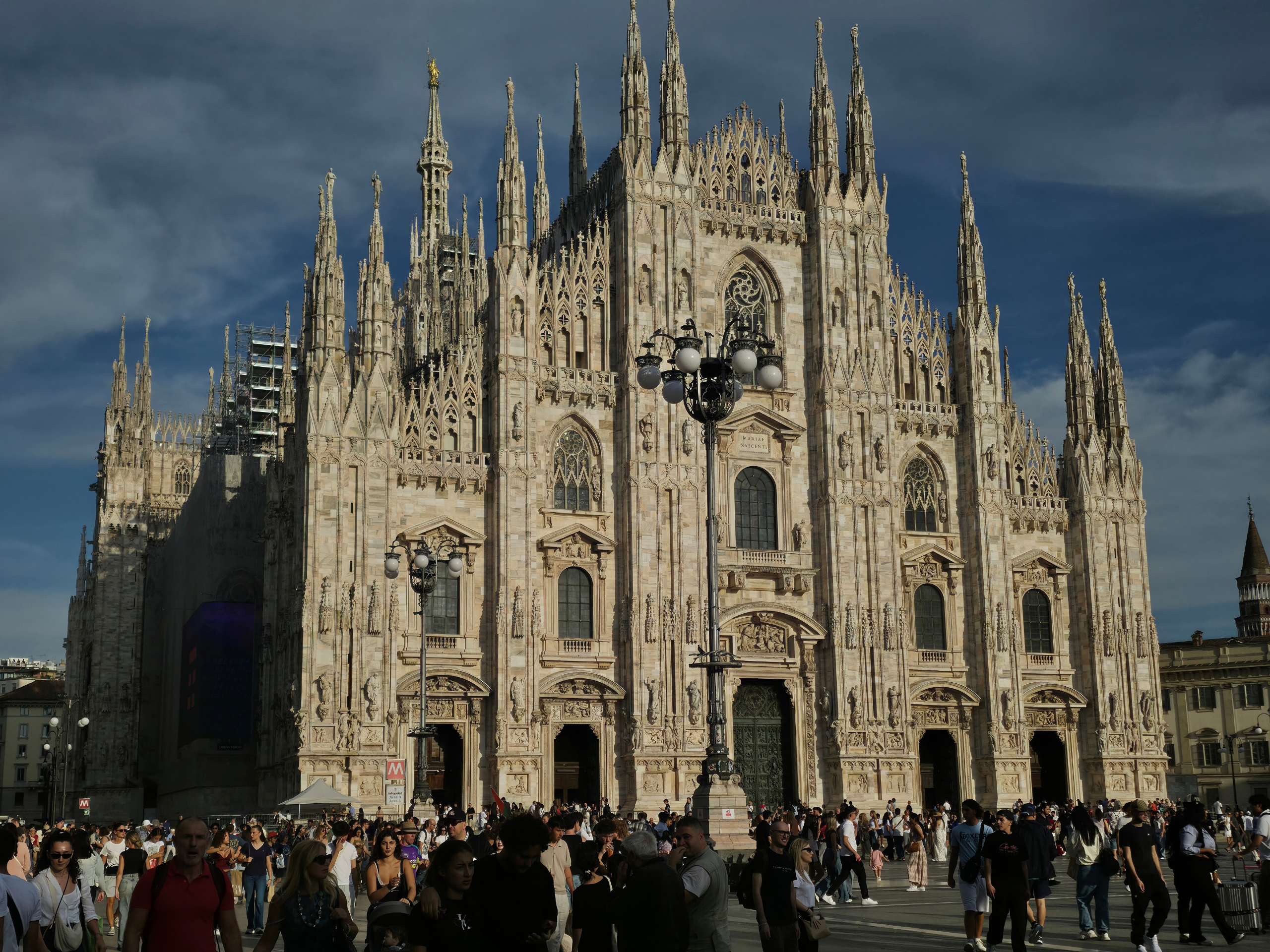
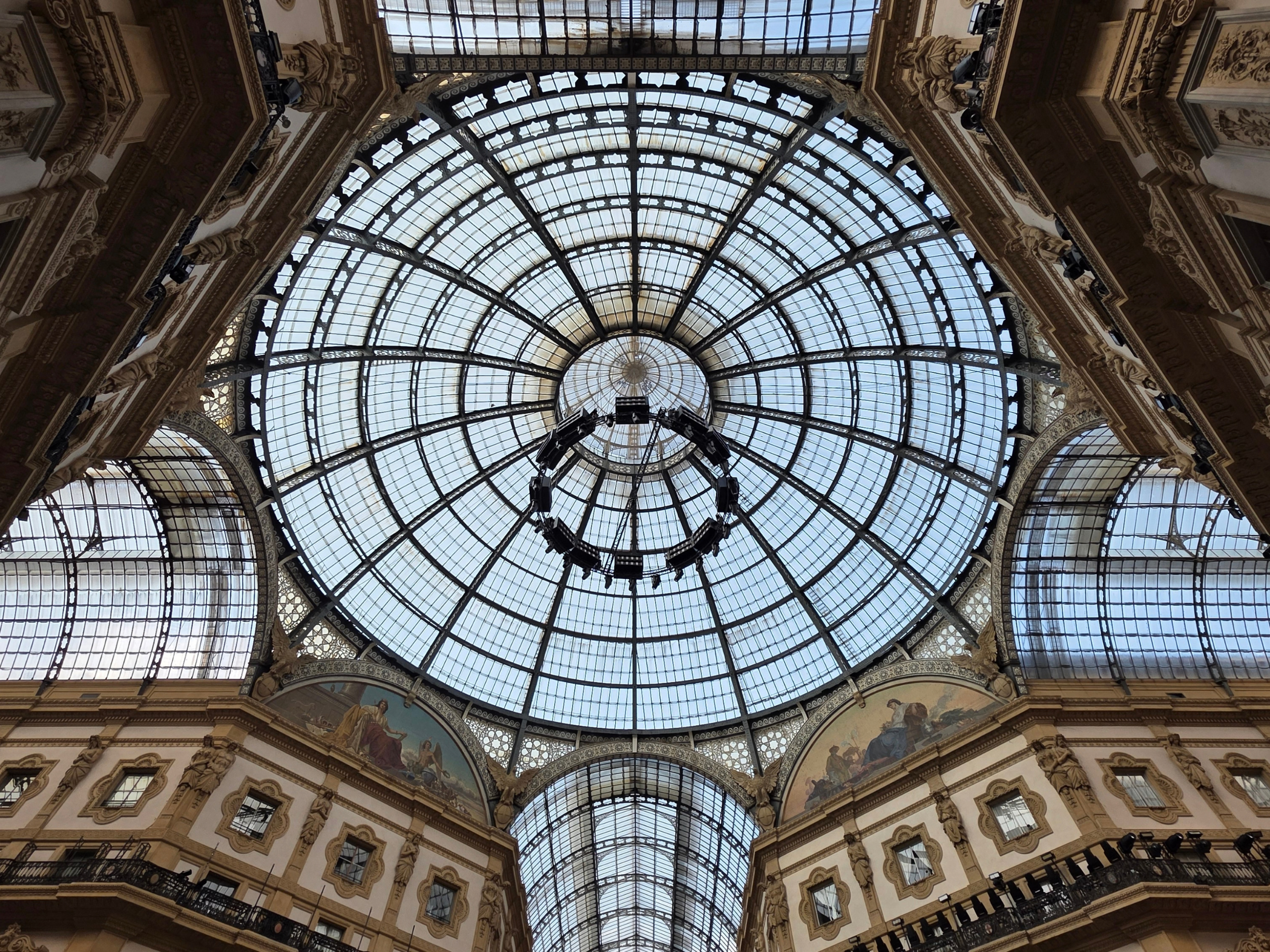
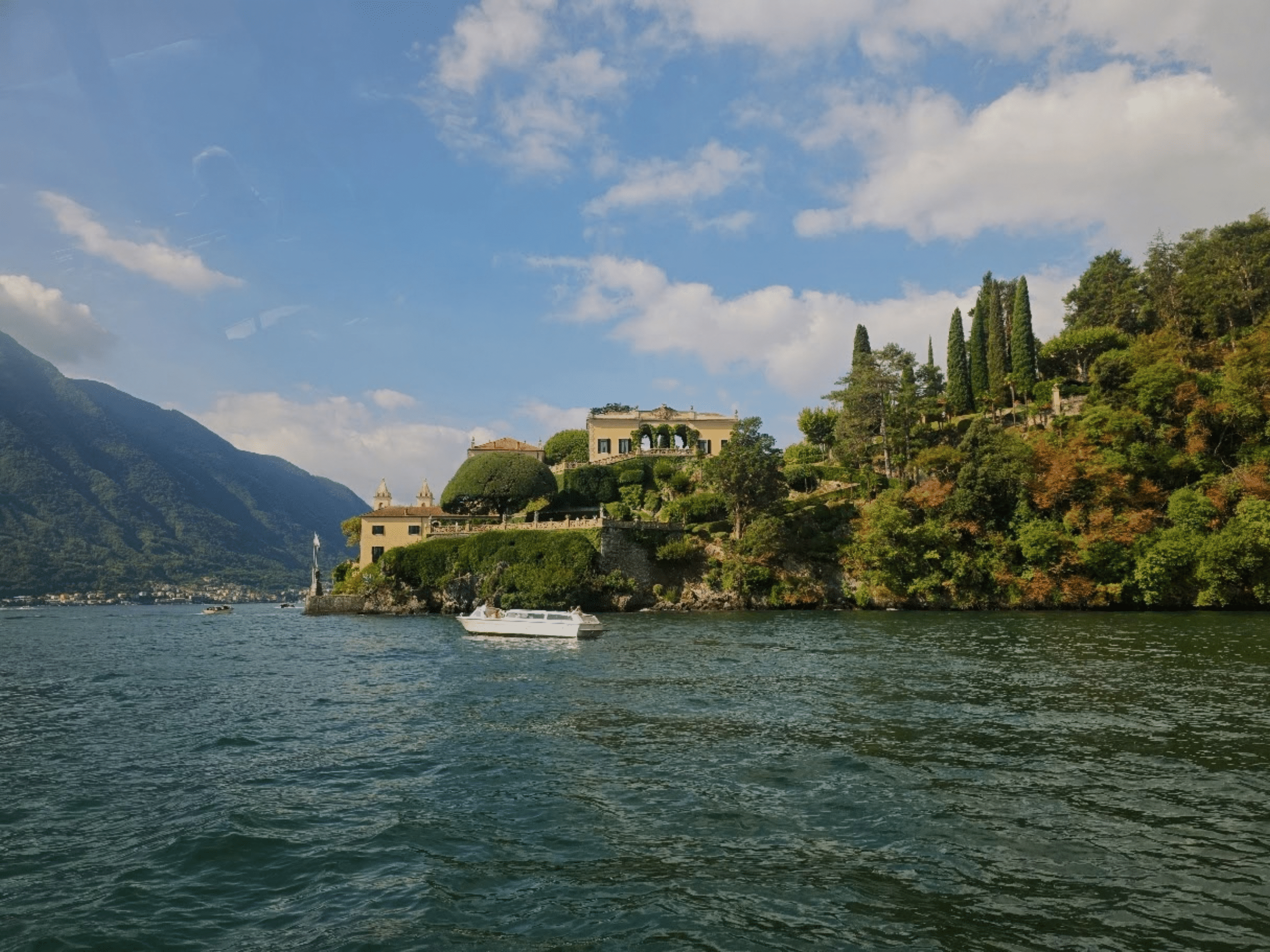
Photo montage: The architectural marvels of Milan provided a rich cultural setting as well as the stunning backdrop of Lake Como
With this fellowship, I have gained immensely from the experience.
Some of my take aways include:
- Gained good exposure to various types of ablation devices along with better appreciation of the pros and cons of each device.
- Developed skills and insights in pre-procedural imaging review, case selection and procedural planning (including access strategy and device selection)
- Understood and appreciated the full interventional oncology pathway in a comprehensive cancer centre, from referral and multidisciplinary tumour board discussion to procedure and follow-up
Overall, this fellowship has been an incredible and invaluable experience. It has not only provided me with professional development and exposure to interventional oncology, but also wonderful friendships, and a passion and enthusiasm for the future of my specialty. I look forward to bringing this knowledge back and implementing it in my practice in the future.
I am immensely grateful to CIRSE, IEO, and especially Dr. Franco Orsi and his IR team for this fantastic learning opportunity and experience.