


CIRSE Fellowship report: Rajat Singhal
I had the privilege of undertaking a CIRSE-supported fellowship at Hull Royal Infirmary, Hull University Teaching Hospitals NHS Trust, during July–August 2026. Hull Royal Infirmary is a major tertiary referral centre with a high-volume interventional radiology service comprising four dedicated IR theatres and a broad range of vascular, neurointerventional and non-vascular procedures. The integration of vascular and neurointerventional practice, including the involvement of vascular IR in mechanical thrombectomy for acute stroke, provided a particularly valuable learning environment.
I was fortunate to learn from and interact with Dr. Raghuram Lakshminarayan, Dr. Duncan Ettles, Dr. Paul Maliakal, Dr. Leve Joseph, Dr. Saira Syaeed, Dr. Vivek Shrivastava, Dr. Karthik Ponnuswamy, Dr. Aprateem Mukherjee and Dr. Saad, as well as the wider IR, nursing and radiography teams. Their approachability, teaching and willingness to discuss clinical decision-making and technical strategies significantly enhanced the fellowship.
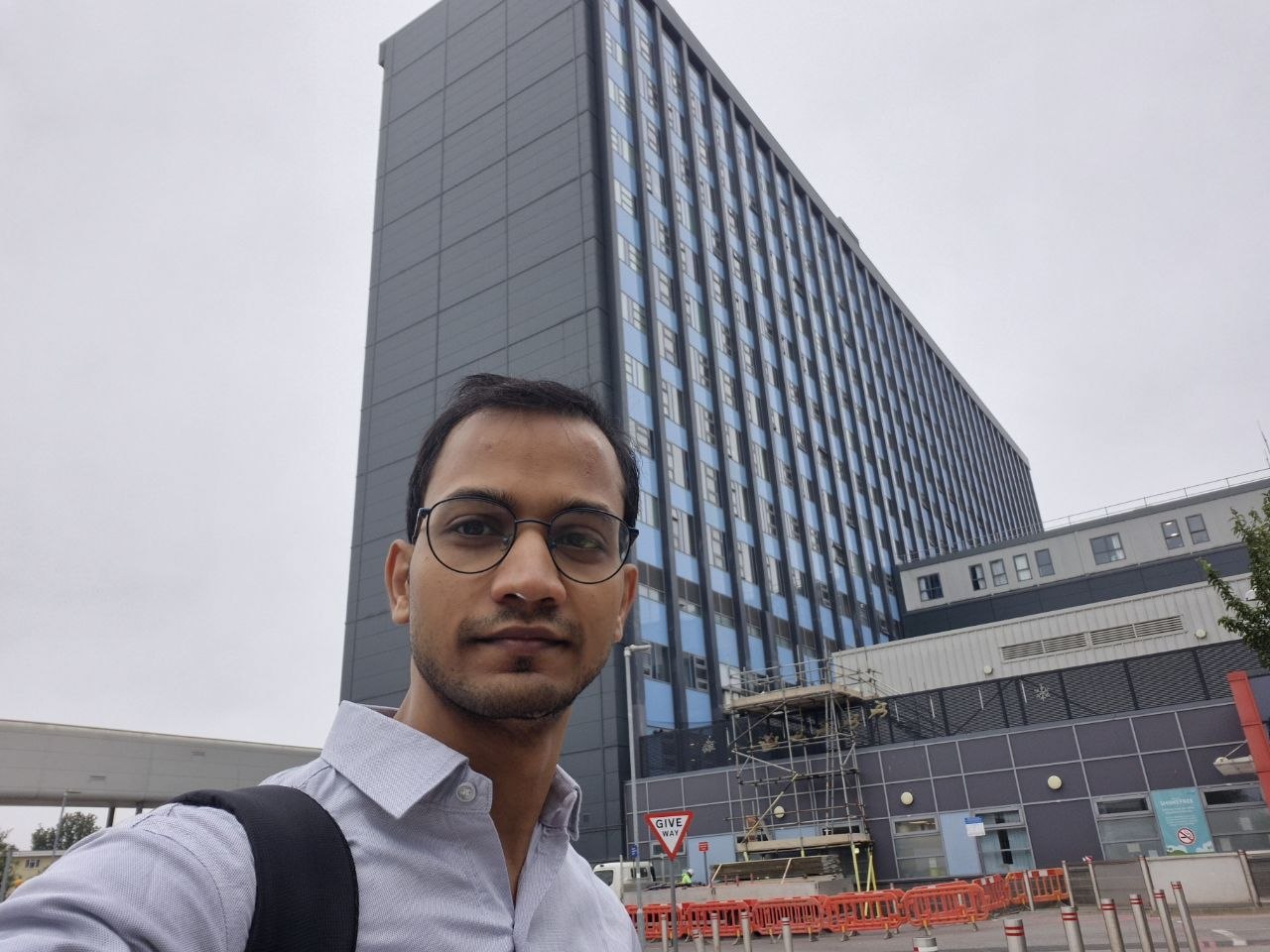
At the Hull Royal Infirmary
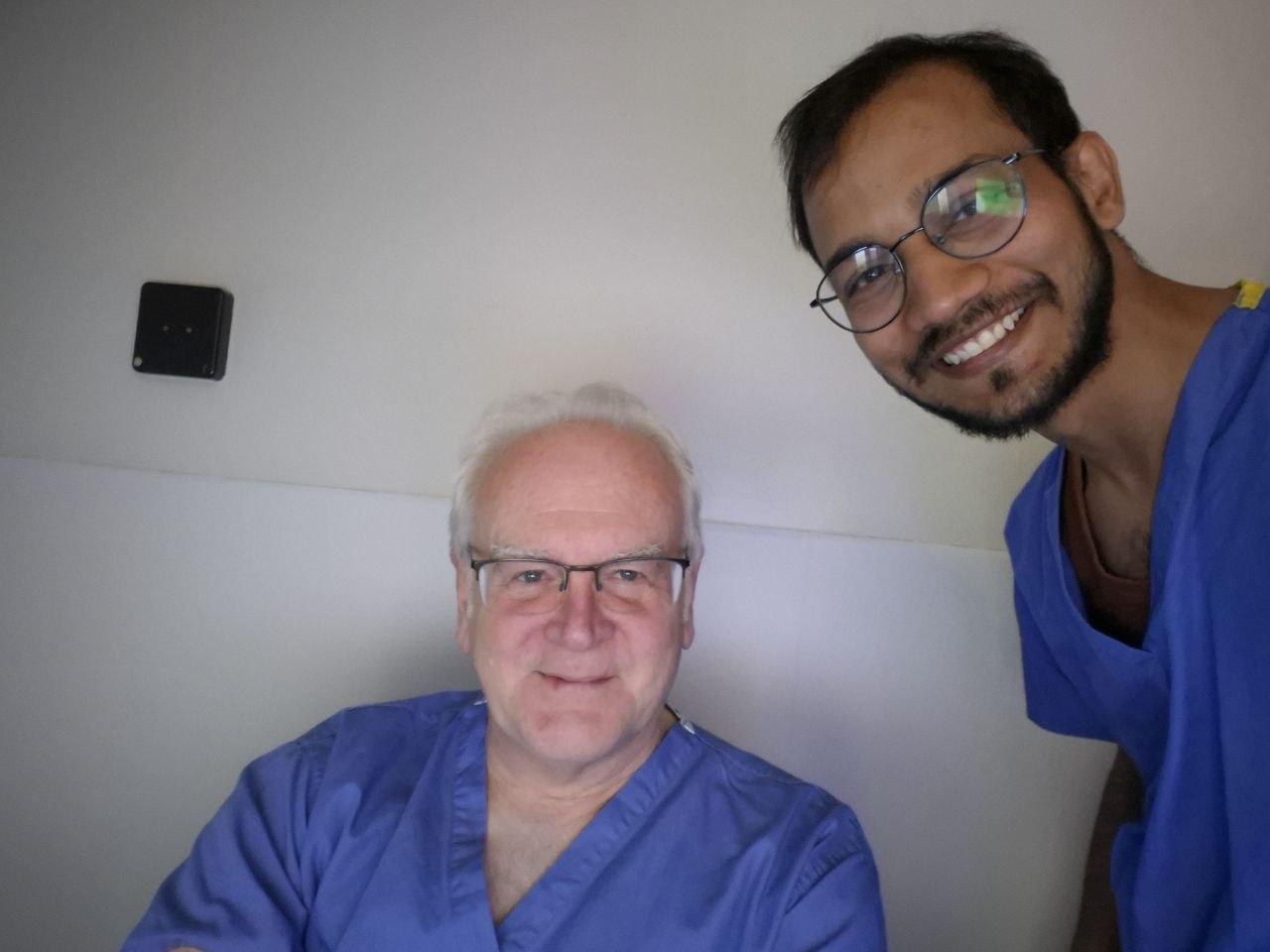
With Prof. Dr. Duncan Ettles
Educational objectives and clinical experience
The principal objectives of the fellowship were to consolidate my experience in vascular, aortic and neurointerventional procedures; gain exposure to contemporary endovascular techniques; and understand NHS pathways for multidisciplinary care, governance, research and quality improvement.
Neurointerventional practice: I observed a substantial number of mechanical thrombectomies for both anterior and posterior circulation stroke. This provided valuable insight into the complete stroke pathway, from imaging assessment and patient selection to procedural planning and intervention. I also observed management of challenging intracranial aneurysms, with particular emphasis on procedural strategy and device selection.
Vascular and aortic intervention: A major component of the fellowship was exposure to complex vascular intervention, including EVAR, TEVAR and FEVAR. I gained insight into pre-procedure planning, device selection, large-bore access and closure techniques. The high volume of peripheral arterial disease interventions provided exposure to contemporary techniques including drug-coated balloons, stenting, intravascular ultrasound, intravascular lithotripsy, atherectomy and re-entry devices. I particularly valued observing systematic wire escalation, management of difficult lesions and strategies for dealing with intraprocedural complications. I also observed emergency EVAR, gastrointestinal bleeding interventions, mesenteric artery stenting, renal angiomyolipoma embolisation and varicocele embolisation. Exposure to clinical trials, including CLARITY PAD, demonstrated how research can be incorporated into routine clinical practice.
Dialysis access and vertebral augmentation: I observed a large number of dialysis fistuloplasties, including treatment of acute thrombosis and use of drug-coated balloons, with patients also being enrolled into trials such as PAVE-2. Hull’s considerable experience in vertebroplasty and sacroplasty was particularly relevant to my practice. I gained practical insight into their unipedicular vertebroplasty technique, including needle positioning, advancement towards the midline and controlled rotation during cement injection. I also participated in vertebroplasty quality audit and radiation-safety in PADs audit, providing an understanding of how procedural practice can be systematically assessed and improved.
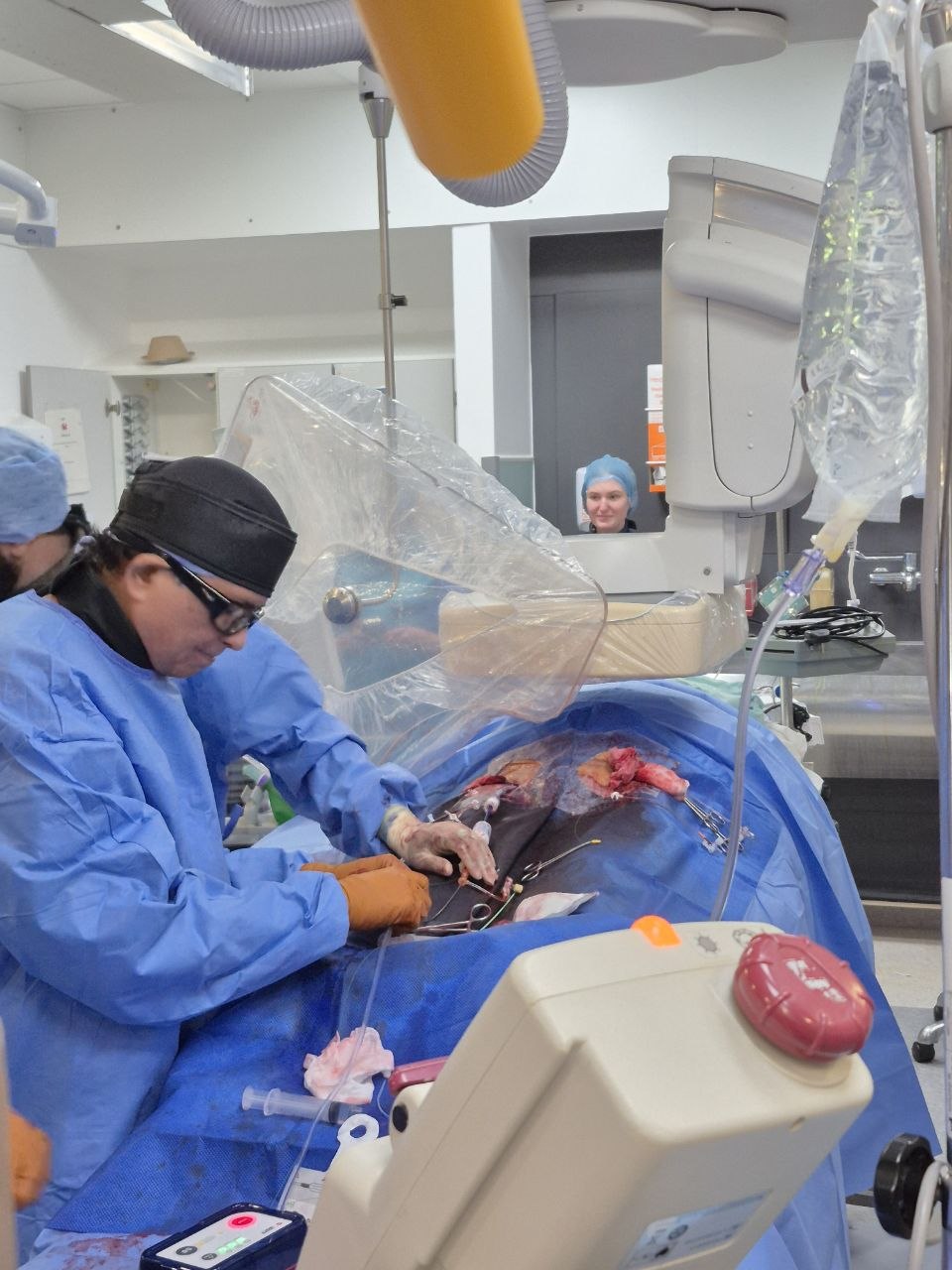
Dr. Lakshminarayan in action
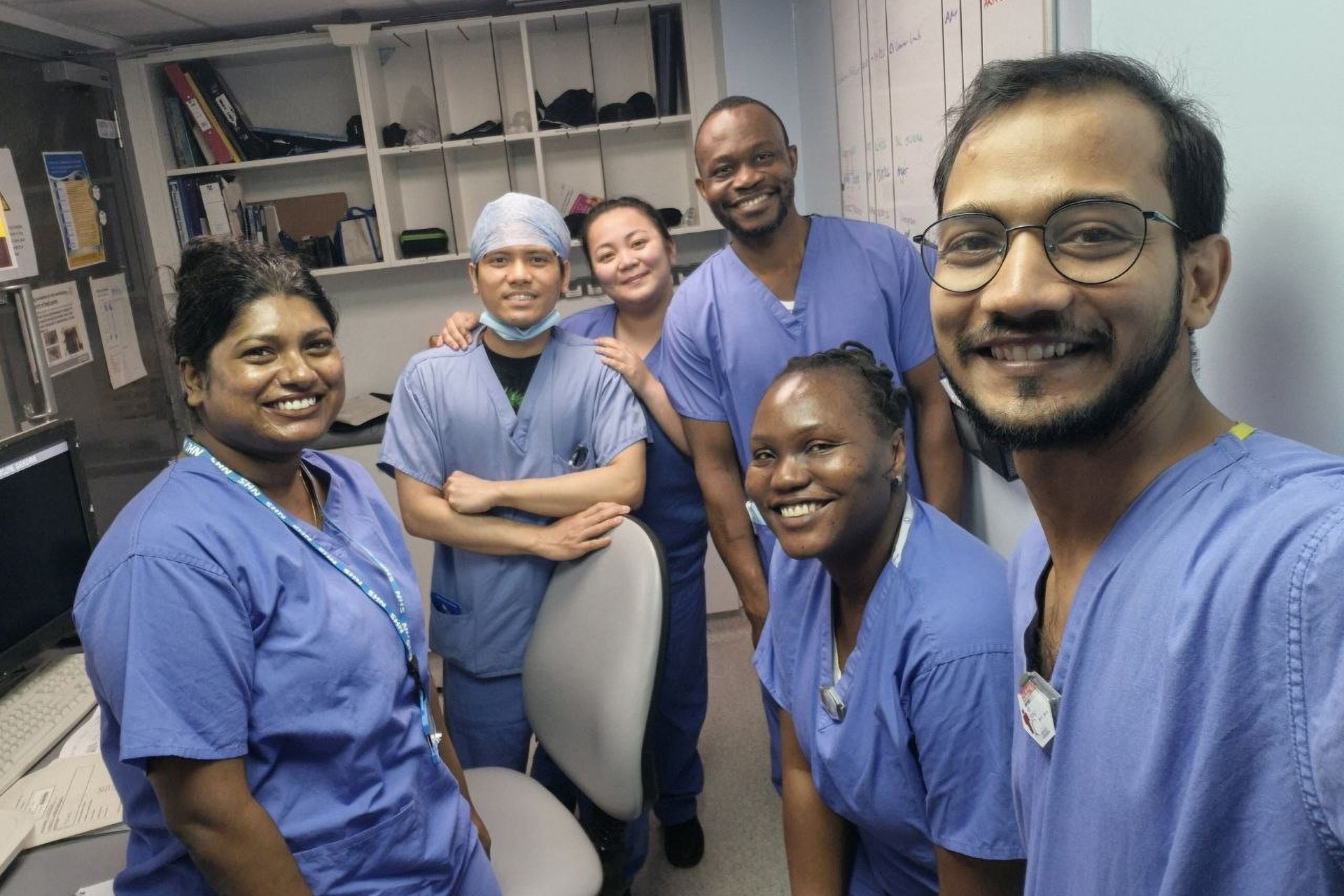
With nursing and radiographers team
Learning beyond procedures
An important component of the fellowship was understanding how clinical care is organised within the NHS. I attended structured vascular and neurointerventional MDTs involving interventional radiology, vascular surgery, neurology, neurosurgery and anaesthesia. This reinforced the importance of multidisciplinary decision-making and selecting the most appropriate treatment strategy before intervention.
I also gained insight into day-case IR pathways, post-procedure observation and discharge processes, and contributed to work evaluating discharge following IR procedures. This complemented my clinical learning by demonstrating how procedural efficiency and patient safety can be integrated into service design.
The fellowship also highlighted the strong culture of clinical governance, audit, research and quality improvement within the department. I particularly appreciated the systematic approach to radiation protection, including monitoring fluoroscopy time and radiation dose and the use of dose-optimisation strategies.
Key learning and application to my practice
The fellowship has strengthened my technical knowledge and, importantly, influenced my approach to procedural planning and service delivery. Key areas that I intend to incorporate into my practice include:
- More structured planning and escalation strategies for complex peripheral arterial interventions.
- Improved understanding of EVAR, TEVAR and FEVAR planning and execution.
- Appropriate incorporation of unipedicular vertebroplasty techniques into practice.
- Greater emphasis on radiation-dose monitoring and optimisation.
- Strengthening multidisciplinary decision-making and pre-procedure planning.
- Developing clinically relevant audits and quality-improvement projects.
- Improving day-case pathways and discharge processes where feasible.
- Greater integration of research and evidence-based practice into routine IR.
The experience also provided an opportunity to appreciate differences between the NHS and the Indian healthcare environment, particularly regarding device availability, cost and resource utilisation. I hope to adapt the principles learned in Hull to the Indian setting in a practical and sustainable manner.
Personal and professional development
Beyond procedural exposure, the fellowship provided valuable insight into the professional culture of a modern NHS interventional radiology service. Working alongside clinicians, nurses and radiographers allowed me to appreciate the importance of teamwork, communication, governance and structured service delivery. The experience increased my confidence in several areas of intervention and broadened my understanding of how clinical care, education, research and quality improvement can function together within an IR service.
The fellowship also enabled me to develop professional relationships and friendships with colleagues in Hull. The welcoming and supportive environment made the fellowship both academically rewarding and personally memorable.
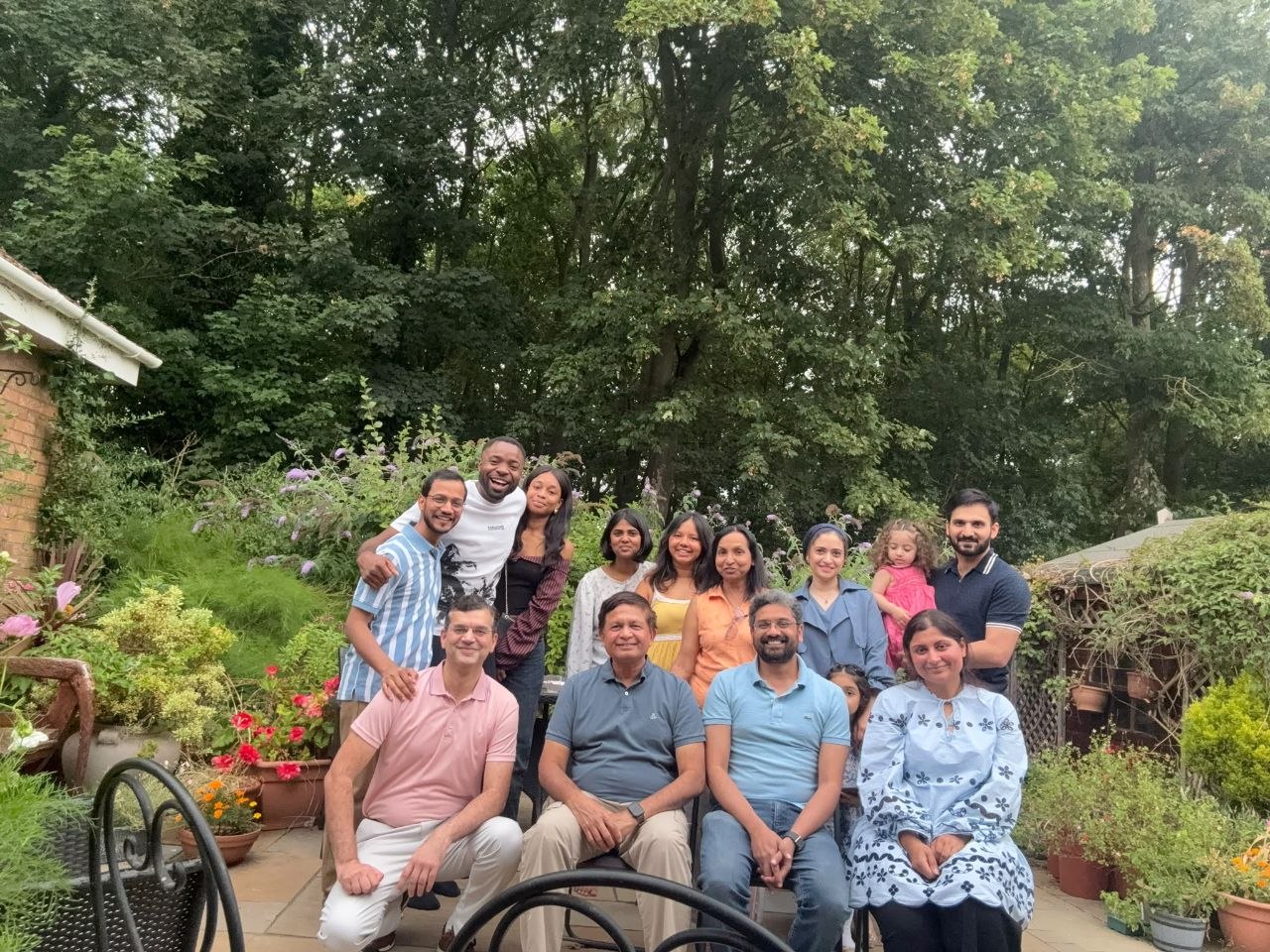
With the Hull family
Conclusion
My fellowship at Hull Royal Infirmary was an exceptionally valuable component of my professional development. The combination of high procedural volume, complex vascular and neurointerventional practice, multidisciplinary working, clinical audit, research and strong governance provided a comprehensive learning experience.
The fellowship has broadened my clinical perspective, strengthened my understanding of contemporary interventional radiology and provided several practical lessons that I can apply to my practice at Christian Medical College, Vellore.
I am sincerely grateful to CIRSE for supporting this fellowship and to the entire team at Hull Royal Infirmary for their teaching, mentorship and hospitality. I would particularly like to thank Dr. Raghuram Lakshminarayan, Dr. Paul Maliakal, Dr. Duncan Ettles, Dr. Leve Joseph, Dr. Saira Syaeed, Dr. Vivek Shrivastava, Dr. Karthik Ponnuswamy, Dr. Aprateem Mukherjee and Dr. Saad for their guidance throughout the fellowship.
I would also like to express my sincere gratitude to Dr. Shyamkumar NK, whose guidance, encouragement and support were instrumental in making this fellowship possible. Without his support, this valuable learning opportunity would not have been possible.
This experience has strengthened my clinical skills, expanded my professional outlook and will continue to influence my practice and future career in interventional radiology.