August 18, 2026
As part of a new initiative supported by the Gehrig-Pereira Grant, fifteen young European interventional radiologists received funding to attend an ESIR course in Maribor, Slovenia.







As part of a new initiative supported by the Gehrig-Pereira Grant, fifteen young European interventional radiologists received funding to attend an ESIR course in Maribor, Slovenia.
The European School of Interventional Radiology (ESIR) course on endovascular treatment of acute limb ischaemia, held from May 7-8 at UMC Maribor, Slovenia, marked an important milestone as the first pilot project of CIRSE’s Access to Care Initiative.
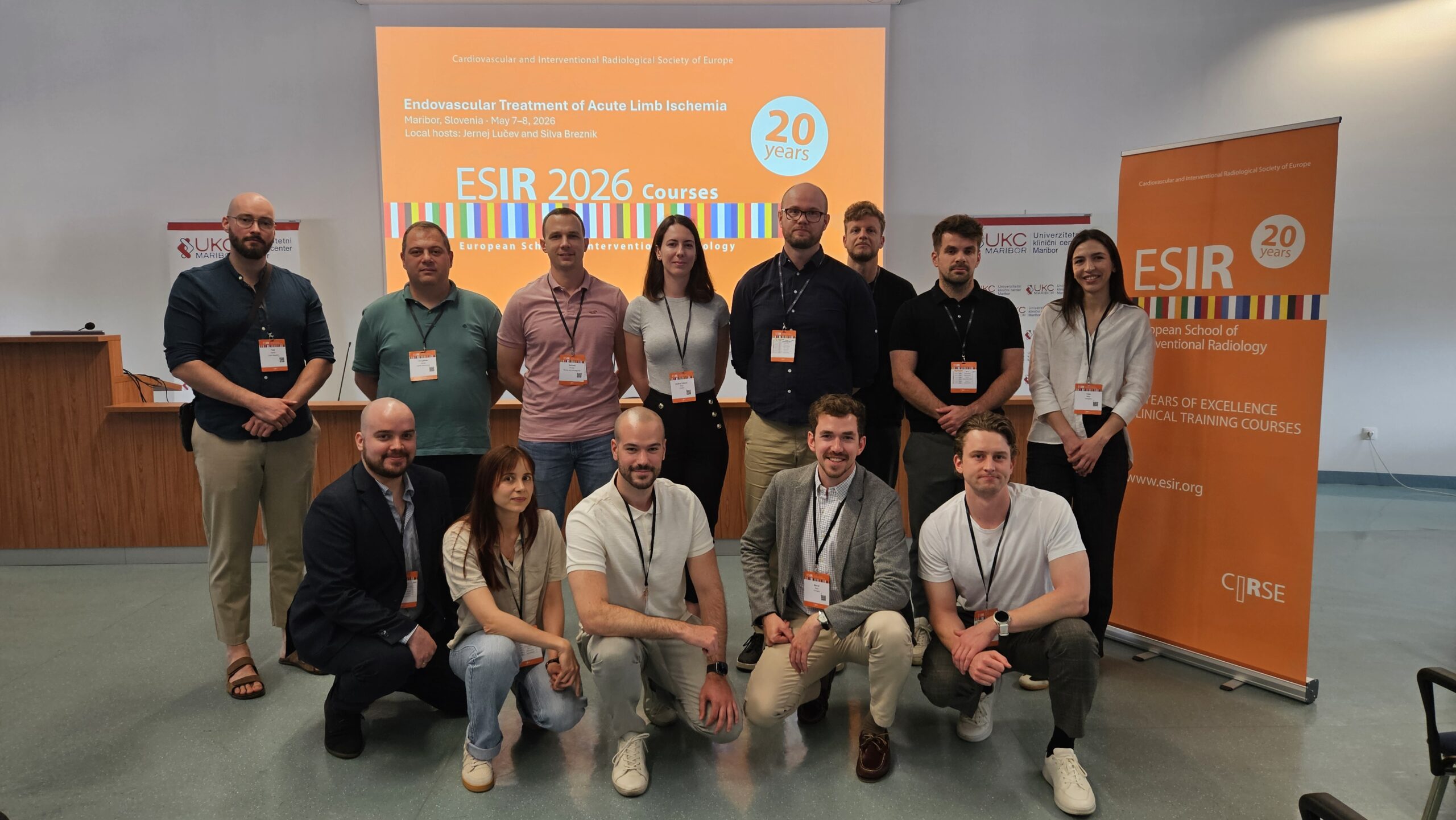
The Access to Care Initiative was recently launched to advance the availability of IR treatments and support current and future generations of interventional radiologists. One of its focus areas, Access to Care – Europe, aims to strengthen IR in Eastern and South-Eastern Europe. As part of this initiative, fifteen young European interventional radiologists received funding through the Gehrig-Pereira Grant to attend the ESIR course in Maribor and benefit from high-quality hands-on training in a crucial area of interventional radiology.
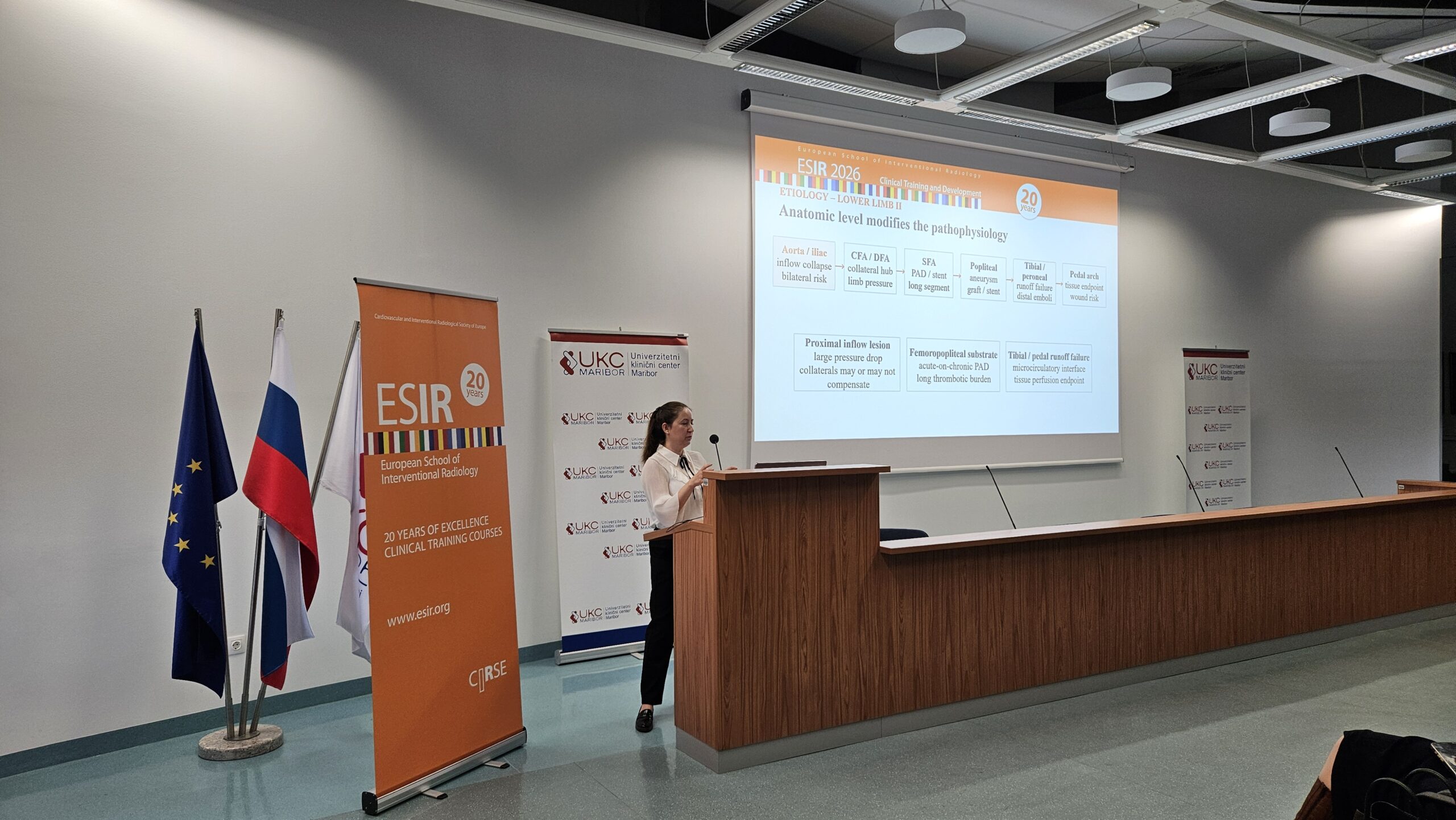
The course, hosted by Drs. Silvia Breznik and Jernej Lučev with faculty from Slovenia, Austria, Hungary, Croatia, and Greece, combined comprehensive lectures with extensive hands-on sessions.
Dr. Edit Dósa, one of the course’s faculty, emphasized both the clinical urgency of the topic and the value of regional education. “Acute limb ischaemia is a time-critical condition where rapid diagnosis, good decision making, and technical expertise can directly influence limb salvage and patient outcomes,” she said. “Holding the ESIR course in Maribor was important because it brought focused, practical education on this topic closer to colleagues in the region.”
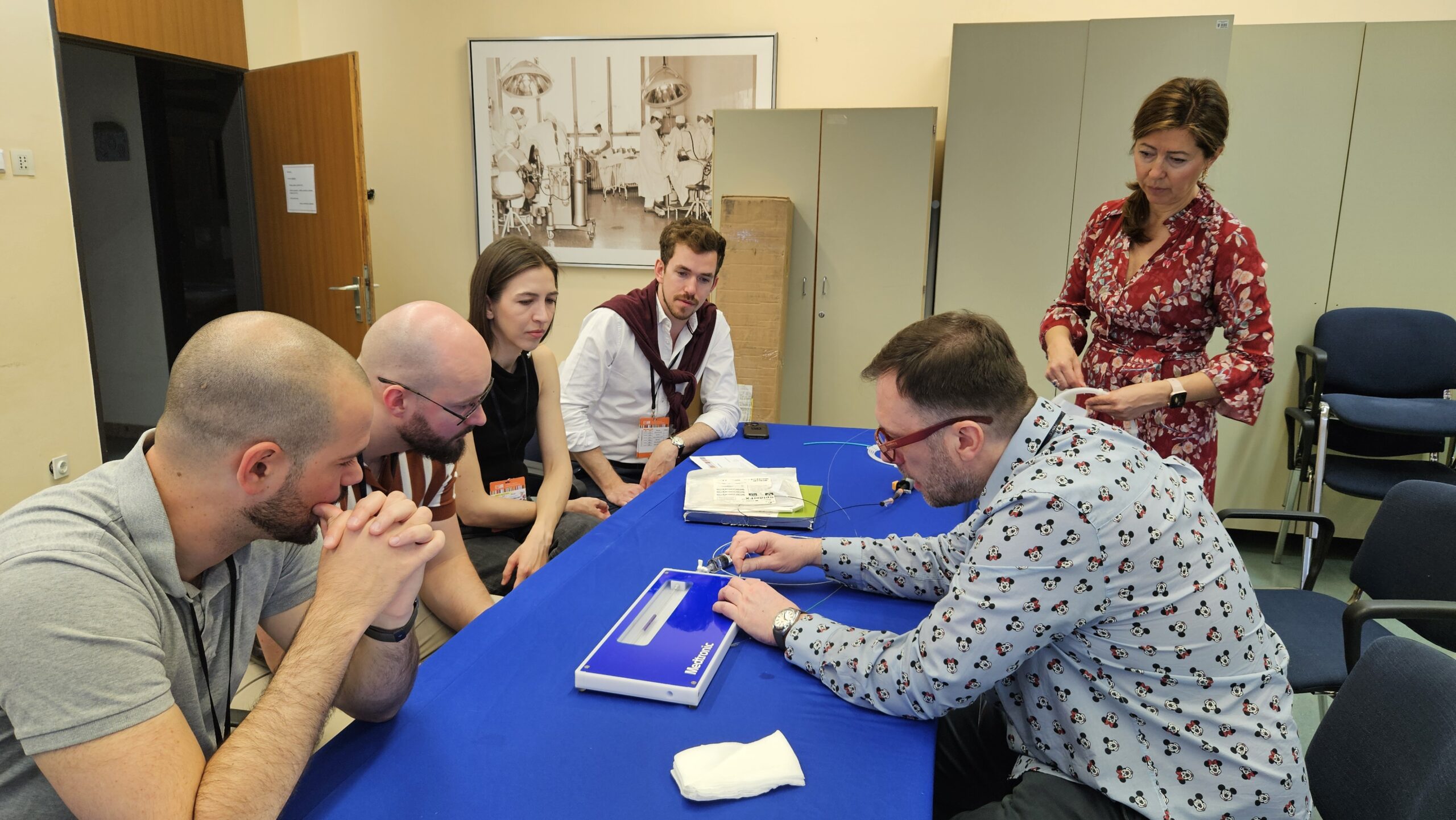
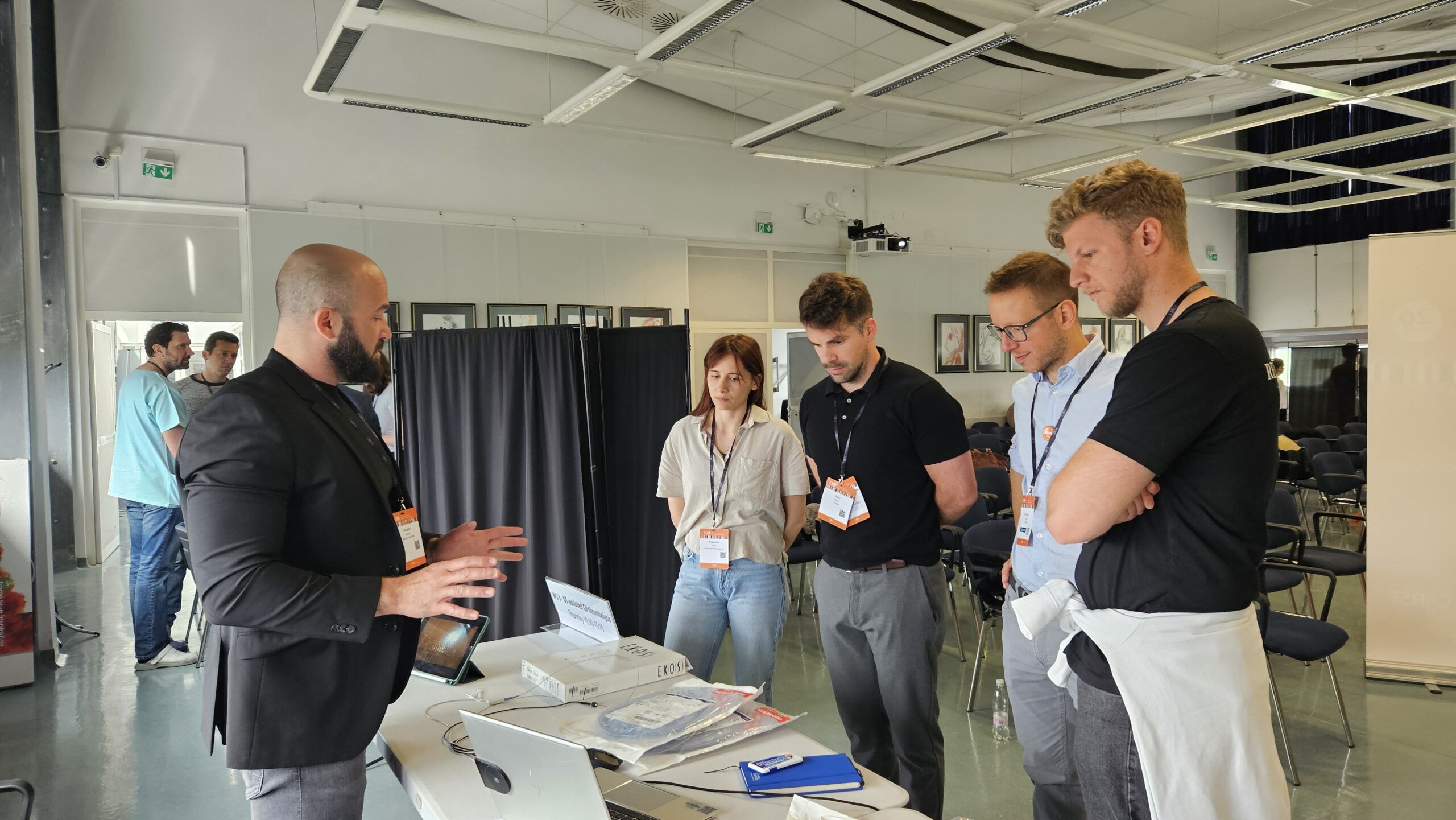
The course offered participants comprehensive exposure to the diverse technologies currently available for the endovascular treatment of acute limb ischaemia. Through hands-on training with a wide range of aspiration, thrombectomy, thrombolysis, and adjunctive devices, delegates developed a deeper understanding of the strengths, applications, and technical nuances of various treatment strategies.
Participants also benefited from real-life case discussions, step-by-step video reviews, and interactive troubleshooting sessions.
Networking with specialists and peers at a similar stage in their careers was also an advantage of the course. “As I am in the early stages of my interventional career, the approachable and collegial atmosphere of the course was particularly valuable,” said Dr. Kaur Valk, who learned about the course through the European Trainee Forum (ETF).
“The course structure also encouraged me to interact with the clinical and industry experts for more insightful learning,” he said, adding that the opportunity would not have been possible without grant support.
Dr. Lejla Prnjavorac attended with the aim of strengthening her knowledge of endovascular treatment and clarifying questions from daily clinical practice. She said the combination of expert teaching, case discussions, and hands-on device training would support her future work. “Learning directly from experienced specialists and discussing real clinical cases will help me make more confident and evidence-based decisions in everyday practice,” she said.
Dr. Prnjavorac also underlined the impact of receiving the Gehrig-Pereira Grant. “Coming from a country with a lower economic standard, I have to carefully choose which educational opportunities I can attend and how frequently,” she explained. “The grant support reduced the financial burden and enabled me to participate in an excellent educational programme that would otherwise have been much more difficult to access.”
The ESIR Maribor course embodied the mission of Access to Care – Europe and demonstrated what targeted education and meaningful financial support can achieve for the next generation of interventional radiologists in the region.