How has Centre of Excellence accreditation influenced collaboration across departments?
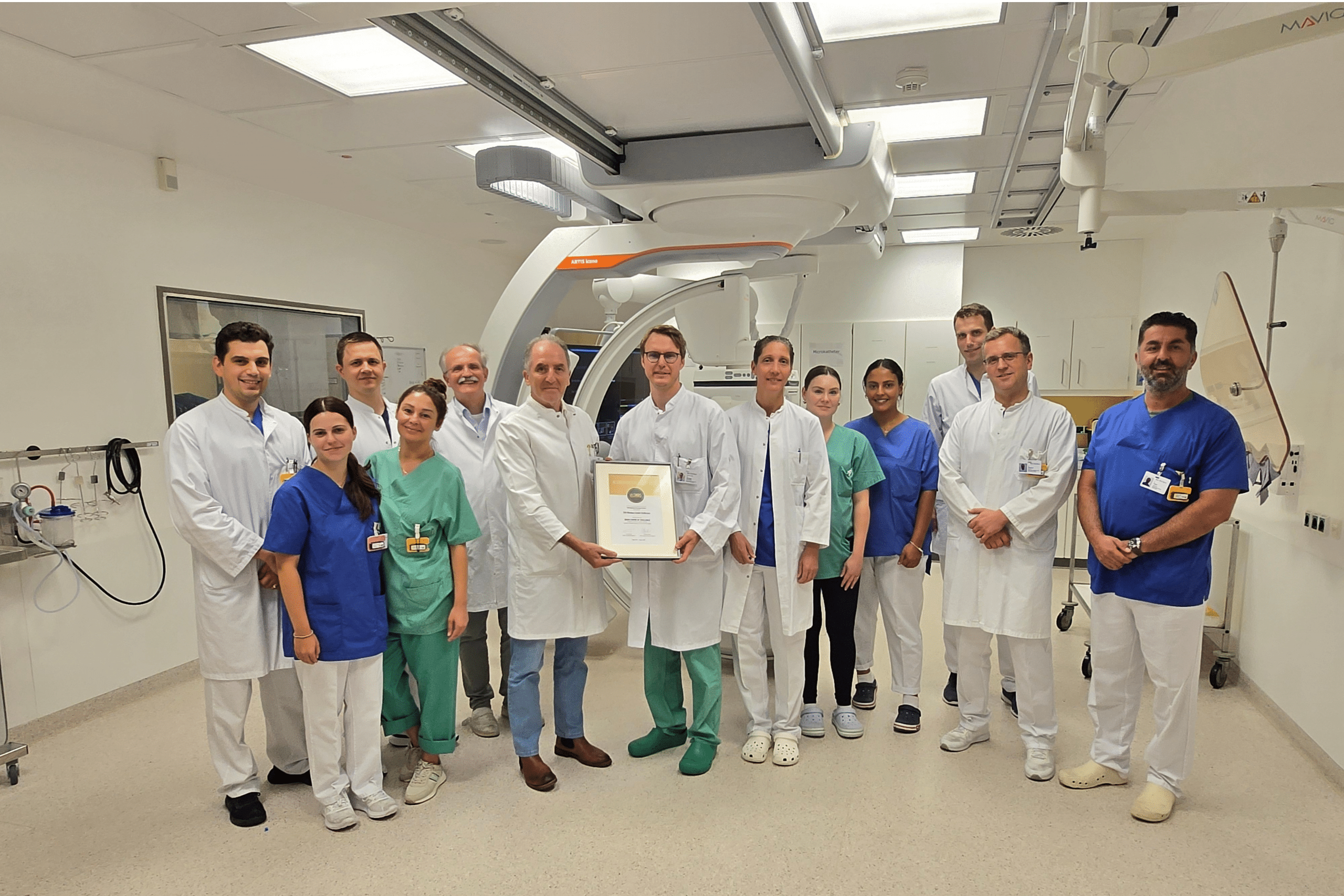
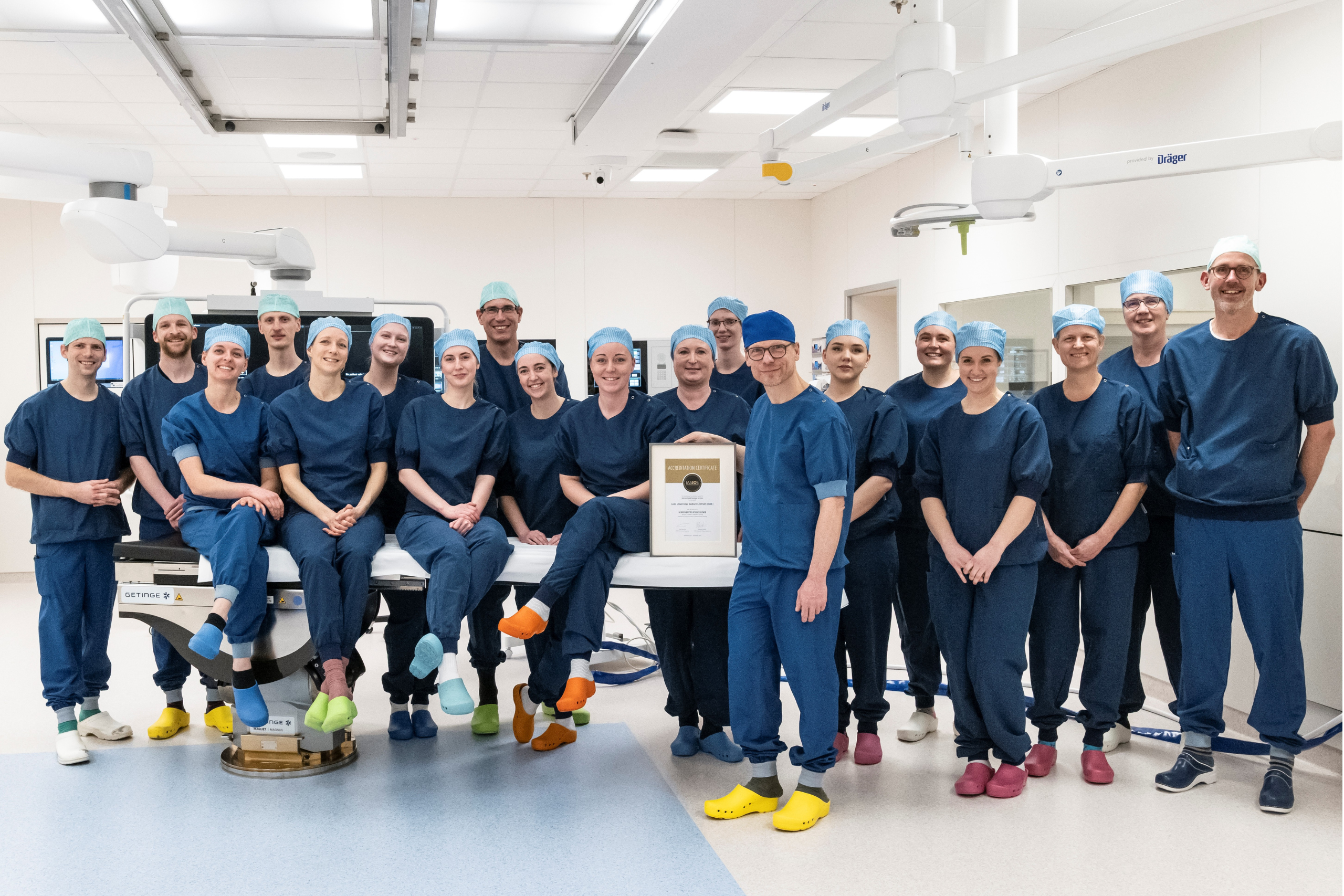
Najafi: Over the past four years, our service has evolved from establishing a high-quality interventional oncology service to embedding it as a core component of comprehensive cancer care. Pursuing Centre of Excellence status encouraged greater alignment between interventional radiology, oncology, nursing, and administrative teams, with clearer responsibilities and shared goals. Regular interprofessional discussions, structured documentation, and transparent reviews of both positive and negative events have become more deeply embedded in daily practice. This shared objective also fostered a sense of pride within the team, reinforcing collaboration and accountability.
Palussière: One important aspect of our experience at Institut Bergonié has been the close collaboration between the interventional radiology service and the hospital’s quality department. Quality assurance cannot depend solely on the physicians performing procedures, as it requires coordinated efforts from the entire team, including those responsible for documenting processes, monitoring compliance, and evaluating how care is delivered. Working towards IASIOS accreditation and Centre of Excellence designation has given us a common framework for these activities, helping make quality assurance a more structured and shared responsibility within our institution.
Has accreditation strengthened your position within the hospital?
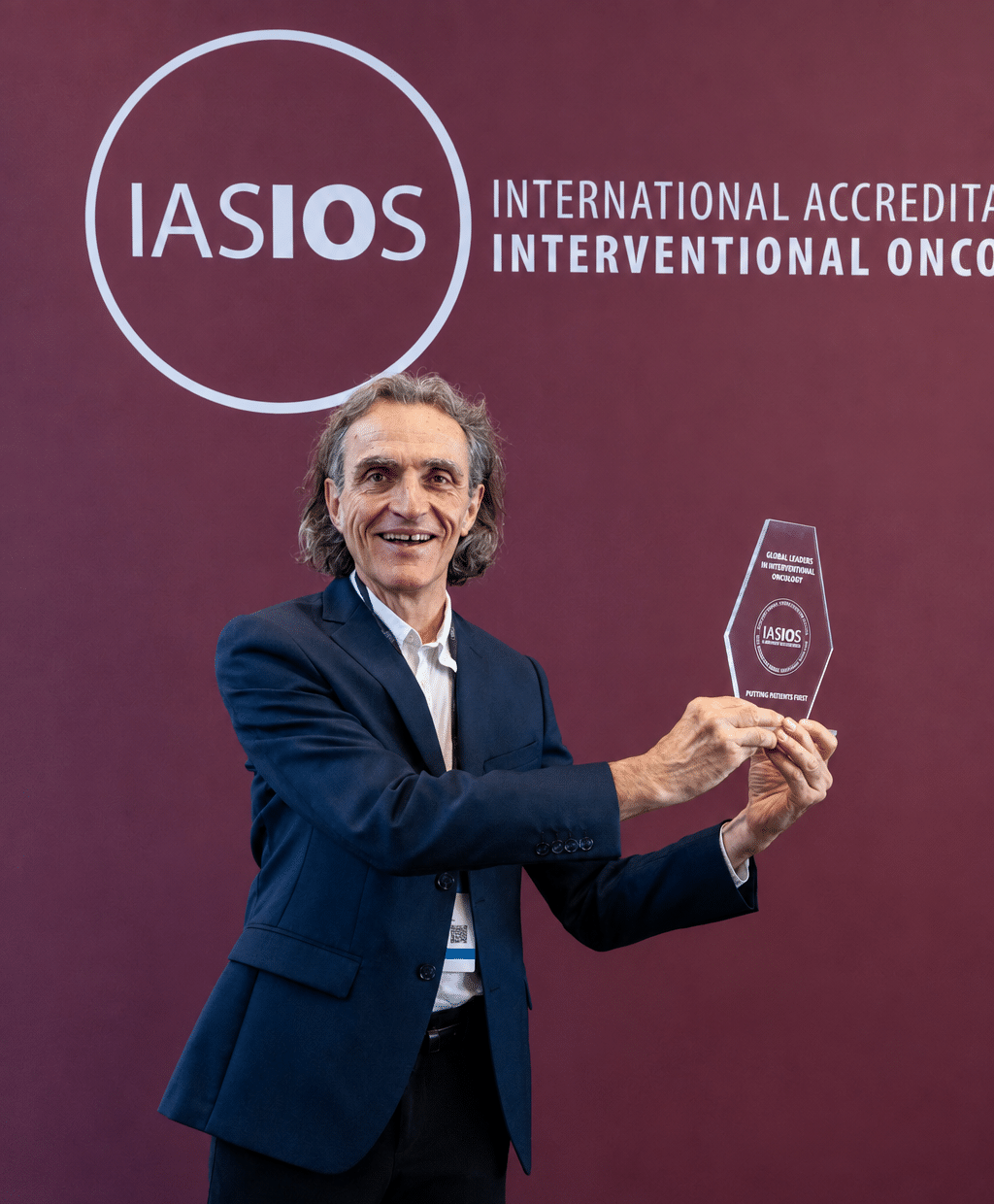
Burgmans: Yes, the impact has been substantial. Accreditation provided objective, internationally recognized validation of quality and safety, strengthening our position during strategic planning discussions and resource allocation processes with hospital leadership. Formal accreditation also increased confidence in our service among referring clinicians, particularly medical oncologists and oncological surgeons. We also believe it has enhanced our credibility in multicentre research collaborations and regional referral networks. Perhaps most importantly, the IASIOS framework helped clarify the identity of interventional oncology as a clinical specialty rather than a purely technical subspecialty, influencing how stakeholders perceive our role in comprehensive cancer care.
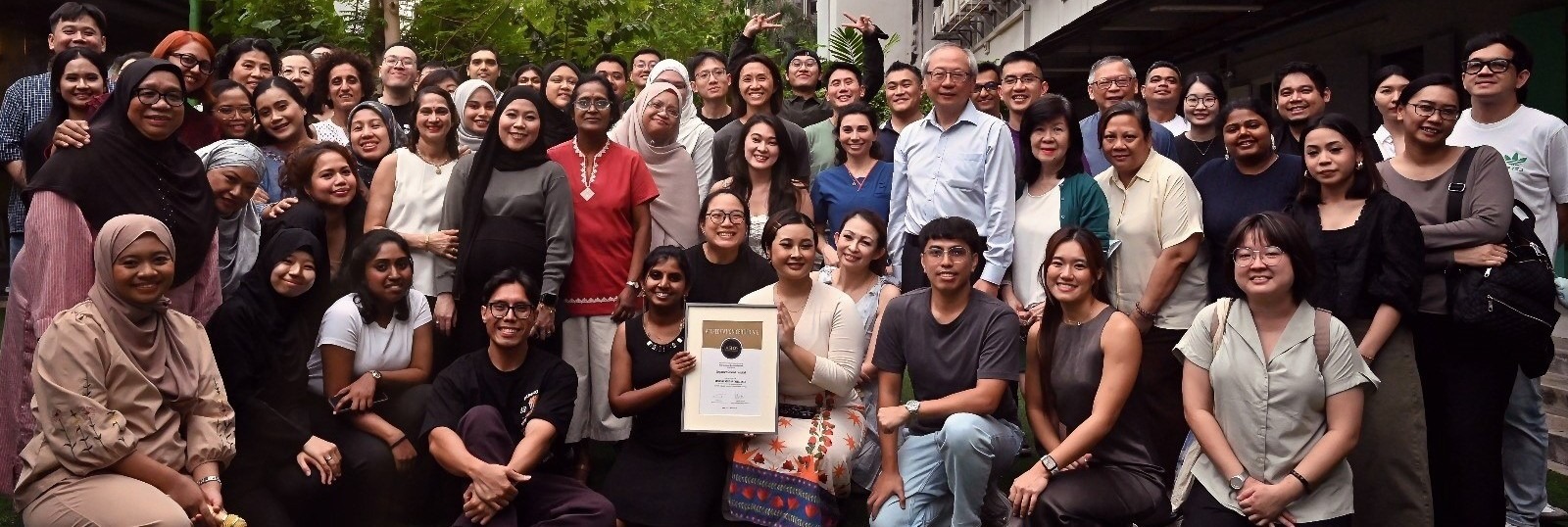
Pereira: Our interventional radiology service already enjoys a strong reputation, but because IR covers such a broad field, IASIOS helps demonstrate our expertise specifically in caring for cancer patients and highlights how closely we work with all disciplines involved in cancer care. The accreditation process has also encouraged us to improve communication with general practitioners, physicians in private institutions, and our patients.
For hospital management, Centre of Excellence recognition connects quality with financial sustainability, as fewer complications, optimized patient pathways, potentially shorter hospital stays, and more efficient use of advanced treatments can all contribute to this goal. Rather than simply reacting to benchmarks, we should be setting them, and this level of recognition gives interventional oncology a stronger position at the decision-making table where it belongs.