Cardiovascular and Interventional Radiological Society of Europe
CIRSE insider - NEW - animated
PublicationsCIRSE InsiderA Q&A with new CIRSE Vice President Laura Crocetti

A Q&A with new CIRSE Vice President Laura Crocetti

October 15, 2026

CIRSE’s new Vice President Prof. Laura Crocetti reflects on the people and experiences that shaped her involvement in the society. She shares her priorities for the role, her involvement in the Women in IR initiative, and her advice for members keen to get involved.


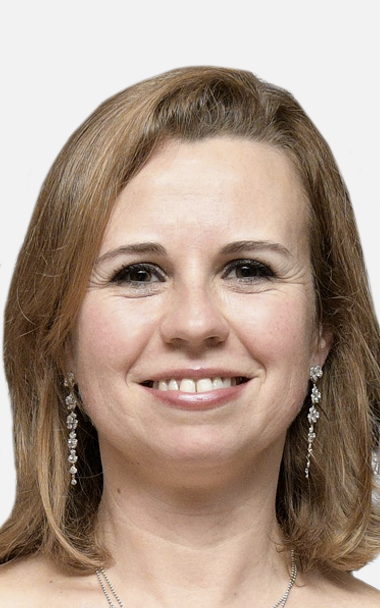
Laura Crocetti

Could you briefly introduce yourself?

Crocetti: I’m an interventional radiologist based in Pisa, Italy, where my clinical and research work focuses on interventional oncology. I initially concentrated on liver tumours and later expanded my work to include tumours in other organs.

In fact, interventional radiology has been part of my career from the very beginning: my medical degree thesis compared radiofrequency ablation with percutaneous ethanol injection for small hepatocellular carcinomas. So I found my interest in this field very early!

Within CIRSE, I have had the opportunity to serve as chairperson of the ECIO Scientific Programme Committee and chairperson of the EBIR Committee, and subsequently as treasurer. ECIO was a chance to help shape scientific discussion in a field very close to my heart. EBIR was another particularly rewarding experience: I see it as a great opportunity for interventional radiologists to demonstrate their expertise and gain recognition for their training and skills. I now look forward to building on these experiences as vice president.

How did you first become involved in volunteering for CIRSE? Was there a particular person, experience, or opportunity that encouraged you to take that first step?

Crocetti: My first CIRSE congress was in Antalya in 2003. Looking back, that was the beginning of a relationship that has shaped a great deal of my professional life.

An important turning point was joining the CIRSE Scientific Programme Committee under Christoph Binkert’s leadership. It gave me the opportunity to contribute, learn from colleagues, and begin to find my own voice within the society.

Having people within CIRSE who believed in me and supported me made a real difference. People who are willing to put your name forward and open a door for you as “sponsors” can be incredibly important. That experience has stayed with me, and it reminds me how much we can do by giving someone else their first opportunity.

Having served previously as treasurer and on numerous committees, you already know CIRSE well. What are you most curious to learn or explore from your new perspective as vice president?

Crocetti: I am particularly interested in how CIRSE can help improve access to interventional radiology in underserved regions. With activities already planned for Central and Eastern Europe and Sub-Saharan Africa as part of the Access to Care Initiative, there is a concrete opportunity to contribute, and I look forward to becoming more closely involved from this new perspective.

I want to learn directly from colleagues in these regions: what challenges they face, what support would be most useful, and how we can adapt our initiatives to local needs. For me, the exciting part is helping turn these collaborations into lasting improvements in training, clinical practice, and, ultimately, patient access to IR.

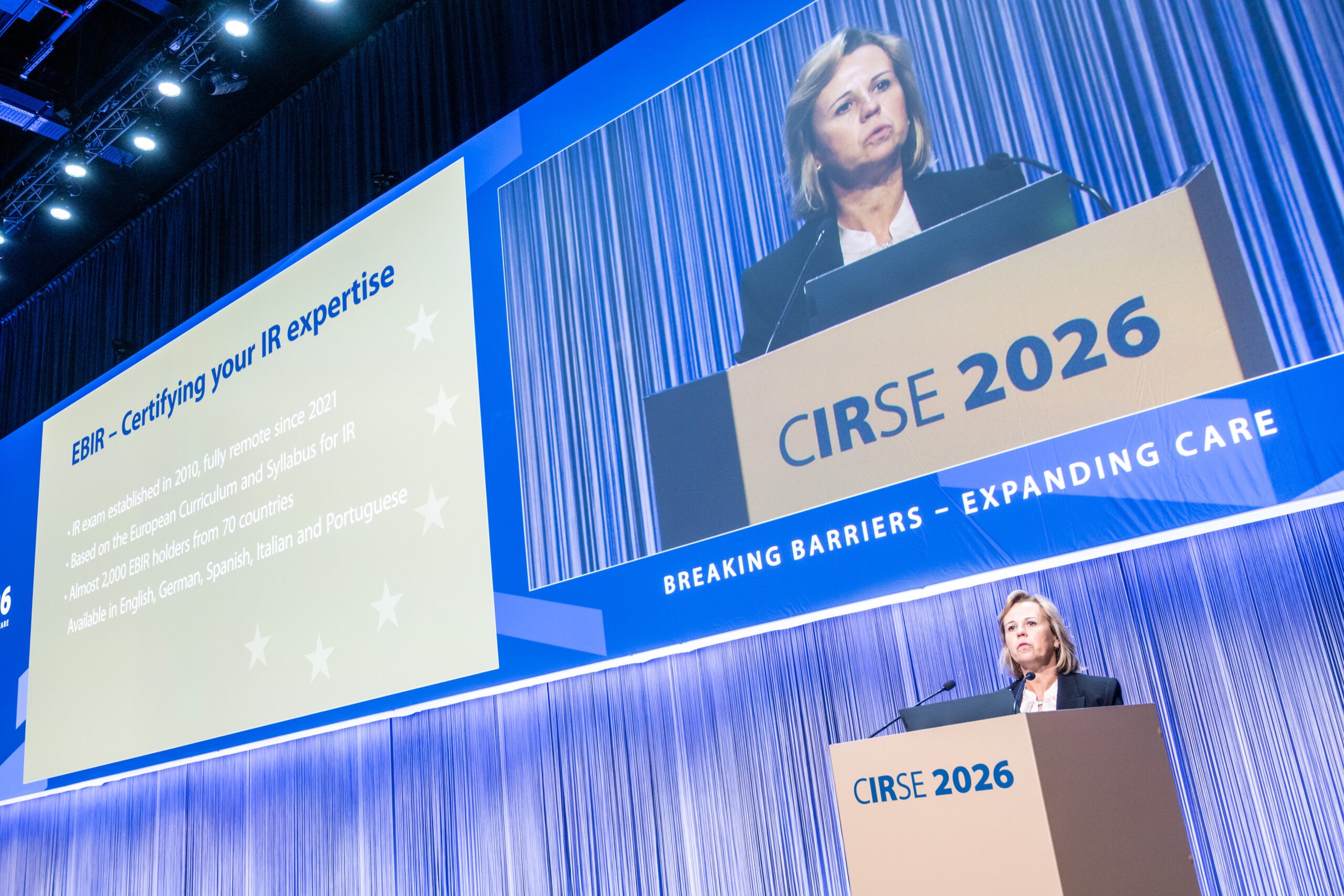
Prof. Crocetti delivers a presentation on the EBIR examination at CIRSE 2026
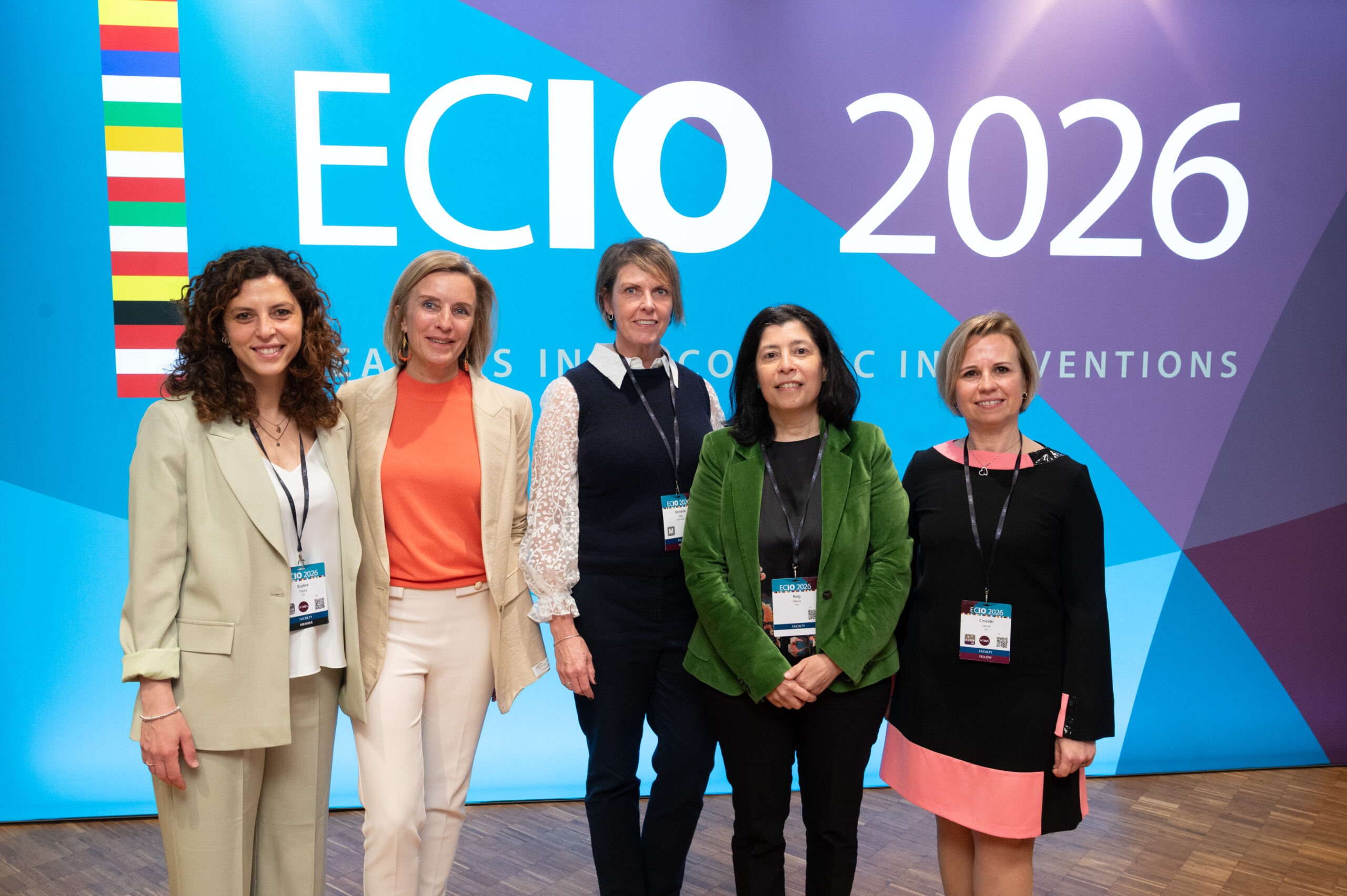
Prof. Crocetti at the Women in IR reception at ECIO 2026

What would you most like to achieve during your term as vice president? How have your previous roles shaped these priorities?

Crocetti: One of my main priorities is to strengthen our relationships with other societies, both within interventional radiology and across other specialties. These relationships are essential if we want interventional radiologists to be recognized as clinical partners and patients to have access to the most appropriate treatment.

My previous roles have allowed me to approach this from different perspectives: scientific exchange through ECIO, professional standards through EBIR, and the practical responsibilities of running a society as Treasurer. Together, they have reinforced my belief that progress depends on collaboration and on turning shared goals into concrete initiatives.

I would like to help build partnerships that give IR a stronger voice in multidisciplinary care and make a meaningful difference to patients.

You have been actively involved in CIRSE’s Women in IR activities. What progress have you seen since these activities began? Where would you most like to see further change?

Crocetti: The most encouraging change, in my experience, is seeing more women consider IR a realistic career choice—a field in which they can develop, succeed, and become leaders. Seeing other women in these roles helps make that possibility tangible.

There are still obstacles, and they change at different stages of a career. For younger colleagues, practical support, working arrangements, and the infrastructure needed to combine training with family responsibilities can be particularly important. Later on, women may still face a glass ceiling when seeking leadership positions.

My impression is that we are moving in the right direction, but we need to measure that progress. Over the coming years, I would like us to understand more clearly what is changing, where barriers remain, and which initiatives are making a difference.

What advice would you give to a CIRSE member who would like to become involved in a committee but is unsure where to start?

Crocetti: Start with an idea grounded in your own clinical experience. What problem do you encounter? What could be improved? What could you contribute? You do not need a fully developed proposal, but it helps to have a clear sense of what you would like to work on and why it matters.

Then, reach out to someone already involved in CIRSE, whether it is a task force member, a committee member or chair, or someone on the Executive Committee or Executive Board. Explain your idea and ask how you could contribute.

Look for someone who shares your interests and could become a sponsor: someone who recognizes your potential and helps you find an opportunity. My own experience taught me how valuable that support can be. And do not assume you have to wait to be invited; starting a conversation can be the first step.