Cardiovascular and Interventional Radiological Society of Europe
CIRSE insider - NEW - animated
PublicationsCIRSE Insider2026 CIRSE Fellowship Grant recipients share their experiences

2026 CIRSE Fellowship Grant recipients share their experiences

November 4, 2026

The CIRSE Fellowship Grant Programme gives interventional radiologists the opportunity to broaden their knowledge and explore different approaches to care with other teams abroad. Programme alumni Albert Ang (Nottingham/GB), Peter Matkulčík (Brno/CZ), and Eva Nabawanuka (Kampala/UG), share their experiences and practical advice for future applicants.


How did you first learn about the CIRSE Fellowship Grant Programme?

Ang: I first heard of it by word of mouth. I was working with a colleague who spoke highly about the fellowship and shared with me his testimonial on the CIRSE webpage, both of which really sparked my interest.

Nabawanuka: I learned about the grant through colleagues who had received the CIRSE grant themselves. They shared their experiences on different social media platforms.

Matkulčík: From my PhD supervisor, Dr. Andrasina.

What motivated you to apply, and what did you hope to gain from the fellowship?

Matkulčík: I wanted to gain new experience by learning from leaders in interventional radiology. The fellowship offered an opportunity to see how experienced colleagues approach their work and broaden my knowledge beyond my home centre.

Ang: I was looking to expand my knowledge and exposure and fill some gaps in my IR exposure. I was also quite curious to understand a different healthcare set up internationally, and hoped to develop my own confidence and perhaps provide input on setting up a similar service in the future.

Nabawanuka: IR training and practice are fairly new to my region; as such, there are many procedures that are not frequently performed. I wanted exposure to a high-volume centre to appreciate those procedures that were not being done back home. The lack of services motivated me.

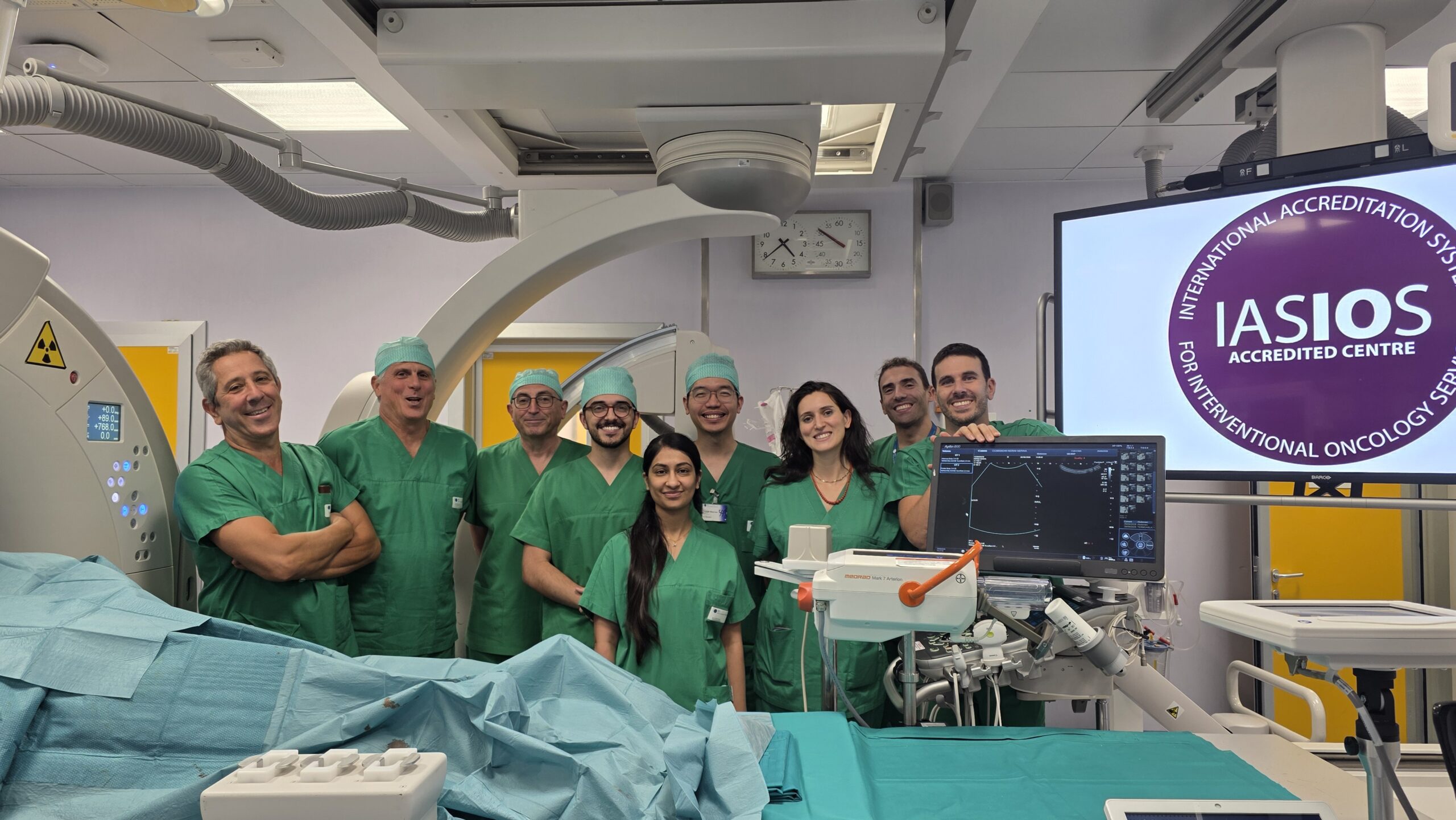
Dr. Albert Ang, the interventional radiology team at the European Institute of Oncology, and other CIRSE fellows.
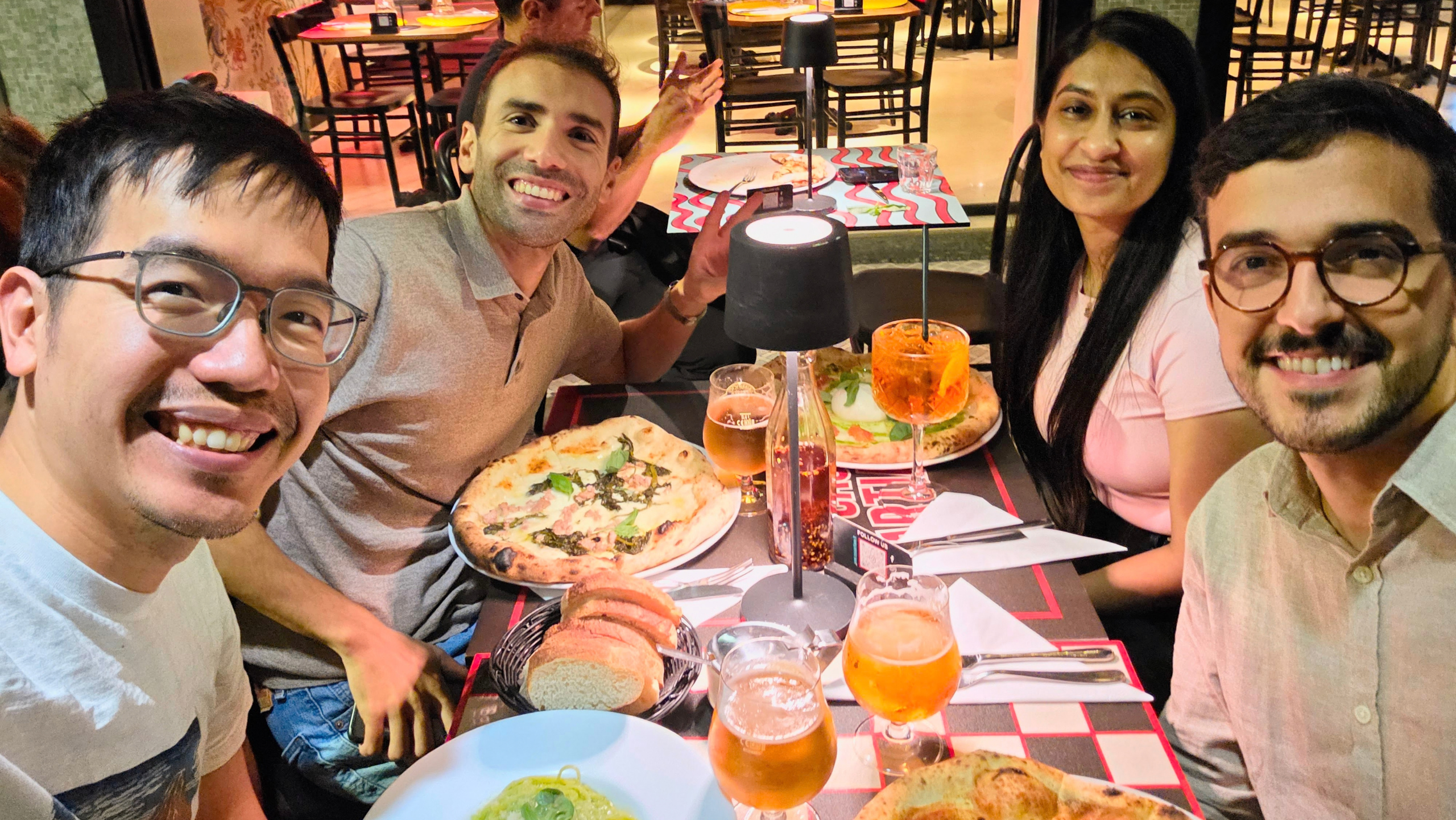
A meal with the other CIRSE fellowship grantees Dr. Luis Felipe Andrade and Dr. Shreya Garg, and IEO IR resident Dr. Giuseppe Caggiari.

What were the most important factors in choosing your training centre?

Ang: The primary factor I was looking for was a centre that was world-class in providing the skill set that I was particularly interested in, in my case, it was interventional oncology. A minor factor was the centre’s kind ability to accommodate with my particular time frame.

Nabawanuka: I considered my need for exposure to a specific area (which was oncology for me), the volume of work, and acceptance, which led me to The Royal Marsden Hospital. The fact that it was a teaching centre was really appealing too.

Matkulčík: The reputation of both the centre and the training supervisor were the most important factors for me. I wanted to learn in a centre with recognized expertise and under a supervisor whose clinical experience would support my training goals. That is why I choose the Medical Radiological Institute (MRI) in Zurich.

How did you prepare for your stay abroad, and were there any practical challenges?

Matkulčík: To prepare, I watched presentations by my training supervisor in the CIRSE Library, along with other presentations covering the procedures performed at the host centre. This helped me refresh my knowledge and familiarize myself with the work I would be observing during the fellowship.

Nabawanuka: Since I spent my time at a centre in the United Kingdom, which has a much more expensive cost of living compared to my hometown in Uganda, I had to really plan my spending. I definitely had to top up the stipend provided with my savings as well to meet my expenses.

Ang: My preparation was fairly easy, with no significant practical challenges. My colleague who previously went on the CIRSE fellowship recommended some places for lodging, and we looked online and secured a place smoothly without much fuss. I am also thankful that the grant from CIRSE really helped with this first step as well.

Personally, the main challenge for me was leaving a young family behind for this short period, including my six-month-old baby. I am grateful for my wife’s support in caring for both the children, as well as having her village around to support. Needless to say, I missed them all, though it was also nice to have this small experience of bachelor life again.

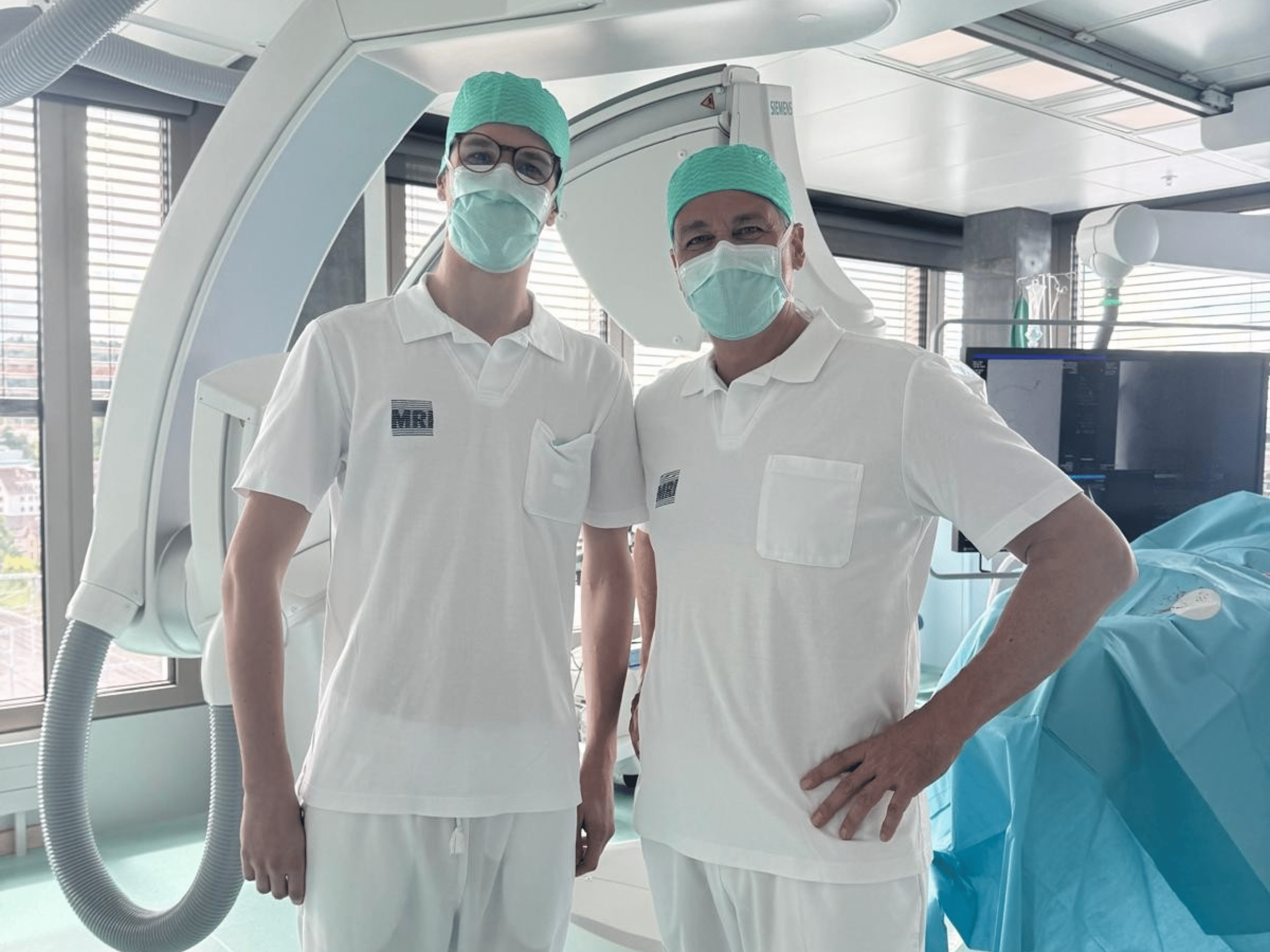
Dr. Peter Matkulčík with Prof. Binkert

How did you arrange time away from your home centre?

Nabawanuka: I involved my workplace in the entire process right from the time of application, and they in turn supported me while I was away. I was able to arrange for a colleague to cover my duties. My institution is a training centre that receives trainees from all over the world, so this concept was very familiar. In fact, the institution would love to participate in the programme as well, should there be opportunities for fellowship placements in Africa.

Ang: My home centre and my service lead at the Nottingham University Hospitals NHS Trust were quite supportive. To make things easier, I made my intention clear very early on and made sure to explore this in discussions so that we could work out the most suitable time for all parties.

Matkulčík: I had the full support of my home centre in Czechia, as well as the medical faculty where I am completing my PhD. Their support helped me arrange time away to take part in the fellowship and pursue this opportunity for further training.

What is one learning takeaway you had from your experience at your training centre?

Matkulčík: The most valuable areas of learning for me were MSK embolization and outpatient patient management. Observing both the procedures and the organization of outpatient care gave me a broader perspective on how these treatments fit into the overall patient pathway.

Ang: I certainly valued observing and understanding the workflow at European Institute of Oncology (IEO) and the value of longitudinal care. The team I met are deeply passionate and visionary for interventional radiology and interventional oncology, both its present and future. I could see all the blood, sweat, and tears they poured into the setup with their dedication and persistence, and I can only hope to make the most of the opportunity by applying what I learned.

Nabawanuka: Oh wow, there were so many! The multidisciplinary team approach to work definitely stood out. Every case was discussed at the MDT, indications and procedures were agreed on by the entire team, and feedback was given for all the cases. This is something I picked up and have already integrated into our workflow in my institution.

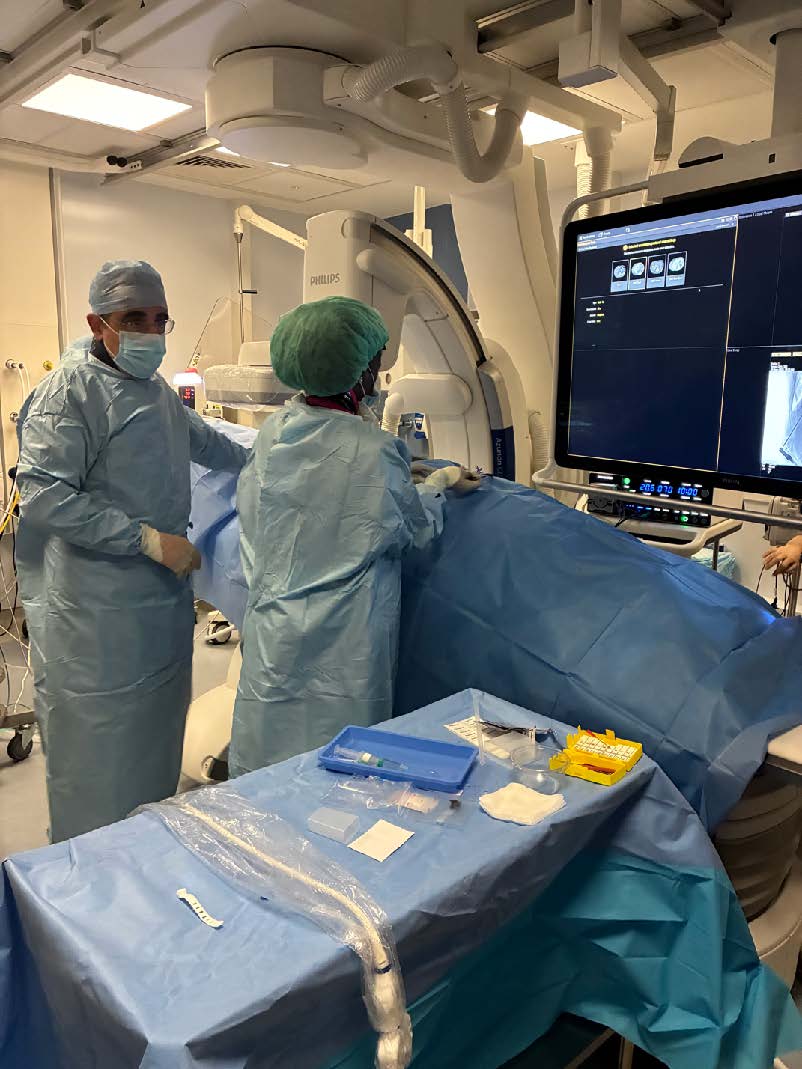
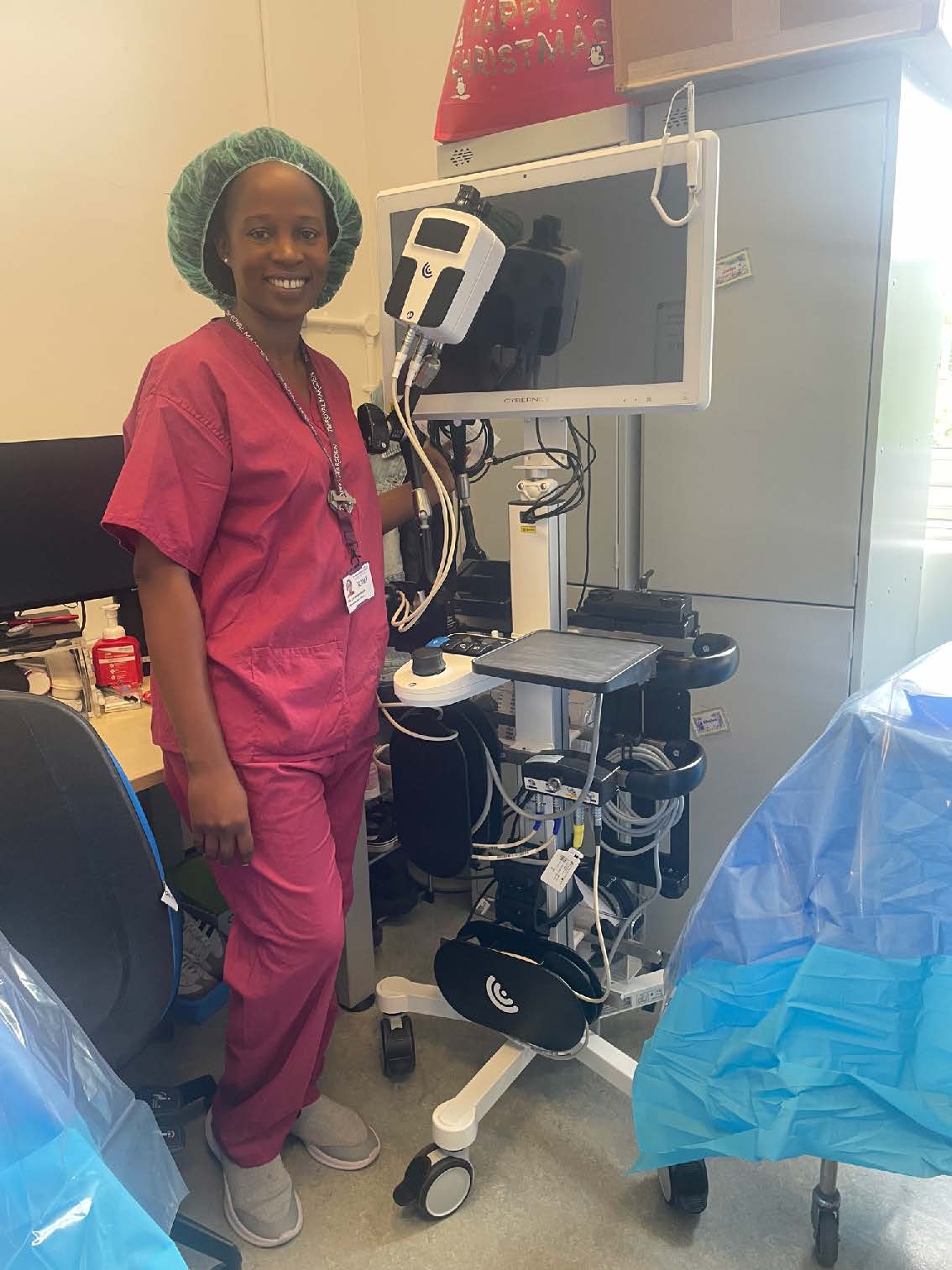
Dr. Eva Nabawanuka with Professor Fontiadis at the Royal Marsden hospital

Looking back, is there anything you wish you had clarified or prepared before starting your fellowship?

Ang: I appreciated the intricacies of the medical councils of different countries with international doctors being involved in hands-on care. As doctors, and particularly as interventional radiologists, I think we tend to have a tendency to yearn for some extra hands-on experience. My advice is to start with good expectations on the nature of an observership. I started with that mindset and, needless to say, still had a rich and varied experience with countless learning points to take away.

Another smaller preparation is to embrace the language barrier. I was thankful that the IEO team was very intentional in involving me with regular translation. In fact, I left having learnt a smattering of Italian phrases.

What have you been able to put into practice at your home centre since completing the fellowship?

Ang: Currently, I’m still in my early days as it’s been barely a month since I returned. I have had stimulating discussions with colleagues here about my experience and particularly about the procedures I’ve observed. I’ve also been reflecting on ways I can improve longitudinal care for my patients in my own practice. My longer-term hope is to aid in setting up an interventional oncology service here in the future if the chance arises.

Matkulčík: We are starting to perform MSK embolization at my home centre and are considering developing an outpatient care programme. These were two particularly valuable aspects of my fellowship, and the experience has helped inform how we could introduce them into our own practice.

Nabawanuka: My key takeaways that I’ve put into practice include multidisciplinary discussions of indications and procedures, particularly for oncology cases, morning team discussions before procedures, and modifications to procedural steps in certain cases.