Cardiovascular and Interventional Radiological Society of Europe
CIRSE insider - NEW - animated
PublicationsCIRSE InsiderA Q&A with new CIRSE 2027 SPC Chairperson Miltiadis Krokidis

A Q&A with new CIRSE 2027 SPC Chairperson Miltiadis Krokidis

October 30, 2026

CIRSE 2027 Scientific Programme Committee (SPC) Chairperson Prof. Miltiadis Krokidis shares his priorities for shaping the programme of the world’s largest IR congress. He discusses expanding topic areas and session formats, supporting the next generation of IRs, and the connections that make CIRSE special.


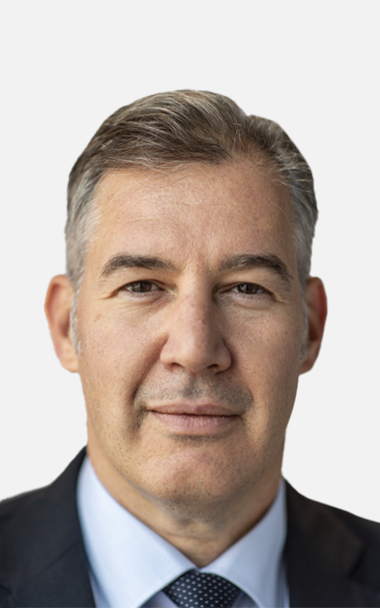
Miltiadis Krokidis

What motivated you to take on the CIRSE Annual Congress SPC Chairperson role? How will your experience as Deputy Chairperson shape your approach to this leadership position?

Krokidis: Being in a position to shape the programme of the largest IR congress in the world is very exciting, particularly as the role consists of gathering all available expertise and forming a team that will deliver the best outcome. My experience as Deputy Chairperson was truly valuable, and I am deeply grateful to the previous Chairperson, Prof. Gerry O’Sullivan, for his support and mentorship over the last two years. I learned a lot from him, and in particular, how to address the continuous dynamics of forming a demanding programme.

What do you remember about your first-ever CIRSE Annual Congress? What advice would you give to someone attending for the first time?

Krokidis: My first-ever CIRSE Annual Congress was in 2003, and since then, a lot of things have changed. Now, CIRSE is a massive event with global reach. Nevertheless, in my opinion, there is still a collegial feeling and the opportunity to make friends for life. My advice for someone entering the magical world of CIRSE is to make the most of it. Follow the programme but also attend the networking events, approach leaders, and mingle with other colleagues. There is no doubt that CIRSE is the place to be!

The Scientific Programme Committee shapes the congress’s scientific and educational programme, bringing together topics, speakers, and session formats. As you begin planning CIRSE 2027, what are your first priorities?

Krokidis: For 2027, we would like to maintain the high standards of the congress, inviting global expertise to share their knowledge on the areas into which our practice is expanding. The first priority of the programme is to meet the needs of the attendees. Therefore, we have been open to suggestions, new ideas, and new perspectives in all fields. We have recruited the best experts for this purpose.

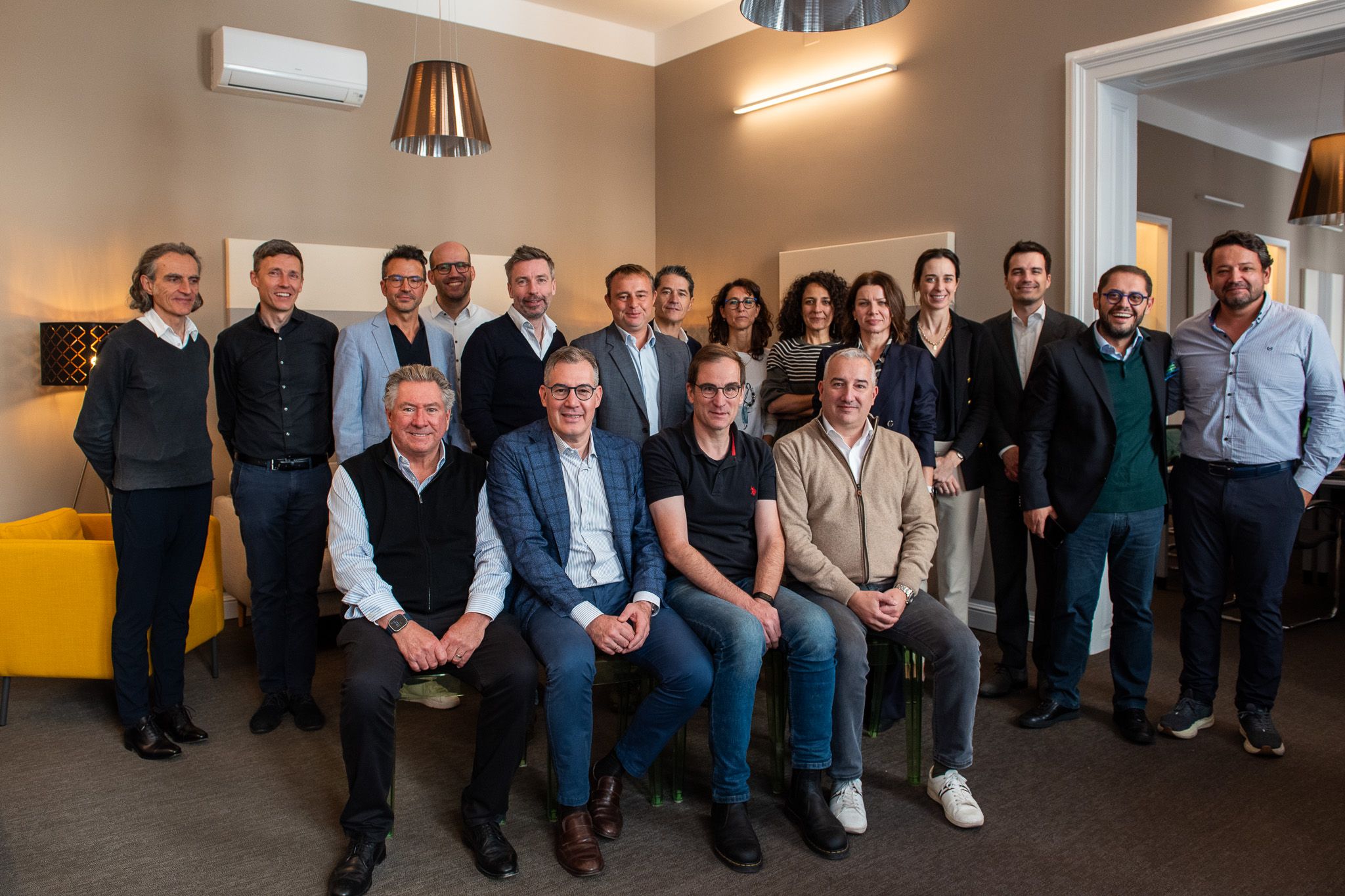
The CIRSE 2027 SPC Meeting
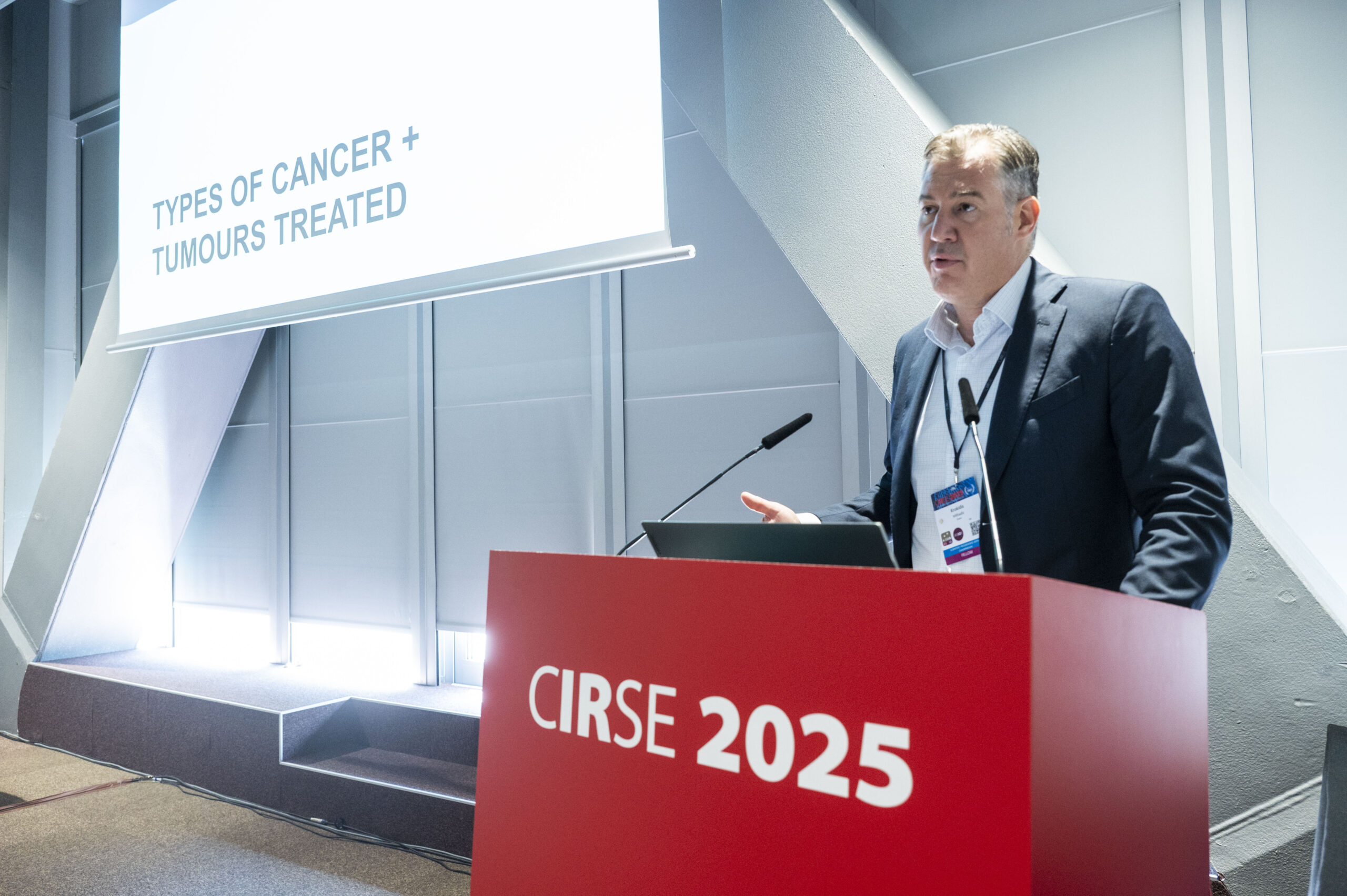
Prof. Krokidis speaks at CIRSE 2025.

Are there areas of IR that you feel deserve more attention in the 2027 programme, including topics from your own clinical practice?

Krokidis: I think the whole programme is very fascinating. However, for 2027, we have enhanced the dialysis intervention programme, which is a continuously evolving field, as well as stroke thrombectomy, where we believe body IRs may play a crucial role in the immediate future. The arterial programme is particularly strong, covering areas such as desert foot and some fascinating drug-related debates, while the venous track brings in the latest evidence on venous intervention.

Embolization, including emergency procedures, is again very well represented. Interventional oncology has been expanded to include topics like uveal melanoma. Pain management, another growing area for IRs, will receive greater attention. For those interested in offering the service, paediatric sessions have been added, and, as every year, there is a very interesting IR management programme.

Which sessions stood out to you at CIRSE 2026? Is there anything that you would like to build on for 2027?

Krokidis: We had very good feedback on the Beyond the Lecture sessions, which were newly introduced in 2026. The format offers the possibility of discussion and interaction between the speakers and the audience. In my view, this will be a popular format for future congresses.

You strongly believe in supporting younger doctors and strengthening the clinical role of IR. How would you like the 2027 programme to support these goals?

Krokidis: We have a very strong European Trainee Forum (ETF) programme where younger colleagues have the opportunity to present and interact. We also have a very strong student programme that has enjoyed great success in previous years, and we will continue with that direction for 2027.