Cardiovascular and Interventional Radiological Society of Europe
CIRSE insider - NEW - animated
PublicationsCIRSE InsiderA Q&A with new CIRSE Membership Committee Chairperson Joo-Young Chun

A Q&A with new CIRSE Membership Committee Chairperson Joo-Young Chun

October 22, 2026

CIRSE Membership Committee Chairperson Dr. Joo-Young Chun reflects on how CIRSE has shaped her career and shares her goals for uniting its global community. From strengthening links with regional and national societies to more accessible membership, she discusses how CIRSE can support IRs to connect, contribute, and feel a sense of belonging.


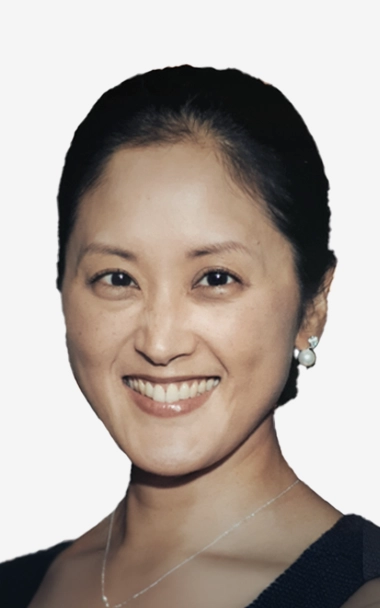
Joo-Young Chun

How has being part of CIRSE shaped your career? What do you see as the greatest value of belonging to the world’s largest IR society?

Chun: CIRSE has been enormously influential in my career, through my involvement in EBIR, CVIR, the Scientific Programme Committee, standards and guidelines, and now the Executive Committee. It has given me opportunities to develop collaborations, contribute to our specialty, and learn from colleagues from very different healthcare systems and backgrounds.

For me, the greatest value of CIRSE is the sense of being part of something bigger than our own institution or country, with a collective voice for IR. CIRSE has created a platform on which we can advance the specialty together.

I also believe that our collective voice as a medical society can play an important role in engaging with issues that affect human life, access to healthcare, and humanitarian principles, alongside its scientific mission and the values of our profession.

The Membership Committee reviews applications for individual CIRSE membership and fellowship. What drew you to the role of Membership Committee Chairperson?

Chun: I’ve been fortunate to benefit greatly from being part of CIRSE, so I was attracted to the opportunity to contribute to the society in a way that focuses on its most fundamental resource: its members.

Membership is about much more than numbers. Every member has a different reason for joining CIRSE and is at a different stage of their career, while fellowship represents recognition of an individual’s contribution to IR and to the society. I find that aspect of the committee particularly meaningful.

I also see the Membership Committee as having an important role in ensuring that CIRSE remains an open and welcoming society as it continues to grow internationally, with people at every stage of their careers and from diverse geographical and professional backgrounds able to see a place for themselves within CIRSE.

I am particularly interested in strengthening CIRSE’s relationships with parts of the world where there is enormous potential for IR to grow, and in building stronger links with established CIRSE member societies, particularly in Asia where my own roots are.

How have you seen CIRSE’s membership change over the years? What do you think members are looking for from CIRSE today?

Chun: CIRSE has grown enormously from its European roots into a truly global IR society. That brings opportunities, but it also means that our membership is increasingly diverse in terms of geography, healthcare systems, career stages, and professional needs.  And as the world’s largest IR society, we need to continue reflecting this diversity.

Our members are looking for more than an annual congress and access to a journal. They want high-quality education throughout the year, opportunities to develop their careers, access to expertise and international networks, and increasingly, a voice in the future direction of IR.

At the same time, I think people are looking for community. IR can be a relatively small specialty within many healthcare systems, and being able to connect with colleagues who understand the challenges and opportunities of IR is extremely valuable.

For me, the challenge is to make sure that CIRSE continues to offer all of these things while retaining a strong sense of belonging. Ultimately, I would like members to feel that CIRSE is not just a society they belong to, but a society that belongs to them. It sounds corny, but it’s true!

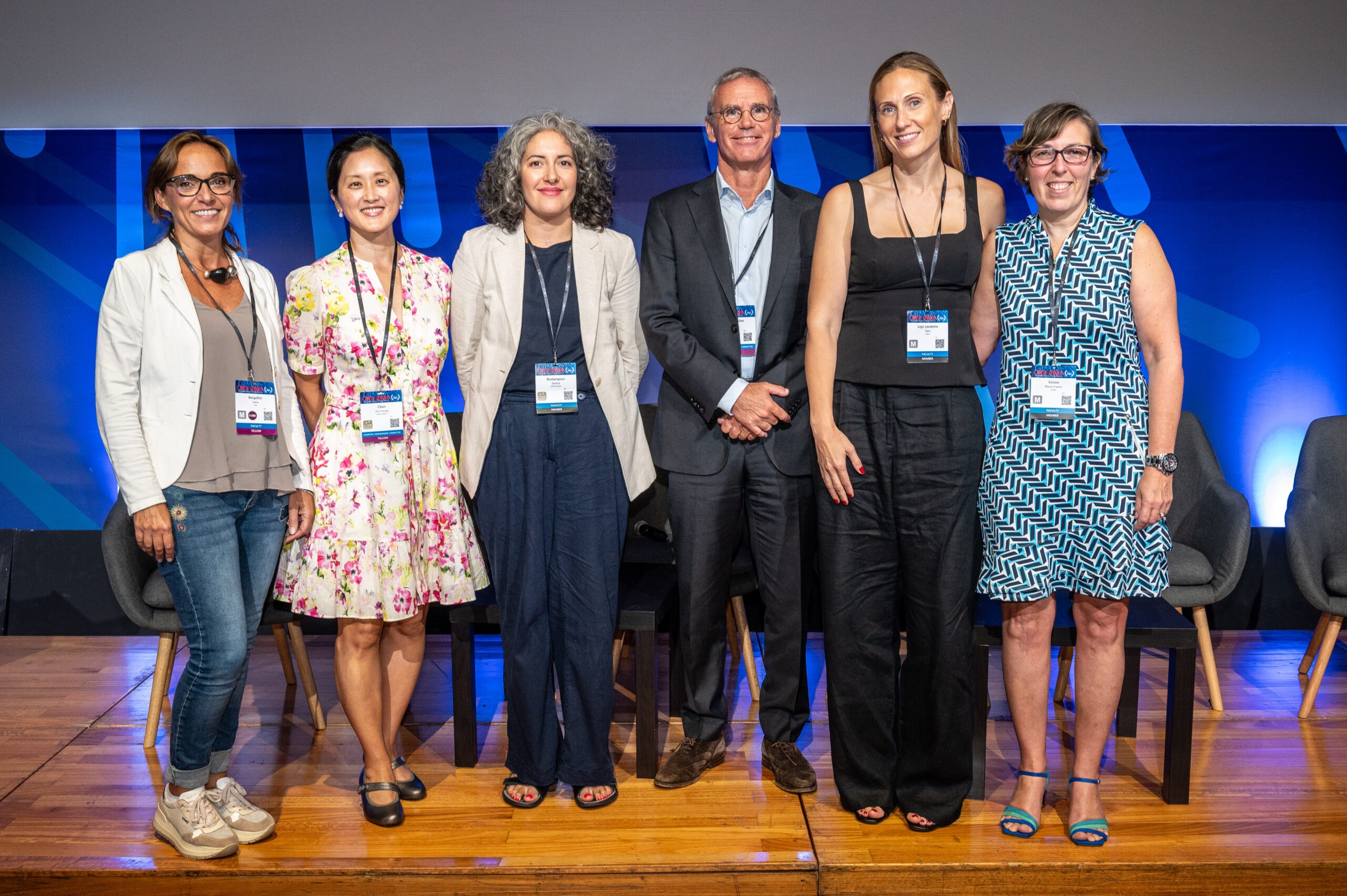
Dr. Chun and fellow discussion panellists during the Women in IR session at CIRSE 2025
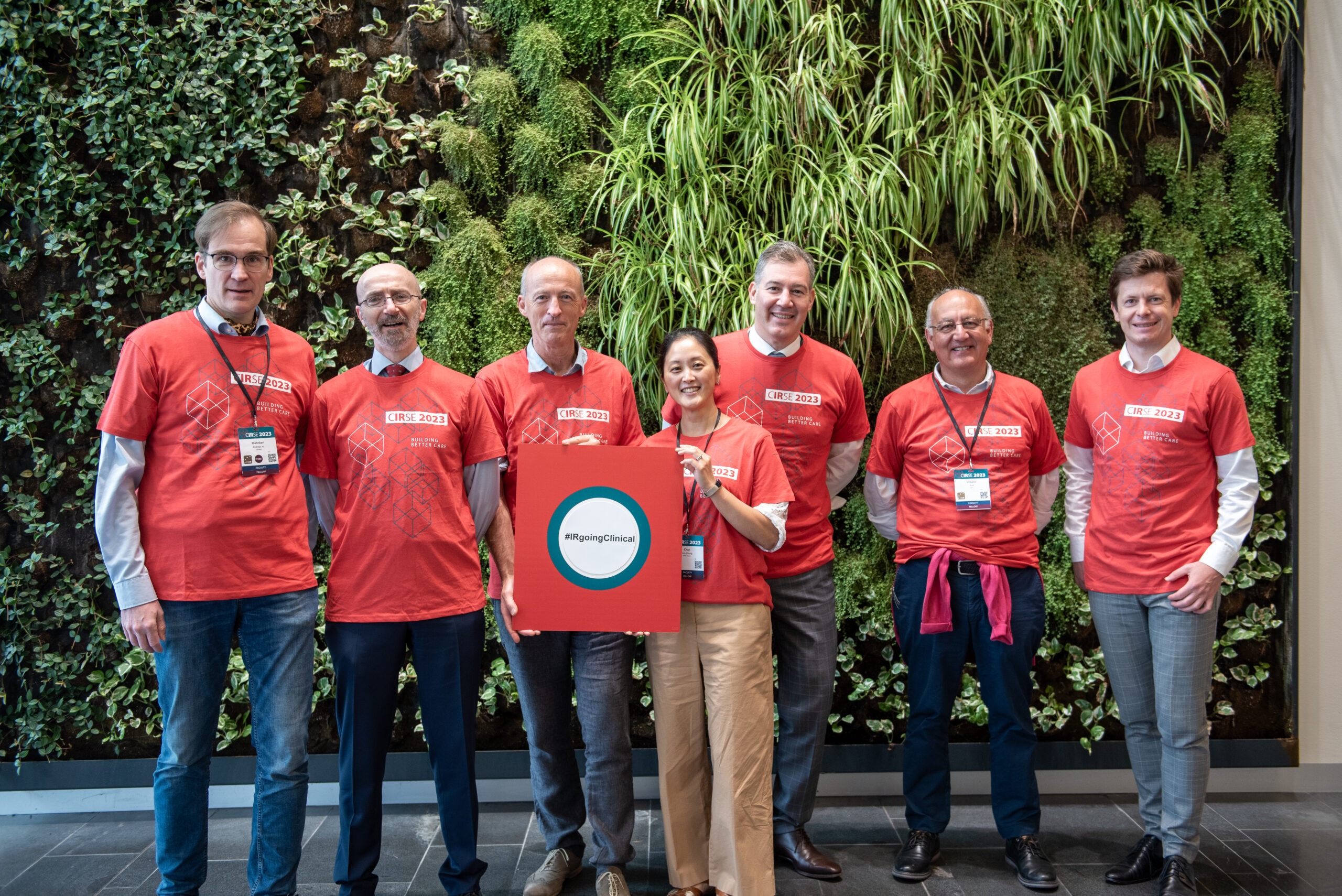
Dr. Chun with the Clinical services in IR Task Force

What are your main goals for the Membership Committee during your term? Are there any topics that are particularly important to you?

Chun: My first goal is to make sure that CIRSE remains a society in which people feel that they belong.

This means continuing to grow our membership, but doing so thoughtfully. I’d like us to continue strengthening engagement with early-career IRs and trainees and broaden participation from regions that are currently underrepresented.

I’d like to strengthen our engagement with Asia and the Asia-Pacific region. Korea is personally important to me, but more broadly I think there is an enormous opportunity to develop stronger relationships with societies such as KSIR and APSCVIR and to learn from the very strong IR communities that already exist there. I’d like to see CIRSE not simply expanding its membership geographically, but developing genuine two-way relationships with these regions.

I’d also like to explore whether we can make CIRSE membership more accessible in developing countries. If individual IRs or smaller national societies would like to participate in CIRSE but find the current costs prohibitive, could we consider appropriate membership models or tiered rates that make participation more realistic while remaining sustainable for the society? There may already be mechanisms in place, but I’d like to understand how well they work and whether there is more we could do.

CIRSE currently has 59 group member societies. What can CIRSE and its group member societies achieve together that would be harder for national societies to achieve alone? How can national societies contribute to this collaboration, and what benefits can they gain in return?

Chun: National societies understand their own healthcare environments, training systems, regulatory and reimbursement structures, and the particular challenges facing IRs in their countries. That local knowledge is invaluable.

CIRSE, meanwhile, can bring together that experience across borders and provide a platform for developing common standards, educational programmes, training frameworks, and a collective international voice.

Collaboration allows members to gain access to a much larger international network, education, journals, fellowship, and examination opportunities, and the chance to participate in a truly international professional community.

Ultimately, I think the goal should be to make the whole greater than the sum of its parts. National societies remain essential because they are close to their members and their healthcare systems, while CIRSE provides the international platform that connects those communities. If we can make those two levels work seamlessly together, we can accelerate the development of IR much more effectively than either could do alone.