July 20, 2026
Representatives from over twenty national societies met on the day before ET 2026 to share practical strategies for strengthening interventional radiology across Europe and beyond.








Representatives from over twenty national societies met on the day before ET 2026 to share practical strategies for strengthening interventional radiology across Europe and beyond.
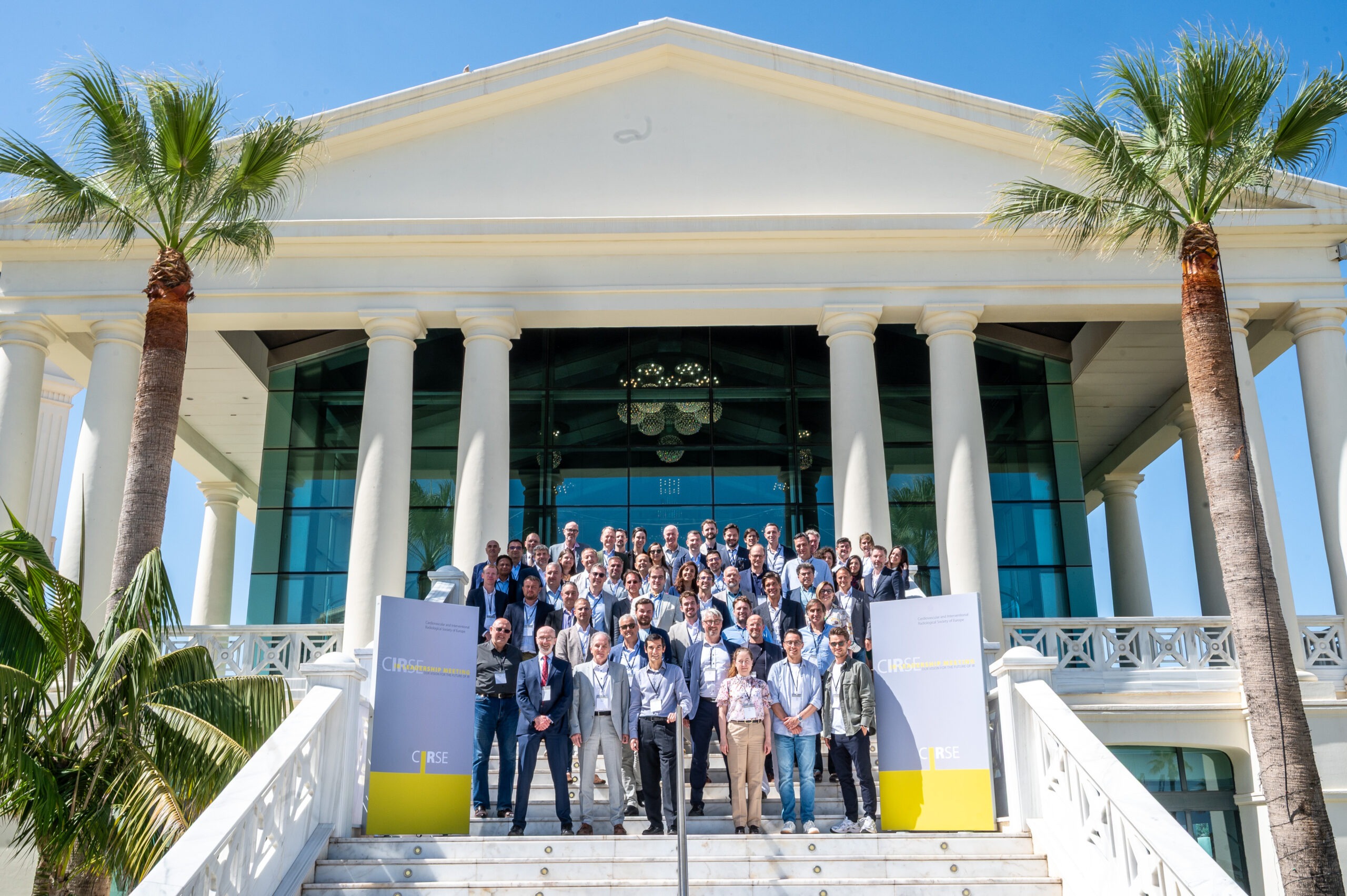
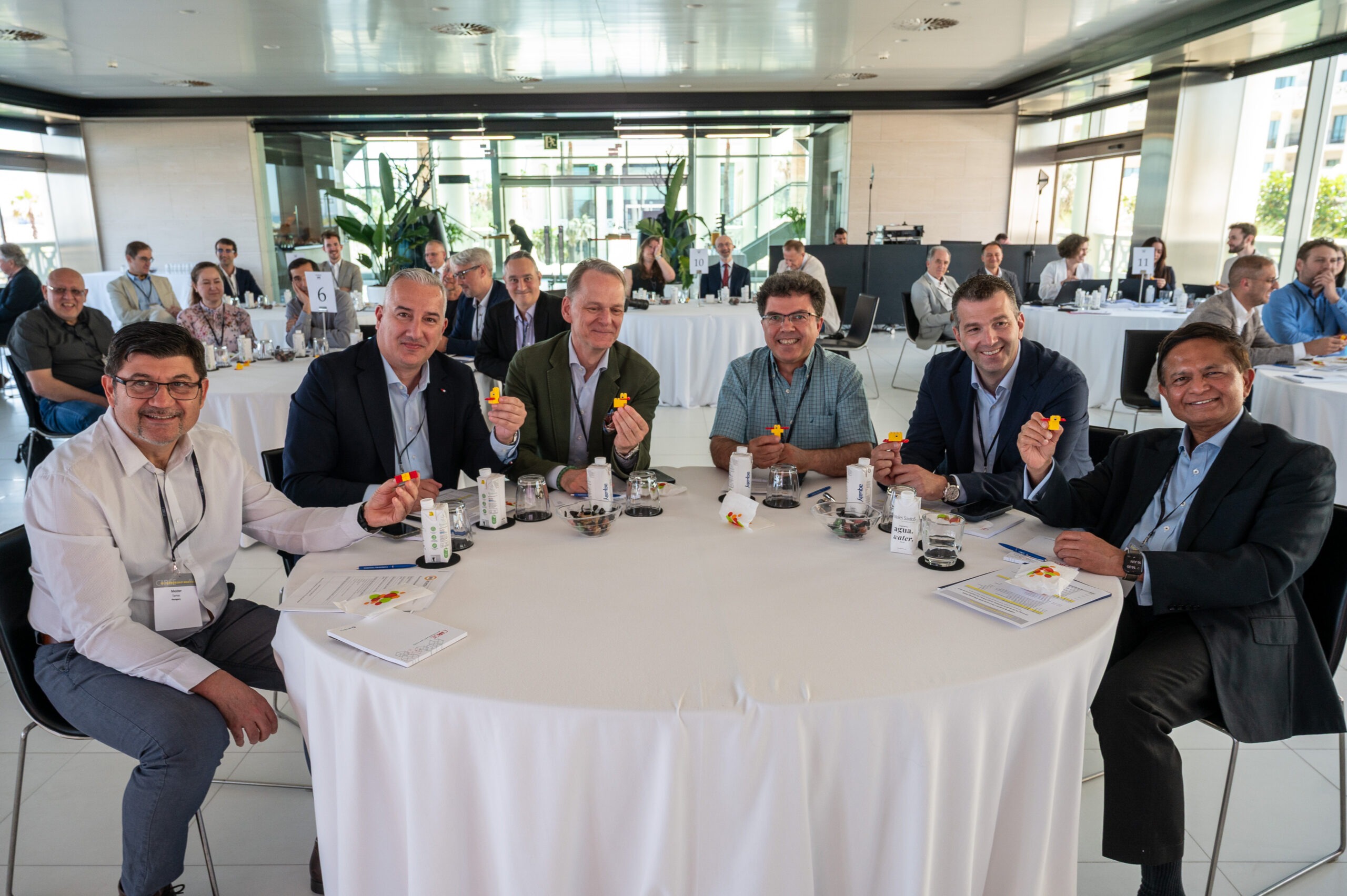
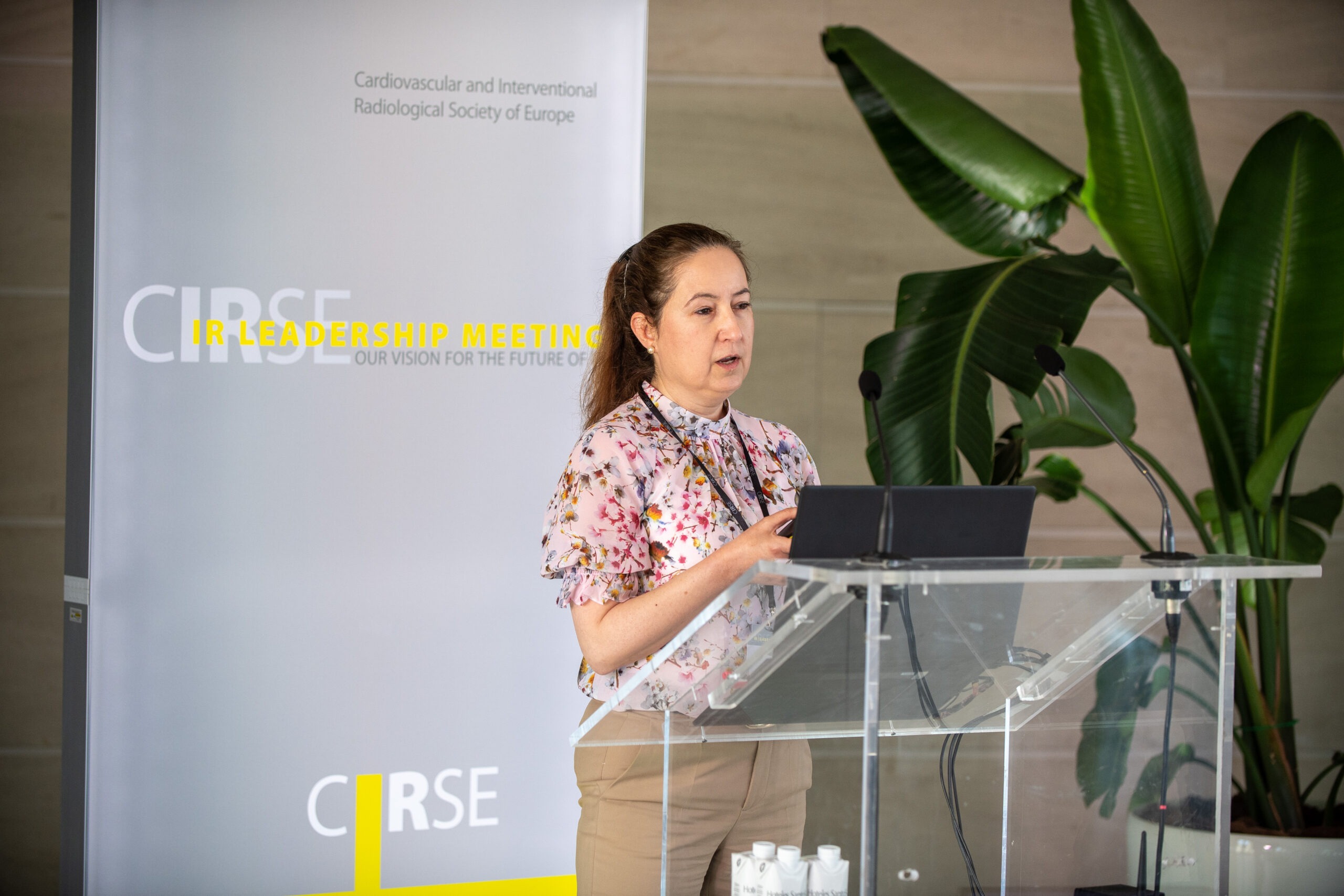
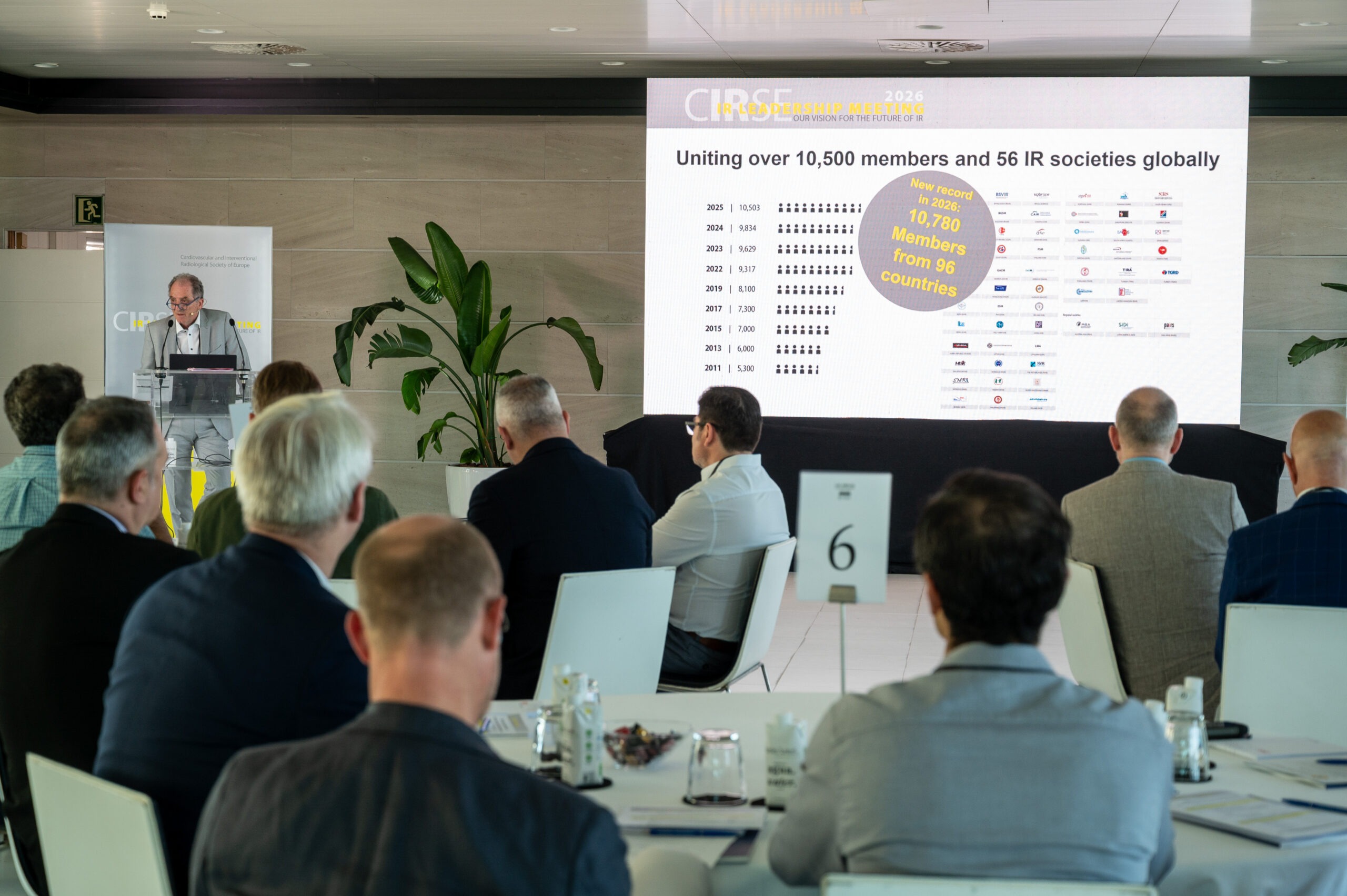
Interventional radiology leaders from across Europe gathered in Valencia on June 16 for the third CIRSE European IR Leadership Meeting, bringing together 58 representatives from 24 national societies alongside members of the CIRSE Executive Committee.
Hosted and moderated by CIRSE President Philippe L. Pereira, the meeting provided a forum for national societies to compare experiences, identify shared challenges, and explore how closer cooperation can improve access to IR, strengthen clinical practice, and raise the specialty’s profile.
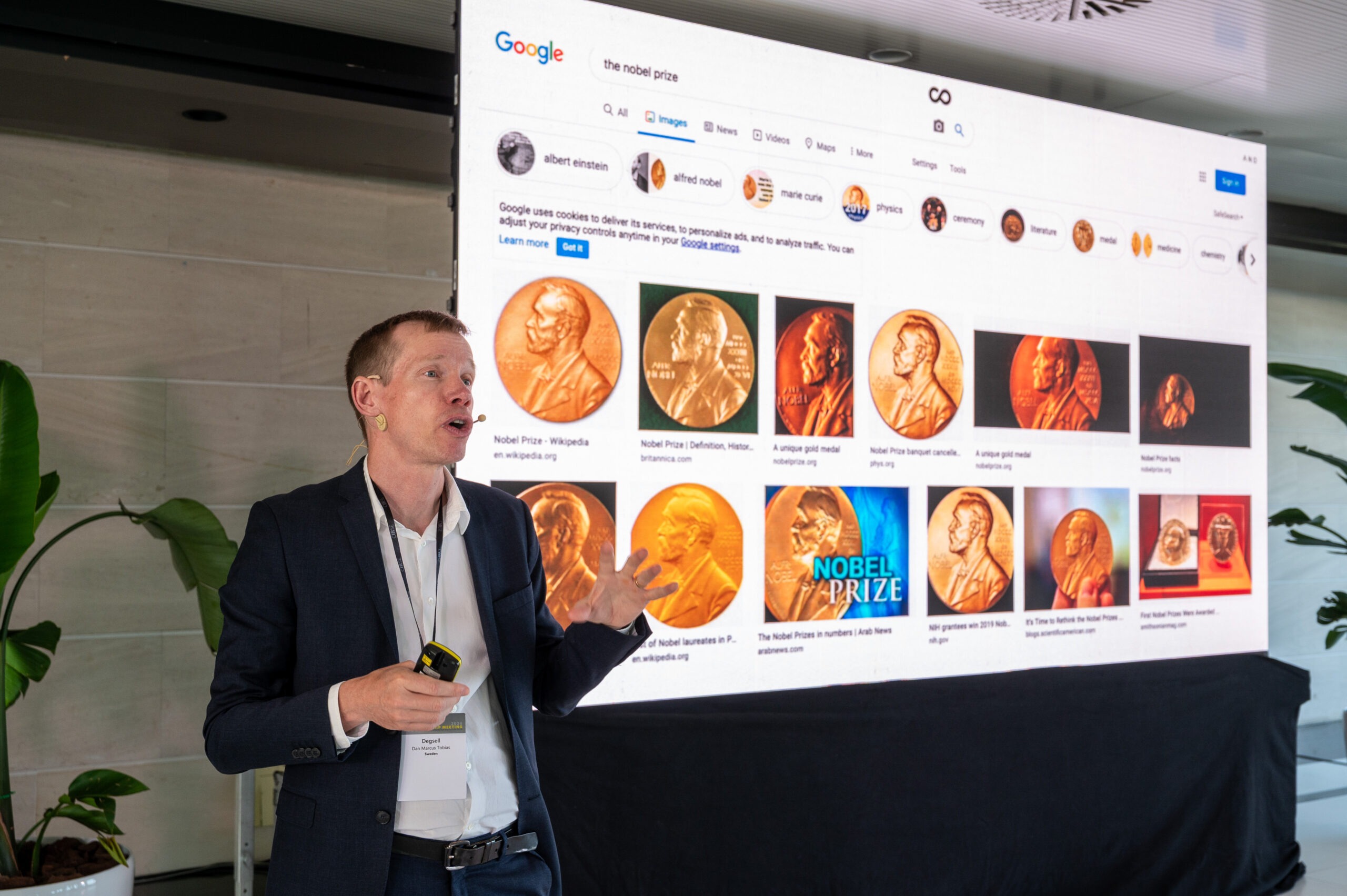
The meeting’s keynote address was delivered by Tobias Degsell, former curator of the Nobel Prize Museum and an international speaker and consultant.
Degsell made the case that lasting excellence rarely comes from individual talent alone; it depends on collaboration, persistence, a willingness to challenge conventional thinking, and a shared sense of purpose. For the IR field, achieving excellence requires joint efforts between national societies and organizations such as CIRSE to build momentum for the specialty’s growth and to foster a culture of trust in which people can exchange ideas, learn together from setbacks, and draw inspiration from successful models in different countries.
The keynote set the tone for a meeting focused on exchanging solutions.
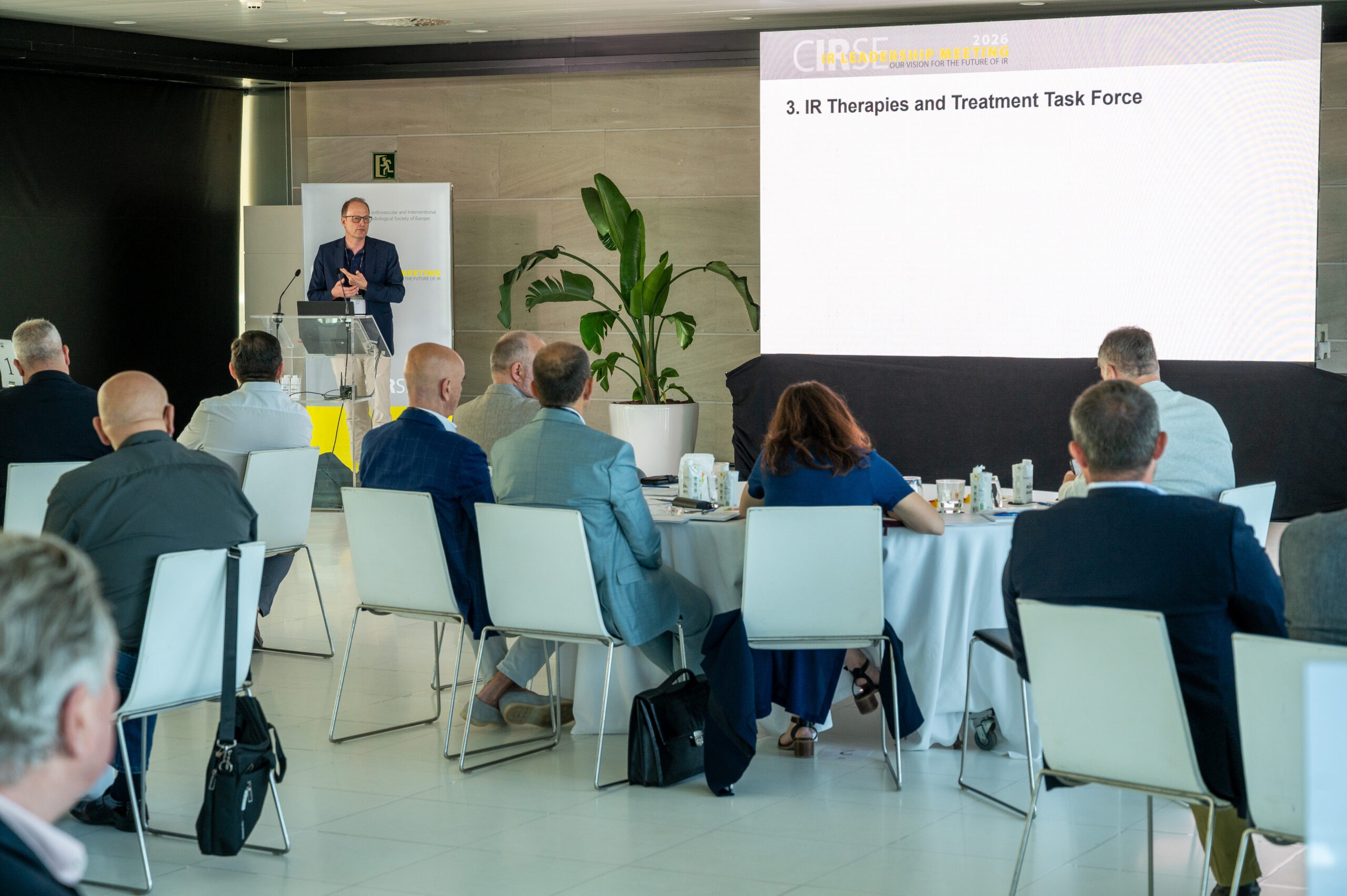
A major part of the programme focused on the CIRSE Therapies and Treatment Task Force, established in 2025 as the second pillar of the CIRSE Vision.
Task force chairperson Thomas Kröncke outlined its work to support the sustainable development of full-time IR. Four working groups are examining the barriers that prevent physicians from concentrating primarily on IR, the resources required by modern IR departments, the relationship between dedicated IR practice and patient safety, and the communication needed to strengthen IR’s role in multidisciplinary care.
An internal survey identified several recurring obstacles to full-time practice. These included staff shortages, competing diagnostic radiology workloads, financial and structural limitations, insufficient specialty recognition, administrative resistance, and limited clinical integration.
The task force is developing practical tools to help address these issues. Its projects include developing a blueprint that describes different levels of IR practice, examples of departments and physicians that have successfully overcome local barriers, a checklist of requirements for a modern IR service, and a CIRSE position paper intended to support discussions with hospital administrations.
The meeting also considered the patient-safety implications of a dedicated IR practice. Participants discussed whether full-time IR could be defined not just as a workforce model, but also as a set of measurable patient-safety criteria backed by common European standards.
Another working group is examining the participation of IRs in multidisciplinary team meetings. A CIRSE member survey is expected to inform a manuscript on the topic, strategic recommendations, and a wider awareness campaign.
Representatives from Switzerland, France, Spain, and Italy presented national initiatives supporting interventional radiology that could offer lessons for other countries.
In Switzerland, IR sits within radiology, and many hospitals run dedicated IR units. SSVIR is promoting EBIR certification, supporting national examinations and fellowship opportunities, advocating for appropriate reimbursement, and using procedure registries to strengthen quality assurance and demonstrate IR’s contribution to healthcare.
The French IR Federation, which lies within the French Radiology Society (FRI), is concentrating on structured training, national data collection, and public awareness. More than 200 centres participated in its 2025 activity survey, helping to map access to procedures and maintain a national directory of IR services. A public campaign on uterine fibroid embolization is also working with patient organizations and the media to explain treatment options more widely.
Spain’s SERVEI has grown beyond a traditional scientific society, now spanning education, registries, AI, professional affairs, and more. It is also pushing for a more clinical model of IR, with dedicated consultations and taking continuous responsibility for patients.
In Italy, the IR section of SIRM is working with universities and national authorities to introduce medical students to IR early in their education. It is also establishing targeted task forces and preparing for a new procedure-coding system.
The presentations revealed shared priorities: attracting and training young physicians, collecting reliable data, strengthening clinical ownership, communicating directly with patients, and ensuring that IR is represented in institutional and political decision-making.
In his closing remarks, Prof. Pereira highlighted visibility as one of the strongest recurring themes of the meeting.
For IR to develop, participants agreed, the specialty must be visible not only to other physicians, but also to patients, students, hospital managers, policymakers, and the public. Clinical responsibility is central to this visibility. IRs must be recognized as physicians who assess, treat, and follow patients throughout their care.
The meeting concluded with a call for national societies to remain ambitious in achieving their objectives and share successful approaches.
By bringing leaders together for open exchange, CIRSE’s IR Leadership Meeting is becoming an important platform for shaping European cooperation into practical progress. The next European IR Leadership Meeting will take place shortly before ET 2027 in Berlin, Germany.