







ET 2026: the embolotherapy meeting of the year in review
Exploring all things embolization
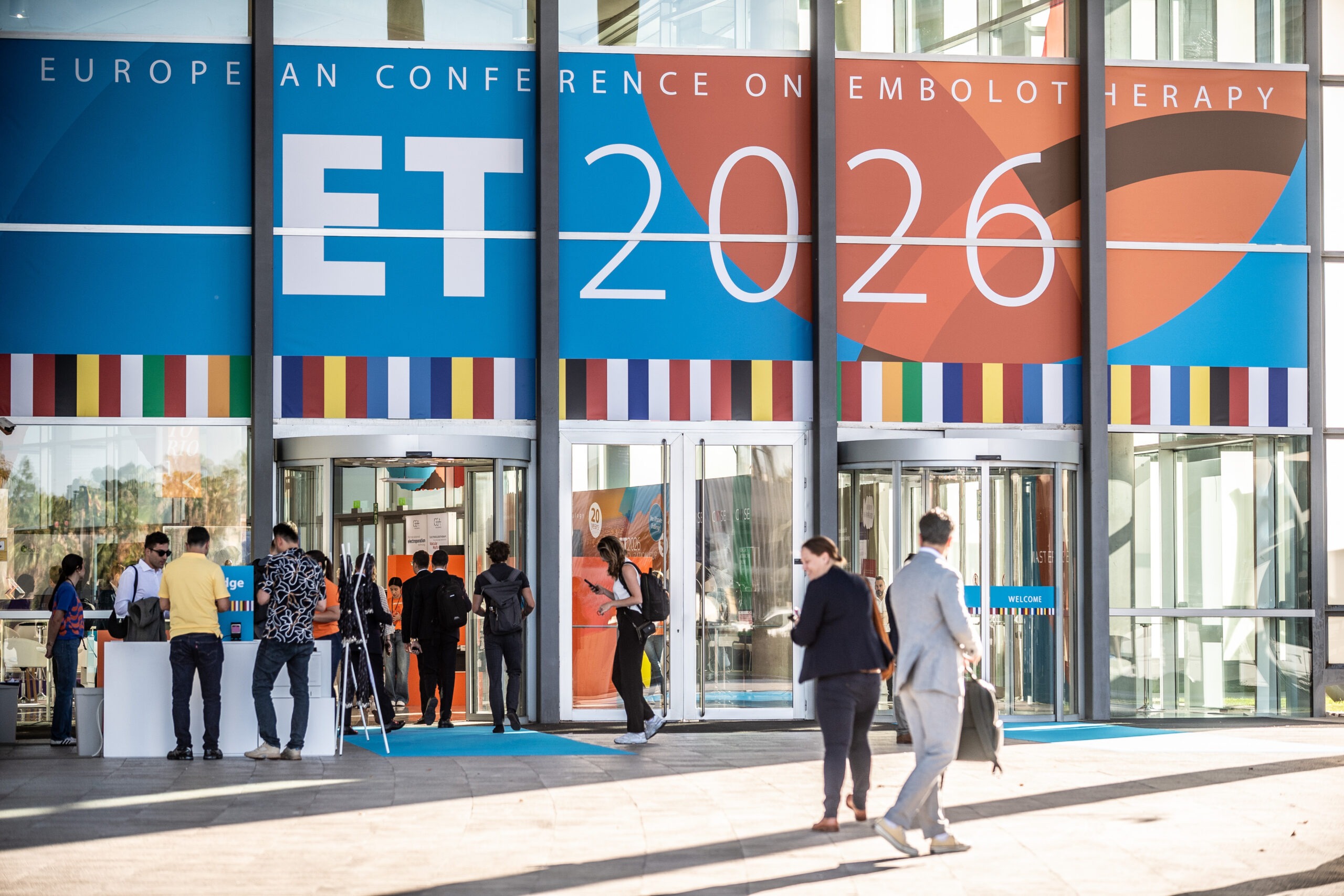
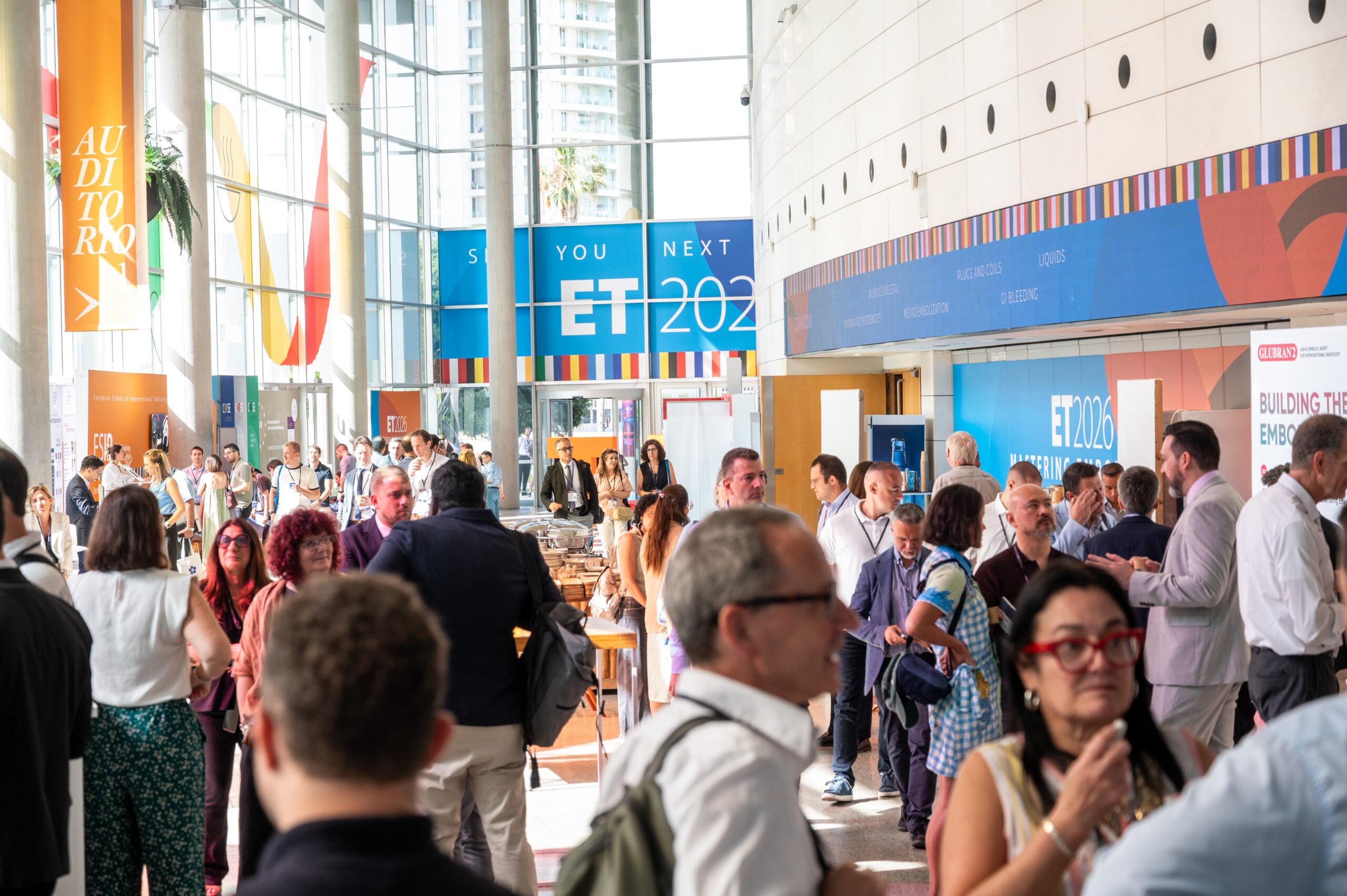
New and evolving topics made ET 2026 one to remember. The 2026 Scientific Programme Committee, headed by Chairperson Pierleone Lucatelli and Deputy Chairperson Mark Little, created an expansive programme including both established and novel therapies.
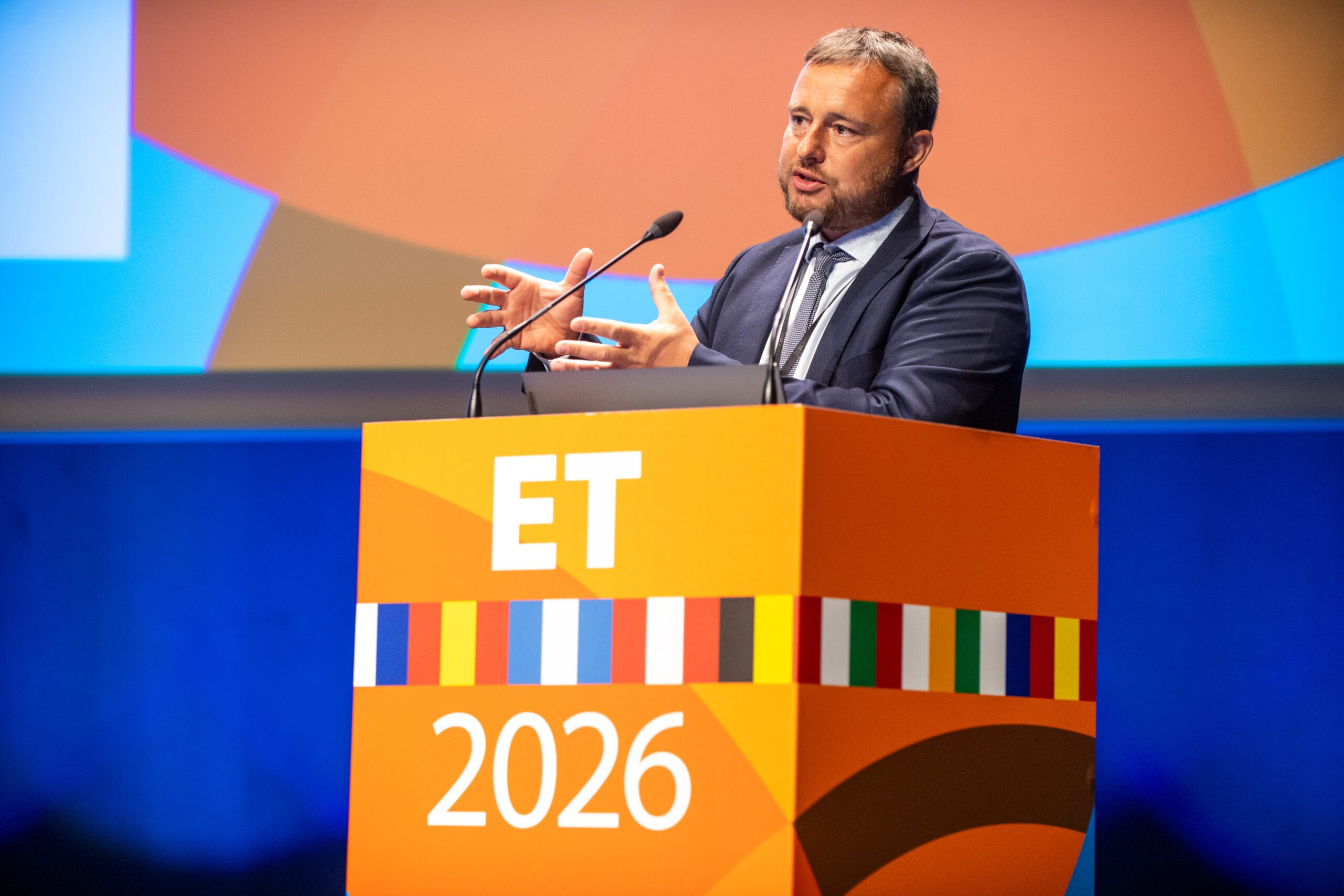
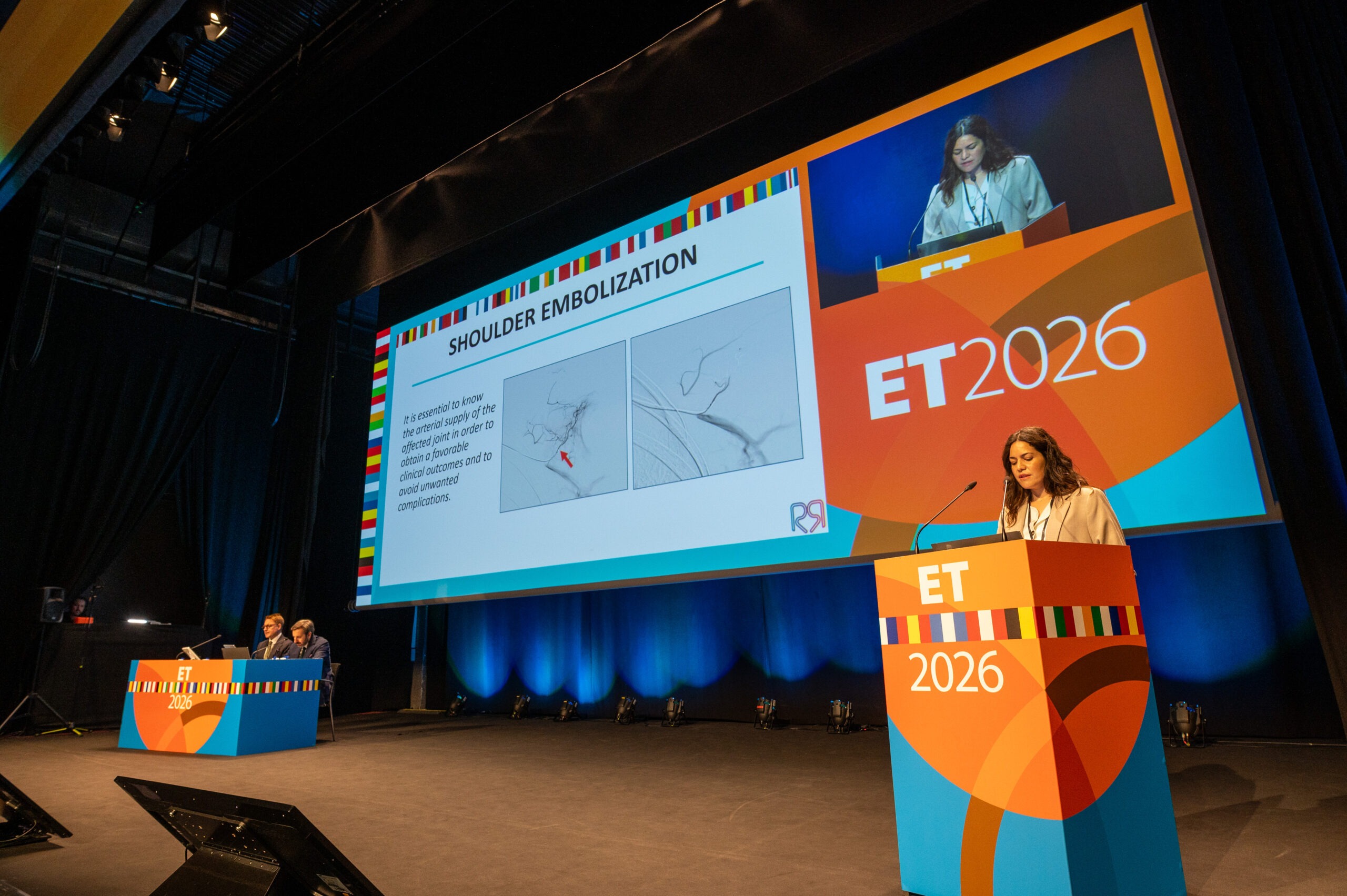
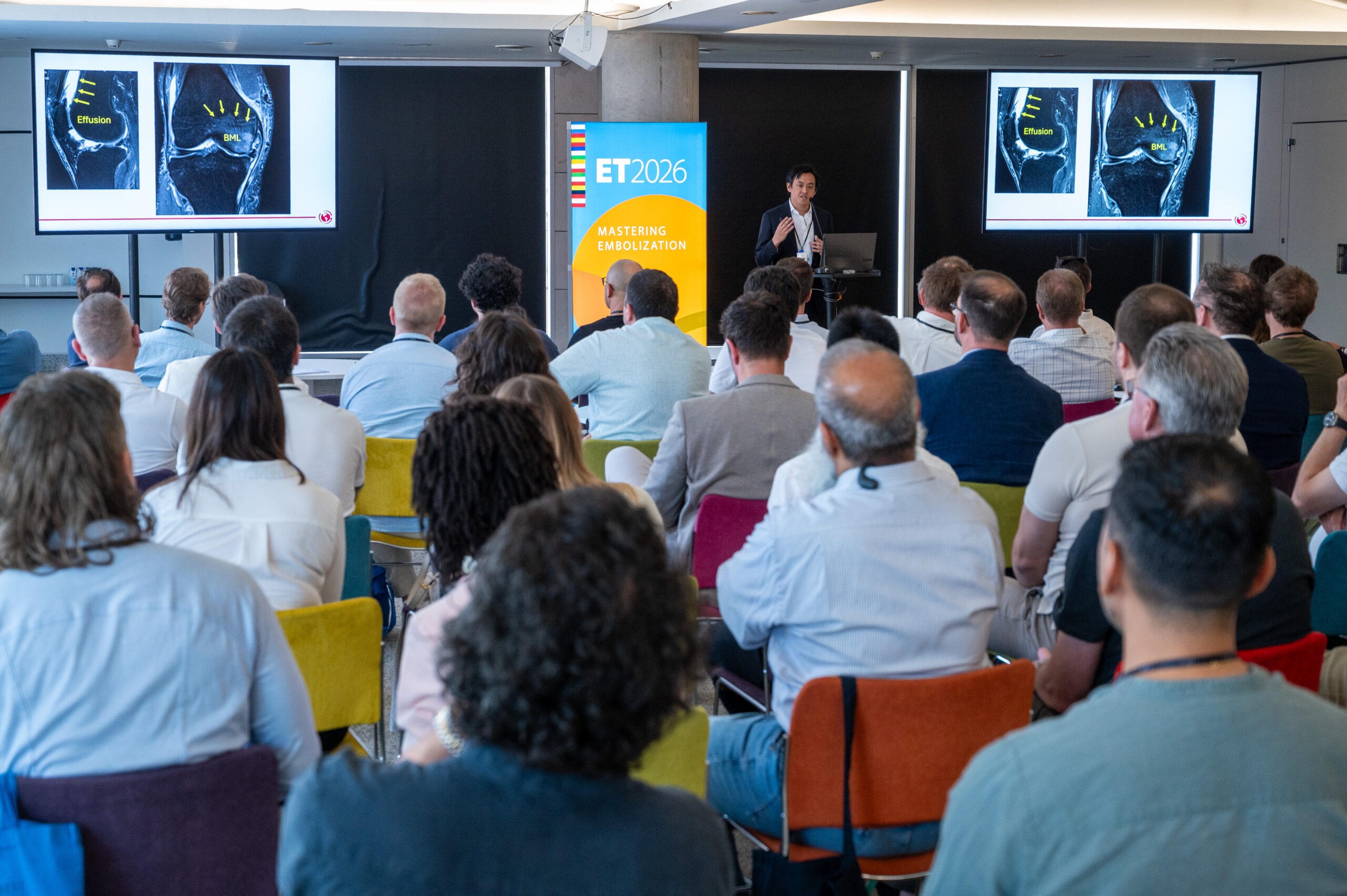
Highlights this year included HCC, vascular malformations, musculoskeletal and joint embolization, and case-based discussions on a variety of topics ranging from hemorrhoid embolization to PAE and more.
A technical focus session explored AI and robotics and how new technologies can best be integrated into daily practice to further improve patient outcomes. Another fascinating new topic was thyroid artery embolization for patients with benign thyroid goiter disease. Attendees also benefited from a close look at advanced image guidance, spotlighting the potential of such technologies for all levels of practitioners striving for technical excellence.
For delegates, this breadth was one of the key strengths of the meeting. Having served as an IR consultant for 30 years, Dr. Elizabeth O’Grady (Liverpool/GB) has been attending CIRSE congresses for decades. Dr. O’Grady said that ET offers a valuable opportunity “to get to know what’s happening outside of your usual practice.” What keeps her coming back is the value of continued exchange within the specialty.
“It’s always good to continue learning new things,” she said. “You get increasingly deep in your specialty, so it’s valuable to see people’s different approaches.” Dr. O’Grady noted that the session on aneurysmal bone cyst treatment was particularly interesting for her.
Interactive learning
The popular deep dive format returned with an even stronger emphasis on practical, case-based learning. Morning special topic sessions were followed by deep dive sessions that expanded on the topics discussed earlier in the day and allowed more time for discussion with experts in an informal, small-group setting.
Dr. Sandro-Angelis Popescu (Gothenburg/SE), a fellow in interventional radiology, attended ET 2026 together with colleagues. His team performs embolization for bleeding indications, as well as uterine fibroid and prostate embolization, and came to the meeting with a particular interest in musculoskeletal embolization.
“It was very interesting for me to attend the MSK session,” he said. “The structure of the programme is really informative, I find. It was great to get expert insight and then follow up with the open discussion in deep dive sessions.”
Dr. Alessandro Balbiano (Turin/IT), a fourth-year resident, was encouraged to attend ET 2026 alongside his colleagues after his supervisor encouraged him to attend. For Balbiano, the exchange with colleagues and experts was a central part of the ET experience.
One memorable moment came during the endoleak session, where Prof. Bora Peynircioglu (Istanbul/TR) presented a direct puncture approach that he had not seen before. “It was fascinating to hear the explanation, tips and tricks, and pitfalls directly from him,” he said.
On-demand content from ET 2026 remains available for ET registrants and All-Access Pass holders at et2026.cirse.org. All satellite symposia from the meeting can be watched free of charge by anyone with a myCIRSE account.
Hands-on experiences
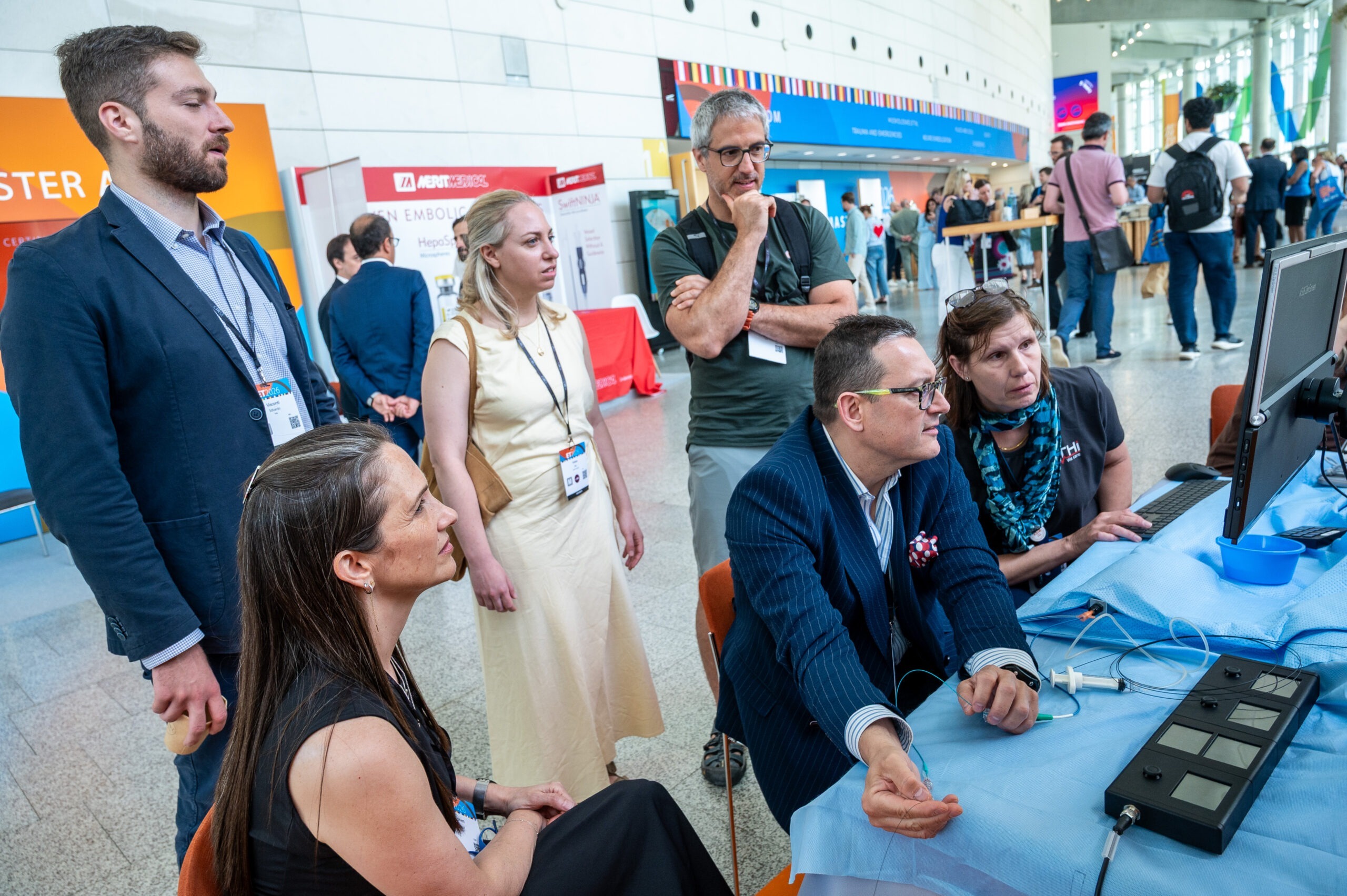
Onsite attendees had the opportunity to take part in hands-on device training on key embolotherapy tools and materials, including plugs and coils as well as liquids and particles.
In celebration of ESIR’s 20th anniversary, the Paeds in Practice workshop series continued at ET 2026 with a dedicated edition supported by educational partner CATHI. Held at the ESIR booth, the interactive hands-on sessions focused on trauma management in children, with particular emphasis on when and how to intervene in real-world clinical scenarios.
These practical sessions offered participants the chance to explore materials, devices, and techniques in a focused learning environment, complementing the scientific programme with valuable hands-on experience.
Onsite activities
CIRSE’s initiatives were also present onsite, offering delegates opportunities to learn more about education, certification, publishing, research, quality assurance, and other resources available to the IR community. From CIRSE Journals and SOP Instant Feedback Sessions with experts to the Online Education booth, where participants could spin the wheel to win a free CIRSE Academy course, there were plenty of ways for delegates to engage with CIRSE beyond the scientific sessions.
Another standout activity was the ET Embolization Cup, a highly engaging competition in which four teams of IRs competed against one another through a theoretical quiz and live practice case, supported by Mentice. The session drew an engaged and enthusiastic audience, creating a lively and communal atmosphere.
See you next year!
ET 2027 will take place from June 23-26 in Berlin, Germany. More information on the programme, abstract submission, and registration will be available soon. Until then, you can download and share ET 2027 promo materials with your colleagues!