Cardiovascular and Interventional Radiological Society of Europe
CIRSE insider - NEW - static
PublicationsCIRSE InsiderET 2026: Awards and honours

ET 2026: Awards and honours

June 30, 2026

ET is CIRSE’s annual conference dedicated to what has become an integral part of interventional radiology practice: embolotherapy. As one of the leading platforms for the latest embolization research, ET offers an ideal setting for researchers to showcase their work to an expert international audience. During ET 2026, the Magna Cum Laude Poster Award and the Best Scientific Paper Award were awarded to exceptional submissions by members of the IR community. Read on to hear from the winners!


Magna Cum Laude Poster Award

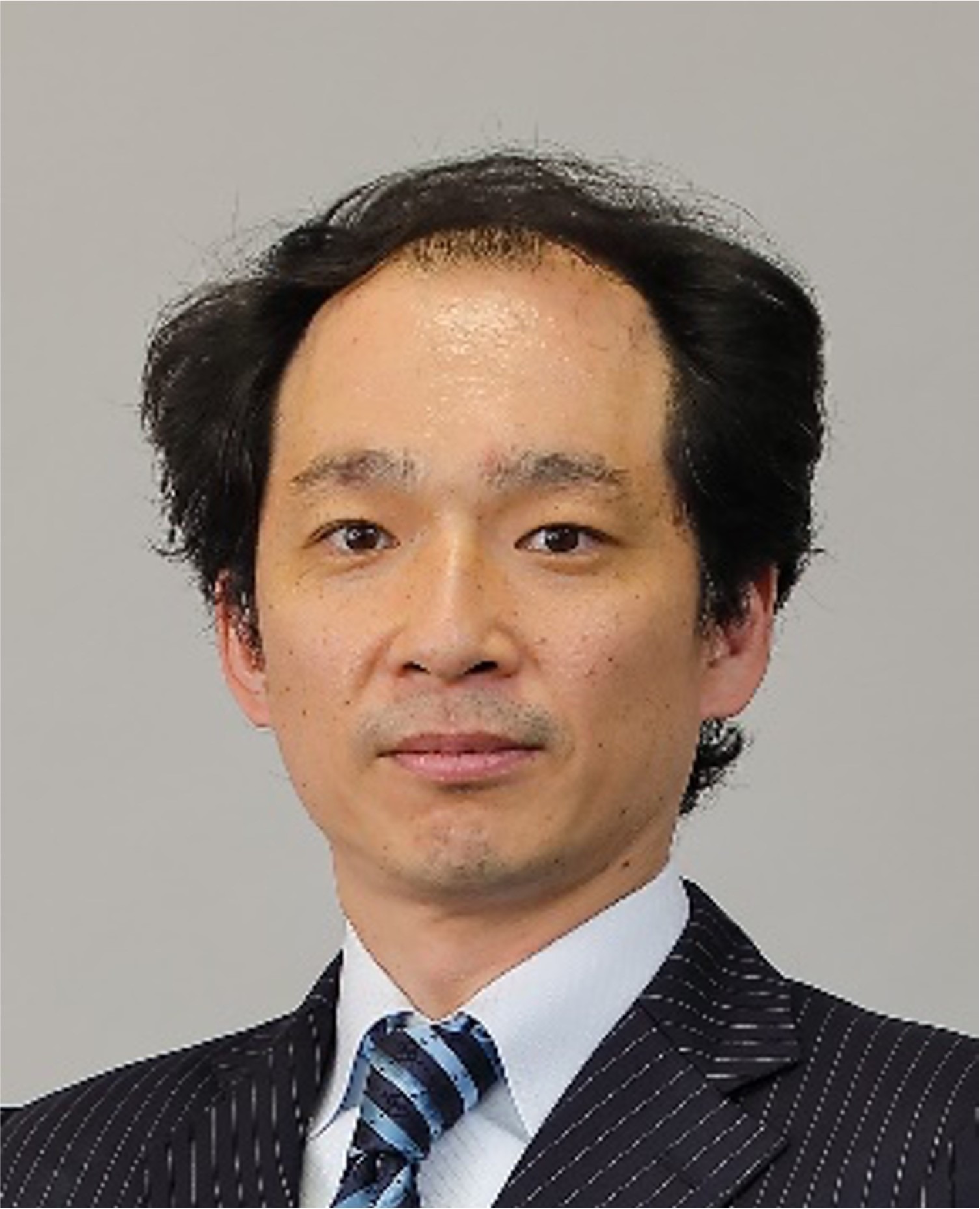
Dr. Tomohiro Matsumoto

Dr. Tomohiro Matsumoto (Nankoku/JP) et al. were awarded this year’s Magna Cum Laude Poster Award for their research on N-Butyl Cyanoacrylate versus Coils for Transcatheter Arterial Embolization in Lower Gastrointestinal Bleeding: A Nationwide Study.

CIRSE Insider: Can you tell us briefly about your medical and academic background? How involved are you in embolization procedures (including those for GI bleeding) at your medical centre?

Matsumoto: My training began at Kyoto Prefectural University of Medicine under Dr. Takuji Yamagami, who is now Professor of Diagnostic and Interventional Radiology at Kochi University. He was the person who first introduced me to interventional radiology. I later joined Tokai University, where I had the opportunity to work with Prof. Terumitsu Hasebe. There, I was involved not only in clinical interventional radiology, but also in biomedical engineering and translational research. Now, I serve as Associate Professor of Diagnostic and Interventional Radiology at Kochi University. At our institution, I am actively involved in a wide range of embolization procedures, including the management of GI bleeding, haemoptysis, and iatrogenic haemorrhage. GI bleeding is one of the major indications for emergency embolization in our daily practice, and I have been involved in the treatment of these patients throughout my career.

CIRSE Insider: Your research compares the efficacy of two embolization methods— N-butyl cyanoacrylate (NBCA) and coils— for lower GI bleeding. What led you to investigate this topic?

Matsumoto: The optimal embolic agent for lower GI bleeding remains a matter of debate. Concerns about ischemic complications and variability in reported clinical outcomes have made it difficult to determine whether one embolic material is truly superior to another. At the same time, most published studies have been relatively small and conducted at single centres. As an interventional radiologist, I felt that a nationwide real-world analysis could provide a broader perspective on how these embolic agents perform in routine clinical practice.

CIRSE Insider: Why did you specifically choose to compare NBCA with coils?

Matsumoto: They have very different characteristics. NBCA provides rapid and permanent occlusion and may be particularly useful in patients with coagulopathy or small target vessels. In contrast, coils allow precise mechanical embolization but may be less effective in certain clinical situations, such as severe coagulopathy or vasopressor-dependent states. Given these differences, we felt that comparing their real-world outcomes would be clinically meaningful.

CIRSE Insider: What were the key findings of your study? How do you see these findings impacting care for patients with GI bleeding?

Matsumoto: Our study suggests that short-term outcomes after TAE for lower GI bleeding are driven primarily by patient-related clinical severity rather than the embolic material. That said, NBCA may still be considered in situations requiring rapid haemostasis or when distal catheterization is difficult. Importantly, because NBCA is a liquid embolic agent that requires specific technical skills, structured education and training are essential for its safe and effective use.

CIRSE Insider: Why did you choose to submit your findings to ET 2026?

Matsumoto: ET is one of the leading international meetings dedicated to embolization. Since our study focused on the clinical outcomes of different embolic materials in lower GI bleeding, we felt that ET was the ideal venue to share our findings with physicians who perform embolization procedures in daily practice.

CIRSE Insider: Do you have any plans for further research on embolization topics?

Matsumoto: That’s a bit top secret for now! However, I can share a little about our future direction. I plan to continue conducting real-world data research on embolization topics. I also believe that real-world data research and artificial intelligence are excellent partners. By combining large-scale healthcare data with AI-based approaches, I hope to gain deeper insights into patient outcomes and support more evidence-based clinical decision-making.

CIRSE Insider: Anything else you’d like to mention?

Matsumoto: Thank you very much for this wonderful honour. I am truly delighted to receive the Magna Cum Laude poster award at ET 2026. I would also like to thank my colleagues and collaborators who contributed to this work. I look forward to future opportunities to participate in CIRSE activities and to continuing international collaboration in interventional radiology.


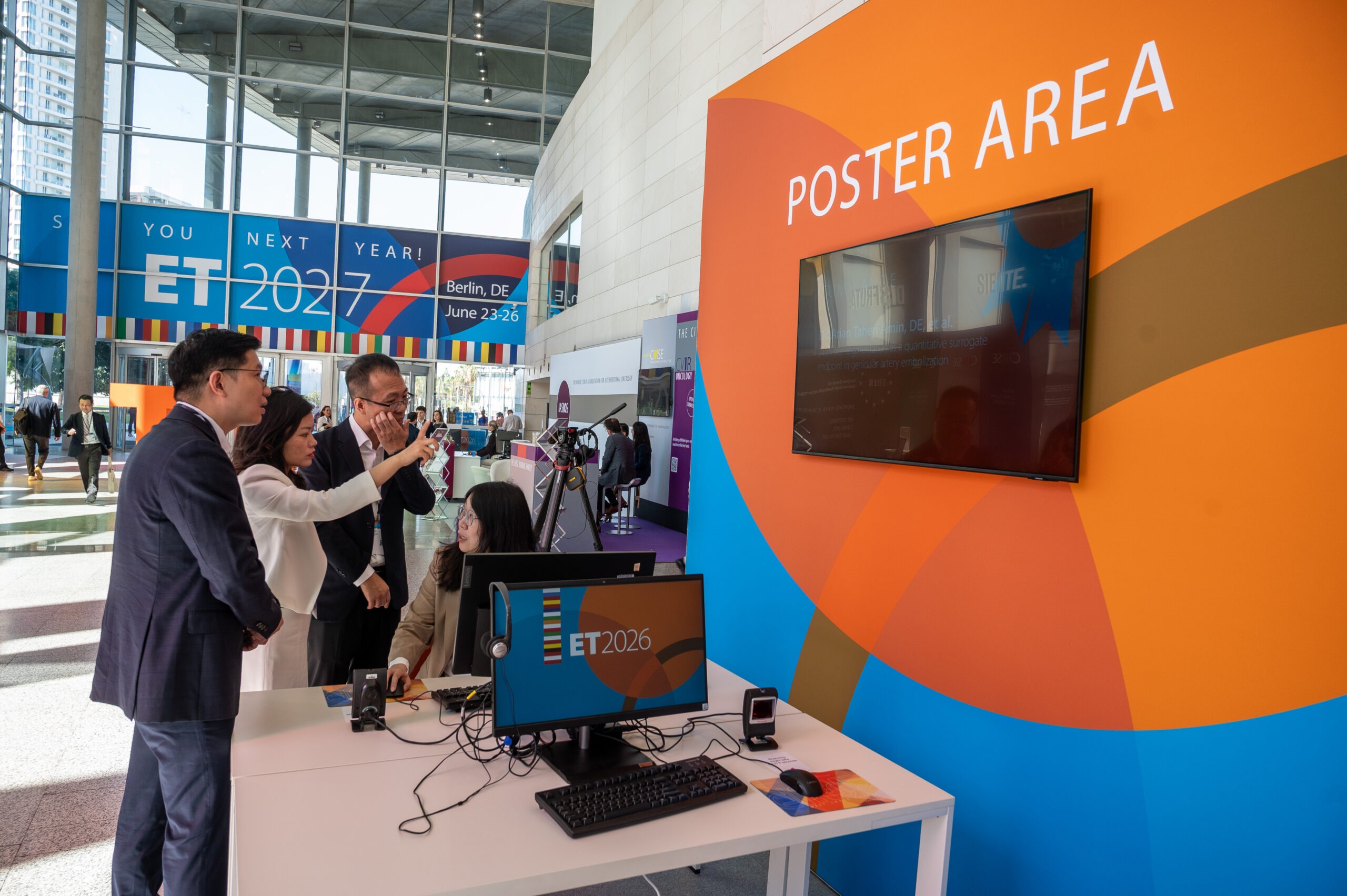
The ET 2026 poster area

The Best Scientific Paper Award

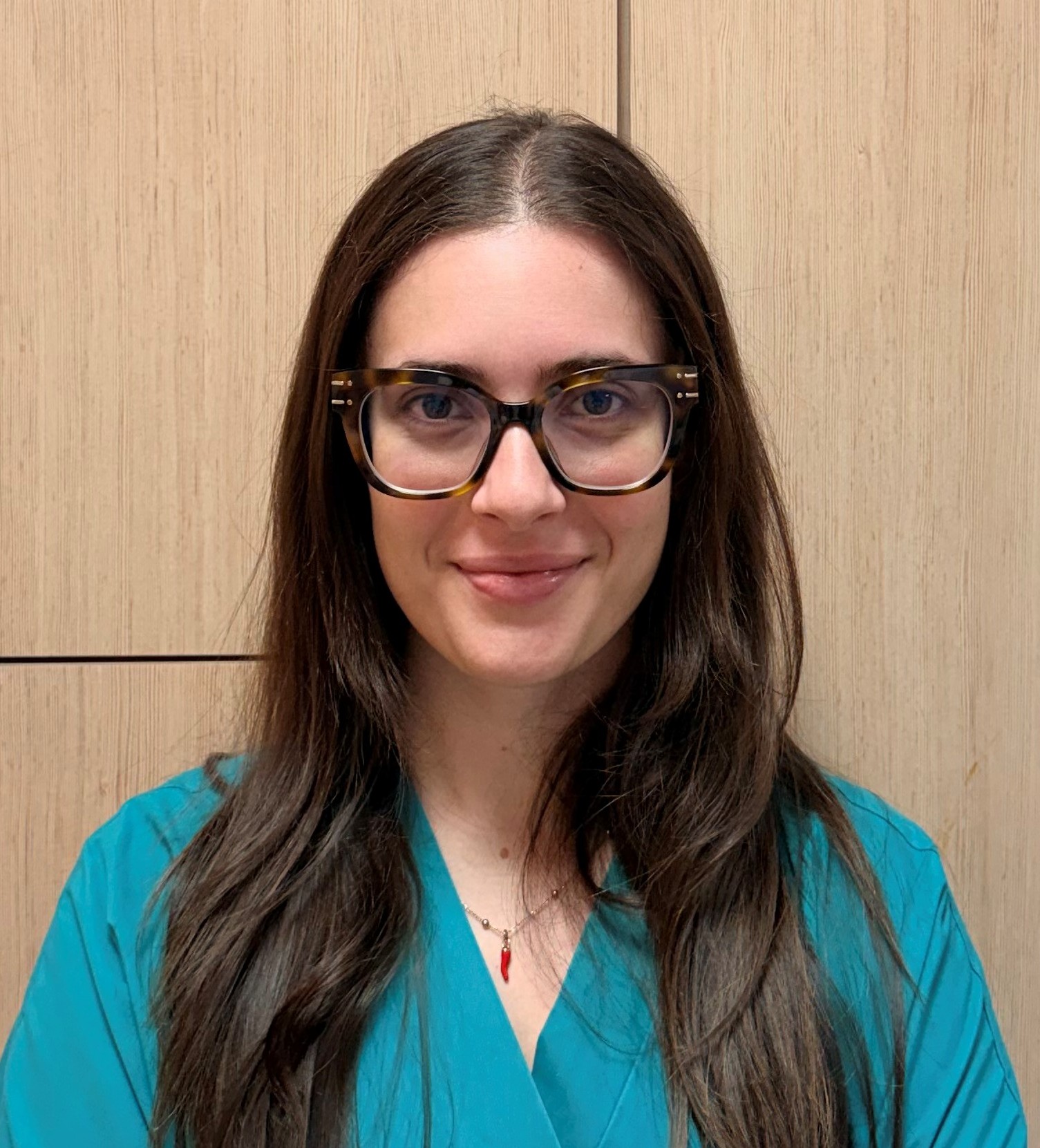
Dr. Valeria Grillo

Dr. Valeria Grillo (Rome/IT) et al. won this year’s Best Scientific Paper Award for the presentation “Retrospective Italian registry on DSM-TACE: experience beyond current recommendations.”

CIRSE Insider: Your paper looked at the real-world use of DSM-TACE in patients with hepatocellular carcinoma, including cases beyond current treatment recommendations. What motivated you to explore this topic?

Recent updates in HCC management have highlighted the need for a more personalized treatment approach. While TACE has traditionally been considered the standard treatment for BCLC-B patients, current recommendations allow transarterial therapies to be considered in selected BCLC-A and BCLC-C patients as well. Because DSM-TACE is designed to preserve liver function while maintaining oncological efficacy, we wanted to investigate its role in a large real-world population and assess whether treatment selectivity could influence outcomes.

CIRSE Insider: Were there any findings that surprised you?

What impressed us most was the ability of DSM-TACE to maintain a very favourable safety profile even in patients who are often considered challenging to treat, such as those with multifocal disease or pre-existing conditions requiring careful preservation of liver function. The liver-sparing nature of this technique, together with the possibility of performing highly selective treatments, makes it a particularly attractive option in modern personalized HCC management.

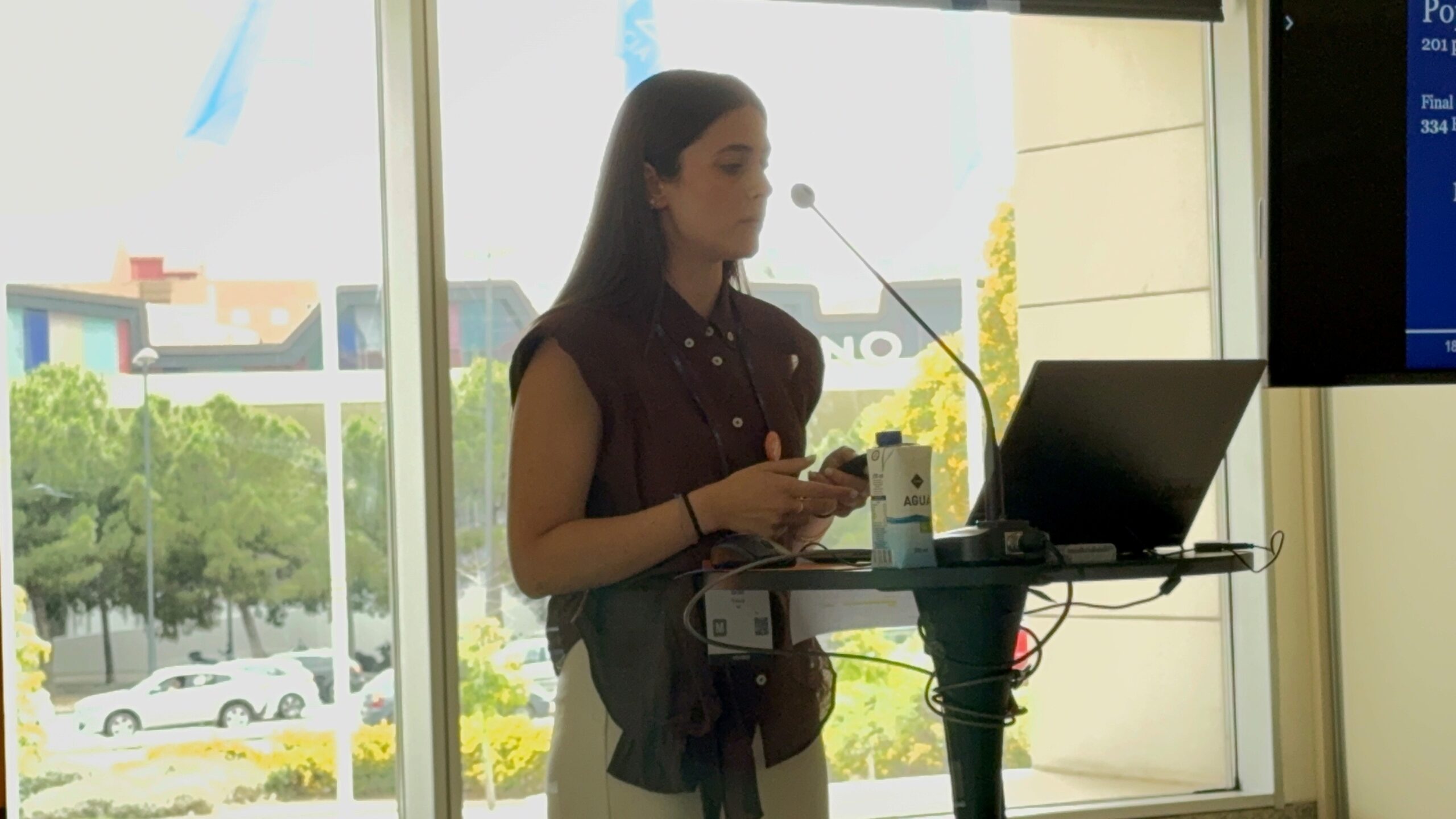
Valeria Grillo presents her paper at ET 2026

CIRSE Insider: Why did you decide to submit a paper for ET? What was attending ET like for you?

ET is one of the most important educational events in interventional radiology and an ideal environment for presenting new research. As a radiology resident, attending ET was both inspiring and motivating. It provided an opportunity to learn from international experts, exchange ideas with colleagues, and present our work to a highly specialized audience.

CIRSE Insider: What do you think made your work stand out from the rest of the papers submitted to ET?

I believe the strength of our study lies in the combination of a large multicenter real-world cohort and a clinically relevant message. Beyond confirming the safety and effectiveness of DSM-TACE, our findings suggest that technical precision matters: a superselective approach was associated with significantly better oncological outcomes. This is practical information that can directly influence daily clinical practice.

CIRSE Insider: Anything else you’d like to mention?

I would like to dedicate this recognition to my institution, my colleagues, and especially my mentors, who have inspired and supported me every step of the way. Their knowledge, encouragement, and trust have played a crucial role in my professional development. As a young radiologist, receiving this award is both an honour and a reminder of how fortunate I am to be part of such an outstanding team.