Cardiovascular and Interventional Radiological Society of Europe
CIRSE insider - NEW - animated
PublicationsCIRSE InsiderArtificial Intelligence at CIRSE 2026: a Q&A with Dr. Sara Lojo Lendoiro

Artificial Intelligence at CIRSE 2026: a Q&A with Dr. Sara Lojo Lendoiro

July 8, 2026

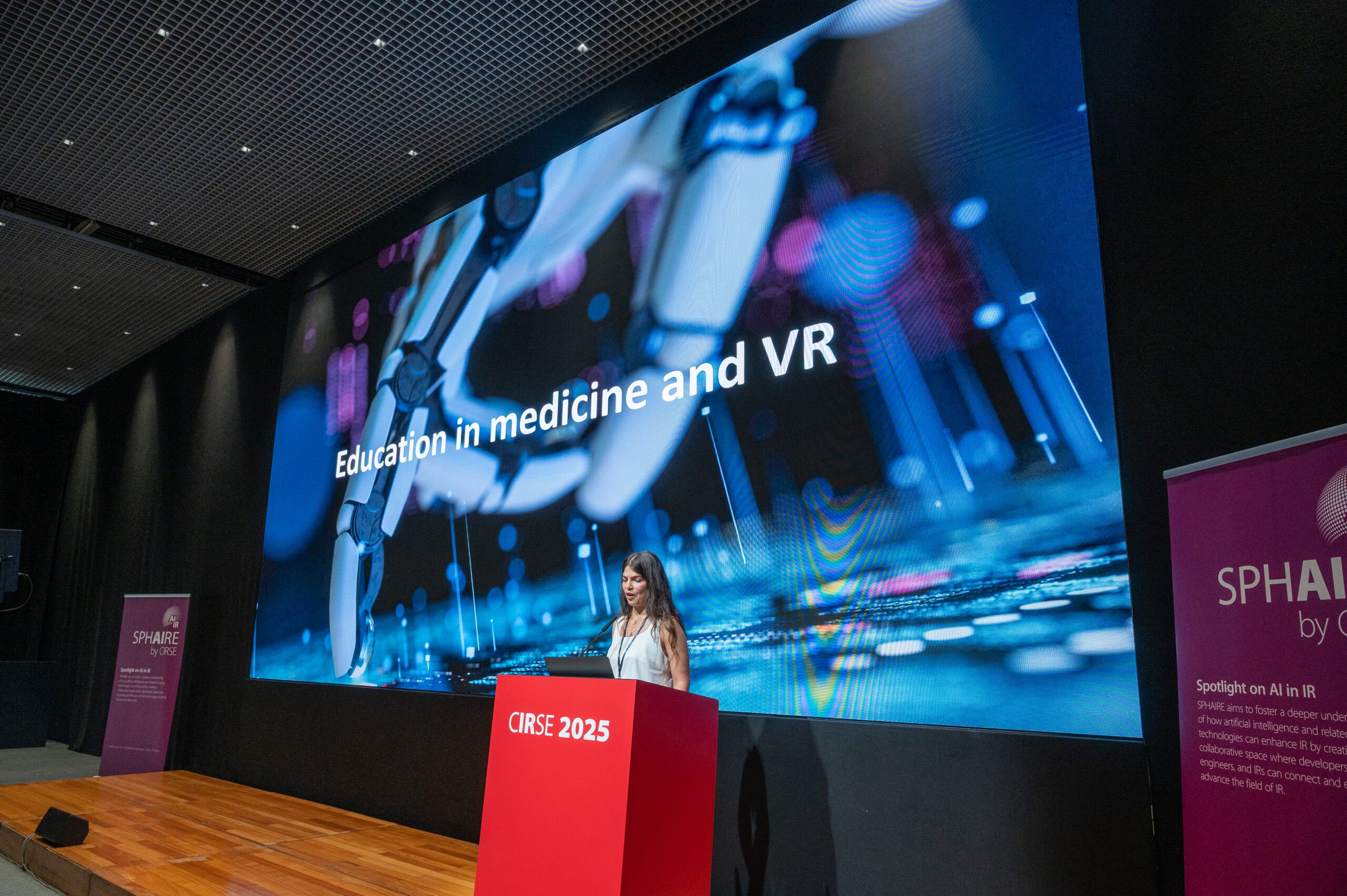
At CIRSE 2026, delegates will have the opportunity to explore SPHAIRE, a dedicated area featuring an exhibition, presentations, and interactive discussions on the latest developments in artificial intelligence (AI), and deepen their understanding of what AI can offer interventional radiology. CIRSE Insider spoke with SPHAIRE Coordinator Dr. Sara Lojo Lendoiro about what delegates can look forward to in this year’s SPHAIRE programme.


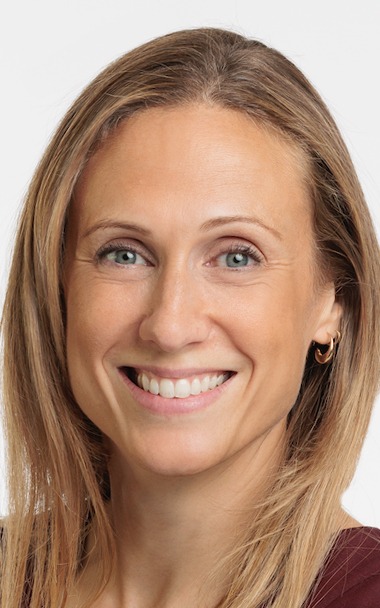
Sara Lojo Lendoiro

CIRSE Insider: As SPHAIRE Coordinator, you lead the SPHAIRE Scientific Programme Committee. Why did you volunteer for this role?

Lojo Lendoiro: I have always believed that artificial intelligence should be addressed within clinical reality and not just as a technological trend. What motivated me to volunteer with SPHAIRE was the opportunity to help create a space where not only clinicians, but also engineers, industry professionals, and researchers could openly discuss how AI is transforming our workflows, decision-making, and patient care. I also felt it was essential to ensure that these conversations were practical, critical, and human-centered.

CIRSE Insider: What excites you most about the intersection of AI and interventional radiology?

Lojo Lendoiro: IR is a uniquely data-rich, image-guided, and workflow-intensive specialty, which makes it an ideal environment for AI integration. What excites me most is the possibility of increasing our capabilities: improving planning, navigation, workflow efficiency, radiation safety, complication prediction, and even patient communication. AI may allow us to become more human again by reducing administrative burden and giving us back time for clinical reasoning and patient interaction.

CIRSE Insider: What is new for SPHAIRE at CIRSE 2026?

Lojo Lendoiro: This year’s programme has a much stronger focus on real-world implementation. We wanted to move beyond the “AI hype” and build sessions around concrete clinical integration: AI for procedural planning, simulation, angiosuite support, workflow optimization, reporting, navigation, robotics, and patient safety.

Another important novelty is the increased emphasis on ethical and legal questions. We are addressing not only what AI can do, but also who is responsible when algorithms fail, how informed consent may change, and how we can prevent inequalities or overreliance on opaque systems.

We also strengthened collaboration with industry to ensure attendees can see both the technological innovation and the clinical perspective side by side.

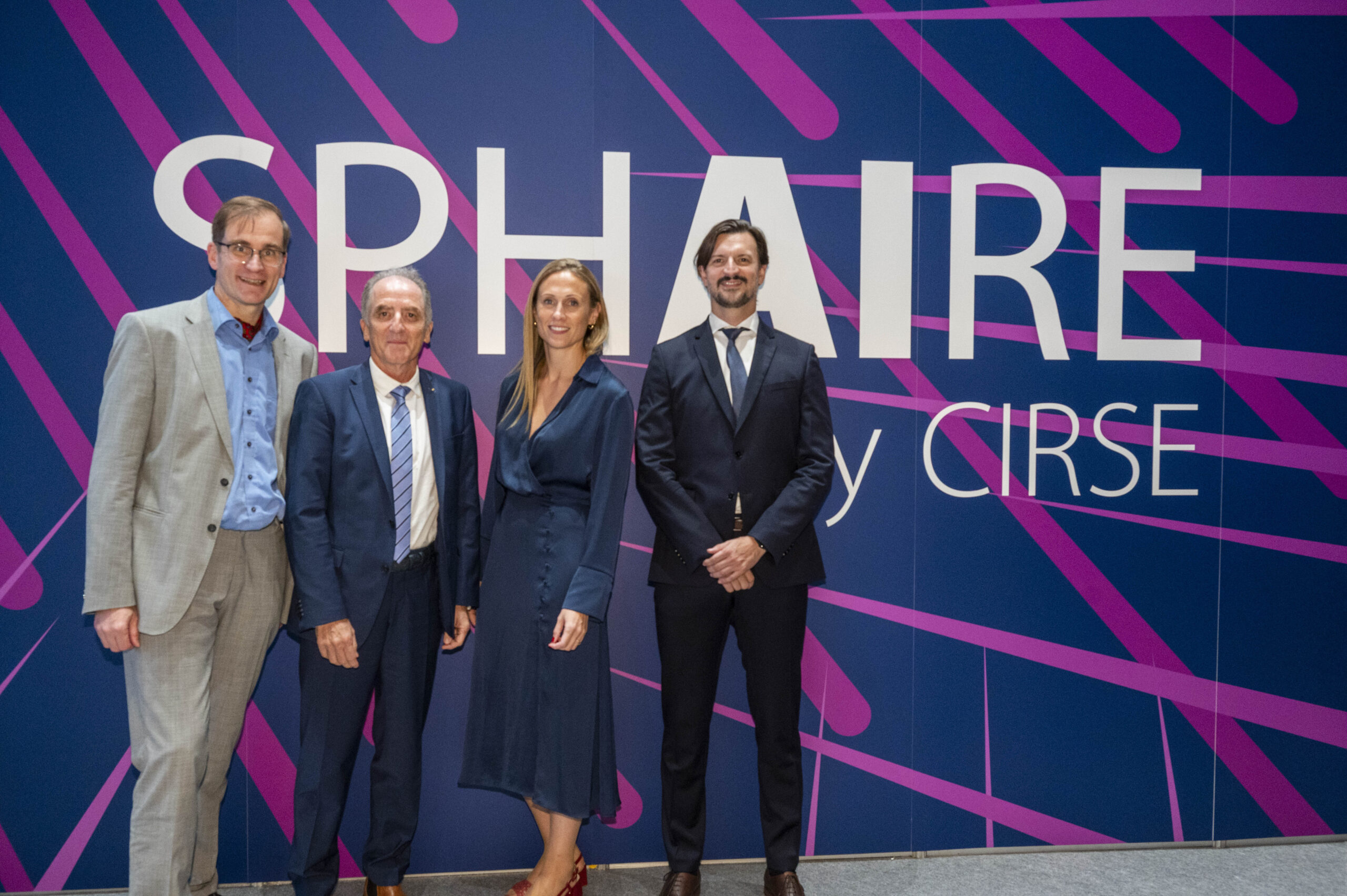
Artificial Intelligence Subcommittee leaders with CIRSE President Philippe L. Pereira at SPHAIRE in 2025. From left to right: Prof. Andreas Mahnken, Prof. Philippe L. Pereira, Dr. Sara Lojo Lendoiro, and Dr. Fernando Gómez Muñoz.

CIRSE Insider: Are there any “must-see” talks at SPHAIRE this year?

Lojo Lendoiro: There are several sessions I am particularly excited about because they reflect different dimensions of AI in IR. The session “AI in current IR practice – what is already implemented?” is especially important because it focuses on tools that are already entering clinical workflows today, not theoretical future concepts.

I also think the session “How can AI make my life easier?” will resonate strongly with attendees because it critically examines which technologies truly add value in daily practice versus those that remain overpromised.

Finally, the ethical and legal sessions are essential. As AI adoption accelerates, these discussions are no longer optional—they are becoming part of routine clinical responsibility.

CIRSE Insider: SPHAIRE will feature sessions from industry in addition to sessions from clinicians. As AI-driven innovation and new technologies continue to emerge rapidly from industry, how can the IR community keep pace?

Lojo Lendoiro: The key is collaboration combined with critical evaluation. Industry is moving incredibly fast, and clinicians cannot remain passive observers. We need interventional radiologists to actively participate in technology development, validation, and implementation. At the same time, not every AI tool automatically improves patient care. The IR community must develop the skills to critically evaluate evidence, workflow integration, safety, explainability, and cost-effectiveness before adopting new technologies.

Platforms like SPHAIRE are important because they help bridge the gap between innovation and clinical reality.

CIRSE Insider: What opportunities exist for young professionals at SPHAIRE?

Lojo Lendoiro: SPHAIRE offers young professionals the opportunity to engage with one of the fastest-evolving areas in medicine at an early stage of their careers. Beyond learning about AI applications, they can better understand how technology development, research, ethics, and industry collaboration intersect with clinical practice.

Importantly, AI in IR is still being shaped. Young professionals have the opportunity to actively define its future direction.

CIRSE Insider: Why should someone add SPHAIRE to their congress agenda?

Lojo Lendoiro: Because AI is no longer a distant concept in interventional radiology. It is already influencing how we plan procedures, analyze imaging, optimize workflows, and interact with patients. SPHAIRE offers a unique opportunity to understand what is truly happening now, what is coming next, and how to approach these changes critically and responsibly.

Whether someone is enthusiastic about AI or skeptical of it, these technologies will increasingly impact clinical practice. SPHAIRE provides the tools to navigate that future intelligently.

CIRSE Insider: What do you see as the biggest potentials and risks of AI’s application to IR? How could the government and other regulatory institutions regulate AI to mitigate these risks?

Lojo Lendoiro: The greatest potential of AI in IR lies in improving precision, efficiency, safety, and personalization of care. AI may help optimize patient selection, support procedural planning, reduce radiation exposure, predict complications, and streamline repetitive tasks that currently consume valuable clinical time.

However, the risks are equally important. Overreliance on algorithms, lack of transparency, biased datasets, unequal access to technology, cybersecurity concerns, and unclear legal responsibility are all major challenges. There is also the danger of adopting technologies faster than we can properly validate them clinically.

Regulation should therefore focus on transparency, explainability, independent clinical validation, continuous post-market surveillance, and clear accountability frameworks. Importantly, regulation should not only evaluate whether an algorithm technically works, but also whether it safely integrates into real clinical workflows and benefits patients equitably.