


CIRSE Fellowship report: Dr. Aaron Taylor
Dr. Aaron Taylor
My name is Aaron Taylor. I’m a final year interventional radiology resident (ST6) working in Dundee, Scotland. I work in Ninewells Hospital, a tertiary referral centre and major trauma centre. Our team offers a range of interventional radiology services including vascular, interventional oncology, non-vascular, aortic, and stroke thrombectomy services.
So far during my interventional radiology career, I have gained exposure to a broad range of procedures but was keen to further develop my interests in interventional oncology, with a particular focus on thermal ablation. Having listened to Dr. Franco Orsi speak at international conferences before and having read a previous report from a UK IR who had visited his centre, I was eager to visit the European Institute of Oncology (IEO) in Milan, Italy to learn more about their experience in interventional oncology to see what I could bring back to improve my IR practice. I was fortunate enough to be awarded a CIRSE grant to spend four weeks with the team at IEO.
The IEO is a world-renowned cancer treatment hospital located in Milan in the Lombardy region in the north of Italy. It regularly ranks in the top ten in the world in Newsweek’s list of the world’s best specialised hospitals for oncology, including in the most recent version.
Interventional radiology features prominently within the hospital infrastructure with a strong presence and a good working relationship with all specialties. Dr. Orsi and his team would often be seen taking referrals and helping to problem solve in difficult cases. The IR department has also been awarded CIRSE’s IASIOS accreditation as recognition of the quality care they are offering.
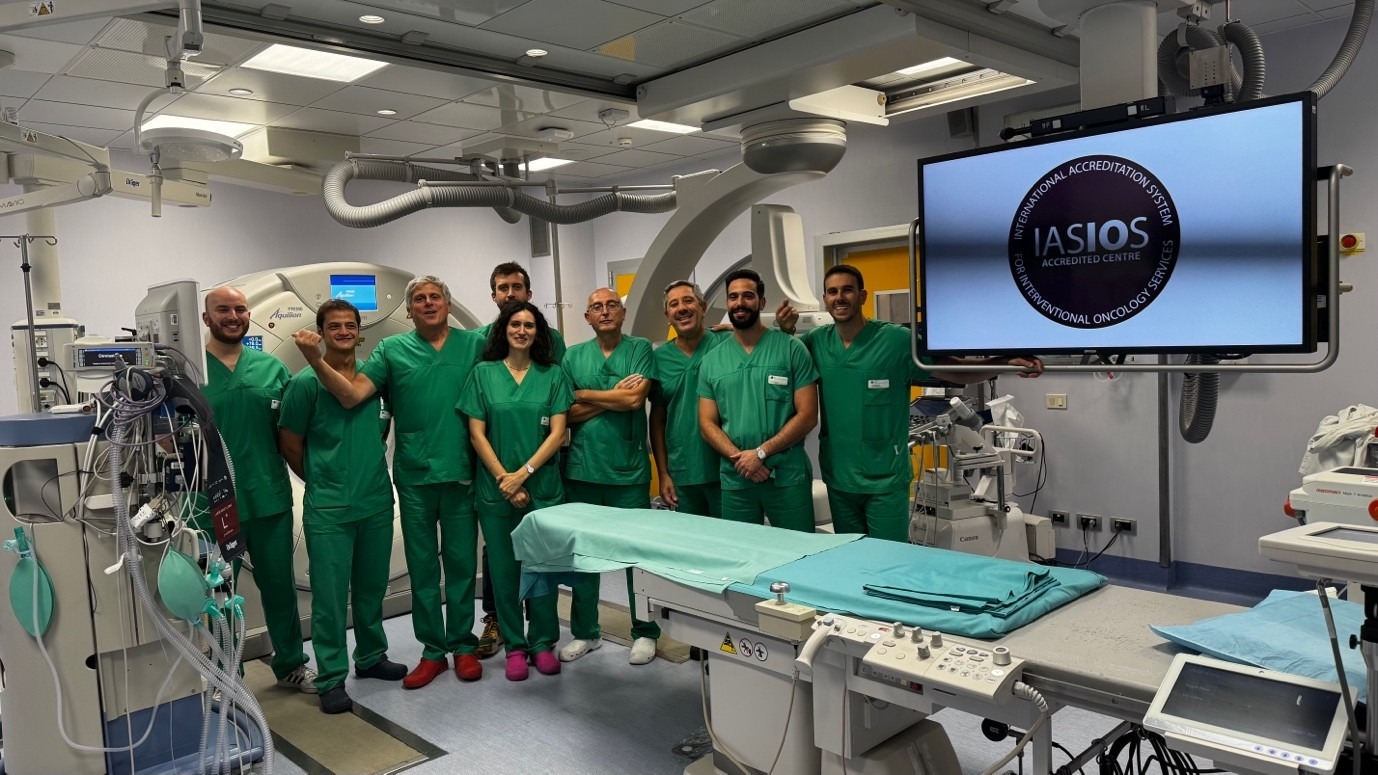
There is a team of eight interventional radiologists at IEO usually working in pairs to help with complex cases with a wide range of backgrounds and experiences.
Amongst the procedures performed are:
- Thermal ablation with radiofrequency, microwave, and cryoablation
- Trans-arterial embolization with chemotherapy, bland agents, and radioembolization
- Irreversible electroporation
- Lymphatic intervention
- Vertebroplasty
- Uterine artery embolization for leiomyomas
- Various general IR procedures – drains, stents, biopsies, and vascular access
In the short space of time that I was present, I saw almost all of the above interventions performed on many body systems: lung, liver, kidney, breast, thyroid, adrenals, and bone. This allowed me to gain a broad range of exposure to procedures, some of which I had never seen before.
In addition to gaining insight into some of the different modalities available and the pros and cons of various manufacturers and cases, I also was able to observe differences in the imaging equipment used and the room setup, an insight that I will take back with me. Sometimes this would be as simple as the way a patient was prepped and draped right up to the intricacies of complex image fusion equipment and the benefit it could have on a case.
On the topic of equipment, the main theatre suite is a well-equipped and spacious room with good access to anaesthetic support. Many complex cases were made easy by the availability and assistance of the anaesthetists and willingness to employ techniques such as single lung ventilation. The angio-CT equipment meant that all eventualities were catered for and the entire range of procedures could be performed with the patient on one table. Both CT navigation equipment and US/CT fusion equipment were used very routinely to help make challenging cases safer and less time-consuming. In particular, it was interesting to note that these were routinely used even in less challenging cases to ensure that staff were all experienced and familiar with the equipment. This really showed as the setup and implementation took very little additional time. I had never used ultrasound-fusion before but was reassured to see how smoothly it could be implemented into an IR procedure.
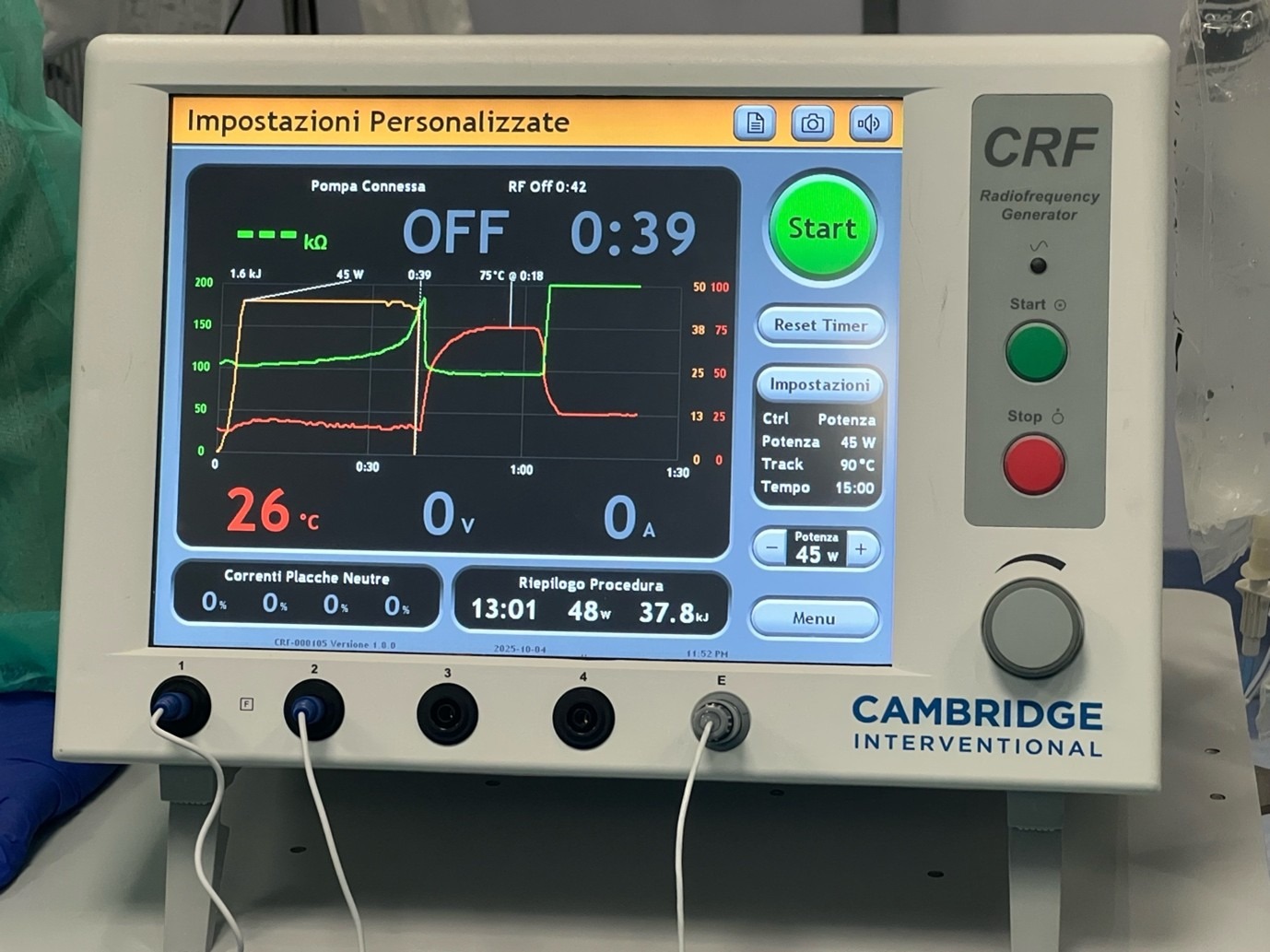
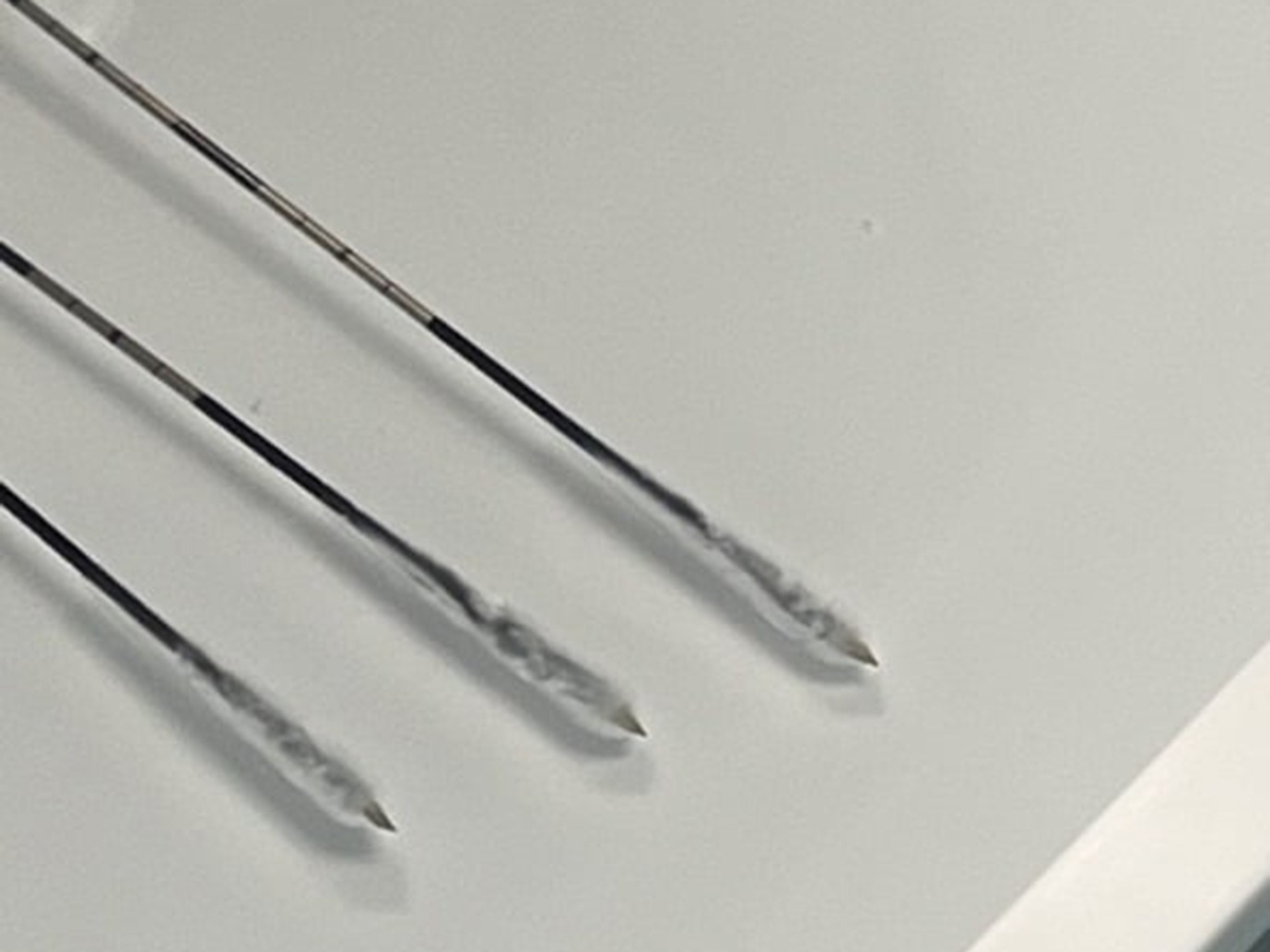
Another technology I was fortunate to witness was the use of ablation confirmation software. Up until now, I have experienced basic versions of this, so it was useful to see a modern software package in action and to note the clinical impact it had, whereby two liver lesions were re-ablated to try to ensure optimum coverage and reduce risk of disease recurrence.
The second IR theatre at IEO has a CT scanner with a mobile c-arm present. It is used for smaller cases primarily, but it is still able to undertake the vast majority of the procedures undertaken at IEO, including the advanced navigation techniques described above.
I also had the opportunity to visit the IR ward and see the benefit of IRs having oversight of their own patients. From early identification of complications to direct feedback about patient’s symptoms post-procedure, this allows the IRs to modify and improve their practice on a continual basis. It also means that direct admission by an IR unit is possible, allowing more robust planning of caseloads.
A weekly departmental meeting is held attended by a hepatologist, the whole team of IRs and many of the IR nurses and pre-admissions nurses. This allows cases to be discussed for the coming ten days to review imaging, discuss preoperative bloods, ensure any required equipment is available, and to allow anyone to express any opinions they might have that will contribute to a patient’s care. This helped to smooth the pathway and minimise last minute issues or unexpected surprises on the day of procedures.
The teamwork at IEO really shone through with every member of the team always willing to help with a smile on their face. Regular team trips for coffee and a catchup helped to maintain professional relationships and break up the working day to unwind after challenging cases.
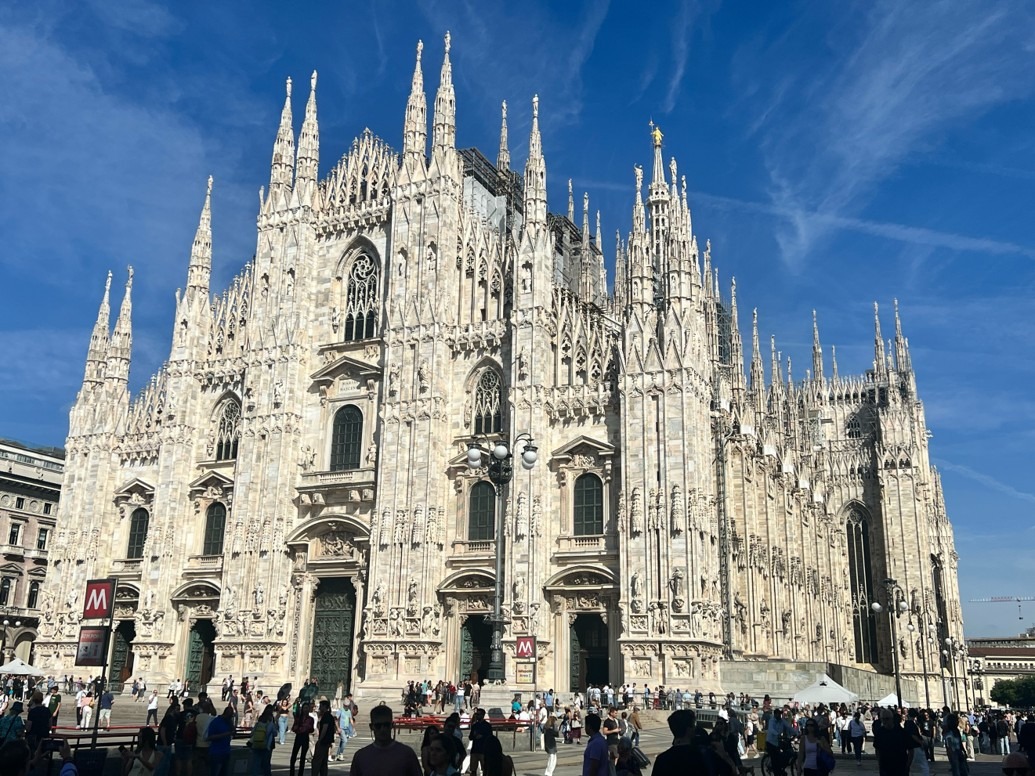
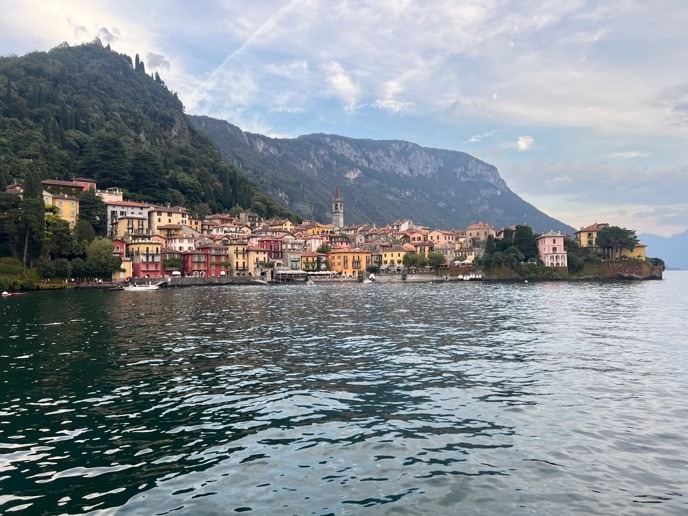
Outside of work, I had the chance to explore and enjoy Milan and the surrounding areas. I was fortunate to see both AC and Inter Milan play at the famous San Siro, took trips to Lake Como, Torino, Bergamo, and ate in many of Milan’s great restaurants.
Overall, this experience has vastly broadened my knowledge of a wide range of IO procedures and their intricacies as well as introduced me to some of the cutting-edge technologies that are pushing our specialty forward. I have returned with the inspiration to take this experience forward into my practice to see what we can achieve for our patients.
I am grateful to Dr. Orsi and would like to thank him and the rest of the team at IEO for their time, patience, and hospitality during my time in Milan.