CIRSE Insider: What are challenges that the Taiwanese IR community faces? Conversely, what is something you feel that interventional radiologists do exceptionally well in Taiwan?
Chang: Attracting and developing the next generation is a major challenge. IR requires a unique combination of skills. The training pathway is demanding and relatively long, so encouraging more young physicians to enter the field is one of our top priorities.
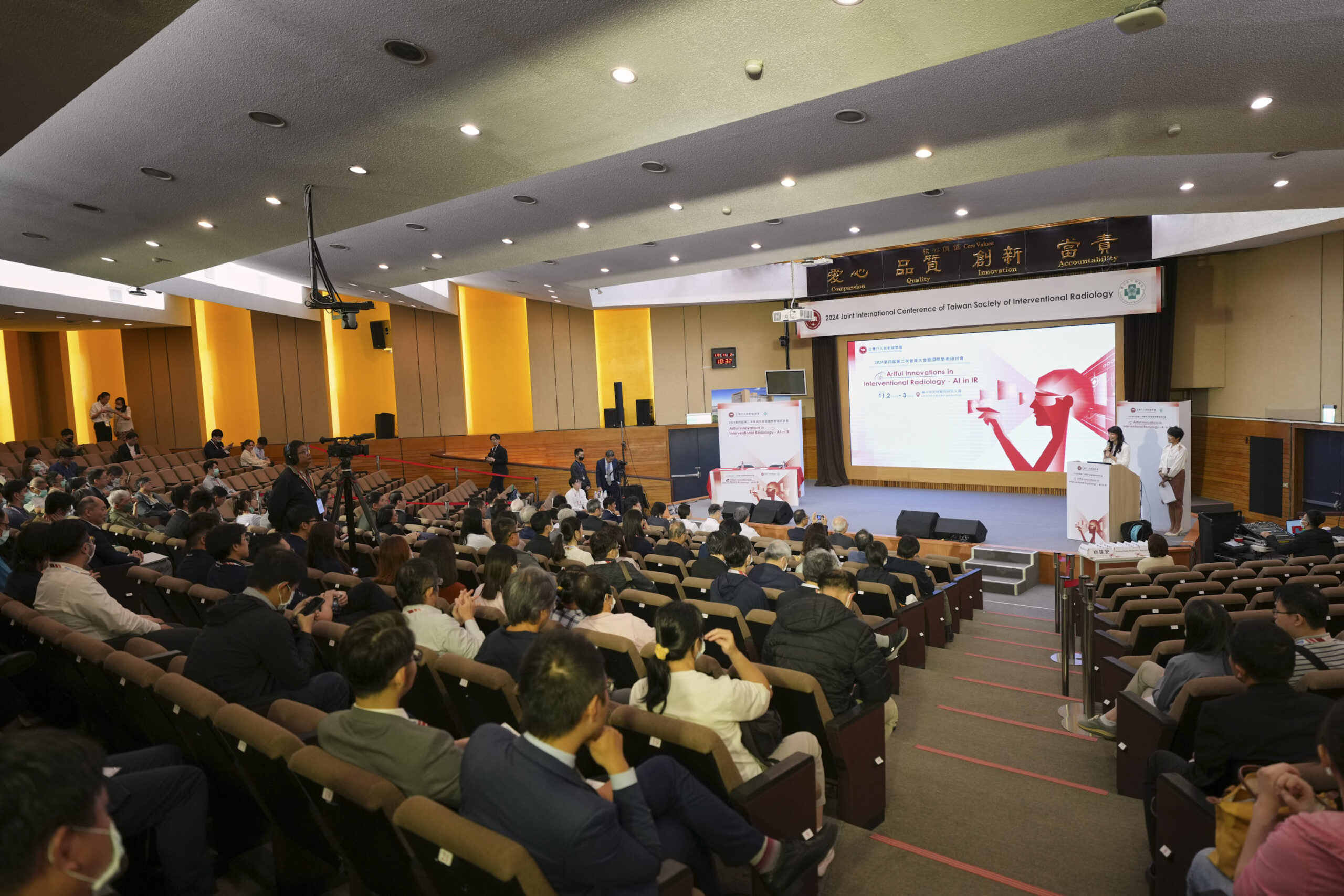
There is also AI. While many people see it as a threat to their professions, in IR, it actually offers many opportunities. Also, IR involves hands-on treatment and direct patient interaction, not just interpreting images. So, we do not view it as a threat to our field, but rather as a useful tool.
In terms of what IR in Taiwan does exceptionally well, we do both diagnostics and interventions, which allows us to connect imaging findings directly with personalized treatment strategies.