Cardiovascular and Interventional Radiological Society of Europe
CIRSE insider - NEW - animated
PublicationsCIRSE InsiderLooking forward to ET 2026 with Fernando Gómez, Local Host Committee Chairperson

Looking forward to ET 2026 with Fernando Gómez, Local Host Committee Chairperson

May 15, 2026

The 2026 European Conference on Embolotherapy (ET) will take place from June 17-20 in Valencia, Spain. CIRSE Insider spoke with Dr. Fernando Gómez Muñoz, ET 2026 Local Host Committee Chairperson, about embolotherapy in Spain, the ET programme, and recommendations for after-congress activities in Valencia.


Fernando Gómez Muñoz

CIRSE Insider: Can you tell us a little bit about yourself and your hospital? How much of your workload is embolotherapy-related?

Gómez: I am an interventional radiologist passionate about minimally invasive treatments, with a particular focus on oncology in both adult and paediatric patients, as well as the integration of artificial intelligence into clinical practice. I have also had the opportunity to work and collaborate across several European countries, including the Netherlands, Switzerland, and the UK.

Our hospital is a high-volume centre with seven dedicated IR suites (US, angio, and CT) serving both adult and paediatric populations. Embolotherapy represents a substantial part of our activity, accounting for approximately 35–40% of our workload.

CIRSE Insider: In Spain, how well is embolotherapy understood by other specialities and integrated within multidisciplinary treatment pathways?

Gómez: In Spain, embolotherapy is well understood in general and integrated into multidisciplinary care, particularly in larger and high-volume centres. Interventional radiology is now routinely involved in tumour boards and other MDTs, where embolotherapy is often considered a key treatment option, especially in oncology and vascular malformations.

There is still some variability between institutions, but awareness continues to grow. Importantly, the Spanish Society of Interventional Radiology (SERVEI) is actively promoting these treatments, not only through multidisciplinary collaboration but also through outreach in mainstream media, as well as on social media, helping to further increase visibility and adoption.

CIRSE Insider: What are you personally most looking forward to at ET 2026?

Gómez: I’m looking forward to engaging discussions on the latest advances and challenges in embolotherapy. I hope the IR community can exchange ideas and build collaborations that ultimately improve patient outcomes and drive innovation in the field.

In particular, I am interested in sessions on oncologic embolotherapy, including neoadjuvant or adjuvant, as well as emerging indications such as prostate artery embolization and MSK interventions. I also look forward to updates on newer applications like thyroid and haemorrhoidal embolization, which continue to expand the scope of our specialty.

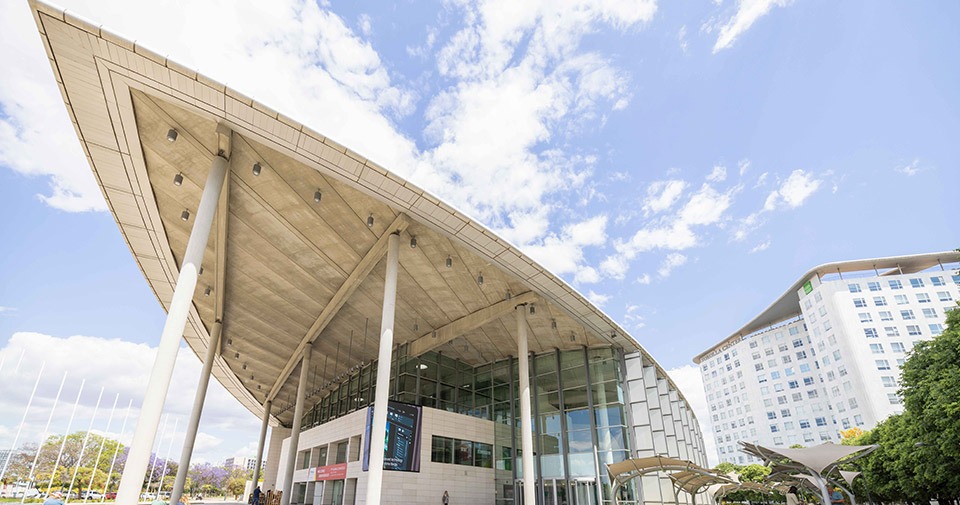
The Valencia Conference Centre. Image courtesy of the Valencia Conference Centre
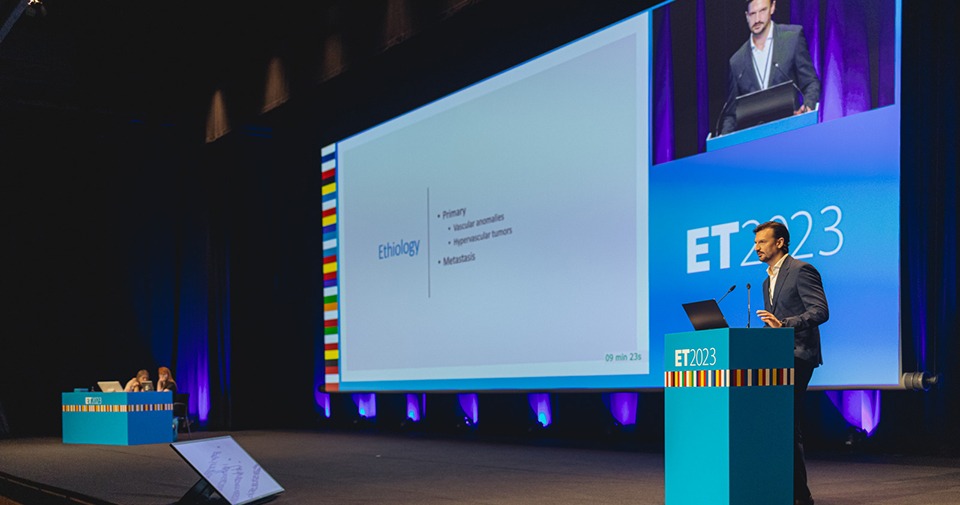
Dr. Gómez delivers a lecture at ET 2023

CIRSE Insider: What do you think makes ET stand out from other IR meetings?

Gómez: What makes ET stand out is its highly focused scope: being entirely dedicated to embolotherapy allows for deeper and more practical discussions than broader IR meetings. The format encourages interaction, case-based learning, and sharing of real-world experience among experts.

It also brings together a specialized community with a common interest, which creates an ideal environment for exchanges, networking, and collaboration. In my view, this combination of focus, depth, and accessibility is what makes ET unique.

CIRSE Insider: You will be delivering a lecture on AI-guided decision support in embolization treatments as part of the session “AI and robotics”. What motivated you to speak on this subject? What can the attendees expect from your lecture?

Gómez: AI is rapidly moving from a conceptual tool to something that can meaningfully support our day-to-day practice in embolotherapy. I aim to give a practical overview of the current state of the art of AI-guided treatments across the full continuum of care. This includes its role in planning (such as patient selection, imaging analysis, and procedure simulation), intra-procedural assistance, where AI can support navigation, device selection, or real-time decision-making, and post-procedural verification, including treatment assessment and outcome prediction.

Finally, I would like to emphasize the need to embrace AI as a tool that complements our expertise. Used appropriately, it can help us increase precision, standardize care, and ultimately improve safety and outcomes for our patients while also supporting us as clinicians in an increasingly complex environment.


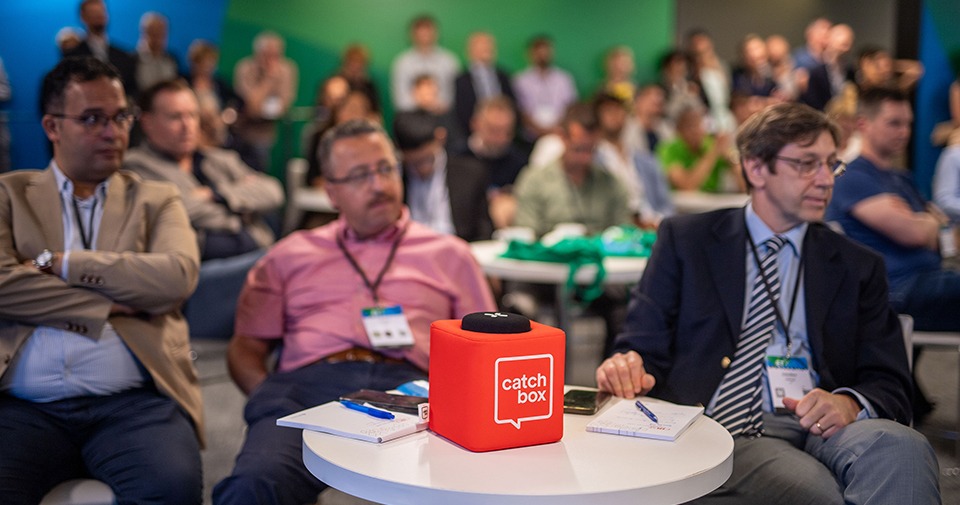
Delegates attend an interactive session at ET 2025
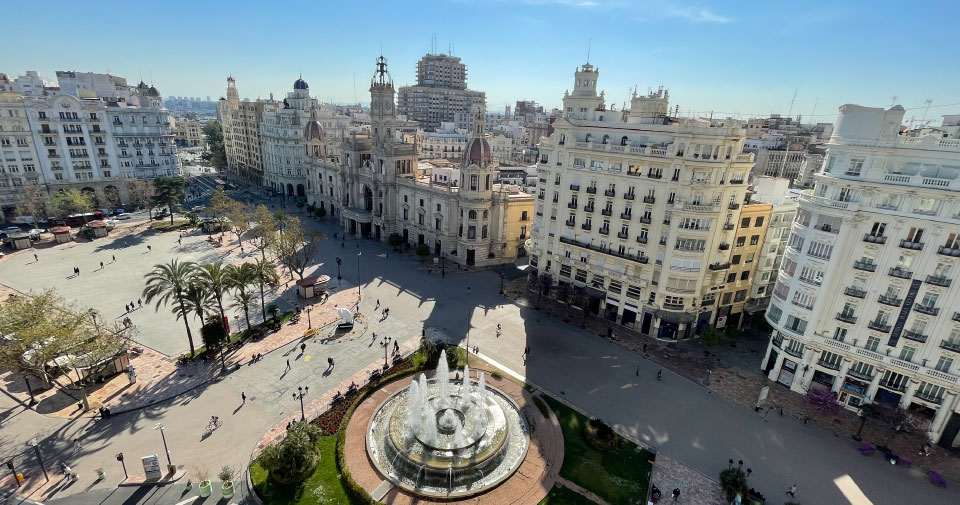
Valencia’s Town Hall Square. Image courtesy of the Valencia Conference Centre

CIRSE Insider: What are your top picks for activities that ET attendees should do while in Valencia?

Gómez: For tapas, a good combo for lunch and wine is LeBar de Vins. For paella, my recommendations would be: Vernetta in the Cánovas district near the city centre, De tot un poc in Poblados Marítimos, Casa Carmela in Malvarrosa near the seaside, or Napicol in Huerta Valenciana, the agricultural countryside around Valencia.

For sightseeing and walking around, check out the El Carmen district, Ciutat Vella (Valencia’s Old Town), and Malvarrosa Beach. Also, do not miss the Palace of the Marques of Dos Aguas, an ornate historic building from the 18th century. If you’re interested in art, the Museum of Fine Arts of Valencia is one of the biggest art galleries in Spain.