February 25, 2026
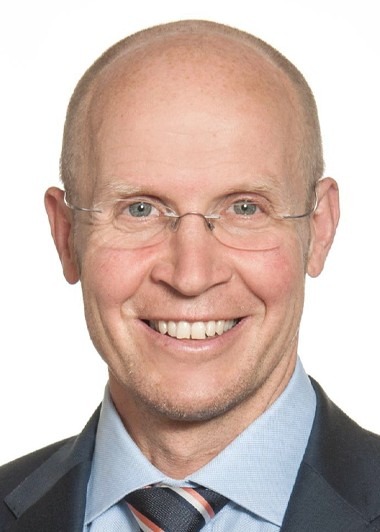
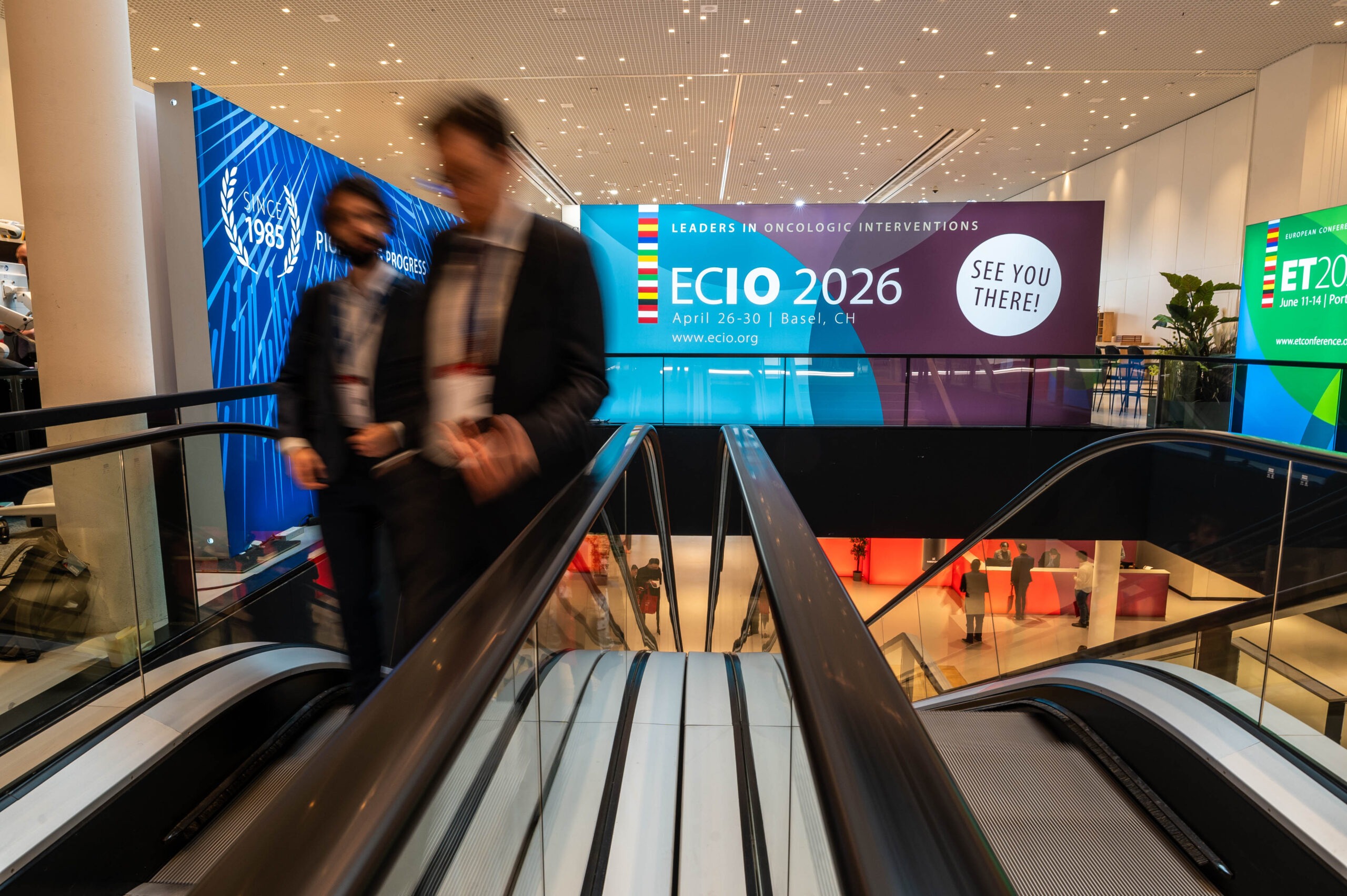
ECIO 2026 will take place from April 26-30 in Basel, Switzerland. To learn more about the congress programme and the host city, CIRSE Insider spoke with Dr. Christoph Zech, ECIO 2026 Local Host Committee Chairperson.








ECIO 2026 will take place from April 26-30 in Basel, Switzerland. To learn more about the congress programme and the host city, CIRSE Insider spoke with Dr. Christoph Zech, ECIO 2026 Local Host Committee Chairperson.
CIRSE Insider: Can you tell us a little bit about yourself and your hospital? How much of your workload is interventional oncology-related?
Zech: When I started to work in Basel in 2012, the interventional oncology (IO) program was very small. Since then, my team and I started to offer more and more interventional oncology procedures, and I have to tell you that each and every new procedure we offered turned out to be a success. There has been an unmet need among patients for IO, and in the last ten years, new evidence moved the status of many IO procedures from “experimental” to “standard care”. Currently, we are doing roughly 50% of IO procedures in our daily interventional radiology work, which means we have several IO-related procedures every day.
CIRSE Insider: Recently, the Swiss government decided to discontinue economically viable funding for vacuum-assisted breast biopsy. What implications does this have for patients and the field of interventional oncology (IO) in Switzerland? How concerned are you that similar actions on other IO procedures could be taken in the future?
Zech: In general, everything that acts as an obstacle for an IO procedure to be offered to the patient is negative, and missing or inadequate reimbursement is an obstacle. This decision applies not only to IO procedures but also to reimbursement related to mammography. This is really a problem and, therefore, some public initiatives and advocacy groups are working to change the situation.
CIRSE Insider: You will deliver your own lecture on IR networking between academic centres and community hospitals in Central Europe. How has regional collaboration shaped your practice?
Zech: In Switzerland, there is a dense network of hospitals, and in my experience, smaller hospitals as well as university/regional hospitals work together quite often for better patient care. Especially for interventional radiology and IO, there is a certain number of procedures that units are required to offer in order to provide both good quality and to make such a service economically successful. Corporations can also play a big role in a healthcare system. I am happy to have seen a success story regarding these corporations and hope that this open-minded setting is also found elsewhere in Europe.
CIRSE Insider: Drawing on your connections, you helped Scientific Programme Committee Chairpersons Jean Palussière and Martijn Meijerink put together this year’s IO Foundation Course, providing valuable input for a multidisciplinary faculty. What were the main foci when putting together the programme and speakers? What can attendees expect from the course?
Zech: We believe we put together a strong and attractive multidisciplinary foundation course. When young radiologists decide to start a career in interventional radiology or IO, often the first area of interest for them is developing their technical skills. However, it is important to also parallel this by providing education about the broader medical landscape, and especially as an interventional oncologist, to learn what the other disciplines (surgery, systemic treatments, medical oncology, radiation oncology) have to offer and what is the current standard of care. Therefore, such a foundation course is, in my point of view, instrumental for everyone on a career path toward becoming an excellent IO physician.
CIRSE Insider: How do you see ECIO and the IO Foundation Course contributing to increased awareness of interventional radiology among other medical specialties and inspiring the next generation of interventional oncologists?
Zech: Awareness is so important. I’m hoping for the inspiration of the next generation of interventional oncologists, but even more, I’m hoping for the inspiration of our partners in oncology—medical oncologists, radiation oncologists, and oncological surgeons—to realise during this meeting how versatile and broad IO offerings are nowadays. Besides that, I’m confident that all the participants of this conference will be fascinated and inspired by great state-of-the-art lectures as well as new data and evidence offered in abstracts and research presentations. So, this inspiration is meant to go in two directions.
CIRSE Insider: What are you personally most looking forward to at ECIO 2026?
Zech: I am personally looking forward mostly to meeting colleagues and friends in person and exchanging current knowledge and trends with them. Moreover, conferences like ECIO represent the opportunity for me to learn—learn about new data, learn about new procedures, and stay up to date with the field.
CIRSE Insider: Basel is known for its strong academic environment, innovative medical ecosystem, and vibrant international setting. What do you appreciate most about working in Basel as an interventional radiologist, and what do you enjoy about the city itself?
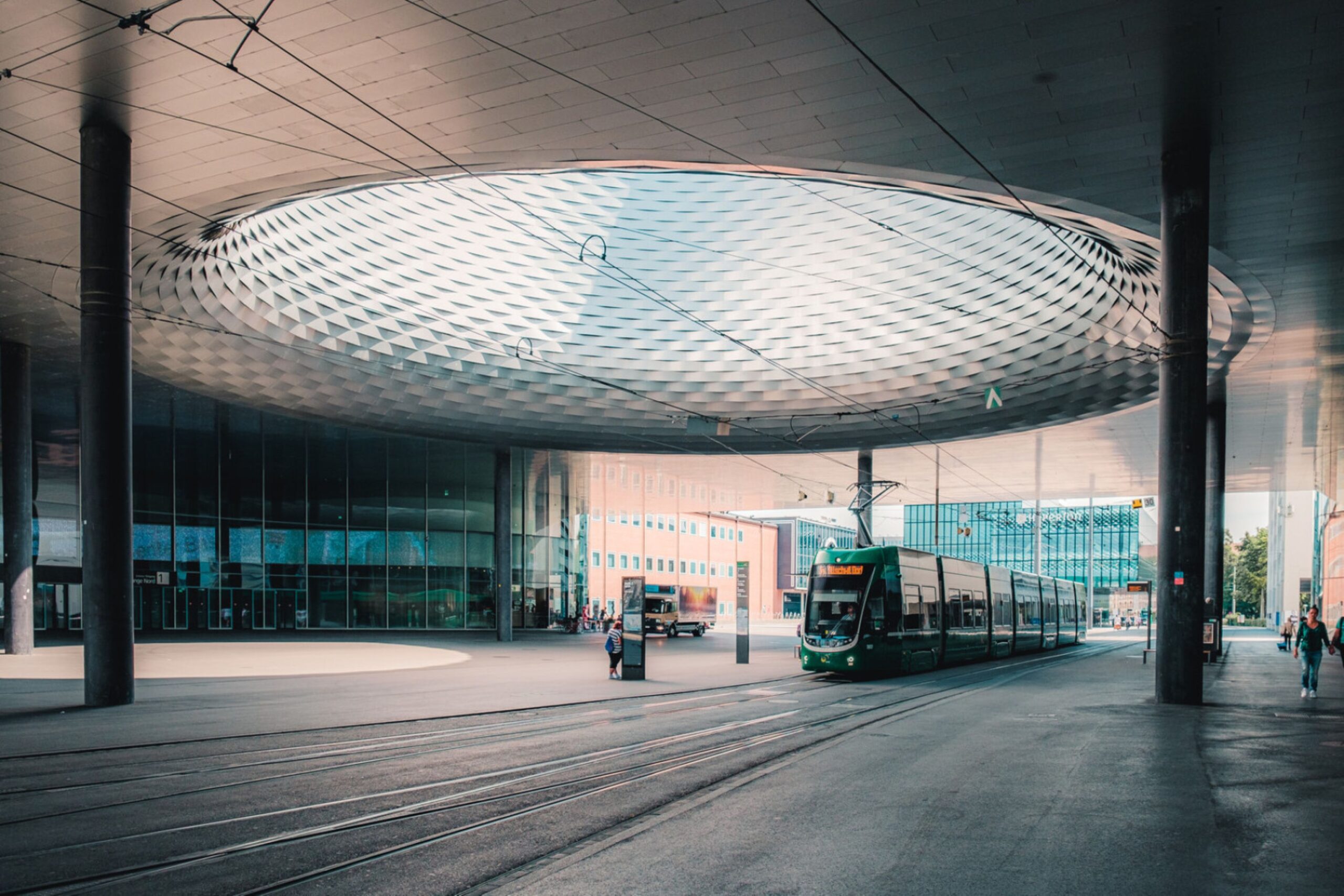
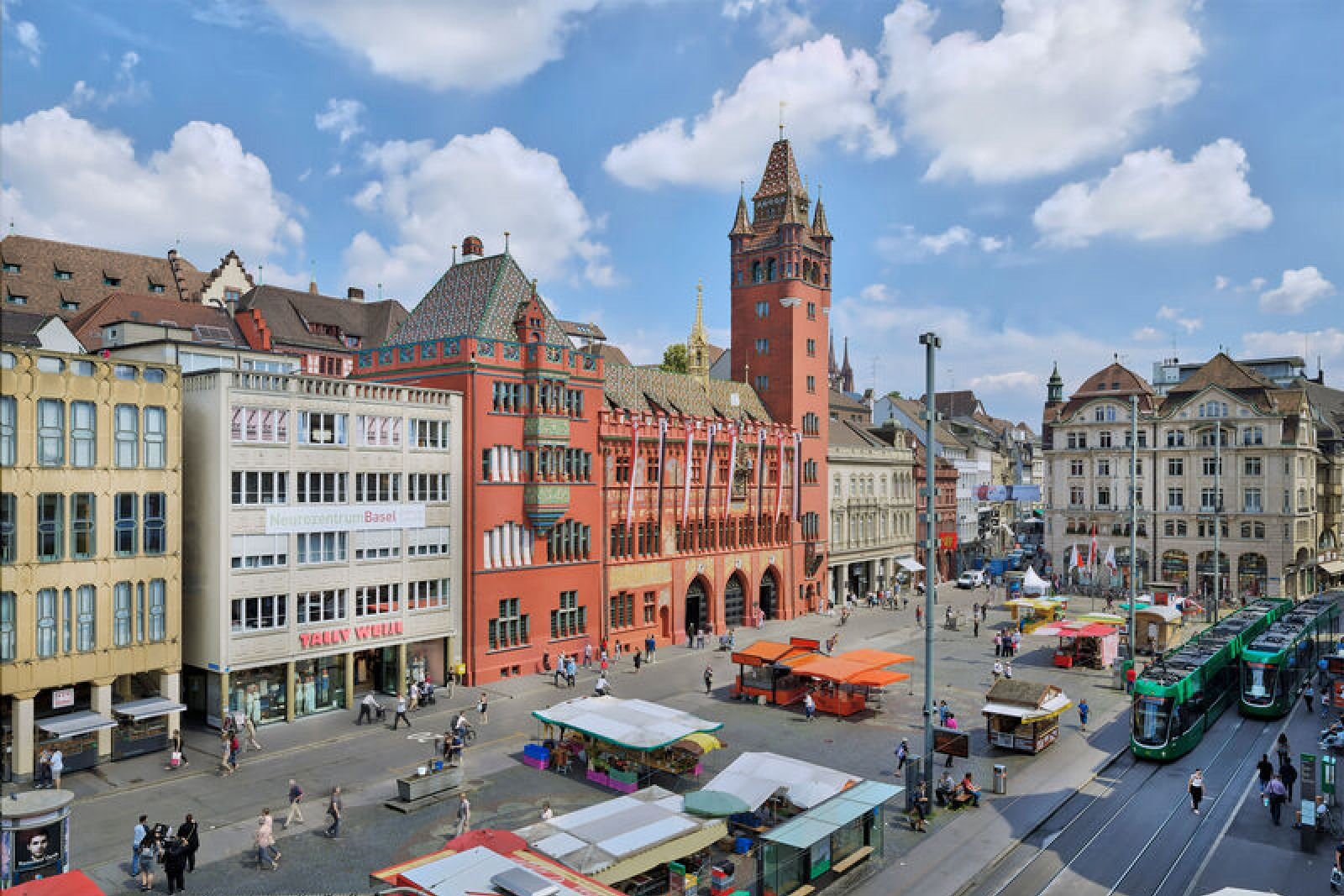
Zech: Basel is a modern and international European city with a lot of local traditions and flavour. If you listen to the people, you will hear Swiss German, French, English, and many other languages. As a German citizen, I was welcomed in this city very cordially more than 12 years ago, and I am still happy to be here and work here at Basel University Hospitals. There are many great things about this city. It’s easy to move around; a lot of spots are easily reachable on foot and by means of public transportation. Basel is a very modern city, and it’s also trying to decrease car traffic. And the green—or shall I better say blue—lung of this city is the Rhine river, which is an important part of the everyday life of a true “Basler”.
CIRSE Insider: What are your top picks for activities that ECIO attendees should do while in Basel?
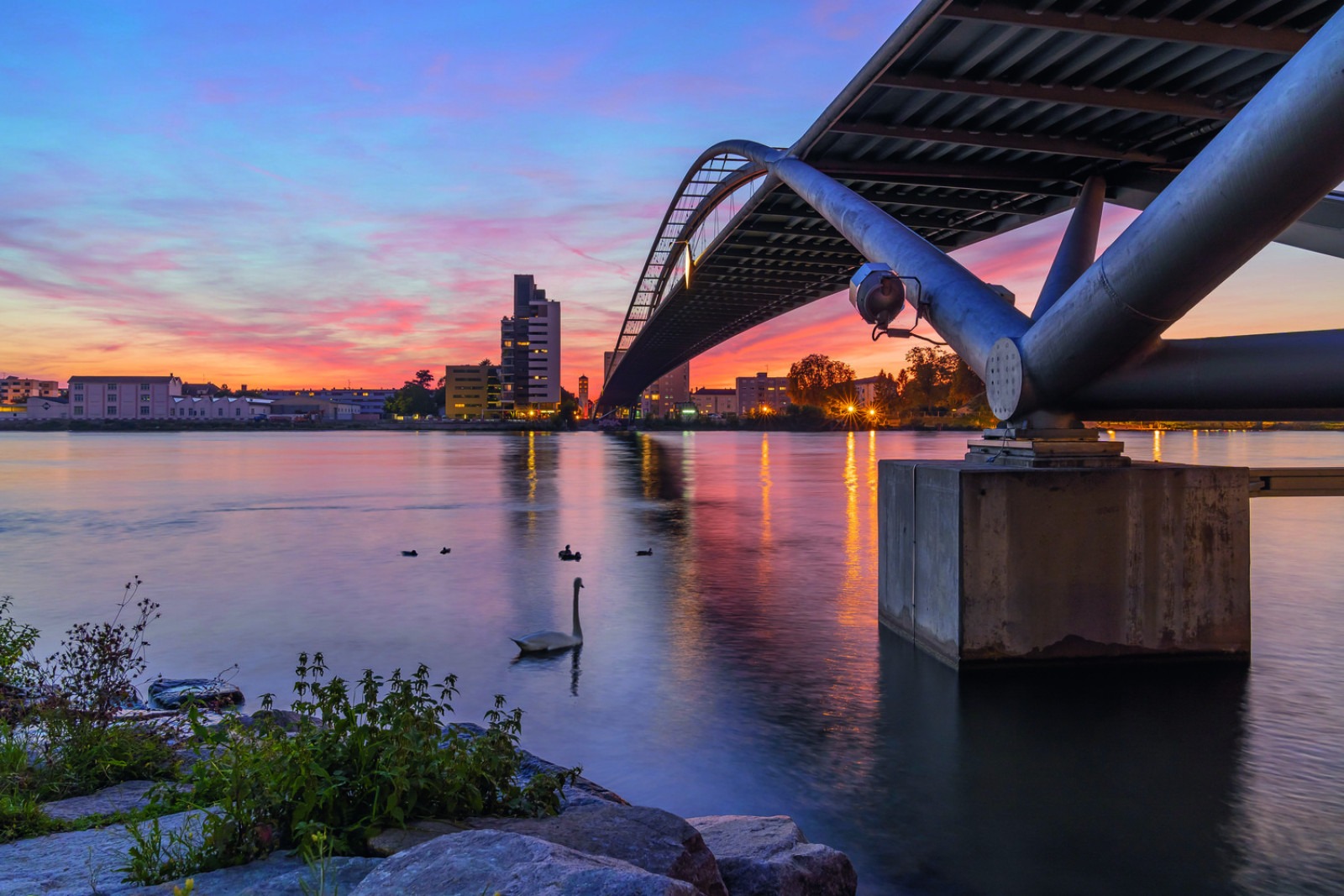
Zech: When you’re in Basel, you should take your time to visit some of the great museums like the Kunstmuseum Basel or Foundation Beyeler (but there are many more!). If you’re into sports, you should take a run where you have the unique opportunity to visit three countries. Start running downstream on the left bank from Basel city centre, cross the border into France, and cross the Rhine via the Dreiländerbrücke (Three Countries Bridge). When you find yourself in Germany, you can run upstream back to Switzerland (approx. 8k). As a treat for home (or to recover after your run), I can recommend getting a Basel Läckerli, a local gingerbread-like speciality dating back to the 17th century, which Basel is famous for. And finally, you should cross the Rhine on one of the small Rhine ferries located in the city centre.