


CIRSE Fellowship report: Dr. Stefanie Meiler
I completed my CIRSE Fellowship at the Queen Elizabeth University Hospital (QE) in Glasgow, one of Scotland’s largest tertiary care centres. Over the course of four weeks, I gained extensive clinical exposure, benefitted from highly structured teaching, and became part of an exceptionally collegial IR team. The experience was both professionally enriching and personally rewarding, offering insight into a wide spectrum of interventional procedures and daily IR workflow in a high-volume service.
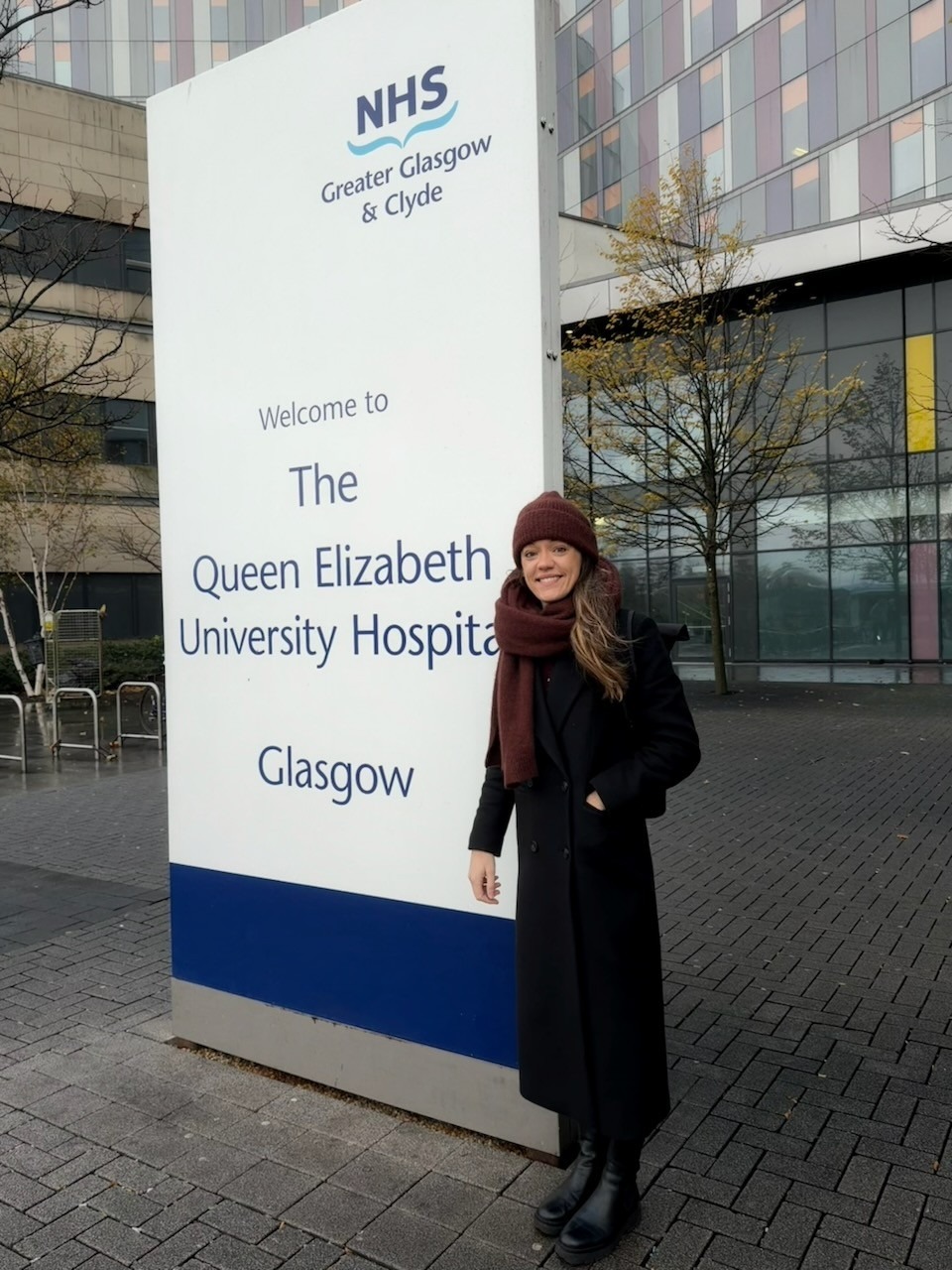
My main educational objectives were to deepen my understanding of advanced vascular and non-vascular interventions, learn from the procedural planning and post-procedural management within a large interdisciplinary centre, and observe how trainee education and workflow organisation are structured in an established IR department in the UK. I also aimed to bring new technical, material-related, and interpersonal knowledge back to my clinical practice in Germany.
During the fellowship, I was exposed to a broad variety of procedures. In vascular IR, I observed impressive aortic interventions, including highly efficient TEVARs, as well as a wide range of peripheral arterial procedures including gynaecological procedures such as fibroid and ovarian vein embolization, as well as urological interventions including varicocele embolization. I also gained valuable experience in emergency IR, such as urgent TIPSS creation and embolization of active bleeding. Venous work included TCVC and other line placements as well as fistula and graft angiography. In the field of non-vascular interventions, I was able to see GI tubes and nephrostomy placements/exchanges. A particular highlight was the opportunity to observe paediatric IR, including biopsies, sclerotherapy, and the placement of various GI tubes.
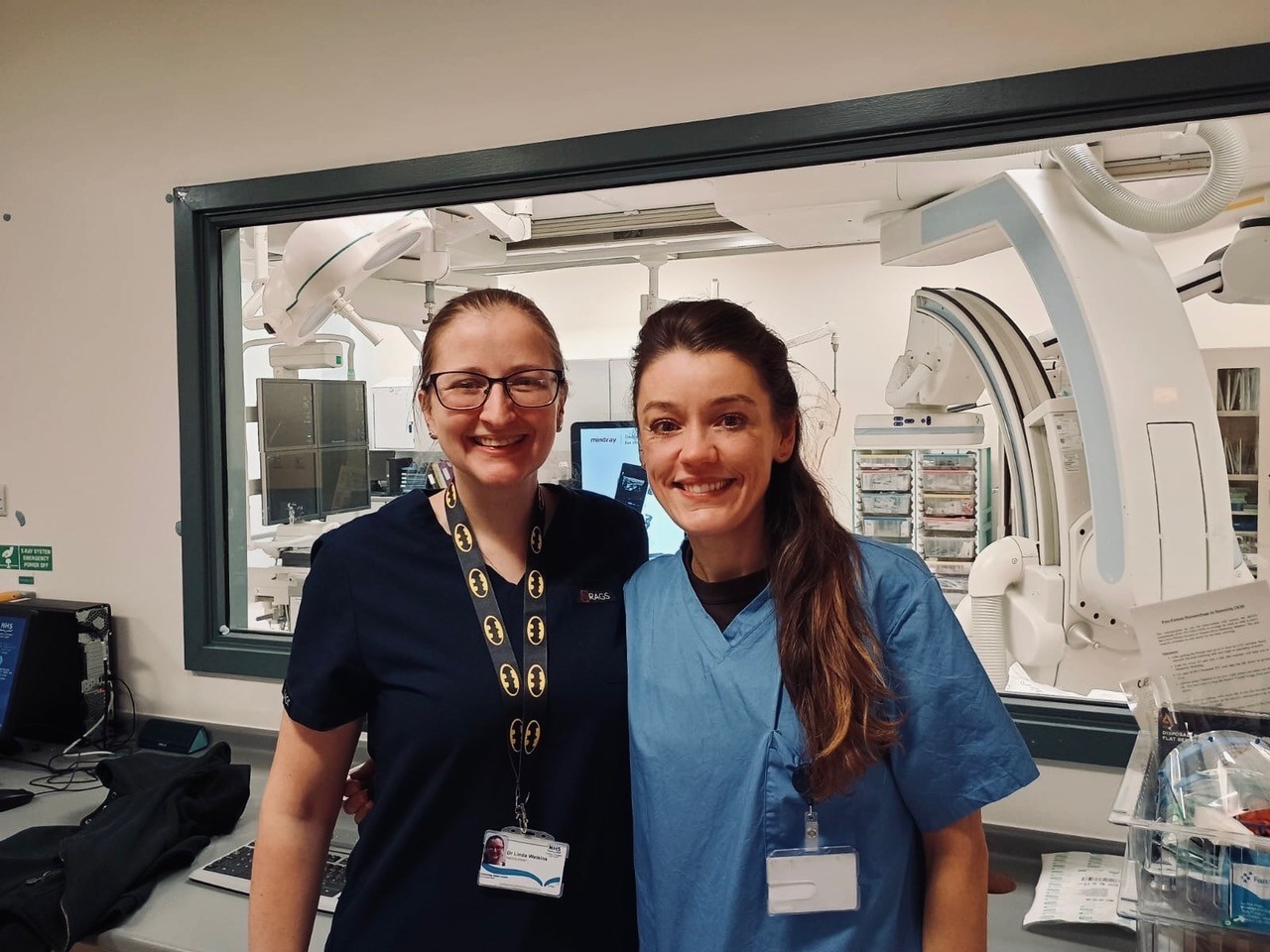
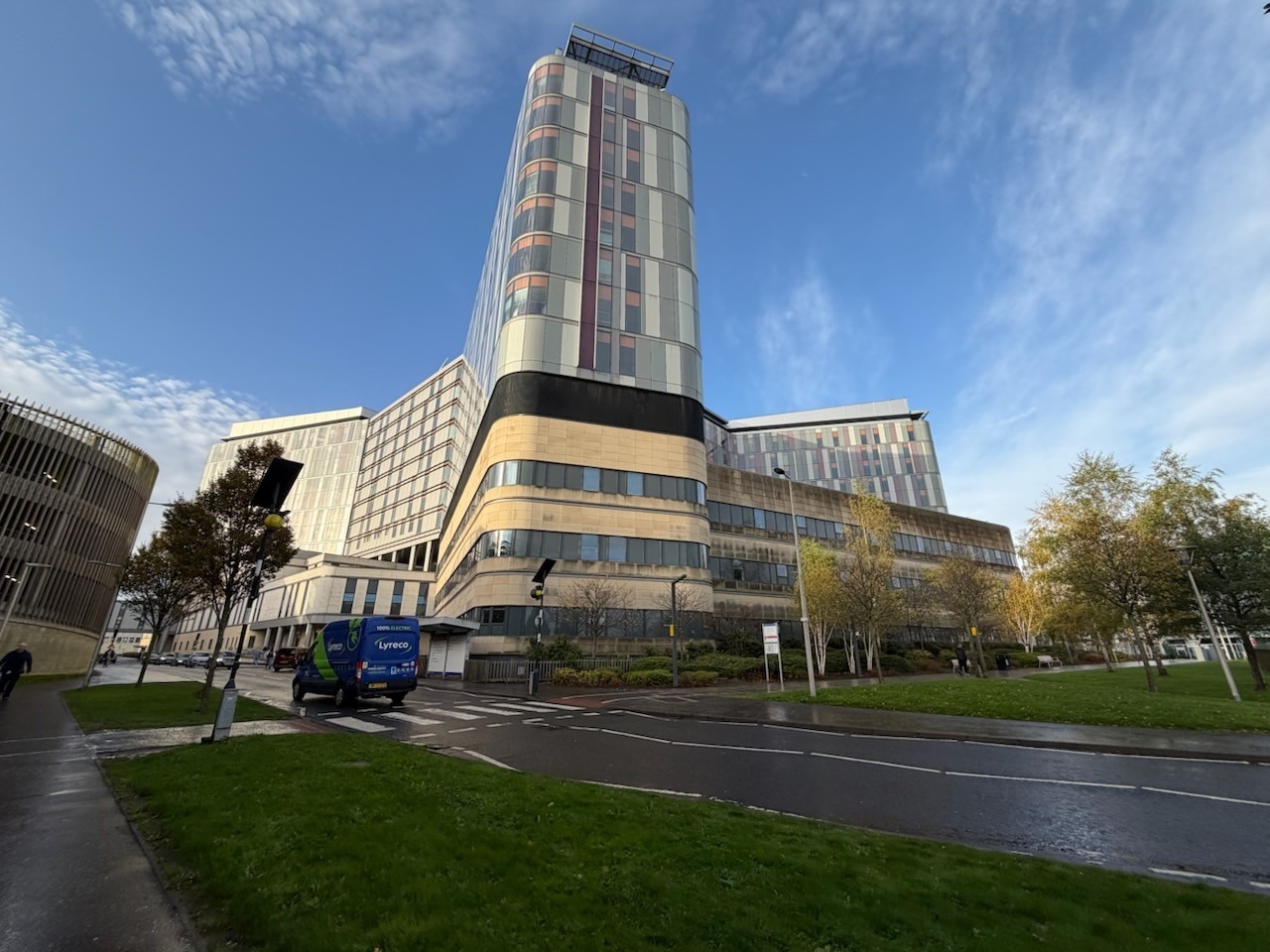
The team at QE fostered a highly supportive and educational environment, marked by strong interdisciplinary collaboration, particularly with vascular surgery. I felt welcomed from the first day and was able to participate actively in discussions and case reviews. I am grateful for the many colleagues who contributed to my learning and overall experience: Menelaos Philippou, Andrew Christie, Peter Douglas, Ram Kasthuri, Jav Dhaliwal, Martin Hennessy, Aqeel Alameer, and Jenny Anderson, along with all remaining consultants and trainees who enriched my time in the department.
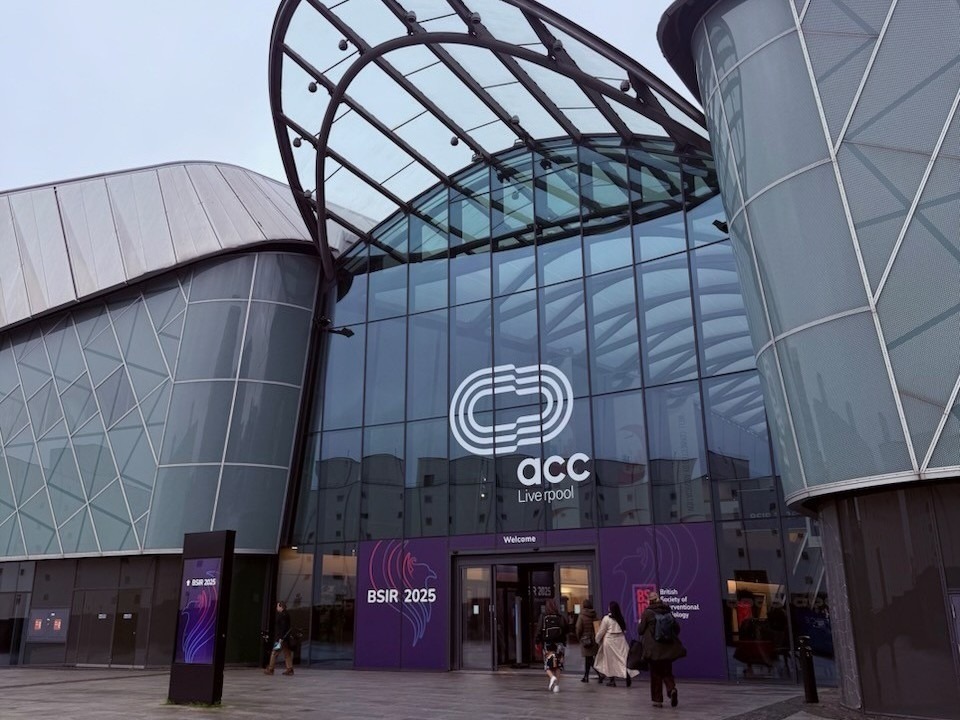
Beyond the clinical exposure, I was deeply impressed by the culture of the department, the excellent IR training, and the outstanding Scottish hospitality. On a personal note, I especially appreciated the warm and welcoming atmosphere, the insightful conversations, and even the lighter moments—from shared music on the road trip to BSIR to navigating the Glaswegian accent and discovering local specialties such as the empire biscuit.
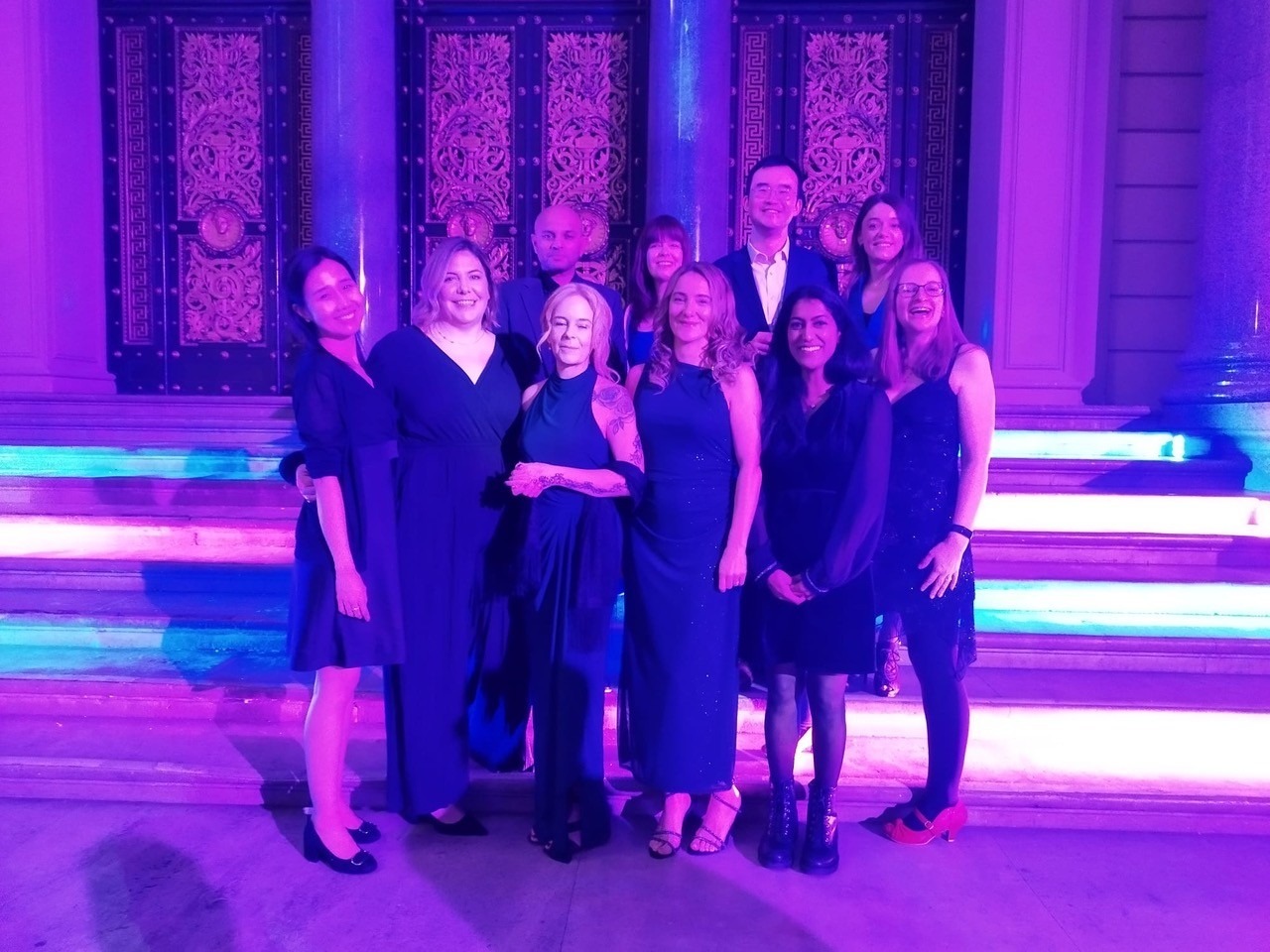
My heartfelt thanks go to Linda Watkins, without whom this fellowship would not have been possible. I am truly grateful that our paths first crossed through the EMERGE programme, which laid the foundation for this formative experience.
I am thankful to CIRSE for enabling this fellowship and for providing an opportunity that significantly broadened my skills, perspectives, and motivation within interventional radiology. I return to Germany with renewed enthusiasm and many valuable insights that will shape my future practice. I can highly recommend the Queen Elizabeth University Hospital as a hosting institution for future CIRSE fellows.