Differences and takeaways
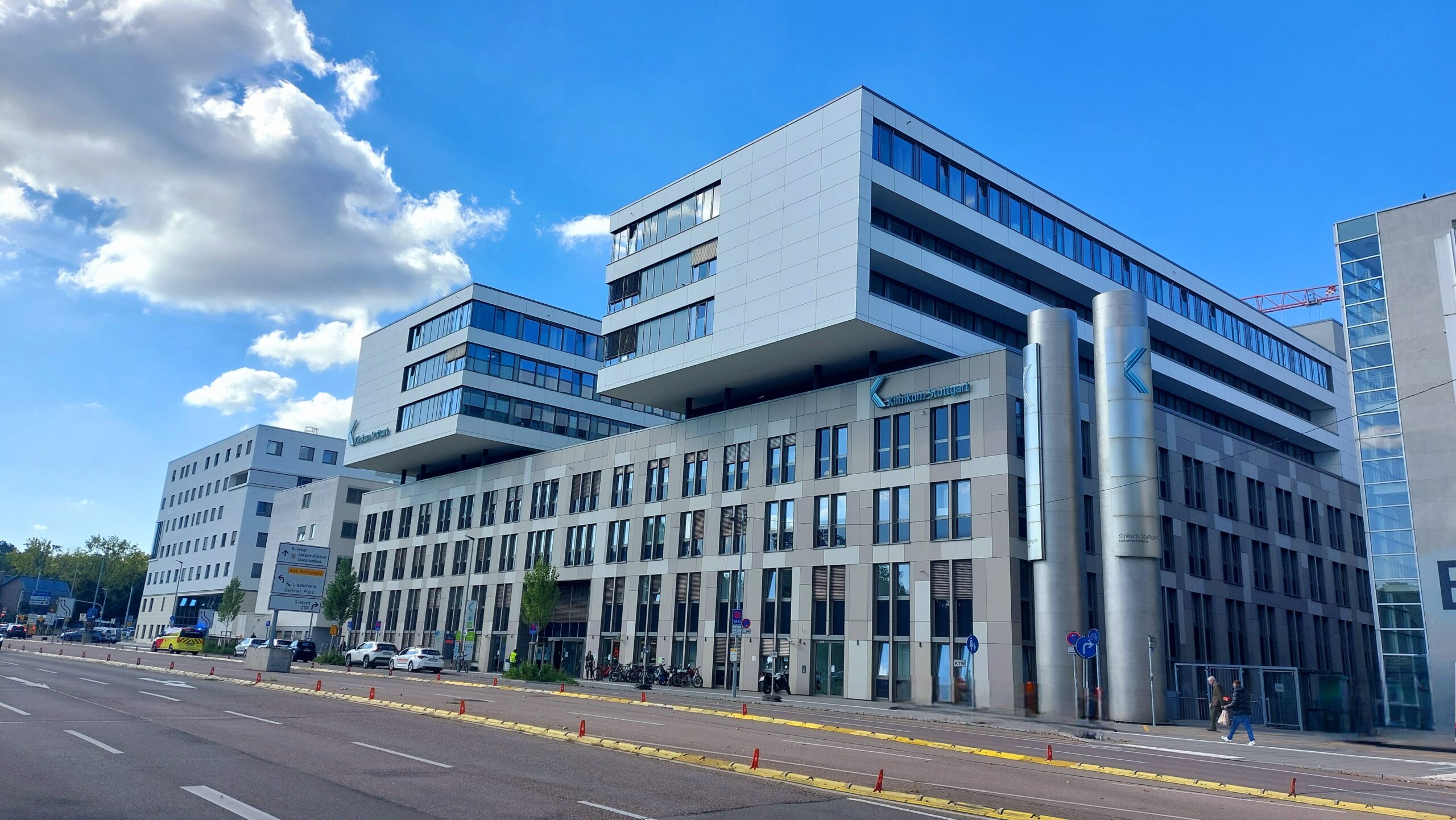
Comparing my home centre with Klinikum Stuttgart, the Stuttgart team benefits from having a fully dedicated neurointerventional setup, including multiple angiography suites, specialized nursing staff, and on-site access to all necessary devices. Despite these advantages, I found that many of their best practices—especially those related to communication, preparation, and case review—can be adopted regardless of available resources.
The most important lessons I am bringing back home are:
• The value of structured daily planning and pre-procedural briefings.
• The benefit of multidisciplinary case discussions in optimizing treatment strategies.
• The importance of maintaining calm, focused teamwork even during complex or emergency procedures.
• The necessity of thorough patient communication and informed consent as a cornerstone of good medical practice.
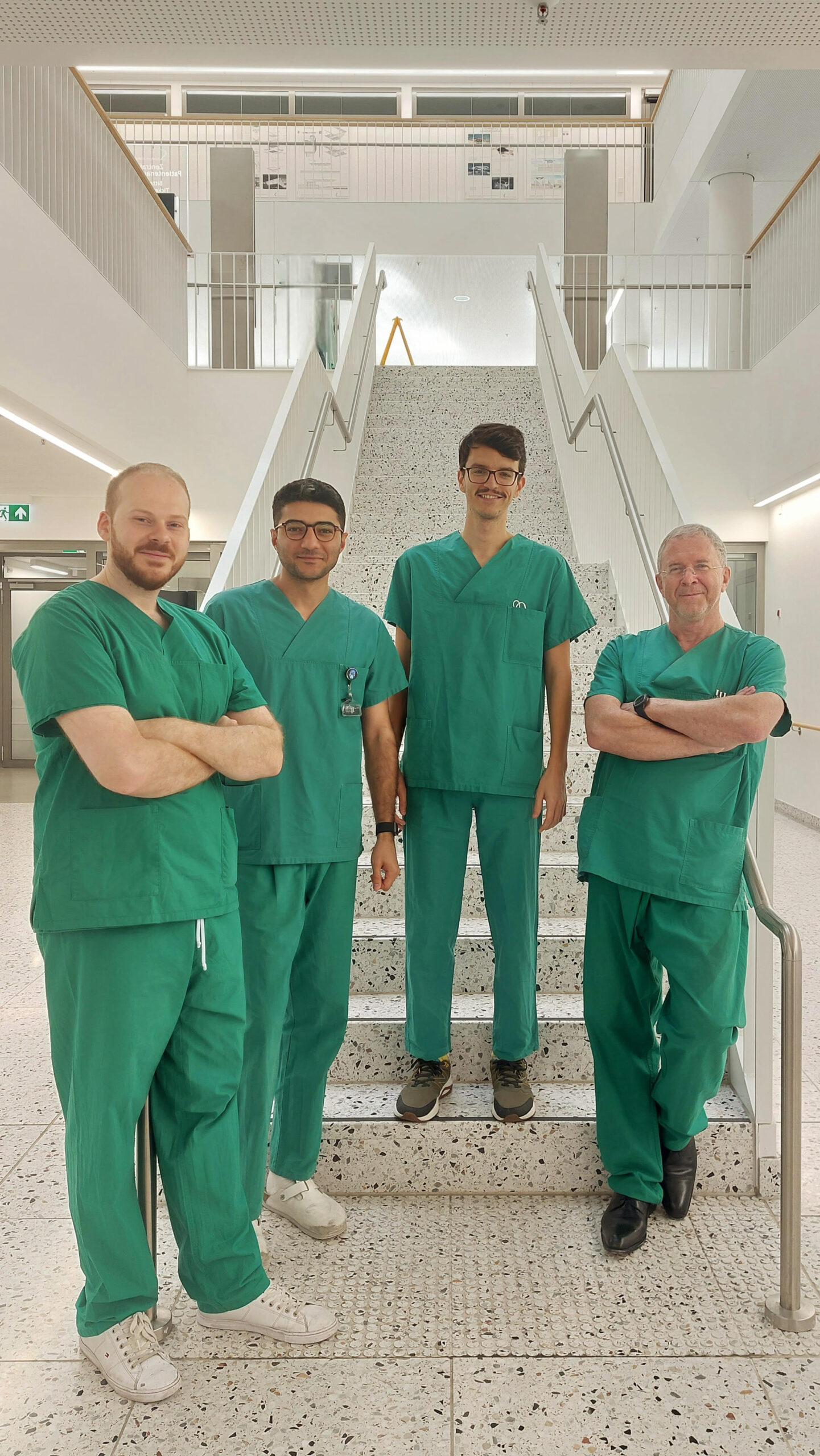
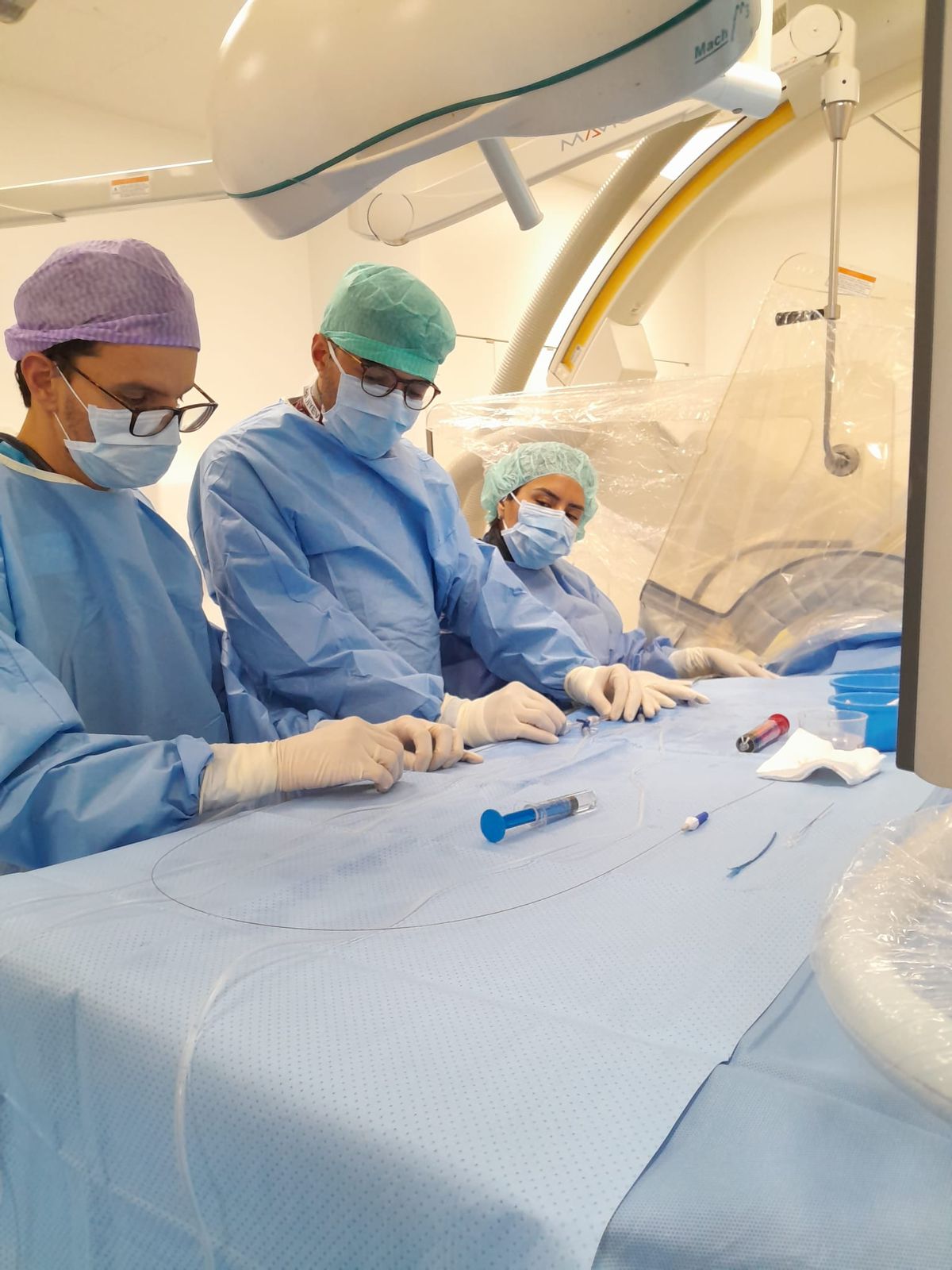
Among many memorable moments, assisting in complex aneurysm coiling and AVM embolization procedures were definite highlights. Observing the use of advanced devices such as flow diverters and liquid embolics was particularly educational. Being able to discuss these techniques directly with Prof. Henkes and his team gave me deeper insights into the reasoning behind device selection and deployment strategies.
Conclusion
This fellowship has been one of the most rewarding professional experiences of my career. It expanded my technical knowledge, strengthened my clinical understanding, and reshaped my vision for future practice. I am sincerely grateful to Prof. Henkes, Dr. Khanafer, and Dr. Hajiyev for their exceptional mentorship, patience, and constant encouragement. Finally, I wish to express my deepest gratitude to CIRSE for providing this unique opportunity. The insights, friendships, and experiences gained during this fellowship will have a lasting impact on my professional growth and my commitment to advancing neurointerventional care in my home country.