CIRSE Insider: Implementing new procedures and practices across diverse healthcare settings can be difficult. What challenges do you foresee medical professionals involved in interventional radiology will face when implementing the guidelines?
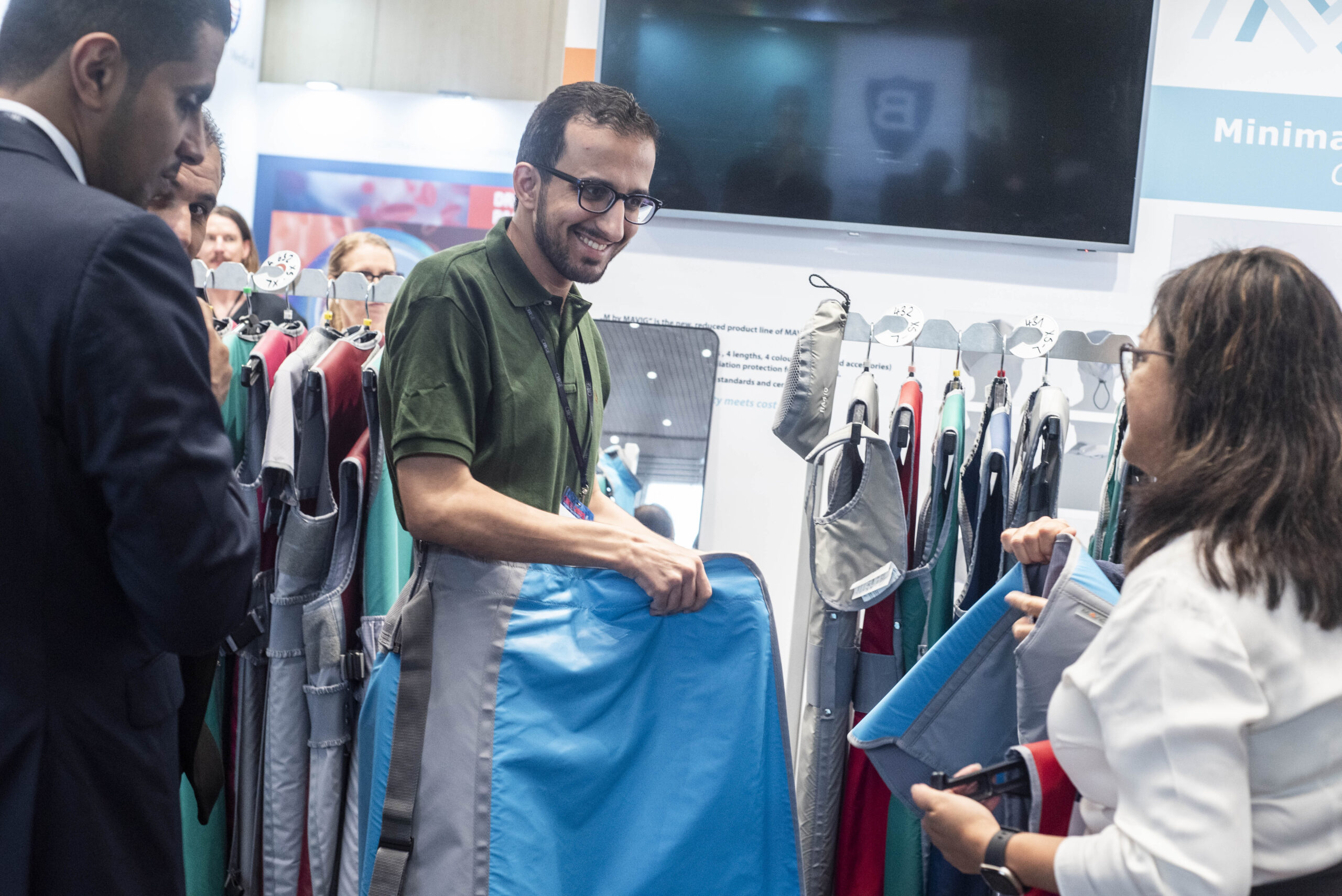
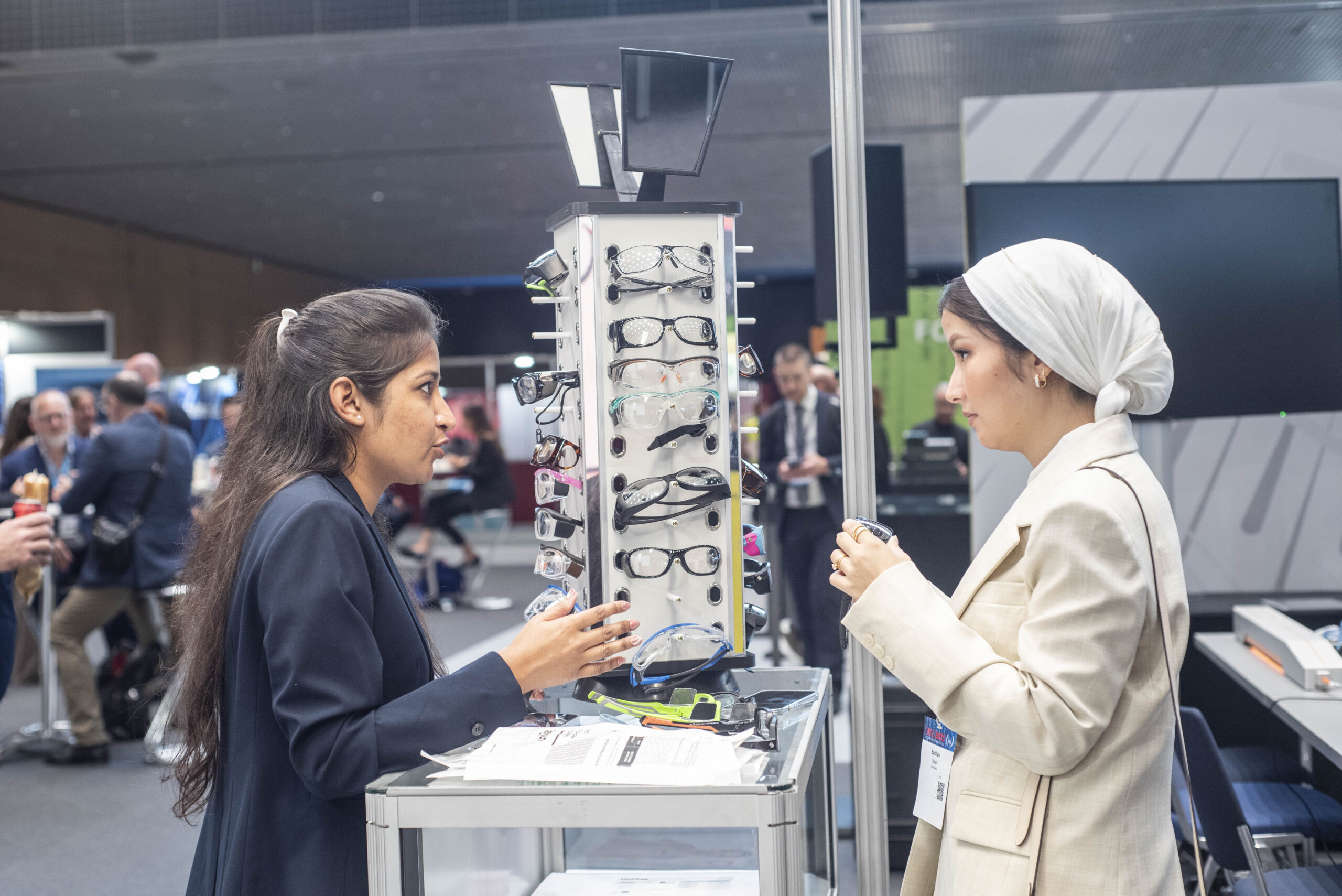
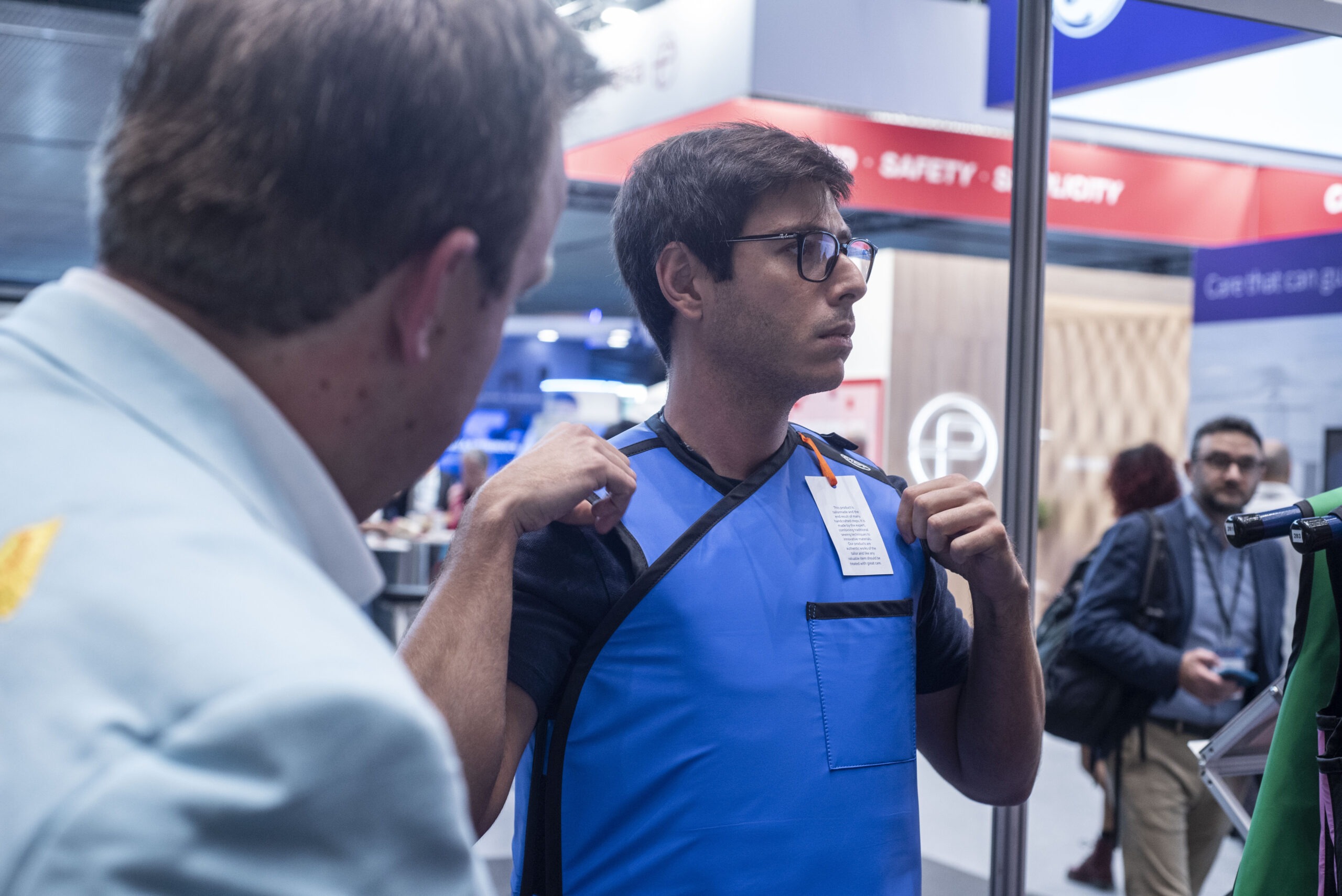
Miller: Personal protective equipment (e.g., aprons, vests, skirts, thyroid shields, eyewear) needs to be chosen carefully and must fit each individual properly. One size or style does not fit all. Interventional fluoroscopy facilities should be designed (or modified), so that ergonomic hazards are managed adequately. Addressing these concerns can be expensive.
CIRSE Insider: The joint guidelines reference data from governments, radiation protection organizations such as the International Atomic Energy Agency, and professional associations. What was the data collection process like? Was it difficult to synthesize a wide range of data?
Miller: The members of the writing panel were chosen because of their expertise, including familiarity with relevant government regulations, guidance from radiation protection organizations and professional organizations, and relevant scientific publications. It was therefore less challenging to identify and review relevant publications than it might otherwise have been.
CIRSE Insider: Were you surprised by any of the information you collected to write the joint guidelines? If so, which?
Miller: I was surprised that the same musculoskeletal issues relevant to interventionalists are also a recognized hazard for surgeons. Available information and advice on ergonomics from surgical organizations were helpful in making recommendations for interventionalists.
CIRSE Insider: You have included a section on musculoskeletal injuries among interventional radiologists (IRs) with elaboration in the annex. How aware is the IR community about MSK injuries? What are the risks for IRs, and how can they be better prevented?
Reimer: The awareness is growing, however, there is still limited understanding regarding effective prevention strategies. Surveys indicate that a significant number of interventional radiologists report neck, thoracic, or back pain, highlighting the prevalence of these injuries within the field.
Miller: It’s also important to note that some measures to prevent injury do not require any additional resources. For example, table height should be adjusted, so that the operator does not need to bend over and so that the elbows can be held in a neutral position. Even taking one-to-two minute “microbreaks” every 20 to 60 minutes during a case can improve mental focus and physical performance.
CIRSE Insider: The joint guidelines are directed not only at physicians but also all other staff involved in interventional radiology procedures. How important is it for you that the guidelines encompass all staff in the interventional suite and reach a broader audience within the medical community?
Reimer: The members of the writing panel agreed unanimously to ensure the document would be a resource for all staff in the interventional suite, including radiographers and nurses as well as physicians. Occupational radiation exposure and hazards affect every team member, so teams must work together to reduce these risks in order to perform at their best.