December 18, 2025
Prof. Andreas Mahnken and Prof. Christoph Binkert co-authored the following article in honour of CIRSE’s 40th anniversary this year.








Prof. Andreas Mahnken and Prof. Christoph Binkert co-authored the following article in honour of CIRSE’s 40th anniversary this year.
The Cardiovascular and Interventional Radiological Society of Europe (CIRSE) has undergone a remarkable transformation since its inception in 1985. Born from the unification of two European societies with distinct cultures – the European Society of CardioVascular and Interventional Radiology (ESCVIR) and the European College of Angiography (ECA) – CIRSE has evolved into one of the leading global organizations in interventional radiology (IR). Over the course of four decades, CIRSE has significantly contributed to the professionalization, academic maturation, and clinical integration of IR across Europe and beyond.
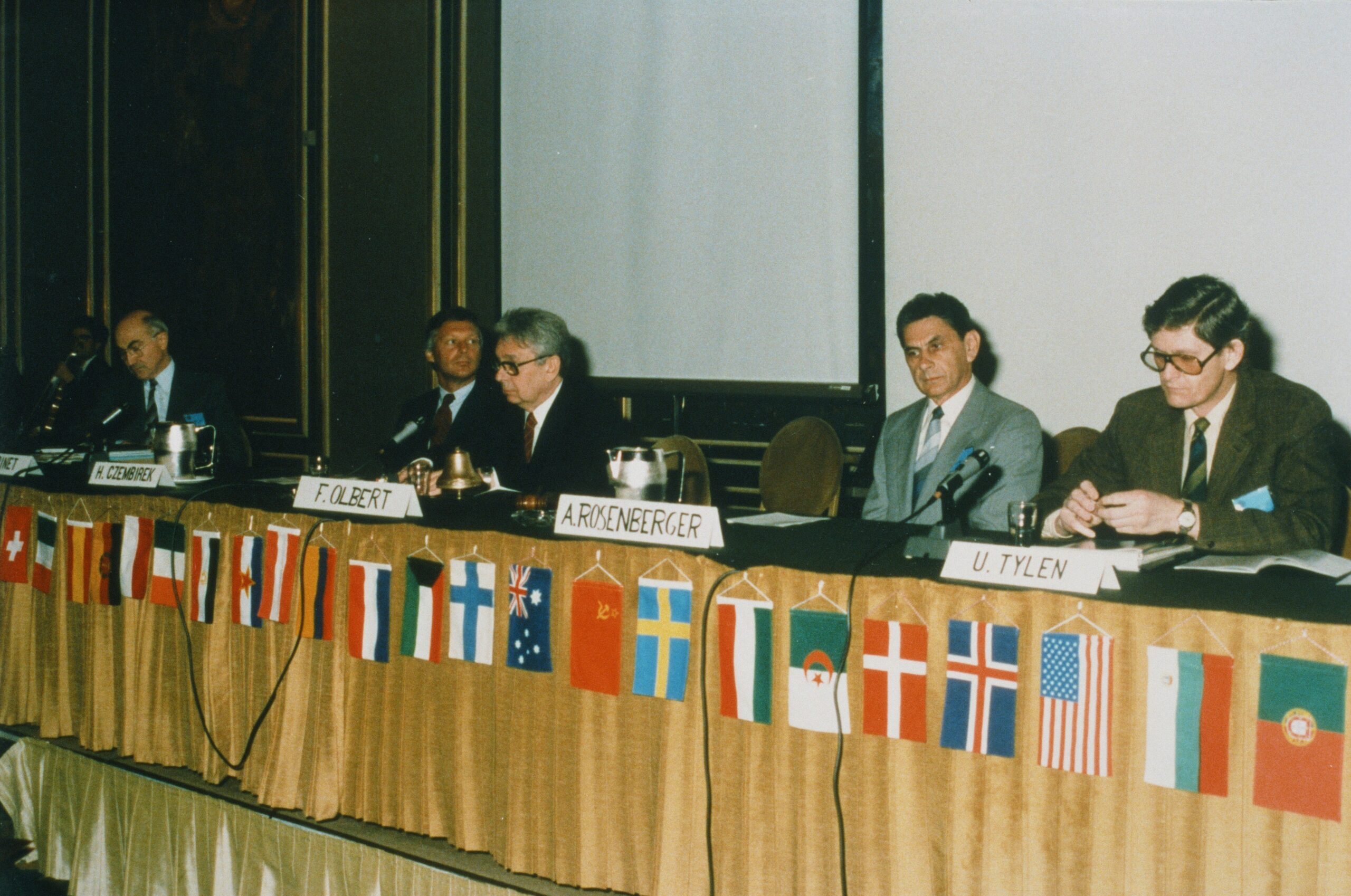
The creation of CIRSE in 1985 marked a pivotal moment in the history of European IR. The inaugural congress took place in Vienna, drawing 556 participants and constituting a successful merger of the ESCVIR and the ECA. The organizational fusion addressed longstanding tensions between inclusivity and exclusivity, scientific breadth and academic selectivity, and laid the foundation for a unified European IR community.
During this decade, CIRSE primarily functioned as a forum for the exchange of technical knowledge and procedural innovation. Topics at early congresses focused on vascular access, angioplasty, and embolization – procedures that were beginning to gain traction as minimally invasive alternatives to traditional surgery at the time. CIRSE’s early growth was supported by the emerging consensus that interventional techniques, while technologically driven, required a collaborative and formalized structure to flourish clinically and scientifically. Membership grew steadily, particularly among early-career radiologists who viewed the society as a gateway to academic development and professional visibility.
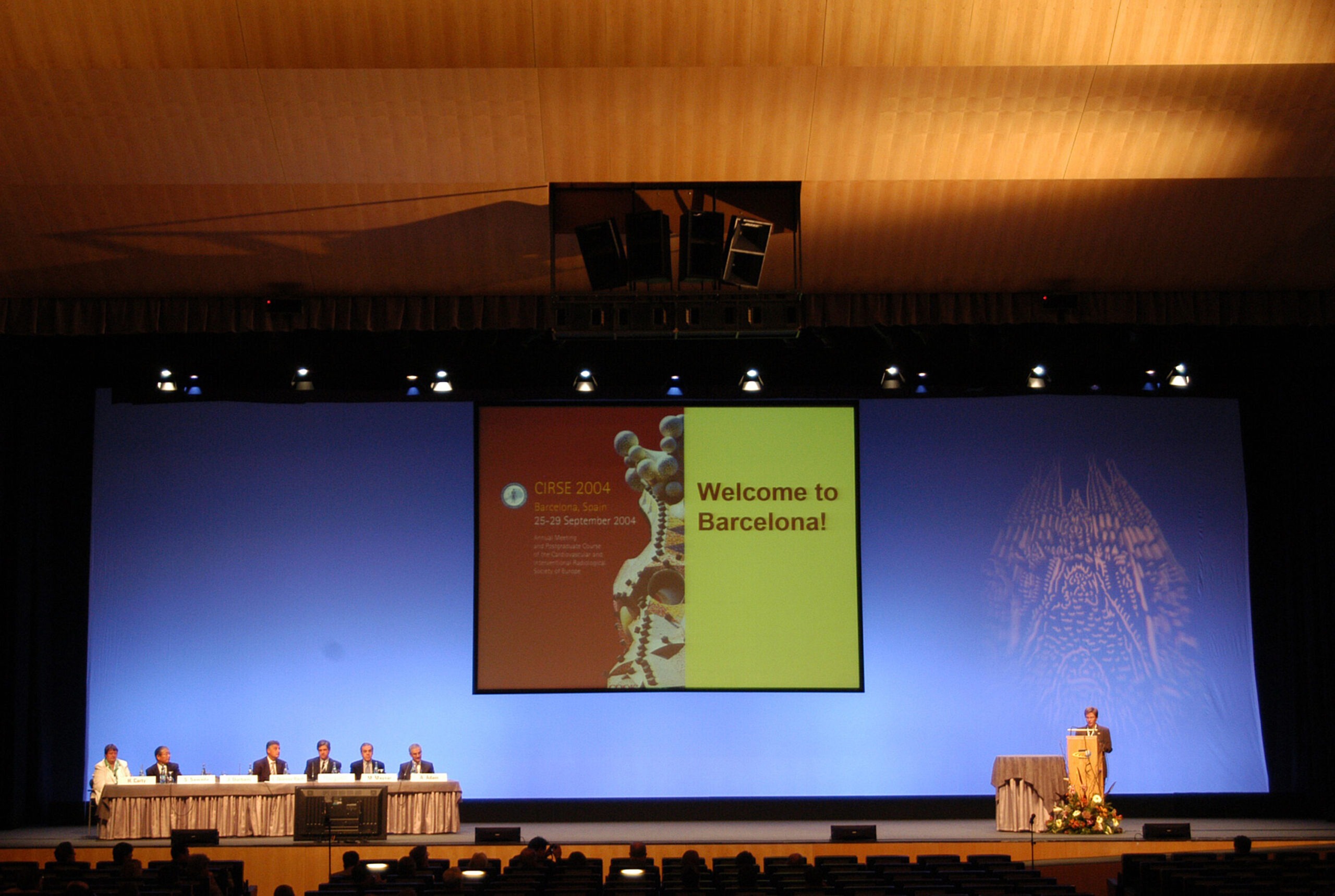
Between 1995 and 2005, CIRSE underwent a phase of consolidation and professionalization, paralleling the maturation of IR as a recognized clinical specialty. The annual CIRSE congress became the cornerstone of the society’s activities. With increasing attendance – growing from several hundred participants in the early 1990s to over 3,500 by 2005 – the CIRSE congress transitioned from a small-scale meeting to a large-scale, multidisciplinary scientific convention.
This period also marked the formal establishment of a permanent CIRSE office, first in Zurich and, since 2005, in Vienna, enabling year-round operations, member support, and continuity in medical educational programming. The increasing logistical complexity of the congresses led to a rotational model for venues, alternating between southern and northern European locations.
CIRSE membership continued to expand, crossing the threshold of 1,500 individual members by the early 2000s. The society introduced the concept of group membership, an innovative model wherein national or institutional societies could collectively affiliate with CIRSE. This model was instrumental in expanding CIRSE’s global reach, particularly in Asia, Latin America, and the Middle East. Group membership helped to establish CIRSE as a global player in the field of IR and offered benefits of a large European IR community to IRs throughout the world.
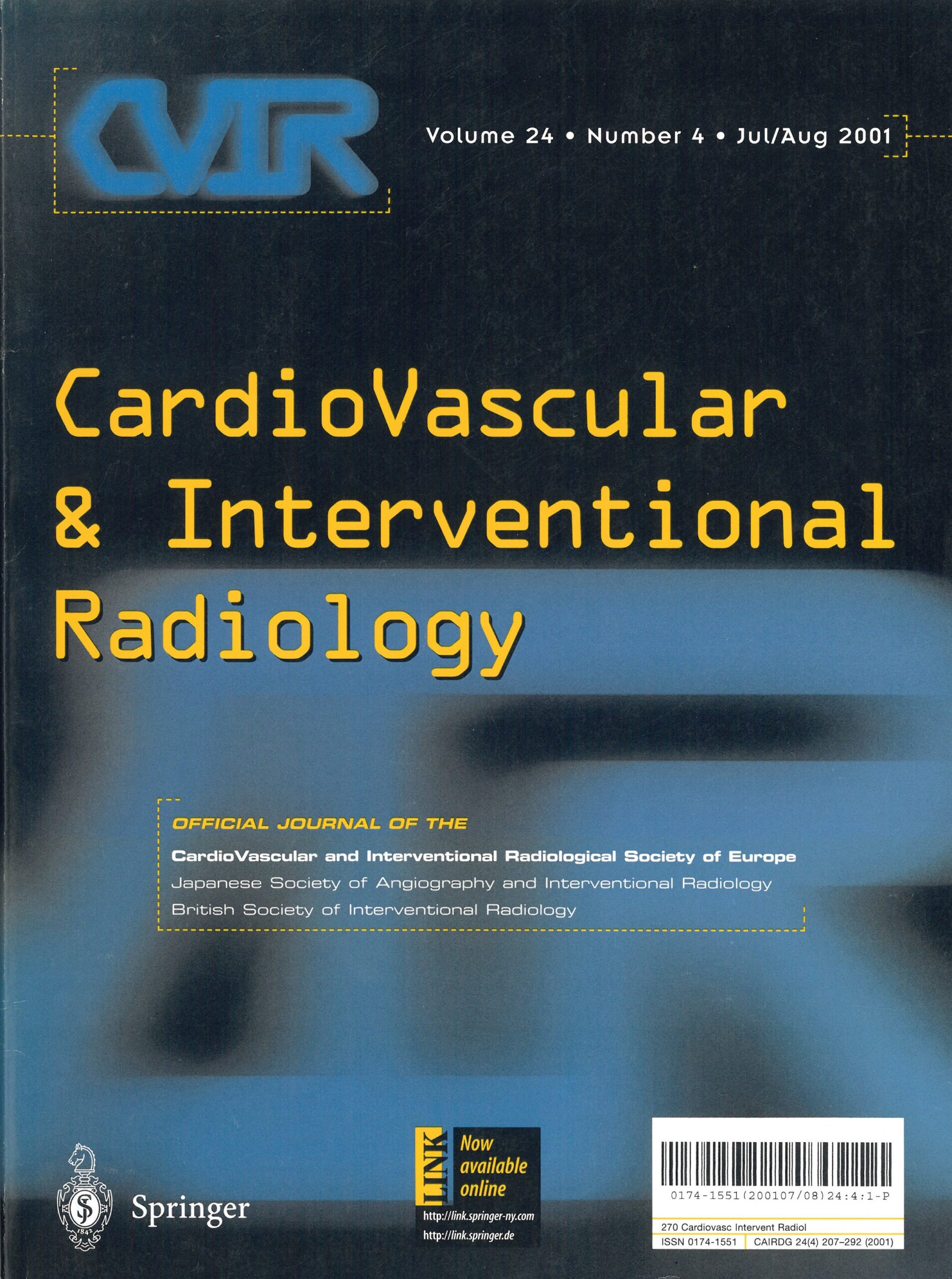
In parallel, CIRSE assumed responsibility for its journal, CardioVascular and Interventional Radiology (CVIR), which was launched in 1978 and became the official journal of CIRSE in 1991. The journal provided a formal platform for peer-reviewed dissemination of research, thereby strengthening the academic profile of European IR.
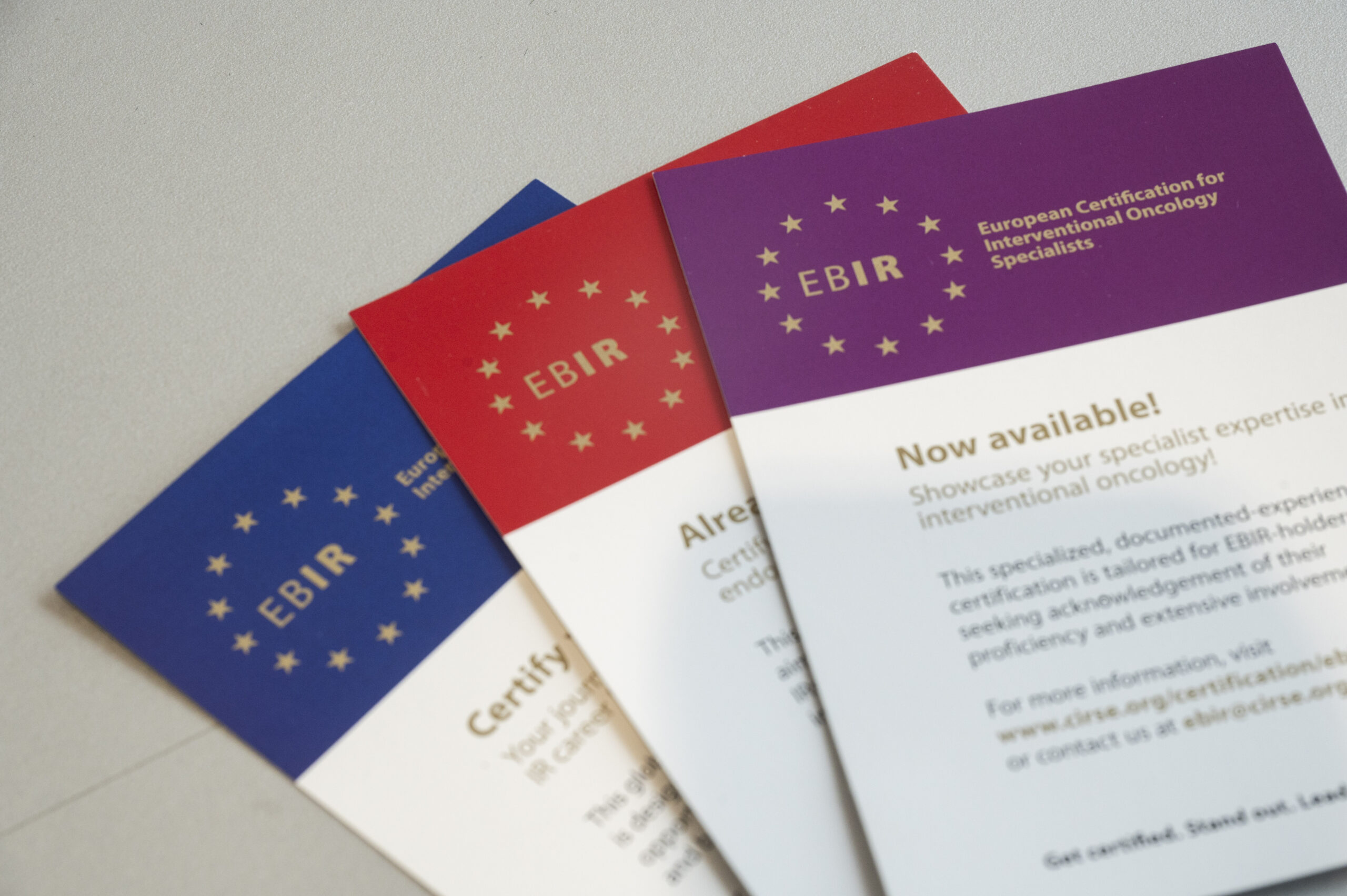
In this phase, CIRSE made substantial progress toward establishing IR as a recognized clinical subspecialty. The introduction of the European Board of Interventional Radiology (EBIR) in 2010 marked a significant advancement in educational standardization. The EBIR provides a Europe-wide examination framework that certifies both theoretical knowledge and procedural competence, gradually gaining recognition among employers and national medical boards.
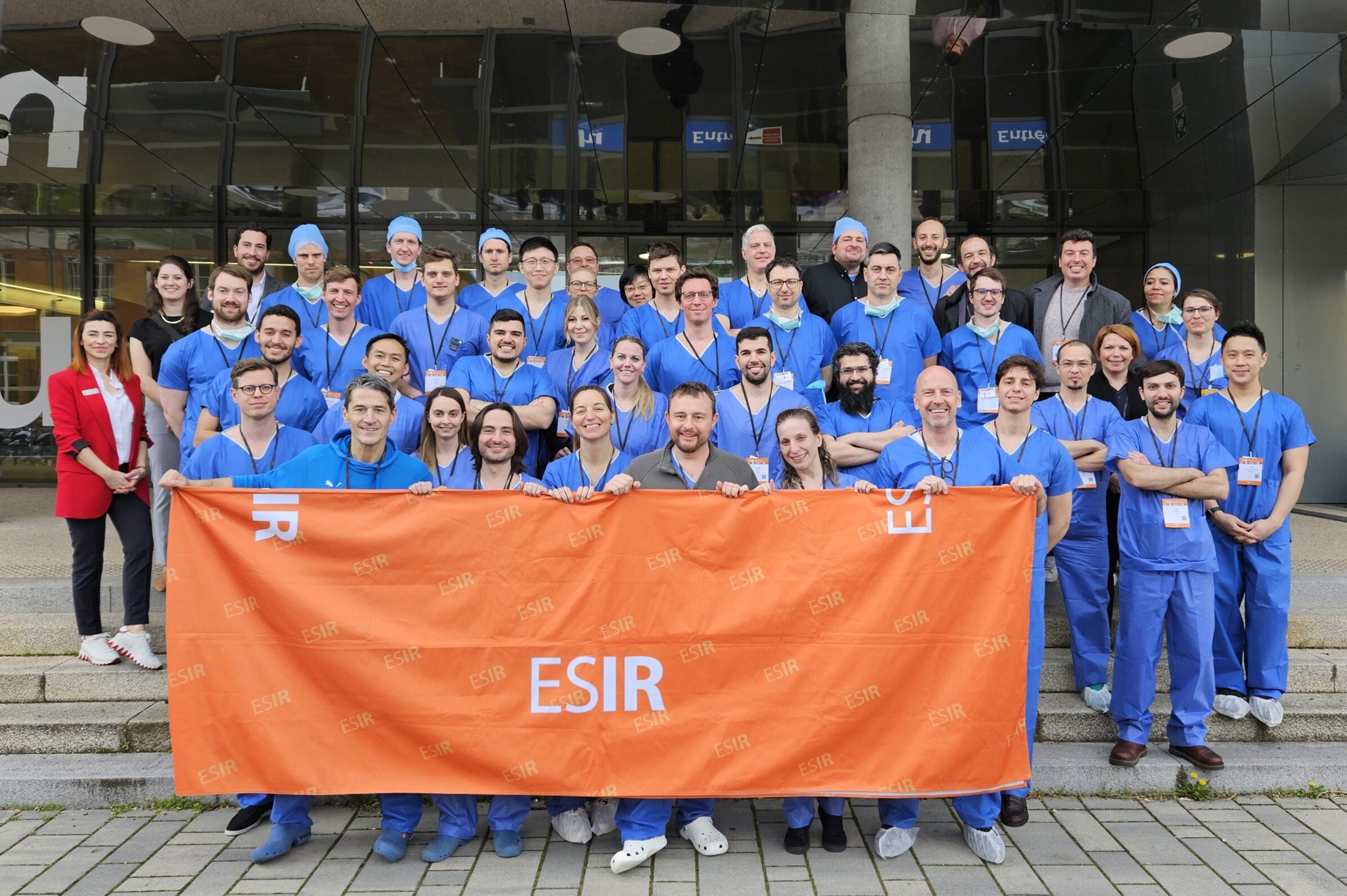
Educational efforts were further supported by the European School of Interventional Radiology (ESIR). Since its founding in 2000, ESIR’s role has evolved in scope and importance as a coordinating entity for workshops, webinars, and hands-on training. These developments reflected a broader ambition to harmonize training pathways across Europe, ensuring consistent entry points into the field of IR for residents and fellows.
By 2015, CIRSE’s membership exceeded 6,000, and the annual congress had matured into a truly international event, attracting participants from more than 80 countries. Topics broadened with interventional oncology and peripheral vascular disease being core areas, supplemented by pain intervention, and a growing field of non-vascular therapies. This development reflects the expanding scope of IR practice.
The most recent decade has been characterized by CIRSE’s strategic emphasis on clinical practice. IR physicians should not only be involved in performing a procedure but also should evaluate the patient beforehand, take periprocedural care, and follow up afterwards. By doing so, IRs assume full clinical responsibility for their patients.
The launch of Next Research signified CIRSE’s commitment to fostering high-quality clinical trials within IR, addressing a longstanding need for outcome-driven evidence to support guideline development and reimbursement negotiations. Simultaneously, CIRSE initiated the IASIOS framework (International Accreditation System for Interventional Oncology Services), providing institutions with a structured methodology for demonstrating quality in minimally invasive oncological care. This initiative was particularly timely, given the rising prominence of interventional oncology as a subspecialty within IR.
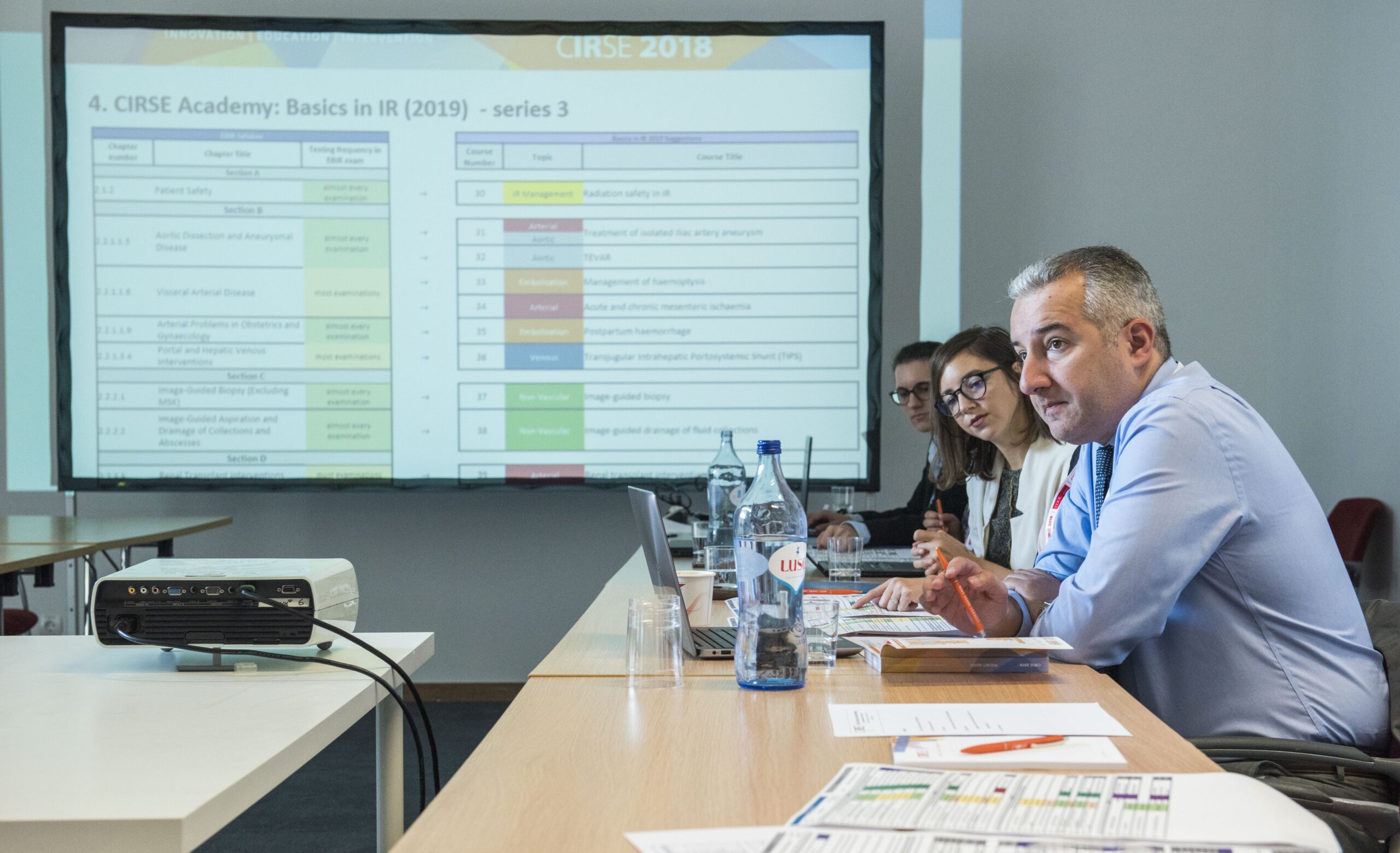
Digital learning emerged as a central educational pillar through the CIRSE Academy, which was founded in 2016 and launched in 2019. It offers structured, asynchronous training modules, EBIR preparation content, and interactive case studies. The CIRSE Library, launched one year prior to the CIRSE Academy, is a platform that hosts a wealth of educational videos and other digital content from CIRSE webinars, congresses, and poster presentations. These resources eventually proved critical during the COVID-19 pandemic, enabling professional development despite travel restrictions and clinical disruptions.
CIRSE’s publishing strategy also evolved. In addition to the flagship CVIR journal, CIRSE also launched two open-access sister journals: CVIR Endovascular and CVIR Oncology. These journals provide platforms for subspecialized content, rapid dissemination, and expanded visibility for early-career authors. Their establishment reflects CIRSE’s recognition of the increasingly diversified and subspecialized nature of contemporary IR practice.
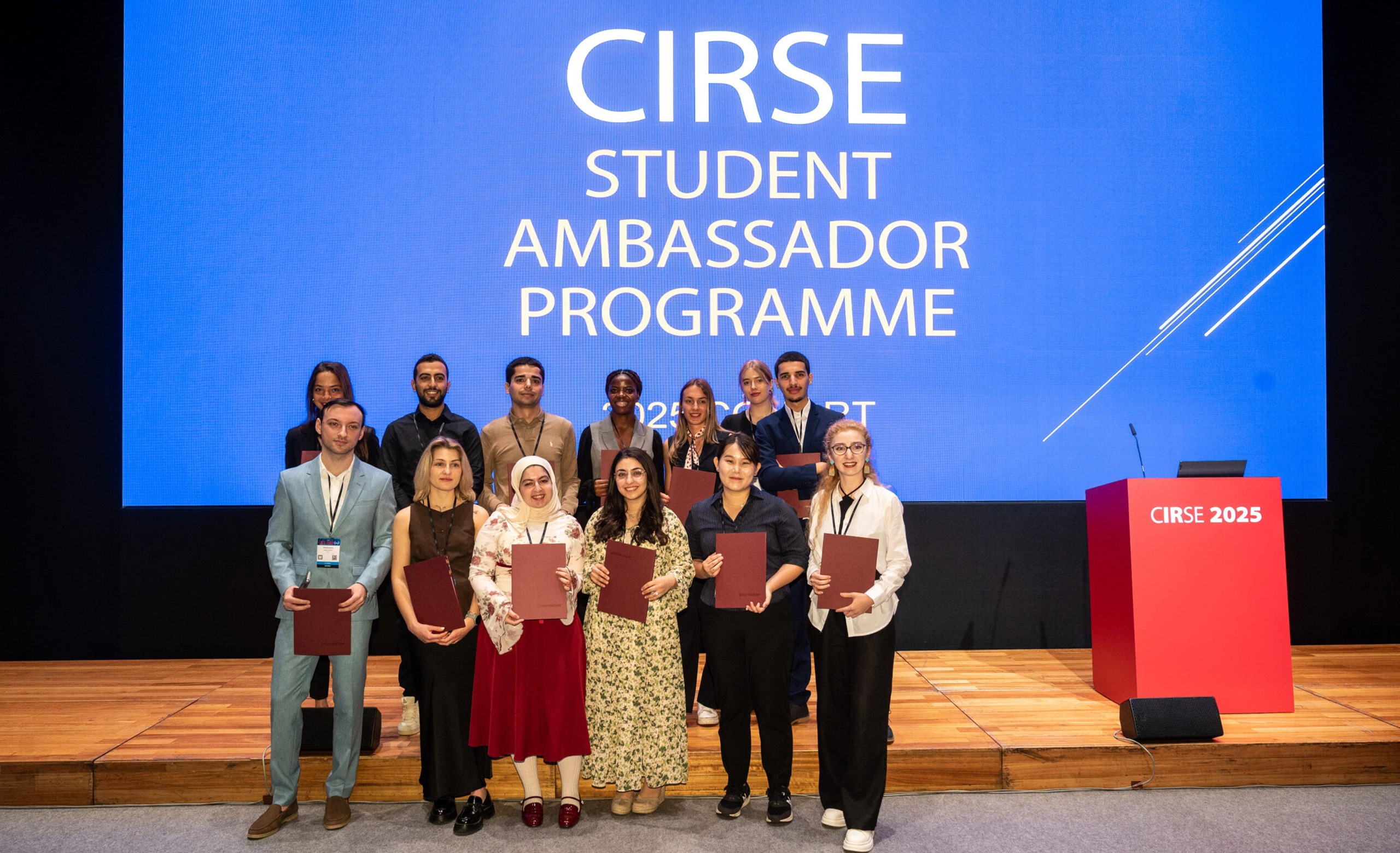
The society’s commitment to advocacy has also intensified. CIRSE now directly promotes the clinical role of IRs, encouraging practitioners to establish outpatient clinics, inpatient beds, and multidisciplinary tumour board participation. CIRSE also invests in the next generation of IRs through the European Trainee Forum and CIRSE Student Programme, which work to attract bright minds toward the field. Through collaborations with national societies, CIRSE supports structural reforms in training, employment, and reimbursement frameworks. CIRSE strongly supports the development of structured national IR training.
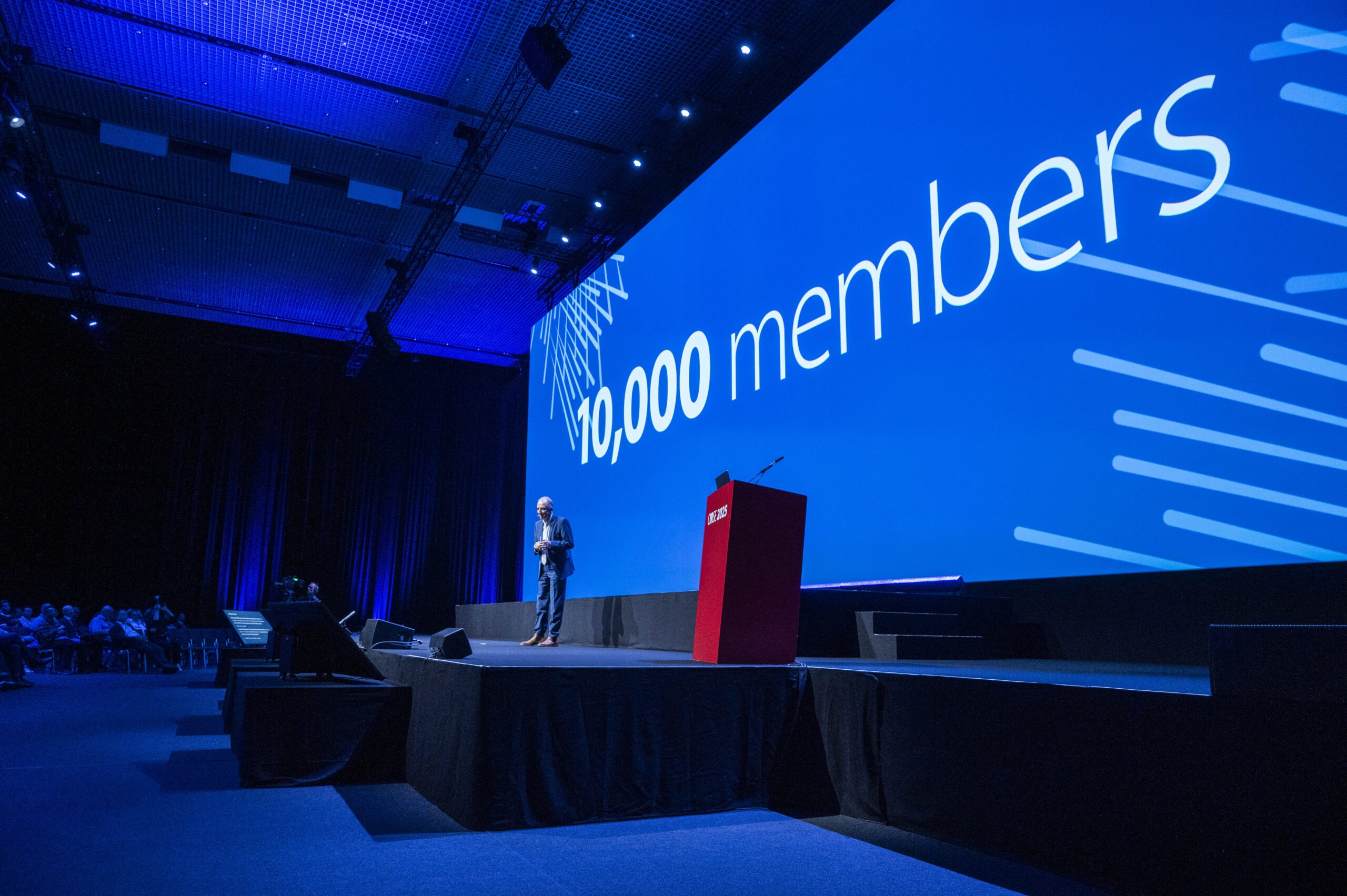
CIRSE membership surpassed 10,000 in 2025, with congress attendance regularly exceeding 7,500 participants. Group membership has expanded to include 53 affiliated organizations, reinforcing CIRSE’s influence as a pan-European and increasingly global society.
Looking ahead, CIRSE’s priorities are aligned with the broader goals of interventional radiologists: full clinical recognition, equitable reimbursement, and seamless integration into multidisciplinary care pathways. Upcoming initiatives are expected to expand IASIOS to additional domains beyond oncology, enhance research support infrastructures, and deepen collaboration with regulatory and political stakeholders.
There is also growing interest in simulation-based education, artificial intelligence applications, and hybrid procedural planning tools. CIRSE’s investment in these areas signals a strategic commitment to empower IRs for a technologically sophisticated future. The society’s continued collaboration with international counterparts such as SIR, and others will remain critical to harmonizing educational standards and maintaining a unified global voice for the specialty.
CIRSE’s history exemplifies the trajectory of interventional radiology from a set of procedural innovations to a comprehensive clinical discipline. Through carefully sequenced phases of unification, education, certification, and advocacy, CIRSE has cultivated a professional ecosystem in which IR can thrive.
For interventional radiologists, CIRSE represents more than an annual congress or a membership organization; it is a professional anchor, an academic platform, and a strategic advocate for the field. As CIRSE enters its fifth decade, its vision of IR as a fully integrated, patient-centred, and evidence-driven clinical specialty remains both compelling and essential.