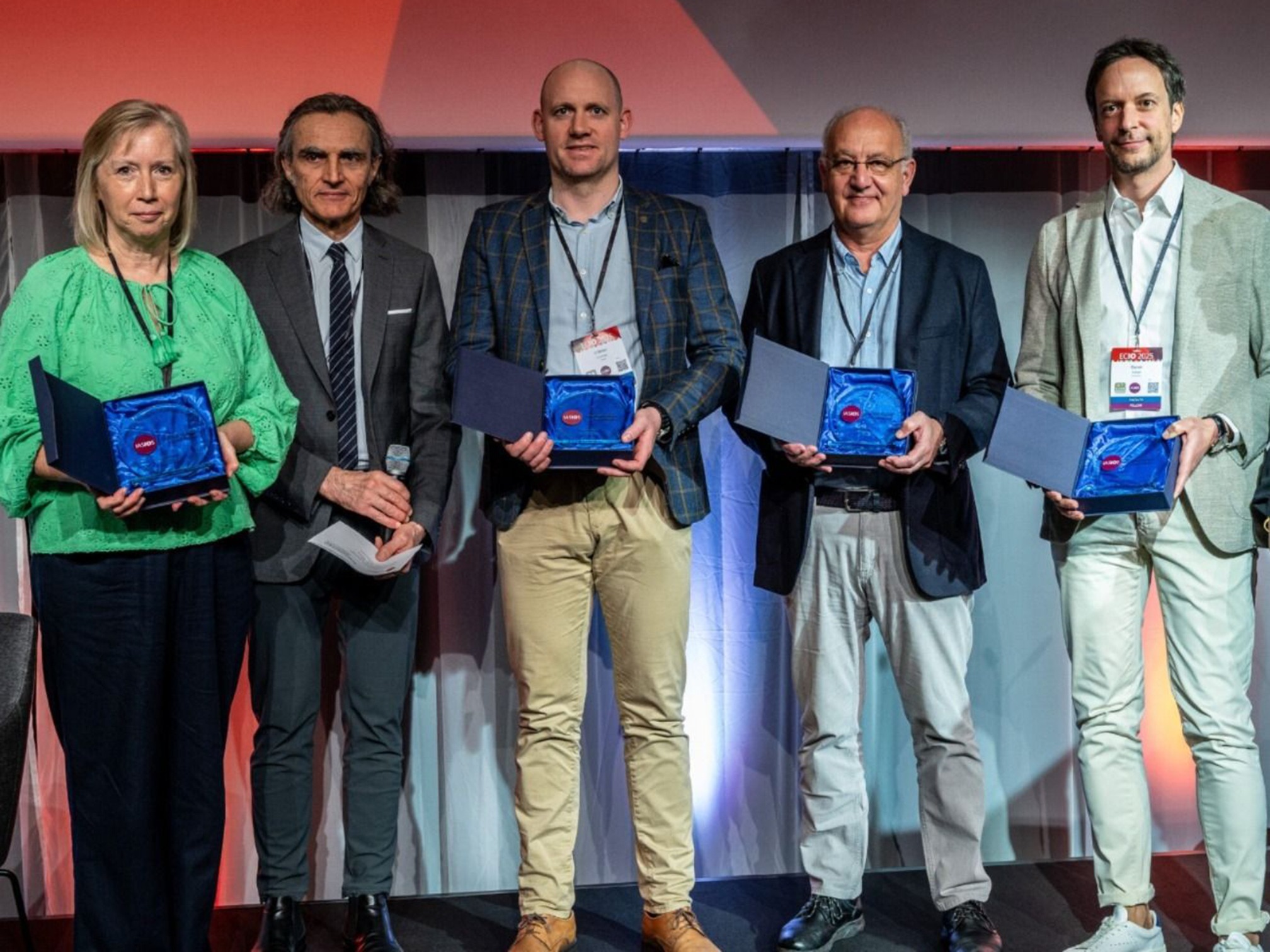
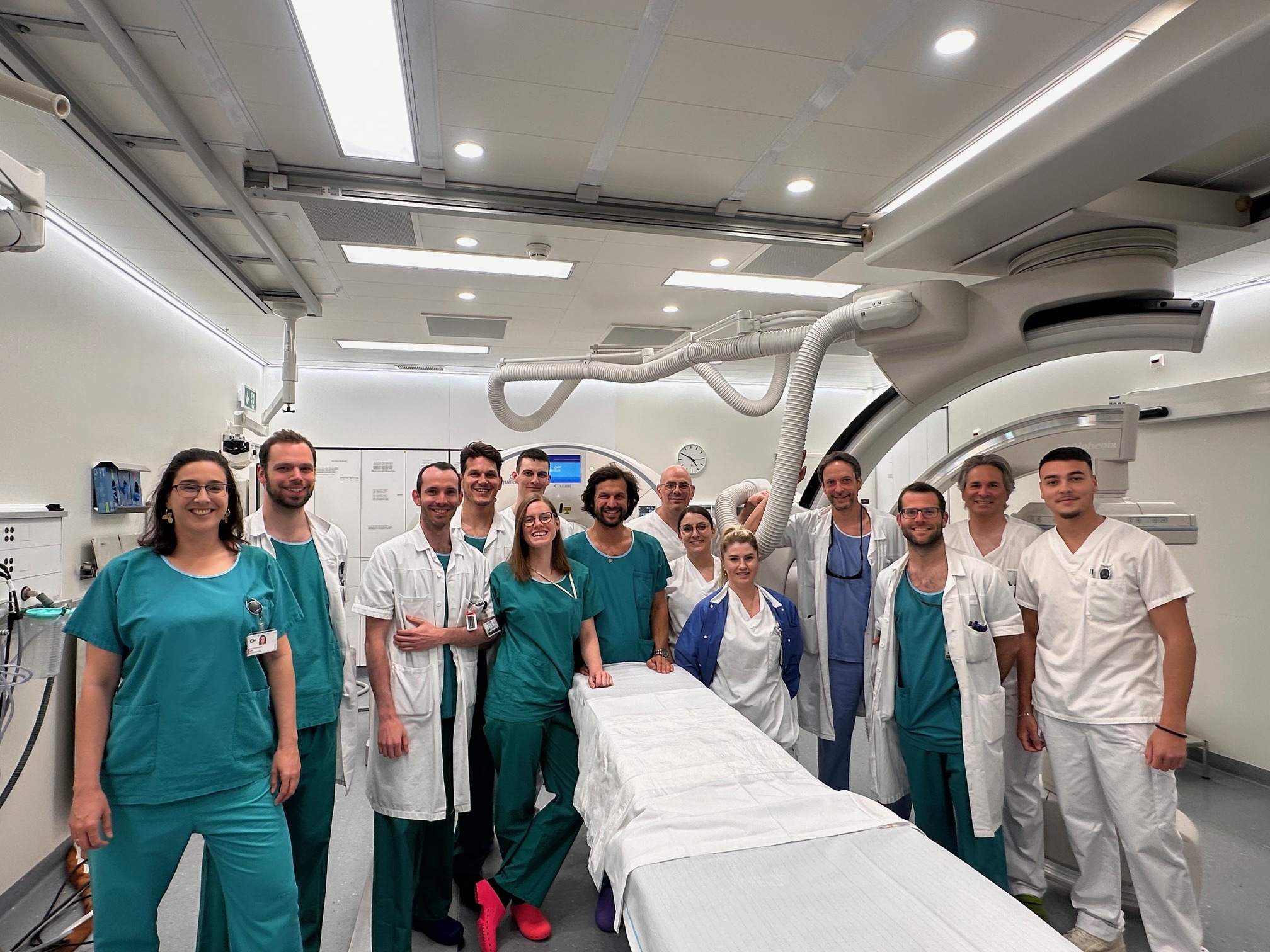
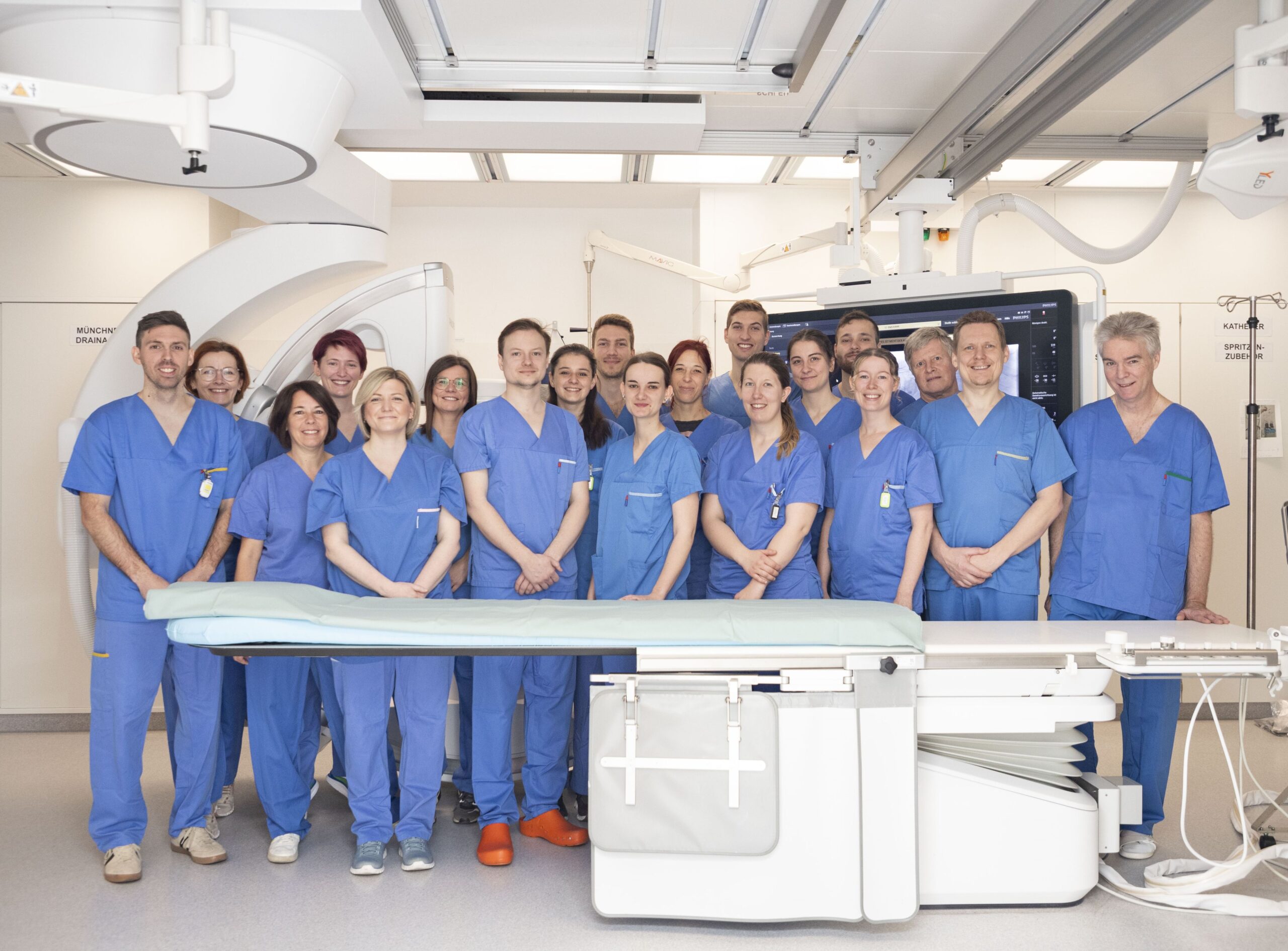
CIRSE Insider: What were the key reasons your team decided to pursue IASIOS accreditation?
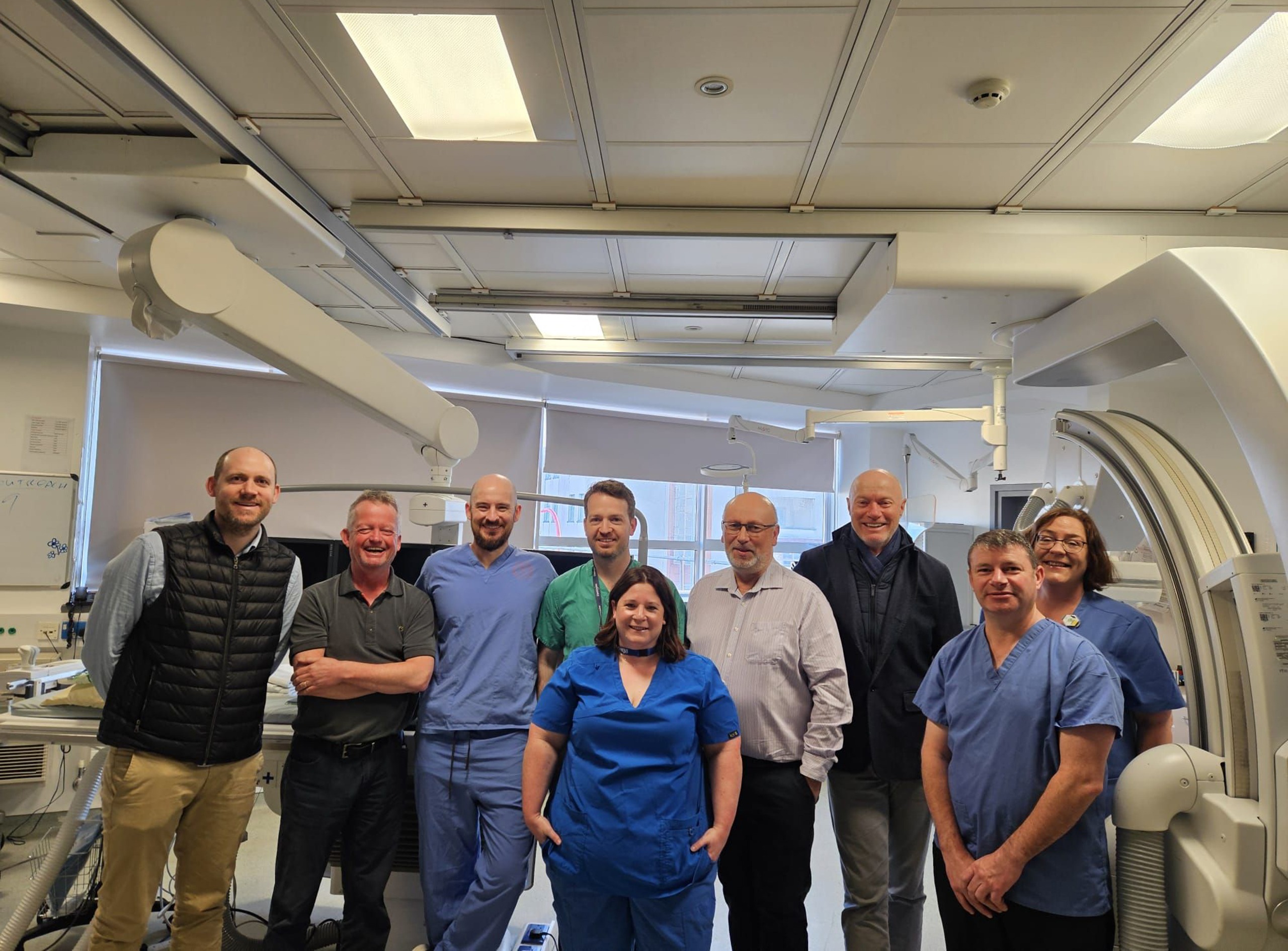
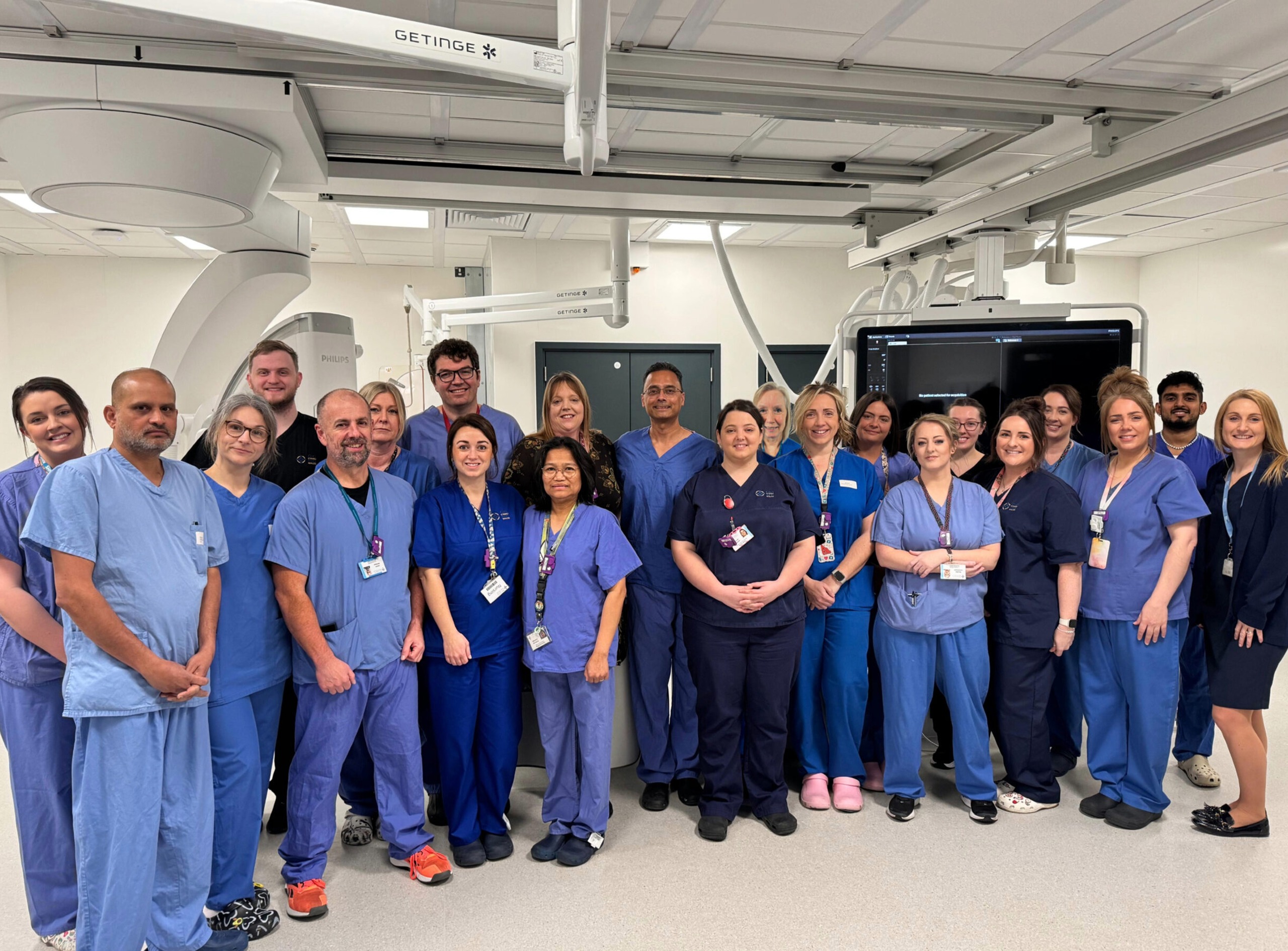
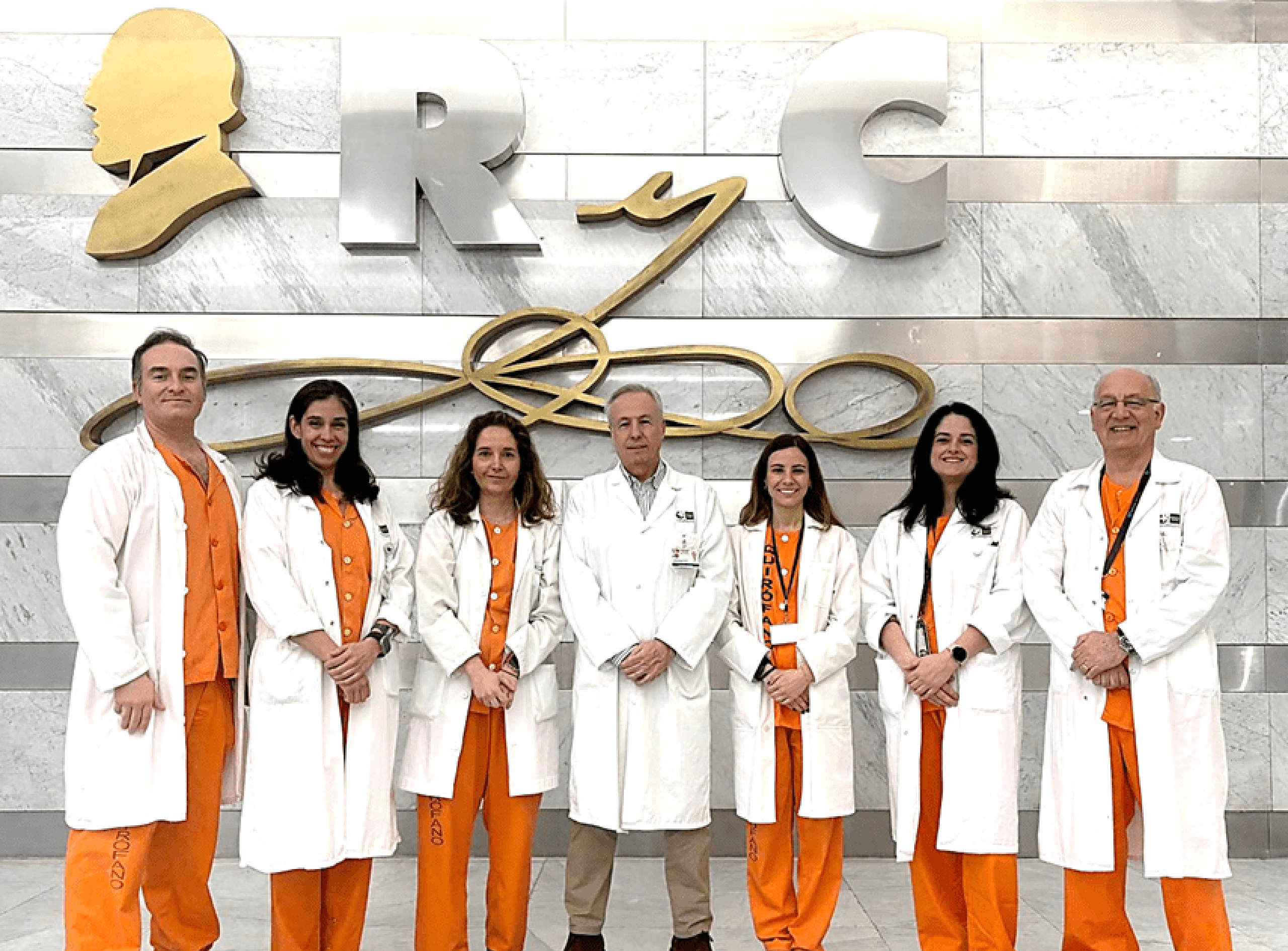
Urbano: Hospital Ramón y Cajal already holds several quality accreditations across oncology and other departments, but before IASIOS, we didn’t have an accreditation pathway for interventional oncology. When the First Year Forward Grant became available, we saw an opportunity to address that gap. IASIOS provided a structured way to formalise the quality work already being done, so applying felt like a natural next step. We are very pleased to be on the path toward accreditation now.
Duran: As CHUV Lausanne is the leading IO unit in Switzerland and a well-established centre internationally, pursuing IASIOS accreditation was an opportunity for us to further improve our practice. It demonstrates our dedication to the highest standards of clinical governance and reinforces trust among patients, referring physicians, and institutional partners. The accreditation encourages periodic self-assessment and external evaluation and provides a framework for identifying and implementing improvements in workflow, safety, and outcomes. These aspects directly translate into continuous improvement patient care which is crucial for us.
Goyal: Our team chose to pursue IASIOS accreditation to demonstrate our commitment to excellence in interventional radiology and oncology services. Through IASIOS, we can benchmark our service against global best practice and ensure that our processes, governance, and clinical pathways were consistently of the highest standard. It also aligns with our commitment to nurture a culture of continuous learning. Achieving accreditation recognises the expertise of the team and enhances morale by validating the high-quality work we already deliver.