January 12, 2026
The Collaborating Against Cancer Initiative enables IRs and radiologists to bring a non-radiologist MDT colleague to ECIO for free. Learn more about the initiative here.








The Collaborating Against Cancer Initiative enables IRs and radiologists to bring a non-radiologist MDT colleague to ECIO for free. Learn more about the initiative here.
Since its inception, the Collaborating Against Cancer Initiative (CACI) has been embraced by many teams and has become a cornerstone of the European Conference on Interventional Oncology (ECIO). In addition to free registration, participating non-radiologists can apply for up to €1,000 in travel support.
During ECIO 2025, CIRSE Insider caught up with CACI participants to learn about their experiences during the conference and perspectives on multidisciplinary collaboration in interventional oncology. Hear from the participants below.
CIRSE Insider: What motivated you to participate in the Collaborating Against Cancer Initiative?
Karlovic: I thought it would be a good opportunity to bring someone from my hospital who isn’t familiar with the kinds of IR procedures we offer and to show that we don’t only do peripheral artery stenting for people with atherosclerotic diseases. I also wanted to bring someone who I can collaborate with regularly for patient care. Damir admits the patients and can send referrals to the IR unit, and he can talk to his other surgical colleagues to spread the word about IR, so to say, so that patients can get better care.
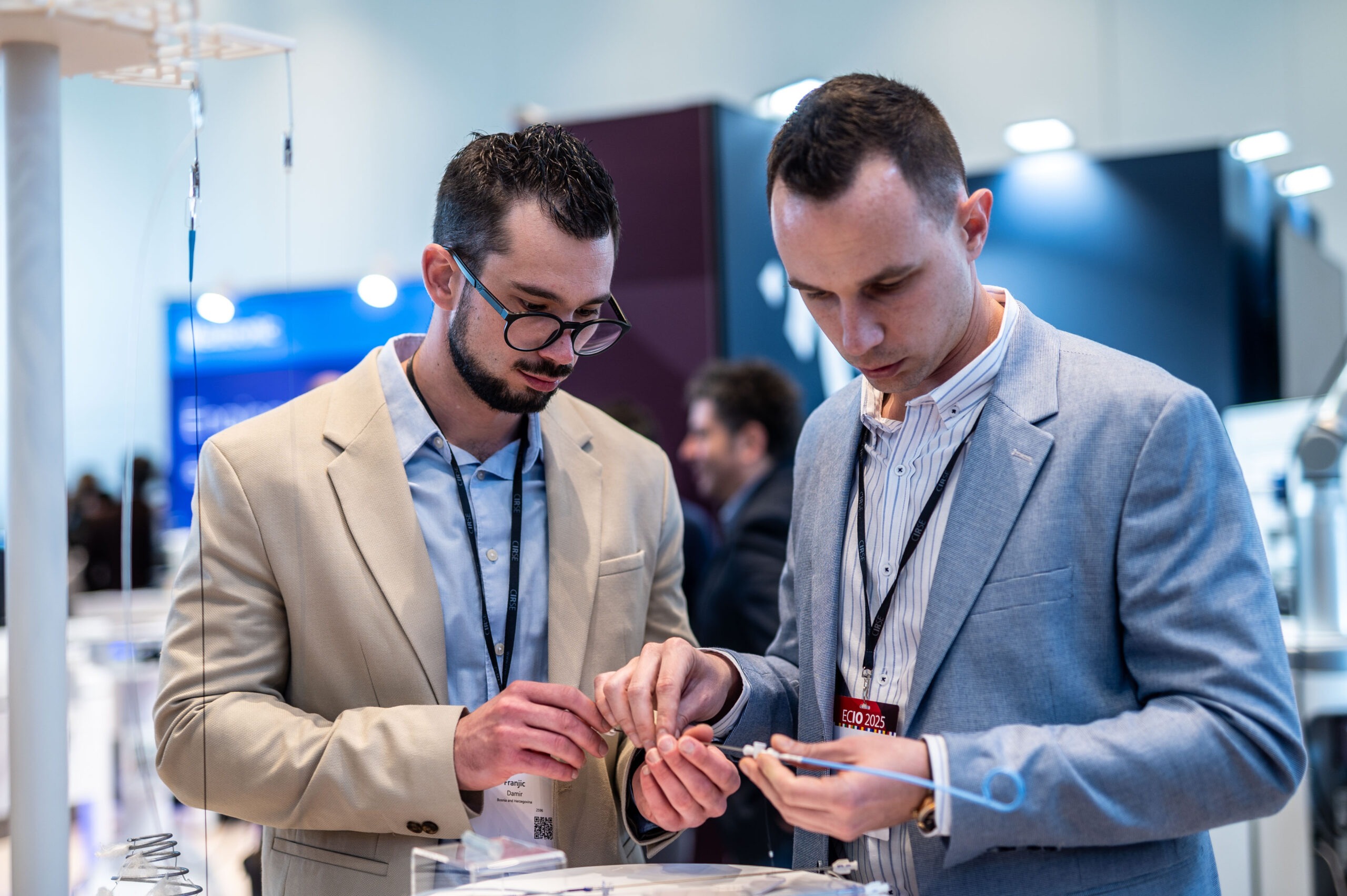
Franjic: This is my second time at ECIO with Kristian. During my previous visit, we presented a case together where we both collaborated for the first time to successfully treat a patient with a recurrent tumor. My team sees a lot of pelvic tumours, metastatic and primary, and it’s less invasive for the patient if a tumour can be approached percutaneously. There are other interventional procedures that I wasn’t familiar with before collaborating with Kristian, and the more familiar I become with them, the faster the diagnostic process is, so the patient can get the best treatment and leave the hospital earlier.
CIRSE Insider: Dr. Karlovic, were there any sessions you were particularly keen to share with your colleague?
Karlovic: I wanted to bring him to the hands-on training for musculoskeletal (MSK) oncologic interventions to show him how embolization can be used on tumors before open surgery. There was also another session about how to perform a safe procedure step-by-step. I brought him, so he could see what an interventional oncology procedure looks like, that it can be done under local anesthesia, and that it is safe for patients. I also wanted to show Damir the industry exhibition, so he could see the embolization materials we use, understand which materials are available to us, and gain insight into how we approach MSK procedures.
CIRSE Insider: Dr. Franjic, were there any sessions you especially enjoyed?
Franjic: The “Ask me anything: an MDT approach to patient care” session stood out to me. A panel with IRs, a surgeon, and an oncologist reviewed five different cases, they showed how the patient should be presented, and then they discussed the pros and cons of each treatment option. In the end, they all had to agree on which treatment was the best for the patient considering their demographics and history. It was fun to watch the decision-making process unfold from an outside perspective.
CIRSE Insider: Dr. Zdanovska, how do you think attending this congress will help you in your daily practice?
Zdanovska: I work both in private practice in outpatient care and in a hospital emergency department. So, I see a lot of patients with suspected and confirmed cancers. It’s really crucial in my practice to understand what kind of diagnostic methods and treatment options there are for each patient, to be able to talk with the patient about those options, and to give the necessary referrals.
CIRSE Insider: What specialties would you recommend interventionists bring to ECIO?
Zdanovskis: Any specialty that is part of a multidisciplinary team. I think anybody who comes to ECIO can gain something, because interventional oncology is a broad topic, but at the same time, so focused that anybody can take something away from the experience. Especially since non-radiologists can come for free and get additional support for travel, why not go?
Zdanovska: And for example, I have a colleague, a dermatologic oncologist, and I already want to discuss some techniques with her that I learned about during the non-thermal ablation session.
CIRSE Insider: Prof. Tabashy, why bring a colleague with you to ECIO? And Dr. Darwish, why did you want to attend ECIO?
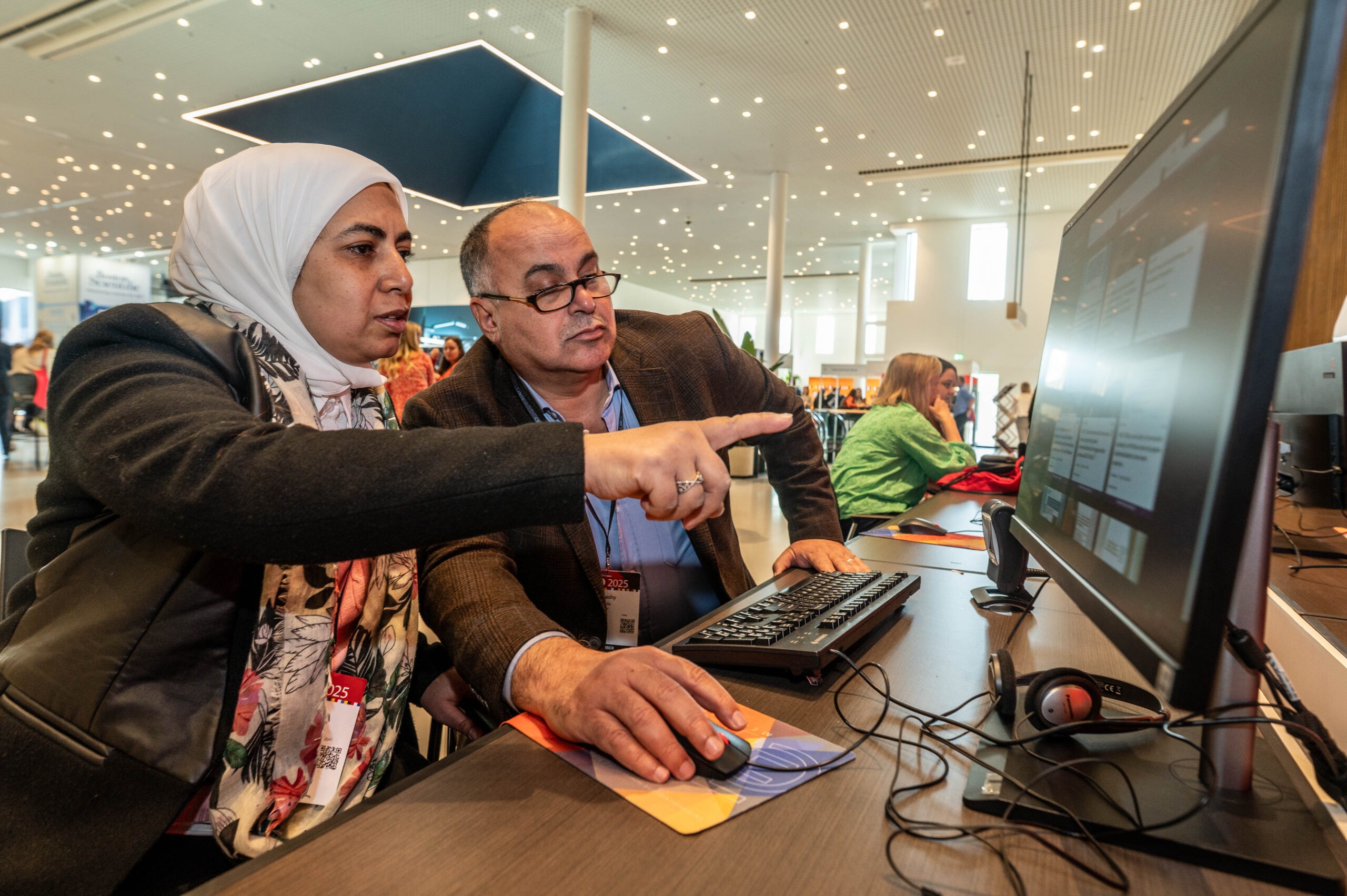
Tabashy: Many years ago, around 1990, I started using radiofrequency ablation for HCC. At that time, colleagues from other specialties disagreed with this, since it was such a new technology. When I became a CIRSE member, I began attending CIRSE and ECIO meetings regularly, collecting information and transferring this knowledge to my colleagues at the National Cancer Institute Egypt. This is the first time I’ve brought a colleague with me, so she can hear firsthand about IR. I often tell my colleagues that IR is a key pillar in cancer treatment. Bringing them here allows them to understand its role in oncology, especially the new generation.
Darwish: As an oncologist, chemotherapy is a central part of my practice, but treating metastatic disease is very challenging. We go from first-line to second- and third-line treatments, but then we face treatment resistance. This is where interventional radiology becomes essential. I presented a poster in St. Gallen in 2019 on locally advanced metastatic breast cancer, focusing on the added value of interventional radiology. And in cases of advanced breast cancer where the tumor cannot be managed by chemotherapy, sometimes we can perform embolization or intra-arterial infusion, and we can actually get a response. That’s why having a platform like ECIO to learn from one another is so important.
CIRSE Insider: Dr. Darwish, what are some takeaways from the conference that will help you in your practice?
Darwish: One takeaway was learning about results from the newest studies and publications. Usually, I’m only hearing about this secondhand from other colleagues, but now I can be the one to share the findings with them. Practicing evidence-based medicine is so important. As a clinician, when I am assessing a study, I am looking to learn about its design, patient group, progression-free survival rate, overall survival rate, side effects, and treatment-related complications. This allows me to compare these outcomes with those of chemotherapy to determine when interventional radiology is a better option.
CIRSE Insider: Dr. Varga, what sessions were of most interest to you at the conference?
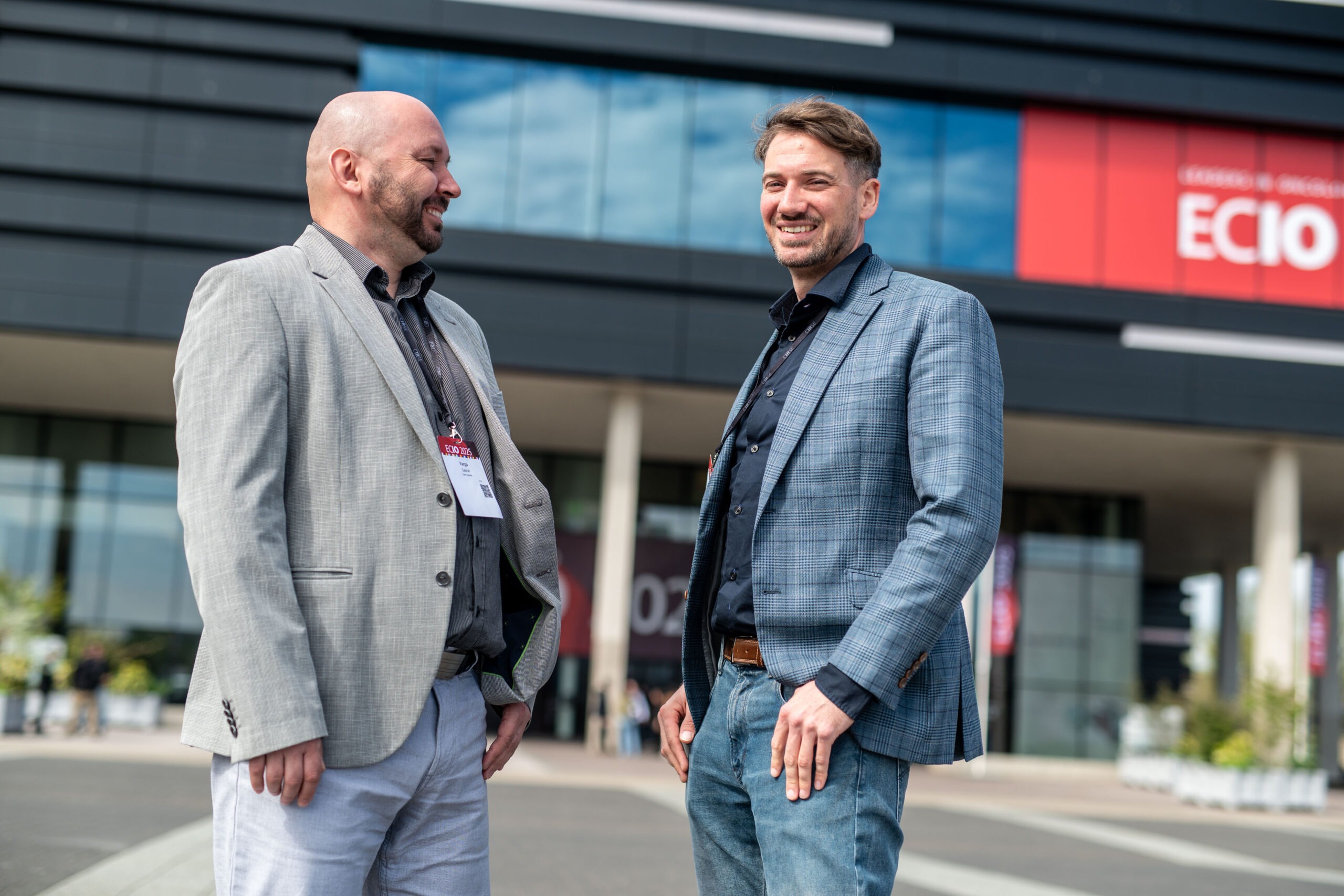
Varga: As a urologist, I was mainly interested in the treatment or ablation of kidney cancer and possible ablation of metastases. I wanted to be better informed about less invasive methods offered by interventional oncology, so I can compare the outcomes of these methods to the surgery that we perform in our institutions. I also like that the sessions are focused and take place on a smaller scale, so I can dive deeper into certain topics.
CIRSE Insider: What effect do you think participating in this initiative will have within the multidisciplinary team (MDT)?
Andrasina: Bringing colleagues to ECIO undoubtedly has a positive effect within the MDT. It fosters a clearer understanding and acceptance of different treatment methods, allows for the comparison of various specialty techniques and outcomes, and highlights potential combination therapies. Additionally, it provides our partners with the opportunity to gain hands-on experience with the tools we use, which is beneficial for their own familiarization and for demonstrating these tools to patients.
Varga: I would also add that this experience will help improve future cooperation with my colleagues, especially between the IR and urology and urologic oncological teams. Tomas and I were able to dedicate time to discuss the session topics and exchange ideas more freely than we could in our hospital environment. Going forward, this will strengthen communication on the MDT and ultimately provide better care for patients.