February 19, 2026
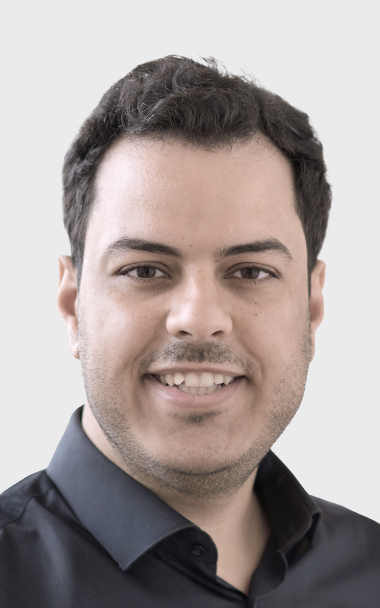
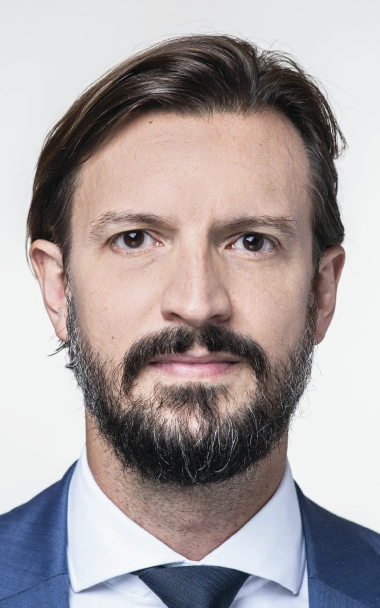
ECIO 2026 will feature a special, first-ever event: the Interventional Oncology Hackathon. To get a preview of what is to come, CIRSE Insider spoke with the hackathon coordinators, Dr. Zuhir Bodalal and Dr. Fernando Gómez Muñoz.








ECIO 2026 will feature a special, first-ever event: the Interventional Oncology Hackathon. To get a preview of what is to come, CIRSE Insider spoke with the hackathon coordinators, Dr. Zuhir Bodalal and Dr. Fernando Gómez Muñoz.
The ECIO 2026 Interventional Oncology Hackathon is a multidisciplinary, multi-day event designed to bridge clinical needs and advanced data science in interventional oncology. Bringing together clinicians and data scientists, the hackathon focuses on developing clinically relevant decision-support and predictive models, with an emphasis on transarterial radioembolization (TARE).
Participants will work with curated synthetic and real-world datasets to address challenges ranging from adverse event prediction and workflow optimization to outcome forecasting. Projects will be externally validated and presented during ECIO, with opportunities for follow-up presentation at CIRSE 2026 and submission to a peer-reviewed journal. The hackathon aims to foster collaboration, accelerate translation of AI concepts into practice, and support the next generation of data-driven research in interventional oncology.
CIRSE Insider: This is the first year ECIO will feature a hackathon event. What inspired you to introduce this format for the conference?
Gómez Muñoz: The main motivation was to create a practical space where clinical needs in IO and the technical capabilities of data science and AI can meet. In this context, ECIO provides an ideal environment for clinicians and AI-focused researchers to collaborate. The hackathon format enables rapid evolution from concept to prototype and supports multidisciplinary collaboration.
CIRSE Insider: What kinds of challenges in interventional oncology are you hoping participants will tackle?
Bodalal: The challenges and objectives are already predefined, including: decision support tools (adverse event predictors to forecast severe toxicities based on clinical, procedural, and laboratory data or ablation selectors to identify optimal candidates for segmental ablation versus full-lobe TARE); workflow optimization (automated adverse event and concomitant therapy classification using NLP-based analysis of open-text fields); and outcome forecasting (recurrence risk and survival estimation using staging scores and clinical history and post-TARE resectability prediction). The goal is to develop tools that can be used in clinical decision-making in real-world practice, not just theoretical models.
CIRSE Insider: What makes this hackathon at ECIO unique compared to similar initiatives at other medical conferences?
Gómez Muñoz: What really stands out here is probably the hackathon’s solid clinical background based on the CIRT and CIRT-FR data. The challenges have been defined by IO specialists, and the data includes both synthetic and carefully curated real-world data. Furthermore, the projects developed at the hackathon will not finish after ECIO. We will prioritize external validation. Additionally, the results will be presented at ECIO and CIRSE 2026 to support scientific publication, adding continuity and academic rigor to the work.
CIRSE Insider: Beyond technical performance, what qualities or approaches do you think will help make teams successful during the hackathon?
Bodalal: Beyond technical performance, it will be crucial to have a deep understanding of the clinical problem, easy communication between clinicians and data scientists, and a pragmatic approach to the research question. Teams that can simplify, accurately define endpoints, and clearly explain the added value of their solution will have a strong advantage. The ability to work collaboratively and iteratively will be just as important as the algorithm itself.
CIRSE Insider: After the hackathon ends, what happens next? Will the best ideas be supported or developed further?
Gómez Muñoz: The best purposes will be supported for clinical and methodological mentorship, which is one of the pillars of the project. They will also have the opportunity to be presented at CIRSE 2026 in Copenhagen and to develop manuscripts for publication in the CVIR family of journals. The idea is that the hackathon should serve as the starting point for solid, sustainable projects and related activities, rather than an isolated event.
For more information about the ECIO 2026 Interventional Oncology Hackathon, contact Next Research at [email protected].