


CIRSE Fellowship report: Dr. Antonios Michailidis
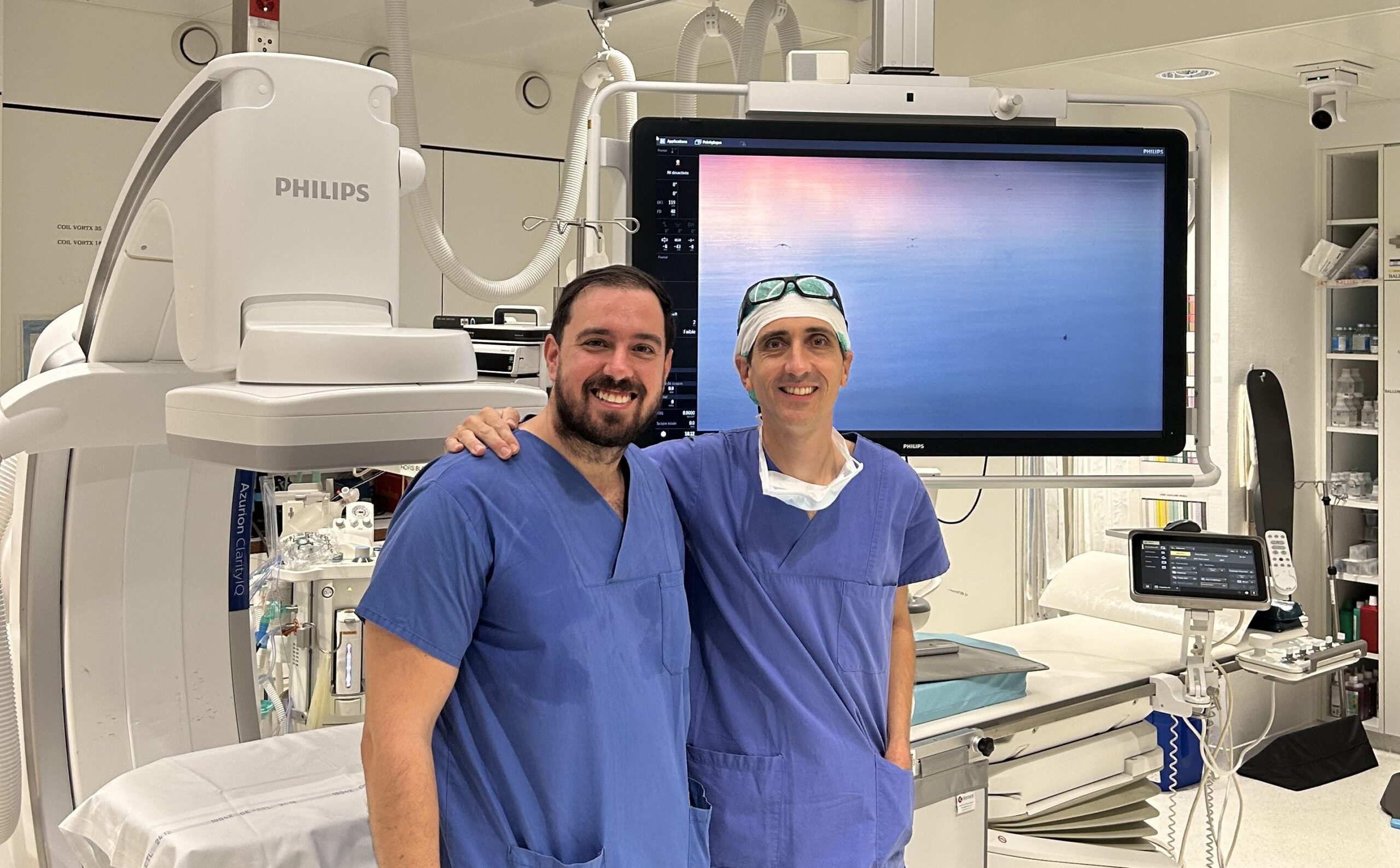
My CIRSE Fellowship at the Interventional Radiology Department of the Hôpitaux universitaires de Genève (HUG) was an exceptionally rewarding educational and professional experience. The fellowship offered comprehensive exposure to a high-level academic interventional radiology service, characterized by advanced clinical practice, multidisciplinary collaboration, and a strong emphasis on patient-centered care. From the outset, I was warmly welcomed and fully integrated into the department’s daily clinical workflow. The open and collegial atmosphere facilitated continuous learning and allowed me to actively participate in a wide range of interventional procedures and clinical discussions. The fellowship fully met—and in several aspects exceeded —my expectations.
Educational Objectives and Focus of the Fellowship
The primary objectives of my fellowship were to broaden my clinical and technical experience in interventional radiology and to gain insight into the organization and workflow of a major tertiary referral center. A particular focus of my stay was pediatric interventional radiology, an area in which HUG has extensive experience and structured clinical pathways. Prior to this fellowship, my exposure to pediatric IR had been limited, and this experience allowed me to gain valuable familiarity with pediatric-specific indications, techniques, and peri-procedural considerations. Additional objectives included:
- Refining image-guided procedural skills
- Understanding patient selection and clinical decision-making
- Observing multidisciplinary collaboration in complex cases
Highlights of the Fellowship
One of the main highlights of the fellowship was the opportunity to observe and assist in a broad spectrum of pediatric and adult interventional radiology procedures, performed in a highly organized and safety-focused environment. Another highlight was the close interaction with Prof. Alexis Ricoeur, whose leadership and teaching approach strongly emphasize clinical judgment, procedural precision, and patient-centered care. Daily case discussions and intra-procedural teaching provided constant learning opportunities and encouraged critical thinking. Participation in multidisciplinary meetings further highlighted the central role of interventional radiology in patient management at HUG.
Mentorship and Learning Environment
Prof. Ricoeur provided outstanding supervision throughout the fellowship. His structured approach to interventional radiology, combined with a strong commitment to teaching, created an ideal learning environment. I also benefited greatly from the expertise of the entire interventional radiology team, including attending physicians, fellows, nurses, and technologists. The collaborative spirit of the department ensured that learning extended beyond technical skills to include workflow optimization, communication with referring clinicians, and long-term patient follow-up.
Procedures Assisted and Clinical Exposure
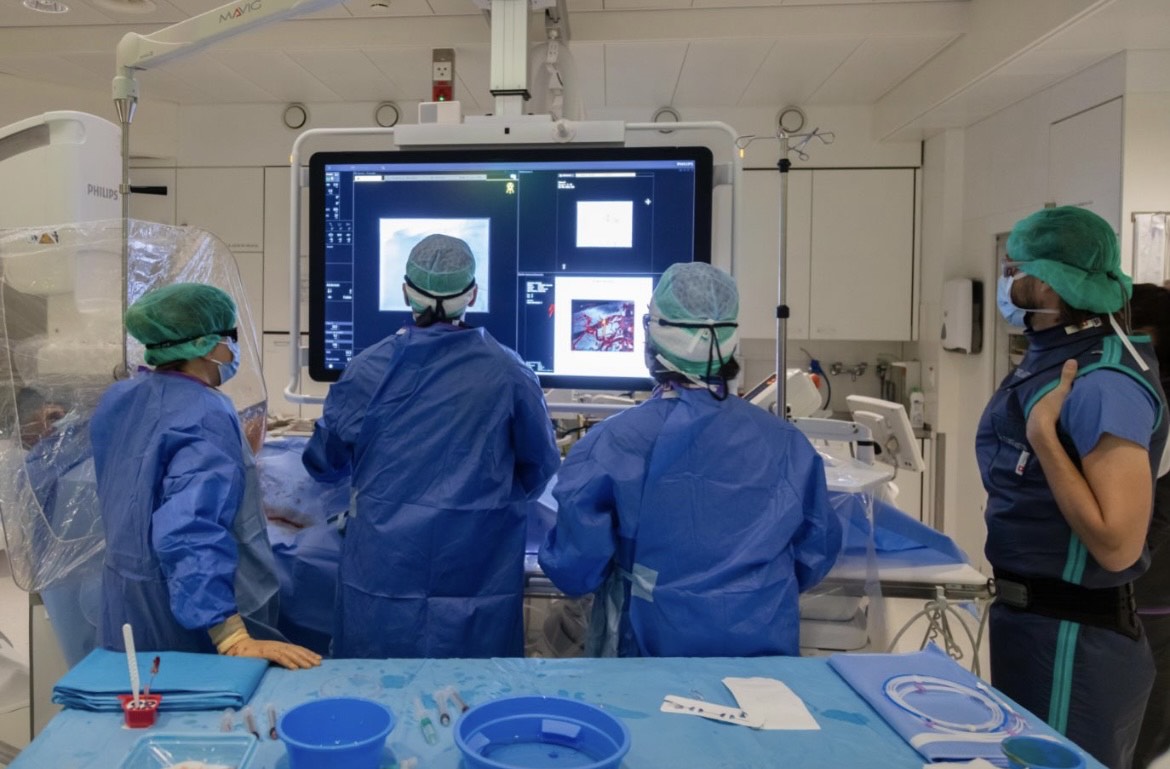
During my fellowship, I assisted in and observed a wide variety of procedures, including:
- Pediatric interventional radiology procedures
- Image-guided biopsies and drainages
- Vascular and non-vascular interventions
- CT- and ultrasound-guided procedures
- Emergency and elective interventional cases
Emphasis was placed on careful patient selection, procedural planning, and post-procedural care, providing a comprehensive view of interventional radiology as a clinical specialty.
Differences Between HUG and My Home Institution
Compared with my home institution, HUG demonstrated a highly structured workflow with strong clinical integration of interventional radiology. The presence of dedicated pediatric pathways, standardized protocols, and close multidisciplinary collaboration were particularly notable. Interventional radiology at HUG functions as a fully integrated clinical service, with active involvement in patient management from referral through follow-up. This model provided valuable insight into how IR services can be further developed and strengthened.
Clinical Practice and Broader Learning
In addition to procedural training, the fellowship offered significant exposure to clinical practice aspects, including:
- Pre-procedural consultations
- Post-procedural follow-up
- Communication with patients and families, particularly in pediatric cases
- Documentation and outcome assessment
These elements reinforced the importance of comprehensive clinical involvement in interventional radiology.
Expectations and Future Impact
The fellowship fully met my expectations and had a significant impact on my professional development. I am particularly motivated to apply the knowledge gained in pediatric interventional radiology, structured workflows, and clinical decision-making in my future practice. The experience has also strengthened my interest in continued academic and international collaboration within the interventional radiology community.
Conclusion
The CIRSE Fellowship at HUG under the supervision of Prof. Alexis Ricoeur was an outstanding educational experience. The exposure to pediatric and adult interventional radiology, combined with strong mentorship and a collaborative clinical environment, has had a lasting influence on my training and professional outlook. I am sincerely grateful to CIRSE for this opportunity and to the Interventional Radiology team at HUG for their generosity, professionalism, and commitment to education. I would strongly recommend this fellowship to future candidates.