

CIRSE Fellowship report: Dr. Américo Mota
My name is Américo Mota, and I come from the northeast of Brazil (the Submédio São Francisco region). Although I already work with percutaneous procedures, especially in the context of pain and oncology, I sought to deepen my hands-on experience in tumour ablations, focusing on microwave ablation (MWA), and cryoablation in oncology patients. That is why I chose the Istituto Europeo di Oncologia (IEO) in Milan as the host centre for my CIRSE fellowship.
Travelling more than 15 hours to reach Milan was worth every minute of learning. My sincere thanks to Prof. Franco Orsi, Drs. Guido Bonomo and Paolo Della Vigna, my tutor Dr. Giovanna Pitoni, colleagues Francesco Di Bartolomeo, Daniele Maiettini, Francesco Siciliano, Gianluca Maria Varano, Dr. Giovanni Carlo Anselmetti, and the entire IEO team—especially, on behalf of Lili, for welcoming me so generously.
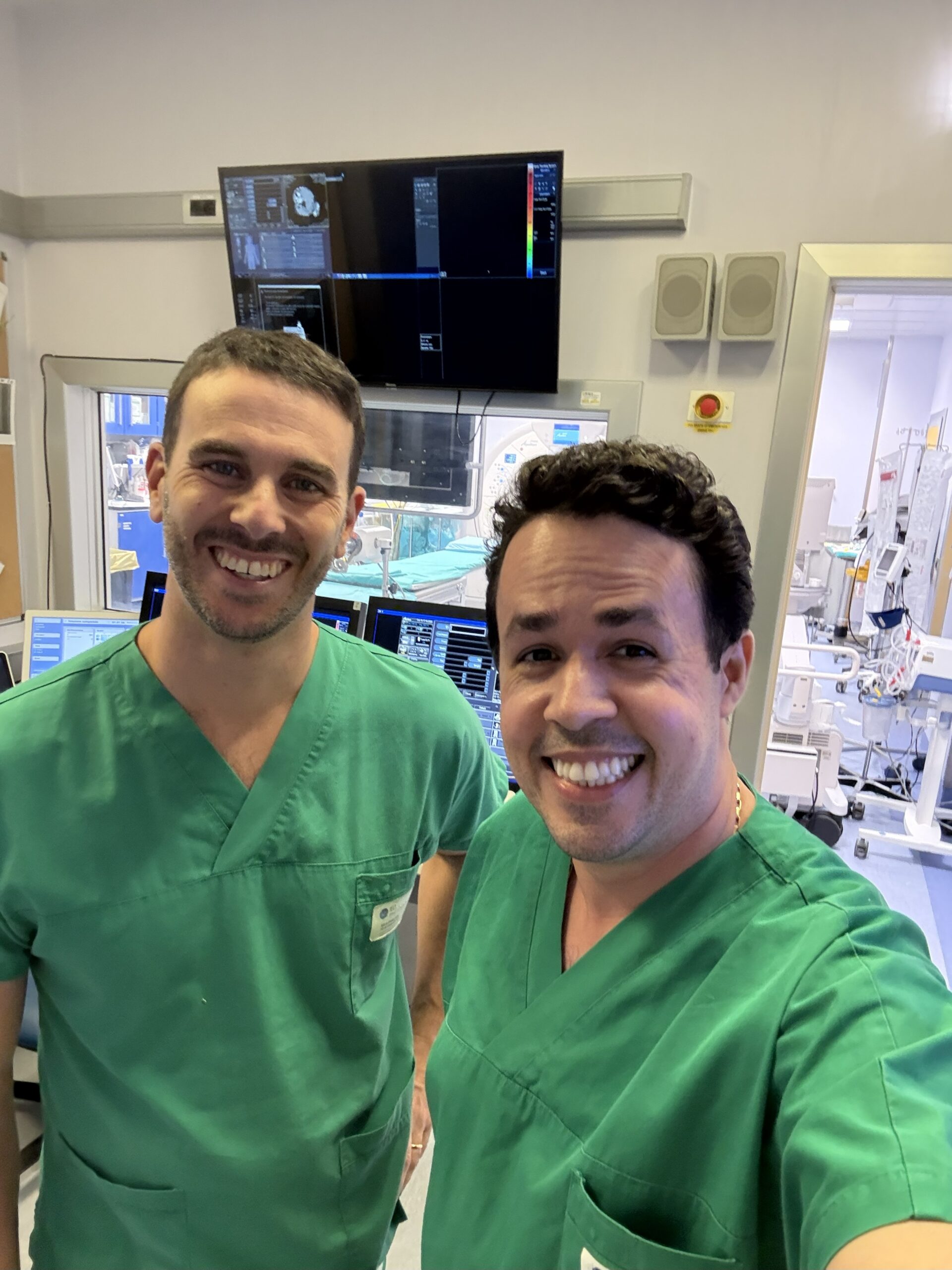
Me with my colleague Daniele Maiettini
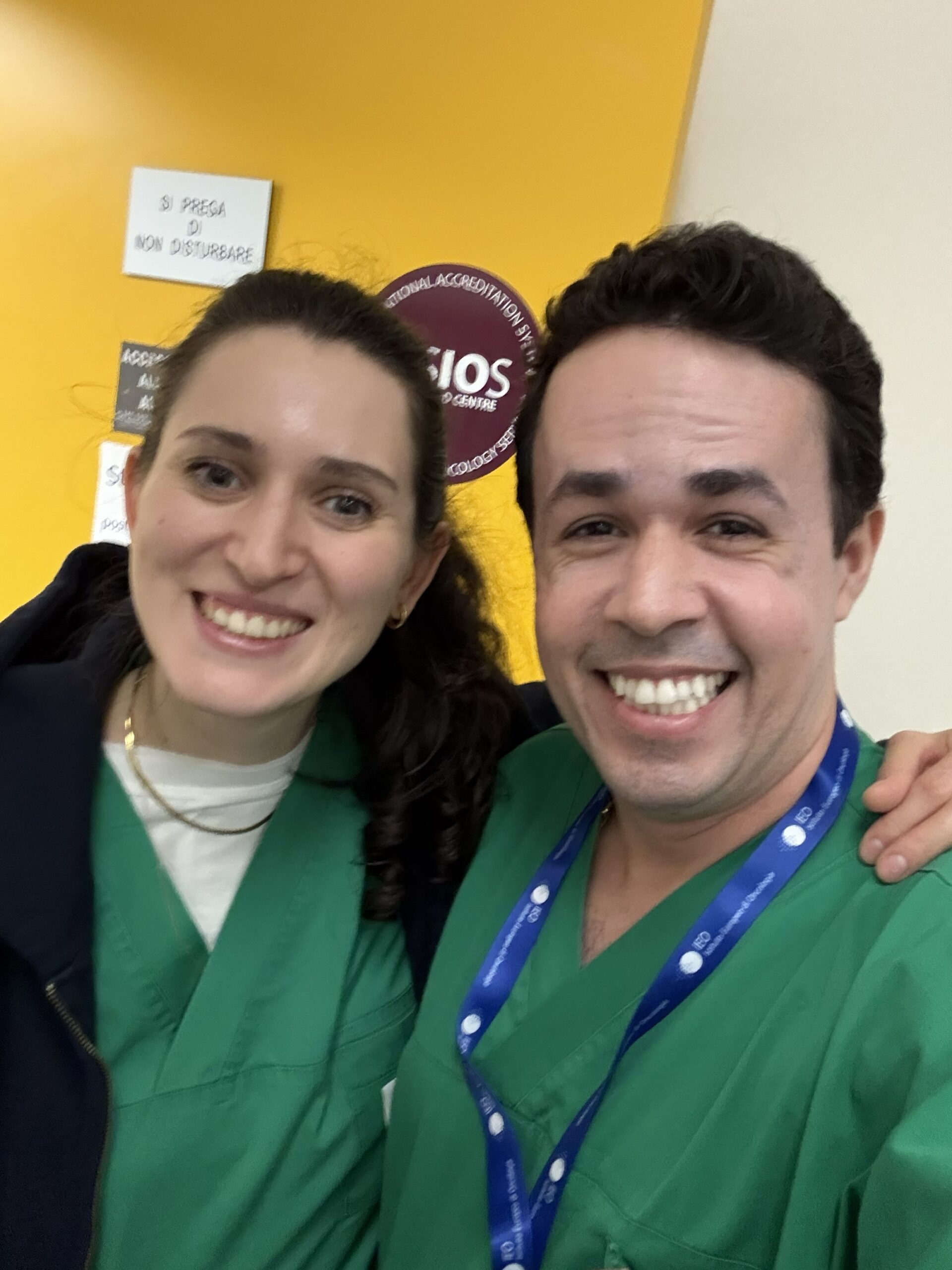
Me with my tutor Dr. Giovanna Pitoni
IEO
IEO’s radiology service integrates technique, science, and organisation at a high level. The hybrid angio–CT room and the routine use of US–CT fusion and navigation make it feasible to treat complex lesions with precision and safety. The efficient partnership with the anaesthesia team, collaboration with urology, and impeccable logistics that favour clinical workflows and teaching were also highly impressive.
Team culture
Throughout my stay, I experienced a generous transfer of “tips & tricks” from Prof. Franco Orsi, Drs. Guido Bonomoand Paolo Della Vigna, my tutor Dr. Giovanna Pitoni, and the team—always with keen attention to technical details and patient-centred clinical decision-making.
The weekly case-discussion meetings were rich and highly collaborative. Shared lunches and daily coffee moments showcased the cohesion of the IEO Milan team, strengthening an environment of inclusivity and continuous teaching. Congratulations to the team on their vision of placing IR at the centre of care and transforming the practice into truly longitudinal care, from first contact to follow-up.
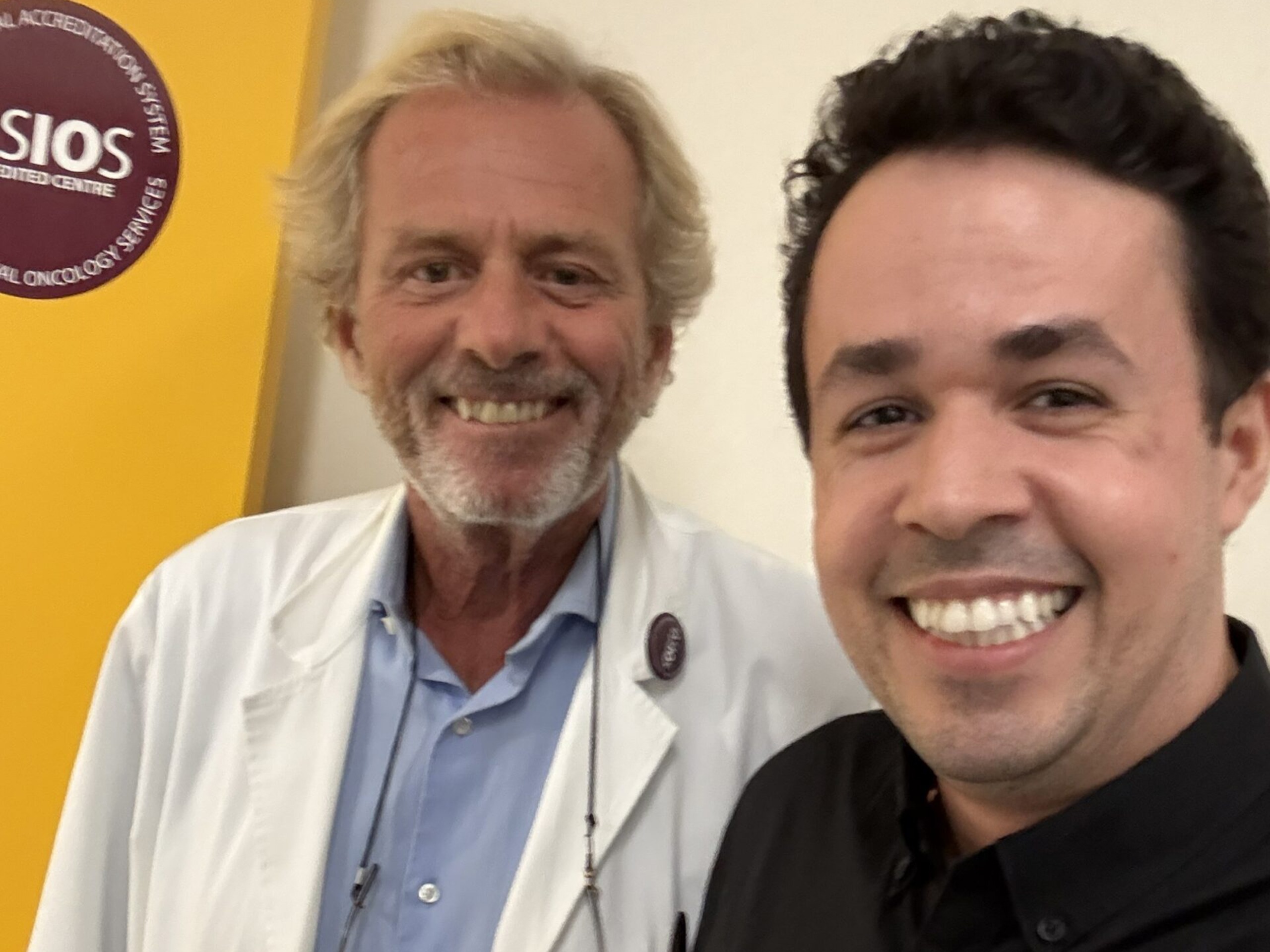
Me with Dr. Giovanni Carlo Anselmetti
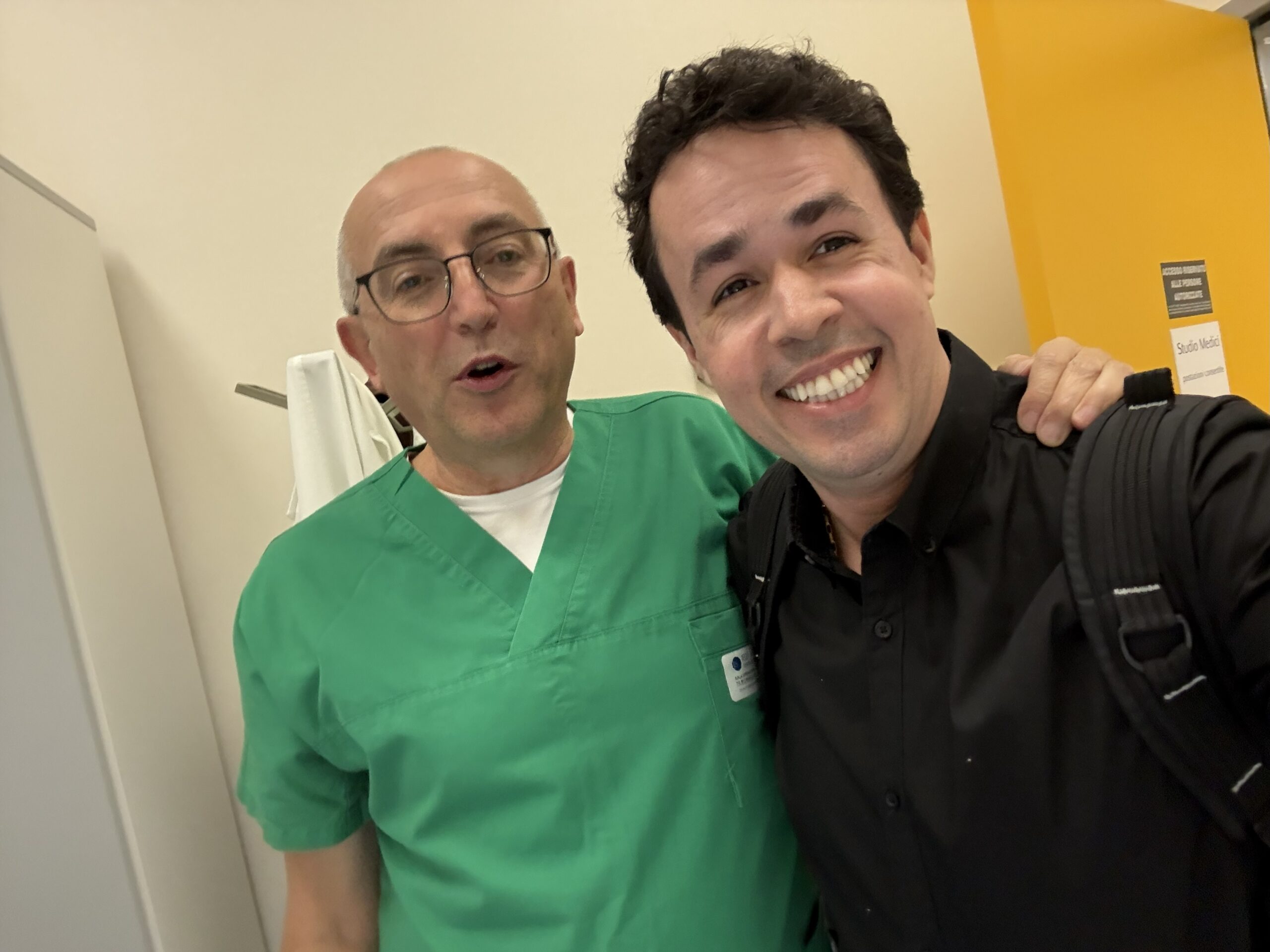
Me with Dr. Paolo Della Vigna
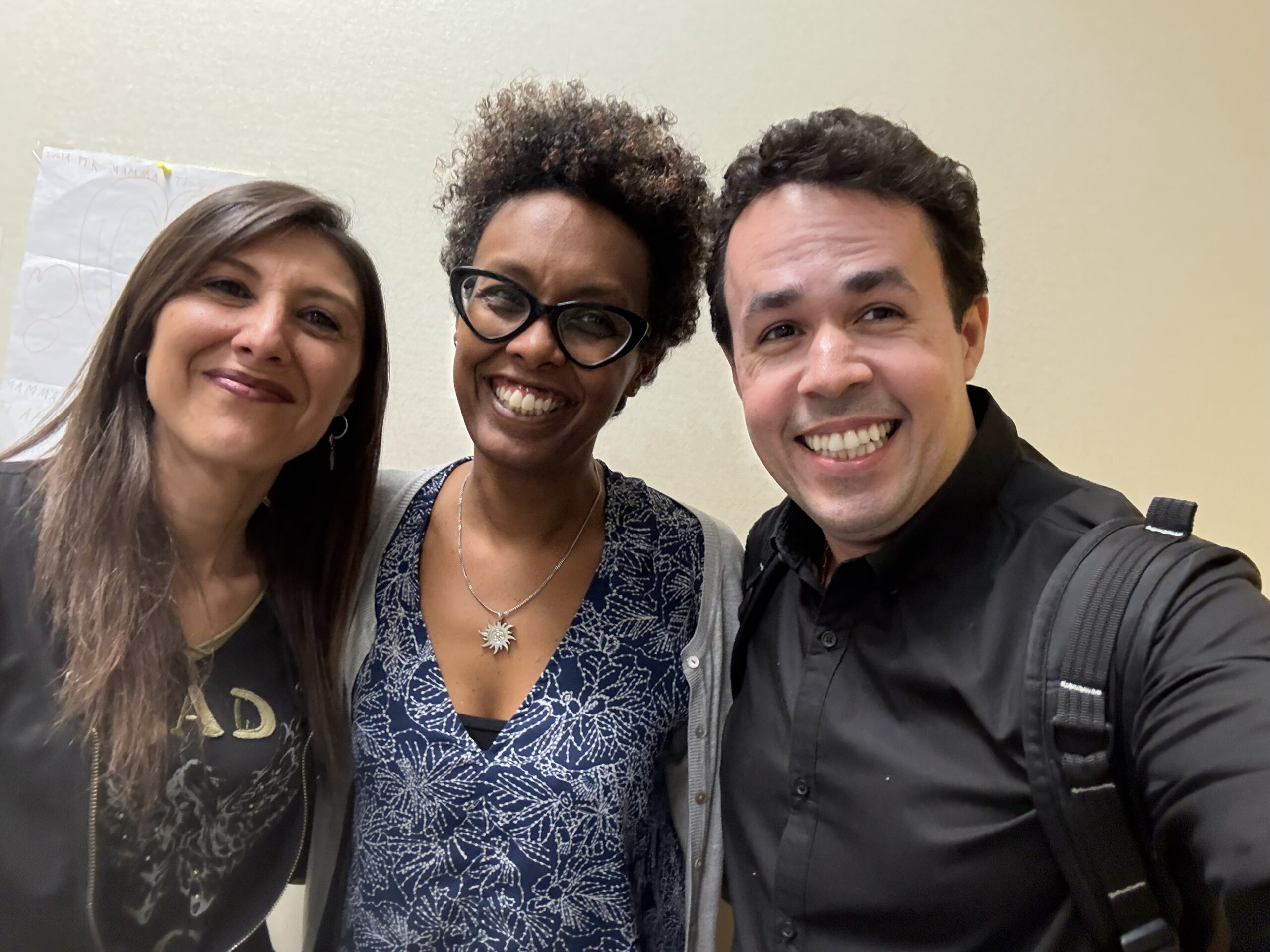
The IEO staff
Key technical learnings
• MWA: planning with multiple needles, overlapping ablation zones, track ablation, and strategies for measurable oncologic margins.
• Cryoablation: dynamic reading of the ice ball, adjacent thermal protection (hydrodissection), and safety protocols for critical organs.
• Navigation and fusion: active use of US–CT fusion and navigation systems for non-conventional trajectories, reducing risk and puncture time.
• Clinical routine: I experienced teleconsultations, multidisciplinary case discussions, and the inspiring model of a dedicated outpatient clinic and inpatient ward, reinforcing the specialty’s role as a primary physician from first contact through follow-up.
Cultural experience
Milan also allowed me to practice my Italian, attend a Plácido Domingo concert with the Chi Wule orchestra, and visit monuments and historic sites. The Italian gastronomy crowned the experience with memorable moments.
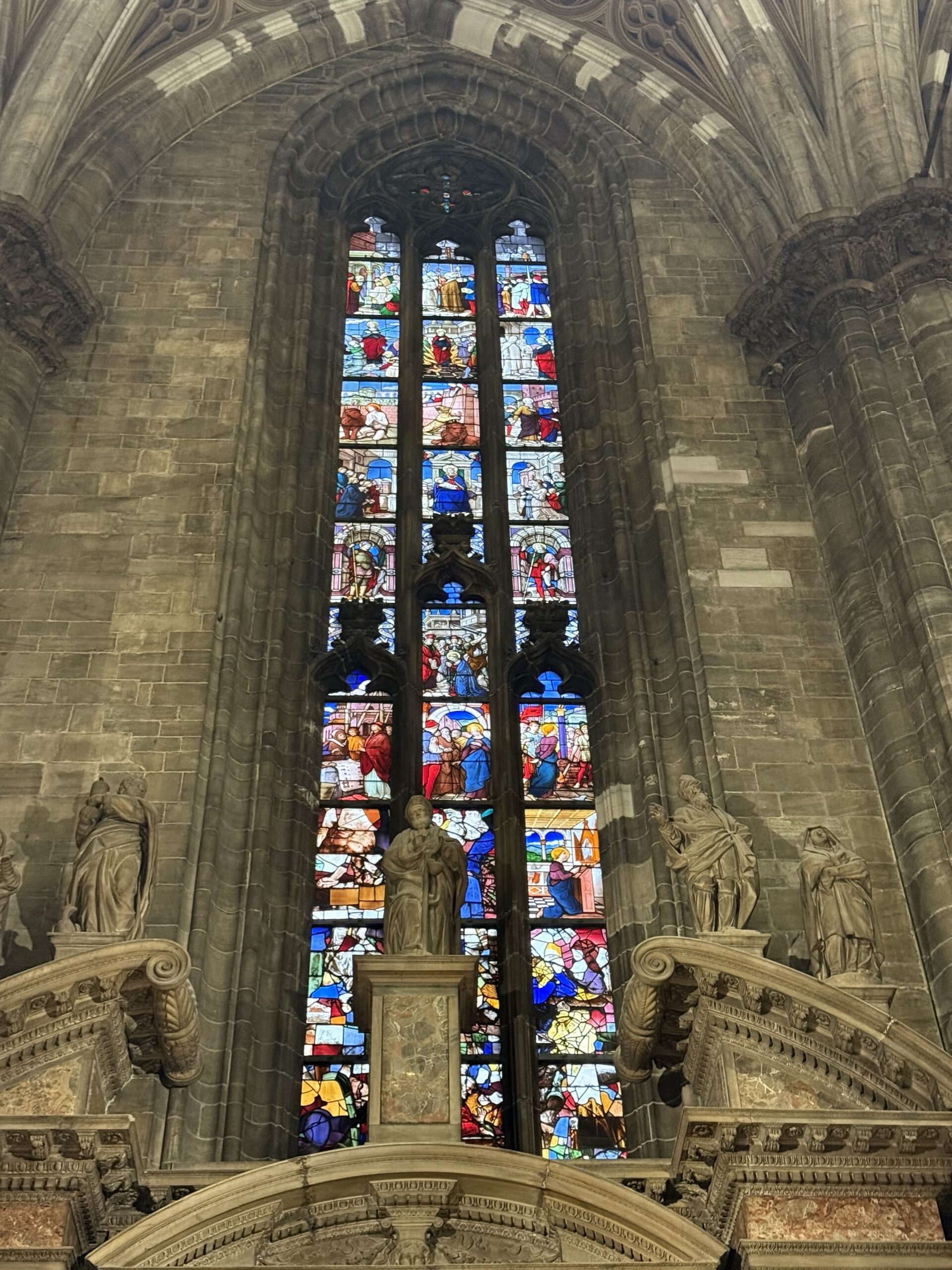
The Duomo di Milano
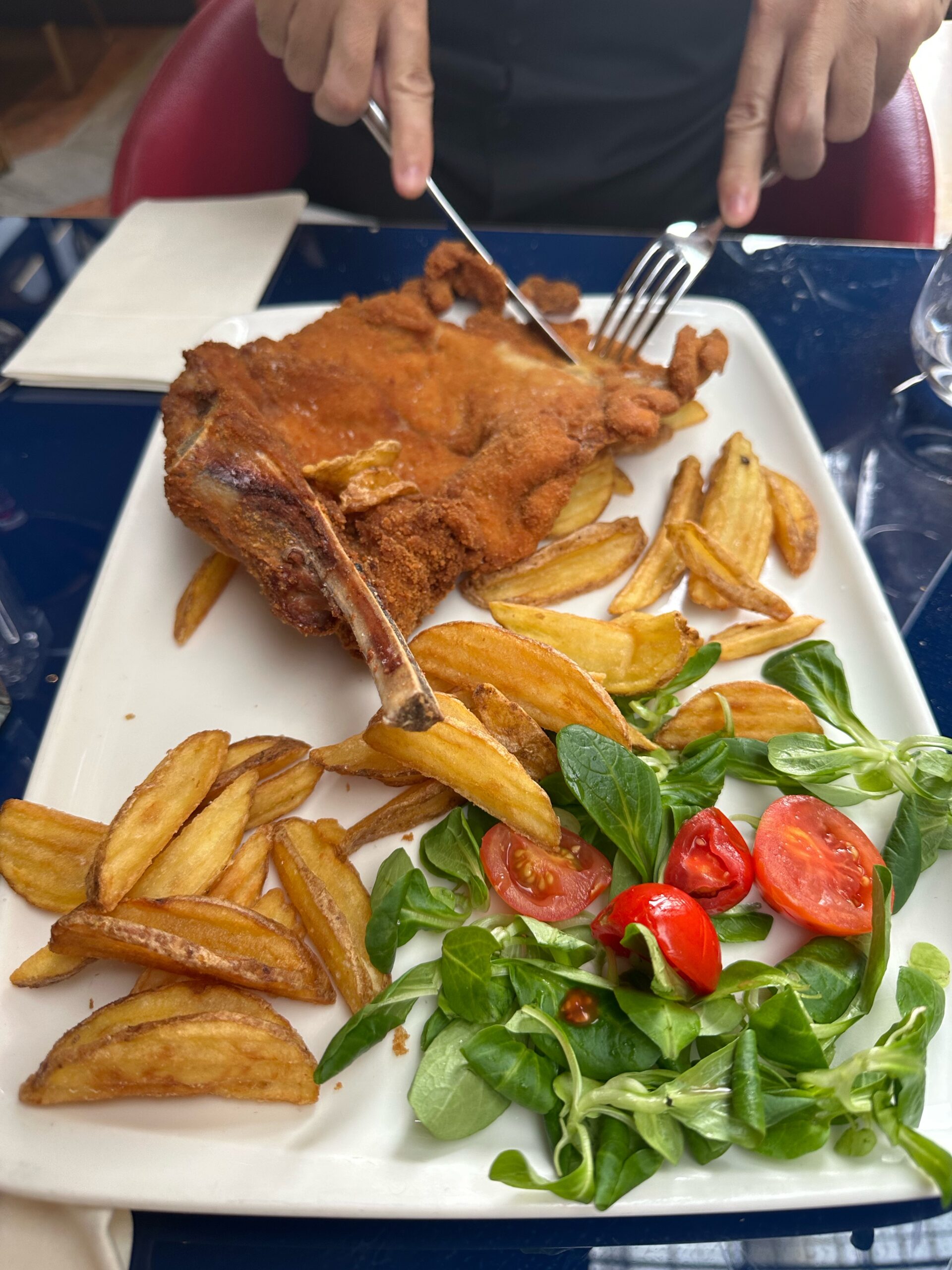
The famous cotoletta alla milanese
Impact on my practice and conclusion
I bring back home a practical roadmap to expand oncologic ablation in my service: structured planning, fusion/navigation, and oncologic safety protocols (margins, documentation, and follow-up). I intend to apply these learnings soon in the Brazilian setting, expanding access to highly effective, minimally invasive therapies. The CIRSE fellowship at IEO was transformative—technical excellence, organisation, empathy, and teaching all moved together in perfect alignment. I reiterate my thanks to the entire IEO team!
Note that CIRSE endorsed Dr. Mota’s fellowship without grant funding.