CIRSE Insider: What motivated you to host this course?
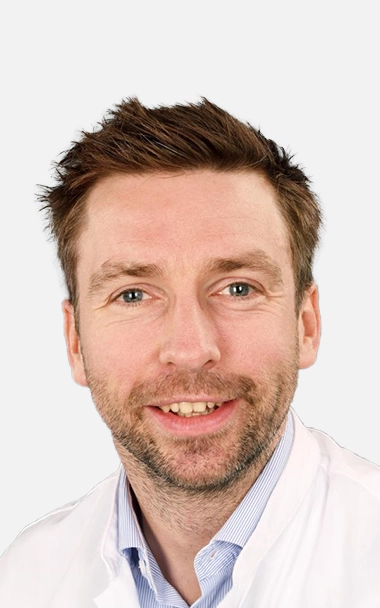
van Zwam: Endovascular treatment is one of the most effective new treatments for acute ischemic stroke in recent decades. In many areas of the world—including Europe—more physicians need to be involved in this treatment. Stroke is one of the leading causes of disability, which impacts not only patients’ quality of life but also healthcare systems in the long term. To offer these physicians a basic knowledge of acute endovascular stroke treatment, courses like the one offered through ESIR are very much needed. We in Maastricht hope to provide the perfect background for hosting such courses, as we developed a well-organized stroke pathway and are an active participant in stroke research and education initiatives.
CIRSE Insider: The programme involves both theory (e.g., patient selection, imaging) and hands-on workshops (e.g., simulators, flow models). Which part of the course are you looking forward to most?
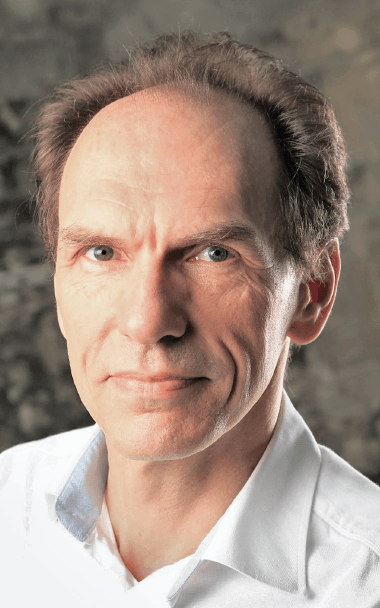
de Boer: Both parts are something we look forward to! For the theoretical program, well-known international teachers will deliver high-level educational lectures. These lectures are informal and interactive, so it’s enjoyable to hear from the participants, engage with them, and learn how the topics connect to the reality of their practice. For the hands-on sessions, physicians can make themselves familiar with currently available tools and devices, and it’s fun to see how immersed they become in the handling of devices in flow models or simulators.
CIRSE Insider: You are both well-known experts in this area. What does the treatment of acute ischaemic stroke look like at Maastricht University Medical Center+, your home institution? How many ischaemic strokes does your unit treat per year?
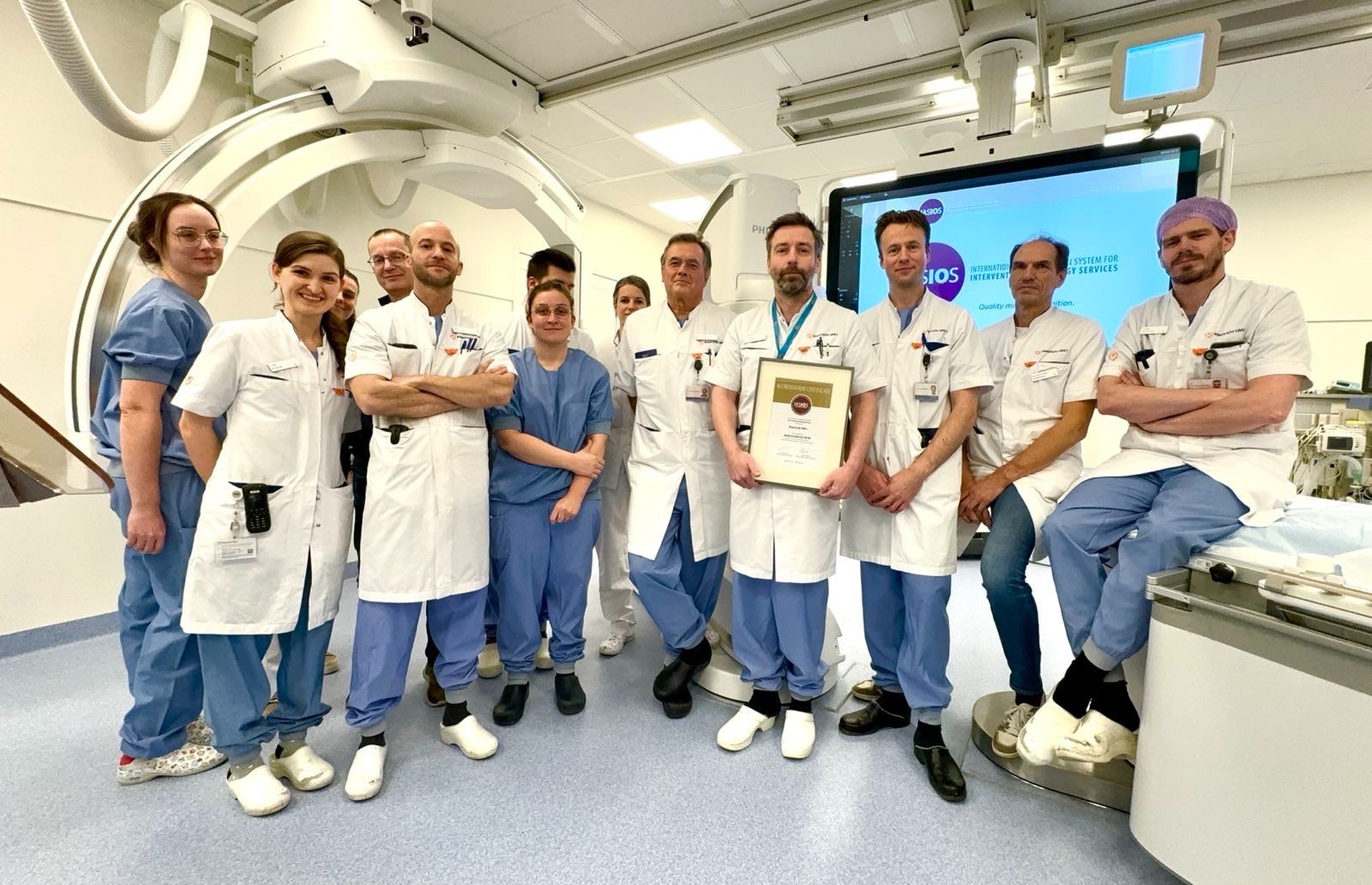
van Zwam: In MUMC+, around 250 thrombectomies are performed annually. Over the past years, a fast and efficient work-up pathway has been developed, where clinical investigation, imaging, and the subsequent start of appropriate treatment serve as an example for other centres or physicians.
CIRSE Insider: Can you describe the research you have been involved in on this topic?
de Boer: Our team has been involved in many research projects in the field of acute ischemic stroke. As a leading centre in the MR CLEAN trial, which set the standard for the endovascular treatment of acute ischemic stroke, MUMC+ was at the forefront of advancing this research. Our centre organized the MR CLEAN-Late trial, participated in MR CLEAN-MED, MR CLEAN-NoIV, ESCAPE-NEXT, and DISTAL trials, and is still active in the CASES trial as well as the DIVINE and PASSES registries. Initiatives for new trials are also underway. It’s important to us that we remain committed to pushing the field forward and improving clinical outcomes for stroke patients.
CIRSE Insider: For interventional radiologists who have already been performing endovascular stroke treatments, what new insights or skills could the course offer them?
van Zwam: The landscape of endovascular stroke treatment is evolving rapidly. New evidence, devices, and procedural strategies emerge almost weekly, making it challenging for busy clinicians to stay fully informed. This course will help them stay up-to-date as international faculty will present the latest insights from recent literature and symposia and share their own experience from high-volume stroke centres. Furthermore, the hands-on component allows clinicians to refine their technique, explore new technologies, and engage directly with faculty and industry partners. Even seasoned practitioners often find that these sessions refine their technical skills and build their professional connections.